Understanding Purchase Orders in Business Operations

Summary
Navigating the complexities of business operations requires a solid grasp of fundamental financial and operational tools. So, when asked, "what is po in business?", you now know that it is far more than just a piece of paper.
A purchase order is a critical financial instrument that protects your company legally, streamlines your supply chain management efficiency, and provides your accounting team with the visibility they need to maintain healthy cash flow. From understanding the nuances of a purchase requisition vs purchase order to implementing robust internal controls for expense management, mastering the PO process is a non-negotiable step for any growing enterprise.
By prioritizing clear PO details and embracing digital purchase order tracking, you set your business up for sustainable, organized, and profitable growth. Whether you are delving into PO accounting for the first time or refining your vendor management best practices, treating every purchase order with the importance it deserves will pay dividends in your operational success.
Whether you are a budding entrepreneur ordering your first batch of inventory or a seasoned manager looking to optimize your company’s procurement workflow, understanding the mechanics of buying goods and services is crucial. When a company buys office supplies, raw materials, or software subscriptions, it rarely relies on a simple verbal agreement or a quick credit card swipe. Instead, it relies on structured, legally binding documents to keep everything organized.
If you have ever found yourself asking, "what is po in business?", you are certainly not alone. As organizations scale, informal purchasing methods quickly give way to structured documentation. At the heart of this transition is the humble purchase order.
In this comprehensive guide, we will define purchase order mechanics, explore the purchase order process steps, and explain why implementing these documents is one of the smartest moves you can make for your company’s financial health.
Contact Us
Free Demo Request
What is a PO? Decoding the Basics
To begin, let’s answer the most fundamental question: what is po? The PO abbreviation is universally recognized across industries, and PO stands for Purchase Order.
If you are looking for a clear purchase order definition, it is an official, legally binding document sent by a buyer to a supplier or vendor, indicating the types, quantities, and agreed prices for products or services. Once the seller accepts this document, it forms a legally binding contract between both parties.
Interestingly, the terminology remains consistent regardless of the department. For instance:
-
The PO full form in business generally refers to the broad operational use of the document to acquire goods.
-
The PO full form in corporate settings implies the same, often carrying stricter approval hierarchies and compliance rules.
-
When examining the PO full form in company operations, it represents the standardized way all departments- from marketing to IT- request external resources.
You might also hear various teams use the term slightly differently based on their focus. The PO full form in sales often refers to the inbound document a sales team receives from a client, signaling a closed deal. Meanwhile, the PO full form in accounts or the PO full form in finance highlights the document's role as a financial commitment and a tracking tool for impending cash outflows. Even though some people redundantly say "PO order" (which leads to the question of the PO order full form- literally "Purchase Order order"), the PO meaning in business remains universally tied to formalizing a purchase.
So, if someone asks you, "what is meaning of PO?", you can confidently explain that it is the ultimate source of truth for any B2B transaction before an invoice is ever generated.
The Essential Elements of a Standard Purchase Order
To truly grasp the purchase order meaning, you need to understand its anatomy. When you issue a purchase order, it must contain specific details to ensure both the buyer and the seller are completely aligned. Missing information can lead to delayed shipments or payment disputes.
Here are the essential elements of a standard purchase order:
-
Header Information: This includes your company’s name, logo, billing address, and shipping address, as well as the vendor’s contact information.
-
PO Number: A unique alphanumeric code used for digital purchase order tracking and easy reference.
-
PO Date Meaning: It is vital to distinguish between different dates. The "issue date" is when the PO is created. The "delivery date" is when you expect the goods. Understanding the PO date meaning ensures there is no confusion regarding fulfillment timelines.
-
Purchase Details and PO Details: This is the core of the document. The purchase details must outline exact item descriptions, SKUs (Stock Keeping Units), unit prices, and quantities.
-
Terms and Conditions: Payment terms (e.g., Net 30, Net 60), delivery methods, and any other contractual stipulations.
-
Total Amount: The subtotal, applicable taxes, shipping fees, and the grand total.
When all these PO details are perfectly aligned, creating a formalized PO order becomes a seamless part of your daily operations.
How Does a Purchase Order Work?
Many professionals understand the concept but still wonder, "how does a purchase order work in practice?" The transition from identifying a need to receiving the goods follows a logical, step-by-step workflow known as the PO process.
Here are the standard purchase order process steps:
1. Identifying the Need and Requisition
Before a company can issue PO documents, an internal team member must identify a need—whether it’s new laptops for the IT department or raw flour for a commercial bakery. They submit an internal request for approval.
2. Drafting the PO
Once the internal request is approved, the procurement or purchasing team steps in. They review the vendor's catalog, negotiate terms if necessary, and draft the formal purchase order. This involves carefully entering all the necessary purchase details.
3. Approval Routing
In robust organizations, drafting the document isn't enough. It must pass through internal controls for expense management. Depending on the total cost, a department head or the CFO might need to sign off before the document is sent.
4. Sending to the Vendor
Now it is time to issue the purchase order to the vendor. The vendor reviews the document to ensure they have the inventory to fulfill the request at the stated price.
5. Vendor Acceptance
If the vendor agrees, they accept the PO. At this exact moment, the document provides legal protection in procurement contracts for both parties. The buyer is legally obligated to pay upon delivery, and the seller is legally obligated to deliver the goods as specified.
6. Delivery and Receiving
The vendor ships the goods or provides the service. Upon arrival, the buyer's receiving department checks the shipment against the original PO to ensure nothing is missing.
7. Invoicing and Closure
Finally, the vendor sends a bill for the goods. The accounting team steps in to match the documents and process the payment, officially closing the PO.
Clarifying the Confusion: Document Comparisons
In the world of B2B transactions, several documents sound similar but serve drastically different purposes. Let's break down the major comparisons.
Purchase Requisition vs Purchase Order
A major point of confusion for new managers is the difference between a purchase requisition vs purchase order.
-
A purchase requisition is strictly an internal document. It is a permission slip. For example, an employee submits a requisition to their manager asking for permission to buy a $1,000 piece of software.
-
A purchase order is an external document. Once the requisition is approved, the purchasing department generates the PO and sends it to the software company.
Difference Between Purchase Order and Invoice
Another common query involves the difference between purchase order and invoice. The easiest way to remember this is chronologically:
-
The Purchase Order is created by the buyer at the beginning of the transaction. It says, "I want to buy these items at this price."
-
The Invoice is created by the seller at the end of the transaction (or after delivery). It says, "I have provided the items you requested; now you owe me this money."
What is PO in Accounting?
We have discussed operations, but what is purchase order in accounting? Why do finance professionals care so much about these documents?
When you dive into PO meaning in accounting, you uncover a world of financial forecasting and fraud prevention. PO accounting refers to the practice of recording committed funds before they are actually spent.
The Accounts Payable Reconciliation Workflow
When an invoice arrives, the finance team does not just blindly pay it. They utilize an accounts payable reconciliation workflow known as the "Three-Way Match." They take:
-
The original Purchase Order
-
The Receiving Report (proof of delivery)
-
The Vendor's Invoice
By comparing these three documents, the accounting team ensures that what was ordered was actually delivered, and what was delivered matches what they are being billed for. This stringent PO process is one of the most effective internal controls for expense management.
Avoiding Duplicate Payments
Without a formalized system, a company might accidentally pay the same invoice twice if it gets routed to two different managers. By tying every invoice to a unique PO number, avoiding duplicate payments with procurement systems becomes effortless. If an invoice attempts to reference a PO that has already been closed and paid, the system flags it immediately.
Why Do Businesses Use Purchase Orders? Key Benefits
If you are a startup founder accustomed to buying things with a corporate credit card, you might think this process sounds tedious. So, why do businesses use purchase orders?
1. Benefits of Using Purchase Orders for Small Business
For small businesses, cash flow is king. Implementing a PO process gives owners a real-time view of committed capital. If you know you have issued $5,000 worth of POs this week, you know exactly how much cash you need to keep in reserve, preventing accidental overspending.
2. Legal Protection in Procurement Contracts
As mentioned earlier, an accepted PO is a binding contract. If a vendor agrees to sell you 1,000 units of a product for $5 each, they cannot suddenly send you an invoice charging $7 per unit. The PO provides undeniable legal protection. If a dispute arises over quantities, delivery timelines, or pricing, the original PO serves as the ultimate reference point.
3. Supply Chain Management Efficiency
When you issue a PO, you define exactly when you expect your goods. This allows businesses to manage inventory effectively. By tracking PO delivery dates, companies can ensure they never run out of critical stock, drastically boosting overall supply chain management efficiency.
4. Better Budgeting and Auditing
Auditors love purchase orders. When it comes time for annual financial audits or tax season, having a clear paper trail for every business expense proves that all company funds were used legitimately and responsibly.
Vendor Management Best Practices
A solid PO strategy is the foundation of excellent vendor relationships. By providing your suppliers with clear, detailed documentation, you eliminate guesswork.
To optimize this relationship, employ these vendor management best practices:
-
Be precise with PO details: Never use vague descriptions. Use exact part numbers and agreed-upon terminology.
-
Communicate timeline changes: If the PO date meaning changes on your end (e.g., you need delivery a week later than planned), update the PO and notify the vendor immediately.
-
Establish approval limits: Ensure your vendors know who is authorized to issue a purchase order on behalf of your company, protecting both of you from rogue employee spending.
If you are ready to implement this workflow, you might be wondering how to create a purchase order. Historically, companies used carbon-copy paper pads. Today, that is a recipe for lost documents and data entry errors.
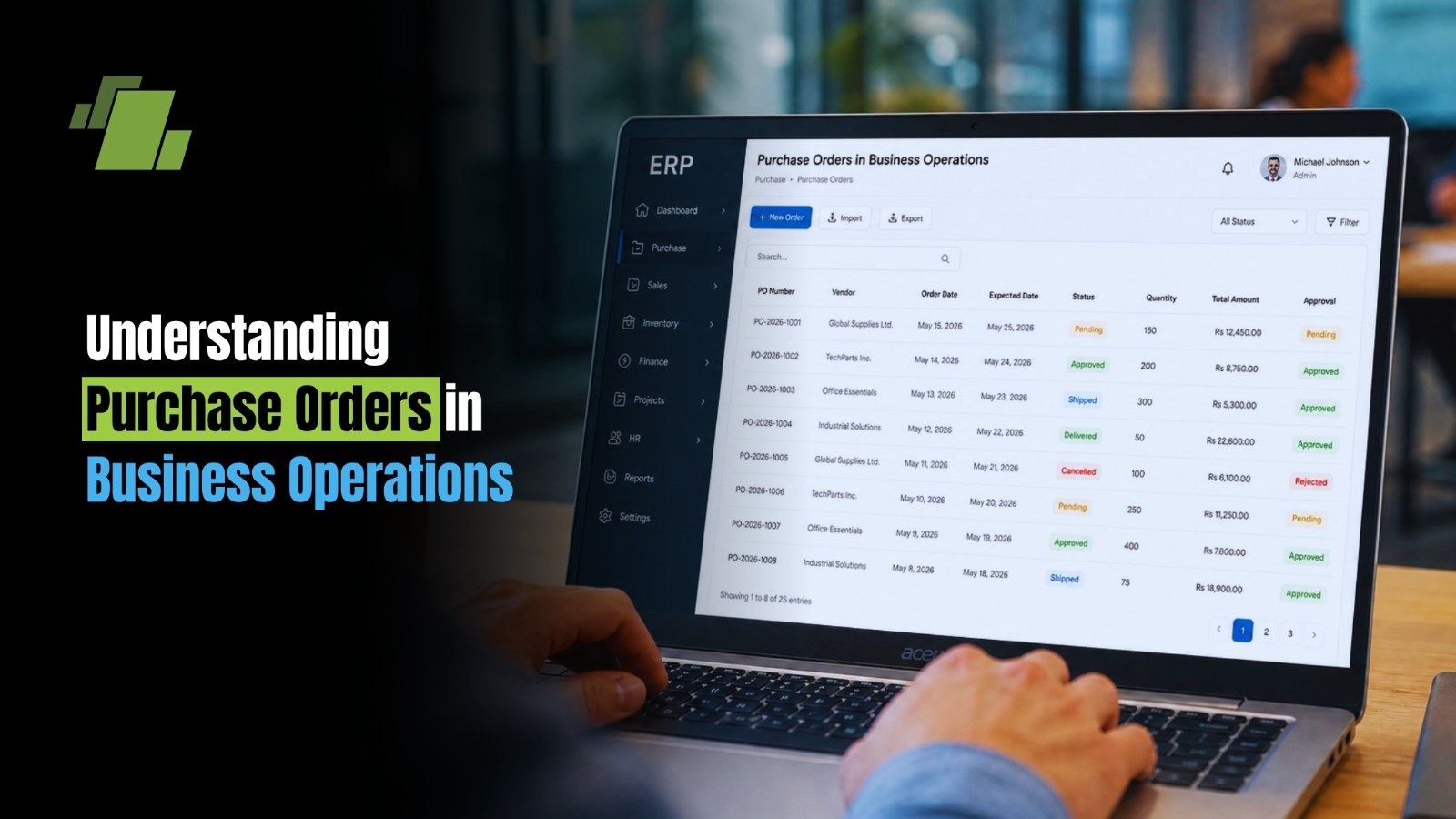
The modern standard relies on digital purchase order tracking. Using dedicated procurement software or an ERP (Enterprise Resource Planning) system allows you to automate the entire lifecycle.
Here is how to create one digitally:
-
Select a Software: Choose an accounting or procurement software (like QuickBooks, Xero, or a dedicated procure-to-pay platform).
-
Set Up Vendor Profiles: Input your vendors' details so they auto-populate when drafting a new document.
-
Define Workflows: Set rules. For example, any PO under $500 is auto-approved, while anything above requires manager sign-off.
-
Generate and Send: Fill out the digital form, and the software will automatically email a professional, branded PDF to your vendor.
-
Track in Real-Time: Use the software's dashboard to see which POs are pending, fulfilled, or billed.
By digitizing the process, businesses save countless hours of administrative work and gain access to powerful analytics regarding their spending habits.
Conclusion
A purchase order (PO) is more than just a purchasing document; it is an essential tool for maintaining financial control, streamlining procurement, and building stronger vendor relationships. From initiating purchase requests and managing approvals to tracking deliveries and reconciling invoices, a structured purchase order process helps businesses improve transparency, reduce errors, prevent duplicate payments, and maintain better control over expenses.
As businesses grow, managing purchase orders manually can become time-consuming and difficult to track. Adopting a digital ERP system like LOGIC ERP helps automate purchase order management, simplify approval workflows, improve vendor coordination, and provide real-time visibility into purchasing activities. By digitizing procurement processes, businesses can strengthen operational efficiency, optimize cash flow, and support sustainable business growth.
Call at +91-73411-41176/75 or send us an email at sales@logicerp.com to book a free demo today!
Frequently Asked Questions (FAQs)
1. What is a Purchase Order (PO) in Business?
A Purchase Order (PO) is an official document issued by a buyer to a supplier, specifying the products or services required, quantities, agreed prices, delivery details, and payment terms. Once accepted by the supplier, it becomes a legally binding agreement between both parties.
2. What are the 5 Main Steps in the Purchase Order Process?
The five main steps in the purchase order process are:
-
Identifying the purchasing requirement and raising a purchase requisition.
-
Creating the purchase order with product, quantity, and pricing details.
-
Getting internal approval from authorized personnel.
-
Sending the purchase order to the supplier for acceptance.
-
Receiving the goods, verifying the delivery, matching the invoice, and processing payment.
3. What is the Difference Between a Purchase Requisition and a Purchase Order?
A purchase requisition is an internal document used by employees or departments to request approval for purchasing goods or services. A purchase order is an external document sent to the supplier after the purchase request is approved, confirming the items, quantities, prices, and terms of purchase.
4. What is the Difference Between a Purchase Order and an Invoice?
A purchase order is created by the buyer before purchasing goods or services to communicate the requirements and agreed terms to the supplier. An invoice is issued by the seller to request payment for the goods or services supplied. A PO confirms what is being ordered, while an invoice confirms what is payable.
5. How does Purchase Order Management Software Help Businesses?
Purchase order management software helps businesses automate purchase order creation, streamline approval workflows, track supplier orders, monitor deliveries, and manage purchasing expenses. An ERP solution like LOGIC ERP provides better visibility into procurement activities, improves vendor coordination, reduces manual errors, and helps businesses maintain greater control over purchasing operations.

Author
Gurbir Singh
Co-founder & Managing Director | LOGIC ERP Solutions Pvt. Ltd.
With 30+ years of experience in the tech industry, I took the helm of technology & product development, ensuring LOGIC ERP’s continuous innovation & leadership in the evolving tech landscape.

