Streamline vendor operations with a powerful Vendor Management System (VMS). Manage suppliers, procurement, payments, and vendor performance efficiently from one platform.
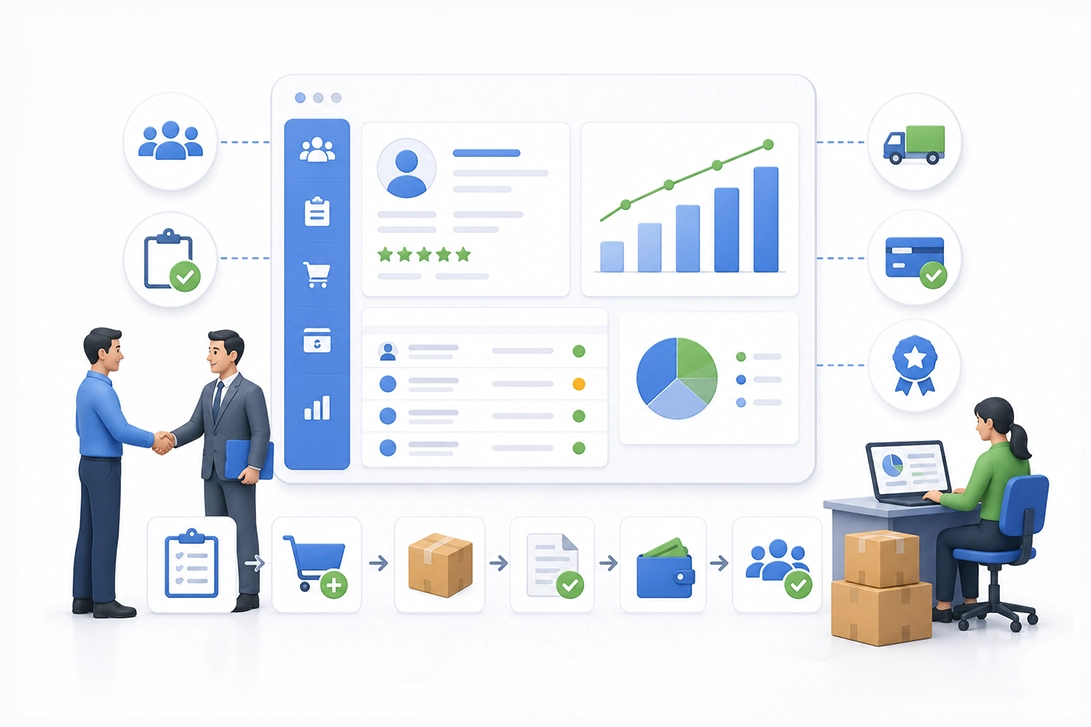
VMS stands for Vendor Management System — a centralized software platform designed to help organizations manage every stage of their supplier and contingent workforce lifecycle, including sourcing, onboarding, invoicing, performance evaluation, and offboarding. Understanding the VMS full form is essential for procurement professionals, business managers, and IT decision-makers seeking to optimize their vendor relationships and streamline operations.
This guide covers everything you need to know about vendor management systems: their core definition, the different types available, essential features, implementation strategies, and emerging trends shaping the market in 2026 and beyond. Whether you’re exploring supplier management VMS for goods procurement or contingent workforce platforms for managing contractors and temporary staff, this resource addresses both applications comprehensively.
By reading this guide, you will gain:
a Vendor Management System (VMS) is enterprise-grade software that centralizes and systematizes how organizations handle relationships with external suppliers. Modern VMS solutions provide end-to-end visibility, automation, and control over a company’s extended workforce and vendor ecosystem, which is crucial for improving operational efficiency and reducing risks.
The acronym VMS can also refer to other systems, including Video Management System, Variable Message Sign, Vehicle Management System, and Visitor Management System. Vehicle Management Systems use GPS technology to track vehicles and optimize logistics and supply chain operations. Visitor Management Systems replace traditional paper logbooks with digital check-ins for enhanced security and compliance in corporate and government settings.
Effective vendor management is critically important for every type of business, as it helps mitigate sourcing risks and optimize material and service costs. Vendor management is important because it enables organizations to address vendor risks, including financial, operational, and compliance-related risks, ensuring regulatory adherence and audit readiness. Vendor risk management is a comprehensive process that assesses and mitigates risks associated with vendors, supporting regulatory compliance and business continuity. Without proper vendor management tools, organizations face operational disruptions, compliance gaps, and missed cost savings opportunities that directly impact business success.
In the business and procurement context, VMS full form translates to Vendor Management System software specifically engineered for managing vendors across their entire lifecycle. This definition distinguishes VMS from other acronyms sharing the same letters, such as Video Management Systems (used in security surveillance) and Variable Message Signs (electronic road displays on highways).
The vendor management process governed by VMS is a structured set of activities used to govern supplier relationships from selection through renewal or exit, typically following a consistent lifecycle that includes sourcing, contracting, performance oversight, risk management, and relationship governance. This systematic approach ensures organizations maintain control over their vendor portfolio while strengthening vendor relationships through standardized processes. The vendor management process is a structured set of activities used to govern supplier relationships from selection through renewal or exit, typically following a consistent lifecycle that includes sourcing, contracting, performance oversight, risk management, and relationship governance. Once a vendor is selected, contract terms are negotiated to define pricing, scope of work, service levels, and data protection obligations, followed by onboarding to formalize the relationship through documentation and internal approvals.
VMS commonly stands for Vendor Management System, Video Management System, and Variable Message Sign but in procurement, supply chain, and workforce management discussions, it almost exclusively refers to vendor management software platforms.
Vendor management systems deliver several interconnected capabilities that transform how organizations interact with their vendor ecosystem:
Vendor onboarding begins with collecting documentation, certifications, insurance verification, and compliance credentials. Efficiently onboarding and managing new vendors is a critical component of the vendor management process, as it ensures seamless integration of new vendors into existing systems and helps maximize value while reducing risks. A cloud-based Vendor Management System helps businesses efficiently manage their relationships with third-party vendors by centralizing and automating key processes such as vendor onboarding, performance tracking, compliance management, and contract administration.
Contract management refers specifically to the management of the vendor contract, the contractual agreement with vendors which plays a vital role in contract creation, negotiation, compliance monitoring, and renewals. Once a vendor is selected, contract terms are negotiated to define pricing, scope of work, service levels, and data protection obligations, followed by onboarding to formalize the relationship through documentation and internal approvals. Vendor contract management is a specialized aspect of vendor management systems, emphasizing features such as contract creation, negotiation, compliance, and lifecycle management to ensure contractual obligations are met and commercial value is protected.
Performance monitoring tracks vendor performance against agreed service levels and quality metrics through regular reviews and reporting. Ongoing performance monitoring is essential in vendor management, involving regular scorecards, KPI tracking, and benchmarking against industry standards.
Risk management and compliance tracking ensure vendors meet regulatory requirements, data security standards, and organizational policies critical for third party risk management in regulated industries.
These functions integrate to create a structured vendor management program that supports day to day operations while enabling strategic vendor management practices across the organization.
Understanding the VMS full form requires recognizing that vendor management systems come in distinct varieties, each designed for specific business applications. Organizations must select the right type based on whether they primarily manage suppliers of goods and services, contingent workforce, or both.
Supplier management VMS focuses on vendors providing goods and recurring services. These platforms excel at supplier relationship management, enabling organizations to track supplier performance, manage vendor contracts, and maintain compliance with regulatory requirements across their supply chains.
Key capabilities include:
Contingent workforce VMS addresses the management of external labor temporary workers, contractors, consultants, and freelancers. This represents the traditional VMS territory, originating from the rise of temporary staffing in the 1990s and early 2000s.
Core functions include:
Healthcare facilities utilize a Vendor Management System to manage travel nurses and temporary staffing to ensure regulatory compliance. This application demonstrates how contingent workforce VMS supports industries with high external labor demands while maintaining strict compliance tracking.
Hybrid platforms combine supplier management and contingent workforce capabilities under one technology umbrella. These systems allow organizations to handle both external goods/services vendors and external labor within a unified dashboard, offering consolidated compliance controls, shared data models, and comprehensive risk assessment across the entire vendor ecosystem.
Market trends indicate platforms are advancing toward hybrid functionality, driven by enterprise demand for:
The choice between these VMS types depends on organizational priorities, industry requirements, and the composition of external suppliers supporting business objectives.
Successful vendor management system work begins with understanding the key features that drive operational efficiency and the measurable business benefits that justify investment. In addition to streamlining processes, vendor management software helps strengthen vendor relationships by improving collaboration, compliance, and performance throughout the vendor lifecycle. Building on the VMS full form and types covered above, this section examines what makes vendor management software effective.
When evaluating vendor management tools, organizations should prioritize features aligned with their specific business requirements and risk profile. The following capabilities represent industry-standard functionality for effective vendor management process implementation:
Vendor onboarding automation streamlines the collection of vendor information, certifications, insurance documentation, and background verifications. Vendor management begins with identifying and evaluating potential suppliers based on business requirements, cost, quality, reliability, and risk profile, which involves comparing vendors, reviewing credentials, and assessing financial stability.
Performance tracking with KPis enables continuous improvement through vendor performance scorecards, benchmarking, and service level agreements monitoring. Organizations can track metrics across quality, delivery, cost, and compliance dimensions creating accountability that helps improve vendor performance over time.
Risk assessment and compliance monitoring addresses third party risk management requirements, including regulatory compliance, data security verification, and financial stability assessment. These capabilities support risk mitigation by identifying potential risks before they impact operations.
Contract management and renewal alerts ensure organizations never miss critical deadlines. As contracts approach expiration, vendors are evaluated for renewal based on performance, cost, risk, and evolving business needs, while offboarding includes closing contracts and revoking system access to ensure clean exits.
Integration capabilities connect VMS with existing ERP, HCM, ATS, HRIS, and financial systems through APis and pre-built connectors essential for eliminating manual processes and ensuring data consistency across platforms.
Get LOGIC ERP VMS Software Free DemoUnderstanding how VMS transforms vendor management practices requires comparing operational outcomes with and without systematic vendor management software:
| Benefit Area | Without VMS | With VMS |
|---|---|---|
| Cost Management | Manual tracking prone to errors; limited spend visibility | Automated savings tracking; real-time budget monitoring |
| Compliance | Spreadsheet-based tracking; reactive audit responses | Real-time monitoring; proactive compliance alerts |
| Risk Management | Reactive approach; limited vendor visibility | Proactive alerts; comprehensive risk scoring |
| Vendor Onboarding | 21+ days average; inconsistent documentation | 3-5 days; standardized automated workflows |
| Procurement Cycle | 45+ days from requisition to delivery | 12 days with automated approvals and workflows |
Poor vendor management can lead to significant operational disruptions, such as late deliveries and sub-par materials, which can ultimately harm product quality and business reputation. VMS implementation directly addresses these risks through automation and visibility.
Documented ROI examples demonstrate the tangible impact of effective vendor management:
While vendor management systems deliver substantial benefits, implementation success requires addressing common obstacles that affect adoption and ROI. Understanding these challenges and proven solutions helps organizations maximize their vendor management software investment.
Disparate data sources, legacy systems, and mismatched formats create “garbage in, garbage out” scenarios that undermine VMS effectiveness. Organizations often struggle connecting VMS with existing HRIS, ERP , payroll , and finance systems .
Solution:
Implement a phased approach with rigorous data validation before migration. Map existing data sources thoroughly, clean and normalize vendor data prior to migration, and prioritize API integrations with critical systems. Building dashboards for real-time visibility helps stakeholders see immediate value while integration work continues in the background.
Internal resistance from hiring managers, department heads, and procurement staff often derails VMS implementations. Without stakeholder buy-in, usage remains inconsistent and data integrity suffers negating potential cost savings and compliance benefits.
Solution:
Establish a cross-functional implementation team with representatives from all affected departments. Define key performance indicators tied to stakeholder values and communicate benefits early and often. Role-based training programs, “super users” who advocate within teams, and ongoing refresher sessions sustain adoption over time.
Suppliers may resist onerous onboarding requirements, complex interfaces, or unfamiliar compliance demands. When external suppliers don’t engage effectively, vendor data quality suffers and the system fails to deliver accurate vendor information management.
Solution:
Implement self-service supplier portals with intuitive interfaces and clear requirement definitions. Communicate the benefits vendors receive faster payment processing, streamlined communication, and reduced administrative burden. Where appropriate, offer incentives for early adoption and provide dedicated support vendors can access during onboarding.
Success requires treating VMS implementation as a change management initiative rather than purely a technology deployment. Organizations that invest in stakeholder engagement alongside technical implementation consistently achieve faster ROI and stronger vendor relationships.
LOGIC ERP Vendor Management System stands out as a comprehensive, cloud-based solution that helps to streamline and optimize your entire vendor lifecycle. Choosing LOGIC ERP means gaining access to advanced automation tools that simplify vendor onboarding, contract management, performance tracking, and compliance monitoring, all within a single unified platform.
Key reasons to choose LOGIC ERP VMS include:
LOGIC ERP provides real-time dashboards and analytics, giving you full transparency into vendor performance, risk profiles, and contract statuses to make informed decisions quickly.
Easily integrates with existing ERP , HRIS, and financial systems through robust APIs, ensuring data consistency and eliminating manual data entry errors.
Whether you are a small business or a large enterprise, LOGIC ERP adapts to your unique vendor management needs with customizable workflows and role-based access controls.
Automated alerts and compliance tracking help you stay audit-ready and mitigate third-party risks effectively, safeguarding your business reputation.
By automating routine tasks and optimizing vendor relationships, LOGIC ERP helps reduce procurement cycle times and achieve significant cost savings.
Designed with ease of use in mind, LOGIC ERP's intuitive interface accelerates user adoption and minimizes training time.
Choosing LOGIC ERP Vendor Management System empowers organizations to build stronger vendor partnerships, ensure regulatory compliance, and drive operational excellence, making it a trusted choice for businesses aiming to elevate their vendor management strategy.
Optimize Vendor Operations NowVMS full form Vendor Management System represents more than an acronym: it defines the software infrastructure that enables organizations to transform how they manage external suppliers and contingent workforce. From vendor selection through contract negotiation, performance tracking, and offboarding, vendor management systems provide the visibility, automation, and control essential for modern business operations.
The evidence is clear: companies implementing effective vendor management practices achieve measurable cost savings, improved compliance rates, faster procurement cycles, and stronger vendor relationships.
Immediate next steps:
Emerging trends to monitor: AI-powered predictive vendor intelligence for risk scoring and performance forecasting, ESG and sustainability metrics integration, outcome-based contracting models, and agentic AI capabilities that automate vendor evaluation and negotiating contracts.
Related topics worth exploring include procurement automation strategies, supplier relationship management frameworks, and compliance management best practices for complex supply chains.
Call at +91-73411-41176 / +91-73411-41175 or send us an email at sales@logicerp.com to book a free demo today!
VMS full form is Vendor Management System, a centralized software platform designed to help organizations manage every stage of their supplier and contingent workforce lifecycle. This includes sourcing, vendor onboarding, invoicing, performance evaluation, and offboarding. While VMS can also stand for Video Management System (security surveillance) or Variable Message Sign (highway displays), in business and procurement contexts it refers specifically to vendor management software.
ERP systems handle broad organizational functions including supply chain , finance , and HR. Procure-to-pay (P2P) software focuses specifically on purchase orders and invoicing for goods and services. VMS specializes in managing external suppliers and contingent labor, emphasizing vendor performance tracking, compliance monitoring, workforce management, and supplier relationships. While ERP may include vendor modules, VMS provides deeper functionality for external workforce and supplier management that ERP typically lacks.
Implementation costs vary based on organization size, deployment model (cloud vs. on-premises), and customization requirements. Costs typically include licensing, implementation services, data migration, integration development, and training. Organizations commonly report tangible savings within 6-12 months of deployment with documented examples showing 10-24% cost reductions, compliance improvements from 67% to 94%, and procurement cycle time reductions from 45 days to 12 days.
Healthcare leads VMS adoption for managing travel nurses, temporary clinical staff, and ensuring regulatory compliance. Manufacturing and construction utilize VMS for large temporary labor pools and project-based work. Technology and professional services industries leverage VMS for managing freelancers, consultants, and statement-of-work projects. Financial services and pharmaceutical companies implement VMS for strict third party risk management and compliance requirements.
Evaluate your primary vendor management needs: if you primarily manage goods and services suppliers, prioritize supplier management VMS with strong contract management and spend visibility. For organizations with significant contingent labor (contractors, temporary workers, freelancers), contingent workforce VMS offers specialized timesheet tracking, worker classification compliance, and staffing agency management. Hybrid platforms serve organizations managing both vendor types who need unified visibility and risk monitoring.
Small businesses should prioritize: vendor onboarding automation, contract management with renewal alerts, basic performance tracking, and integration with existing accounting systems. Large enterprises require: advanced analytics and predictive insights, multi-location support, complex approval workflows, comprehensive compliance tracking across regulatory requirements, robust API integrations with multiple enterprise systems, and role-based access controls supporting multiple vendors across the vendor ecosystem.
VMS platforms centralize vendor data including certifications, insurance documentation, and compliance credentials, creating audit trails that demonstrate regulatory adherence. Automated compliance monitoring alerts organizations when vendor certifications expire or when risk indicators change. Risk assessment capabilities evaluate vendor financial stability, data security practices, and operational reliability. These features support industries with strict regulatory requirements including healthcare, financial services, and government contracting.
Essential integrations include: ERP systems for financial data synchronization; HRIS/HCM platforms for workforce data coordination; applicant tracking systems (ATS) for contingent workforce sourcing; payroll and payment processing systems for automated vendor payments; and business intelligence tools for comprehensive analytics. Look for VMS platforms offering pre-built connectors for major enterprise systems plus robust APIs for custom integrations that eliminate manual processes and ensure data consistency across your technology ecosystem.
Vendor management is the strategic process of overseeing and controlling relationships with third-party suppliers. It involves selecting, onboarding, monitoring performance, managing contracts, mitigating risks, and fostering strong vendor relationships to optimize costs and ensure quality.
VMS stands for Vendor Management System, a centralized software platform that automates and manages the entire vendor lifecycle, including sourcing, onboarding, contract management, performance tracking, compliance, and offboarding.
A vendor management system is a technology solution designed to help organizations efficiently manage their suppliers and contingent workforce by providing visibility, automation, and control over vendor interactions, contracts, performance, and risks.
Costs vary widely based on features, deployment type, and vendor. Small businesses may pay a few thousand dollars annually for basic cloud-based solutions, while large enterprises might invest tens or hundreds of thousands for full-featured, customized platforms. Implementation, integration, and training add to total cost.
Organizations use vendor management systems to centralize vendor data, automate workflows such as onboarding and approvals, monitor vendor performance and compliance, manage contracts, and mitigate risks. This structured approach improves operational efficiency and strengthens vendor relationships.
Users typically start by entering vendor information and documents, then automate onboarding and contract workflows. They monitor vendor performance through dashboards and scorecards, track compliance, manage renewals, and communicate via integrated portals to ensure smooth vendor processes.
VMS platforms integrate with enterprise systems to collect vendor data, automate approval workflows, track KPIs, monitor risks, and provide reporting. They centralize vendor interactions, streamline contract management, and enable proactive vendor oversight through alerts and analytics.
Key features include vendor onboarding automation, contract lifecycle management, performance tracking, risk and compliance monitoring, integration capabilities with ERP and HR systems, user-friendly interface, scalability, and strong reporting and analytics.
The BIRAC online grants management system is provided by the Biotechnology Industry Research Assistance Council (BIRAC), an initiative of the Department of Biotechnology, Government of India. The specific software vendor details may vary or be proprietary.
Using a VMS improves operational efficiency by automating manual tasks, enhances visibility into vendor performance and risks, helps control costs, ensures compliance with regulatory requirements, and fosters stronger vendor relationships for better business outcomes.
Vendor management is crucial for business success because it helps mitigate sourcing risks, optimize costs, ensure compliance with regulatory requirements, and maintain supply chain stability. Effective vendor management reduces operational disruptions such as late deliveries or sub-par materials, which can harm product quality and reputation. Companies with structured vendor management initiatives have achieved average cost savings of around 12%, demonstrating its financial impact.
Vendor relationship management fosters collaboration by establishing clear expectations through contracts and service level agreements (SLAs), enabling transparent communication and accountability. Regular performance evaluations and feedback sessions help identify areas for improvement and strengthen partnerships. This ongoing collaboration encourages vendors to innovate and align their processes with business goals, improving overall performance and reliability.
Vendor management plays a vital role in identifying, assessing, and mitigating risks related to financial stability, operational reliability, data security, and regulatory compliance. It involves continuous monitoring of vendor adherence to contracts, certifications, and industry standards. Automated compliance tracking and risk assessments help prevent legal issues, supply chain disruptions, and reputational damage, ensuring audit readiness and business continuity.
Identifying suitable vendors involves researching potential suppliers based on business requirements such as quality, cost, reliability, and risk profile. Evaluation methods include reviewing credentials, financial stability, certifications, and references. Structured scoring systems and site visits help objectively compare vendors to select those best aligned with organizational goals and compliance standards.
Cloud-based vendor management systems centralize and automate key processes like onboarding, performance tracking, compliance management, and contract administration. Advantages include real-time visibility, reduced manual errors, faster procurement cycles, scalability, and easier integration with existing ERP and HR systems. They also enable remote access and collaboration, improving efficiency and responsiveness across the vendor ecosystem.
Effective strategies include establishing clear vendor selection criteria, automating onboarding workflows, regularly monitoring performance with KPIs, conducting risk and compliance assessments, and maintaining open communication channels. Contract management with renewal alerts and structured offboarding processes ensure smooth transitions. Leveraging technology for automation and analytics supports proactive vendor governance.
Contract management defines the terms, obligations, pricing, service levels, and compliance requirements between businesses and vendors. Effective contract management reduces disputes, clarifies expectations, enforces compliance, and protects commercial value. It supports performance tracking and renewal decisions, ensuring that vendors meet agreed-upon standards throughout the relationship.
Key components include vendor sourcing and selection, contract negotiation and onboarding, performance monitoring, risk management and compliance, relationship management, and contract renewal or offboarding. Together, these elements create a structured framework to optimize vendor performance, control costs, mitigate risks, and build strong vendor partnerships.
Best practices involve clearly defining pricing, scope of work, service levels, data protection, and termination rights. Negotiations should balance cost control with quality and risk considerations. Including remedies for non-compliance and performance issues ensures enforceability. Engaging legal and procurement teams early and maintaining transparent communication fosters mutually beneficial agreements.
Vendor management drives cost savings by improving spend visibility, optimizing supplier selection, enforcing contract terms, and reducing operational inefficiencies. Automation reduces manual errors and accelerates procurement cycles. Regular performance reviews identify opportunities for cost reduction and process improvements. Companies with structured vendor management report average savings of around 12%.
Data security is maintained through role-based access controls, encryption, secure authentication protocols, and compliance with data protection regulations. Vendor management systems often include audit trails and automated alerts for unauthorized access or data anomalies. Integration with cybersecurity tools supports ongoing risk assessments and safeguards sensitive vendor and organizational information.
Essential features include vendor onboarding automation, contract lifecycle management, performance tracking with KPIs, risk and compliance monitoring, integration capabilities with ERP and HR systems, user-friendly interfaces, scalable architecture, and robust reporting and analytics. Additional features like self-service portals and AI-driven insights enhance efficiency and decision-making.
Challenges include unclear terms, misaligned expectations, compliance complexities, and resistance to certain clauses. Overcoming these requires thorough preparation, clear communication, involving legal expertise, and focusing on win-win outcomes. Using standardized contract templates and leveraging technology for version control and tracking also mitigate negotiation risks.
Automation can be achieved by implementing vendor management software that supports workflows for onboarding, approvals, performance tracking, and compliance monitoring. Integration with existing ERP, HR, and financial systems reduces data duplication. Automated alerts, scorecards, and reporting minimize manual oversight and enable proactive vendor governance.
Techniques include establishing clear pricing agreements, regularly reviewing spend data, enforcing contract compliance, benchmarking vendor performance, and consolidating suppliers where appropriate. Leveraging analytics to identify cost-saving opportunities and negotiating volume discounts or outcome-based contracts also support cost control.
Vendor management ensures reliable supply chains, consistent quality, regulatory compliance, and cost efficiency, all of which underpin sustained business performance. Strong vendor relationships foster innovation and agility, enabling businesses to respond effectively to market changes. Proactive risk management reduces disruptions, protecting brand reputation and customer satisfaction.
Vendor management impacts daily operations by ensuring timely delivery of goods and services, maintaining quality standards, and managing vendor communications. It streamlines procurement workflows, reduces administrative burdens, and provides real-time visibility into vendor performance and risks, enabling quicker decision-making and issue resolution.
Vendor management refers to the strategic process of overseeing and controlling relationships with third-party suppliers who provide goods or services to a business. It involves selecting, onboarding, monitoring performance, managing contracts, mitigating risks, and fostering strong partnerships. Vendor management is crucial for businesses because it helps optimize costs, ensure quality, maintain compliance, and reduce operational risks. Effective vendor management leads to improved supply chain efficiency, cost savings, and enhanced business reputation.
Vendor development is the proactive process of working closely with suppliers to enhance their capabilities, quality, and reliability. By investing in vendor development, businesses build stronger, more collaborative relationships with suppliers, leading to better communication, improved product quality, and timely deliveries. This partnership approach encourages innovation and continuous improvement, ultimately resulting in a more resilient and efficient supply chain.
a Vendor Management System (VMS) is a centralized software platform that automates and manages the entire vendor lifecycle, from sourcing and onboarding to performance tracking and offboarding. VMS streamlines vendor processes by providing real-time visibility, automating workflows, ensuring compliance, and facilitating communication. This reduces manual errors, accelerates procurement cycles, and improves vendor performance, helping businesses save costs and mitigate risks.
Supplier management software enhances procurement efficiency by centralizing supplier data, automating vendor onboarding, tracking performance metrics, and managing contracts digitally. It enables procurement teams to make data-driven decisions, monitor compliance, and identify cost-saving opportunities. Automation reduces administrative tasks and accelerates approval processes, leading to faster procurement cycles and stronger supplier relationships.
a comprehensive vendor information system should include features such as centralized vendor databases, document management for contracts and certifications, automated onboarding workflows, performance tracking dashboards, compliance monitoring, risk assessment tools, and integration capabilities with ERP and financial systems. These features ensure accurate vendor data, streamline processes, and support informed decision-making.
a vendor invoice management system automates payment processing by capturing, validating, and matching invoices against purchase orders and contracts. It routes invoices through approval workflows, flags discrepancies, and schedules payments automatically. This reduces manual errors, accelerates payment cycles, improves cash flow management, and enhances vendor satisfaction by ensuring timely and accurate payments.
a vendor staff tracking system monitors the activities, attendance, and performance of contingent workers supplied by vendors. It helps organizations ensure compliance with labor regulations, manage workforce costs, and optimize resource allocation. By providing real-time visibility into vendor staff deployment, the system supports efficient workforce management and accurate billing.
Within a Vendor Management System, VMS payments automate the processing of vendor invoices and contractor payments by integrating with financial and payroll systems. The system verifies invoice accuracy, matches timesheets or deliverables, and triggers payment approvals. Automated payments reduce processing time, minimize errors, and provide audit trails for compliance and financial reporting.
The key steps in the vendor development process include identifying potential suppliers, evaluating their capabilities, establishing clear performance expectations, collaborating on process improvements, providing training or resources as needed, monitoring performance through KPIs, and maintaining ongoing communication. This structured approach ensures vendors meet quality, cost, and delivery requirements while fostering long-term partnerships.
a vendor platform provides a centralized digital space where businesses and suppliers can share documents, exchange messages, submit bids, and track order statuses. It enhances transparency, reduces communication delays, and enables real-time collaboration on forecasts, product specifications, and compliance requirements. This streamlined communication improves supplier responsiveness and strengthens relationships.
Procurement and vendor management play a critical role in supply chain optimization by ensuring the selection of reliable suppliers, managing costs, maintaining quality standards, and mitigating risks. Effective vendor management supports timely deliveries and compliance, reducing disruptions. Together, they enable a resilient, cost-efficient supply chain that aligns with business goals.
Vendor management in procurement directly impacts cost control by enabling better negotiation, spend visibility, and contract enforcement. It ensures compliance by monitoring regulatory requirements, certifications, and ethical standards across the supplier base. This reduces financial risks, avoids penalties, and promotes sustainable procurement practices that protect the organization’s reputation.
When choosing vendor management system software, look for features such as automated vendor onboarding, contract lifecycle management, performance tracking with KPIs, risk and compliance monitoring, integration with ERP and HR systems, user-friendly interfaces, scalability, and robust reporting capabilities. Additionally, consider vendor support, customization options, and security measures to ensure the system fits your business needs.
A document management system for vendors centralizes storage of contracts, certifications, compliance documents, and communications. It facilitates easy access, version control, and audit readiness. By digitizing documents, it reduces paperwork, minimizes errors, improves collaboration, and ensures regulatory compliance, ultimately enhancing vendor management efficiency.
Yes, there are reliable open source vendor management systems available that offer customizable features for vendor onboarding, contract management, and performance tracking. These solutions provide flexibility and cost savings but may require technical expertise for setup and maintenance. Businesses should evaluate open source options based on their scalability, community support, and integration capabilities.
Order management system vendors provide software solutions that automate order processing, inventory tracking, and fulfillment workflows. They support supply chain operations by improving order accuracy, reducing lead times, and enhancing visibility across distribution channels. Integration with vendor management systems ensures seamless coordination between procurement, inventory, and supplier activities.
A vendor data management system collects, organizes, and maintains accurate vendor information including contact details, certifications, contracts, and performance records. It supports data validation, risk assessments, and compliance tracking. By centralizing vendor data, it enables informed decision-making, reduces duplication, and enhances overall vendor governance.
A vendor managed inventory (VMI) system allows suppliers to monitor and replenish inventory levels at the customer’s location. This improves stock control by reducing stockouts, minimizing excess inventory, and optimizing reorder timing. VMI fosters collaboration between vendors and buyers, enhancing supply chain responsiveness and reducing carrying costs.
Essential vendor management system features include automated onboarding, contract lifecycle management, performance and compliance tracking, risk assessment tools, integration with ERP and HR systems, real-time dashboards, and audit trails. These features provide comprehensive oversight, enabling organizations to manage vendors proactively and mitigate risks effectively.
The vendor management system process flow typically starts with vendor identification and qualification, followed by onboarding and contract negotiation. Next, the system supports ongoing performance monitoring, compliance management, and risk assessment. Finally, it facilitates contract renewal or offboarding. Automation and integration at each stage ensure efficiency, accuracy, and transparency throughout the vendor lifecycle.
a vendor quality management system (VQMS) monitors and enforces quality standards across the supplier network. It tracks product quality metrics, audit results, corrective actions, and compliance certifications. By providing visibility into vendor quality performance, VQMS helps organizations maintain consistent product standards, reduce defects, and ensure customer satisfaction.
Vendor management systems offer businesses advantages such as improved operational efficiency, enhanced compliance, reduced costs, better risk management, and stronger vendor relationships. They automate manual processes, provide real-time insights, and enable proactive decision-making, leading to streamlined procurement cycles and increased supply chain resilience.
Implementing a vendor management system delivers benefits including cost savings, faster vendor onboarding, improved contract compliance, enhanced risk mitigation, and increased transparency. It supports data-driven vendor selection and performance management, reduces administrative burdens, and fosters collaboration, ultimately driving better business outcomes.
To choose the best vendor management system, assess your organization's specific needs such as vendor types, compliance requirements, and integration needs. Evaluate systems based on features like automation, scalability, user experience, and support services. Consider vendor reputation, customization options, and total cost of ownership. Conduct demos and involve stakeholders to ensure the chosen system aligns with your business goals and workflows.
Popular Products