How Omnichannel Retail Works with POS & Billing Software

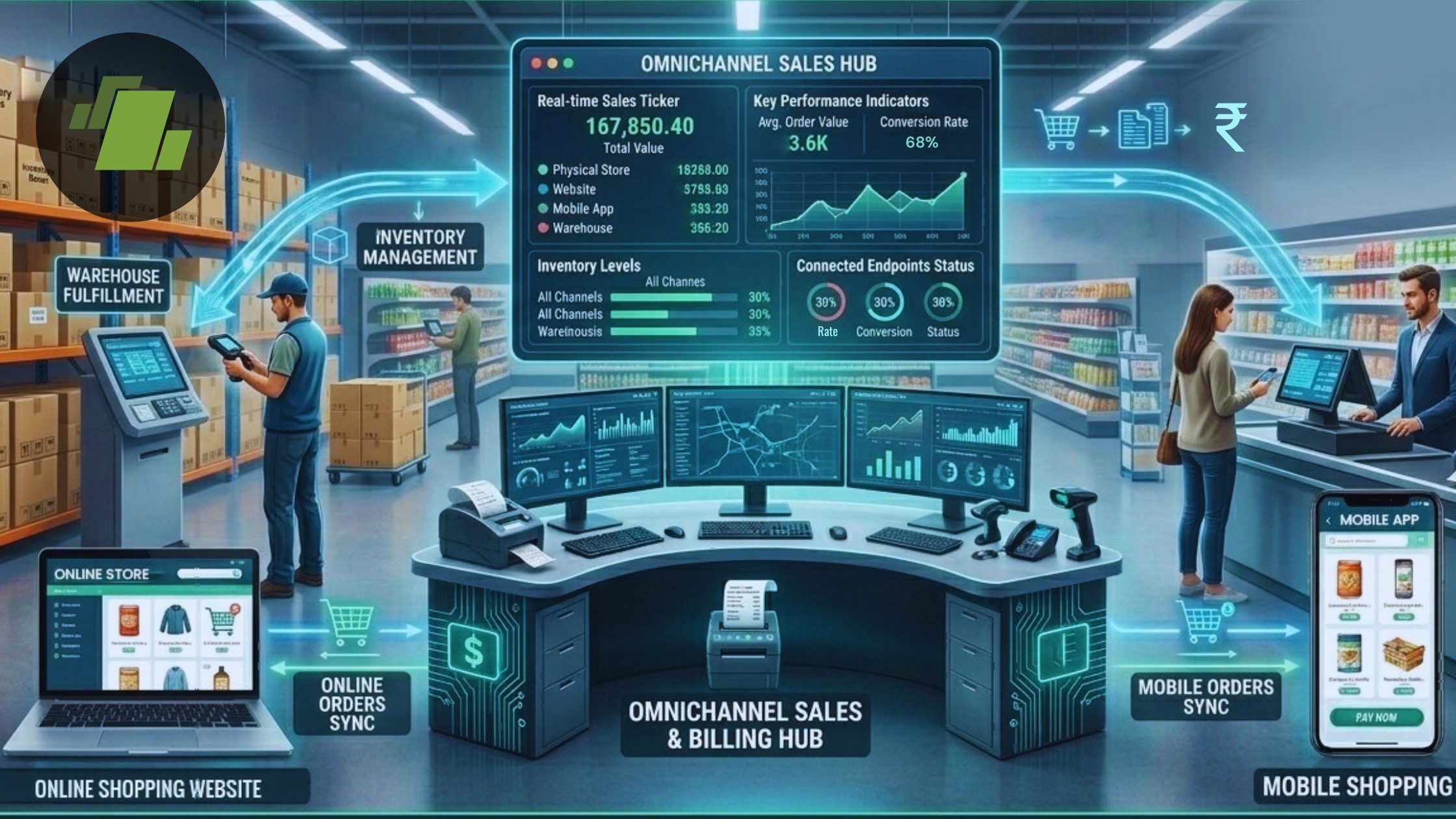
Indian retail is transforming at an unprecedented pace. Customers now expect to browse products on Instagram, check availability on a brand’s website, and complete their purchase at a physical store, all while enjoying the same discounts and loyalty benefits. This seamless experience requires more than just a basic cash register or standalone invoicing app. It demands integrated billing software and retail POS software working together as a unified system.
In this guide, you’ll discover how omnichannel retail connects every sales channel through modern POS and billing software, why traditional systems fall short, and what features matter most for Indian retailers navigating GST compliance and multi-channel complexity.
Key Takeaways
-
Omnichannel retail in India connects physical stores, eCommerce websites, mobile apps, and marketplaces like Amazon, Flipkart, and Myntra through integrated POS software and billing software, creating a seamless shopping experience across all sales channels.
-
A centralized platform like LOGIC ERP works as the central hub for omnichannel retail, synchronizing inventory, pricing, customer data, and promotions in real time across stores and online platforms.
-
Modern retail billing software does more than generate invoices, it supports GST invoicing with automatic tax calculations, ensuring compliance with Indian tax regulations.
-
Integrated POS software allows retailers to manage online orders, walk-in sales, and marketplace transactions from a single dashboard while automatically updating stock levels.
-
Omnichannel billing software supports multiple payment options such as UPI, credit cards, debit cards, mobile wallets, and cash, helping retailers offer convenient payment experiences to customers.
-
With integrated POS and billing software, every transaction updates the system instantly, ensuring accurate inventory management, real-time sales tracking, and improved customer experience.
-
Solutions like LOGIC ERP enable retailers, from single outlets to large retail chains to run efficient omnichannel retail operations with centralized POS, billing, inventory management, and GST compliance.
What Is Omnichannel Retail & Why It Needs Modern Billing Software
Omnichannel retail delivers a unified customer experience across every touchpoint, physical store, website, mobile app, and marketplaces like Amazon, Flipkart, and Myntra. Unlike multichannel retail where each channel operates independently, omnichannel ensures that a customer’s journey feels continuous regardless of where they shop. The same product information, pricing, promotions, and loyalty points follow them everywhere.
Traditional standalone billing software or basic POS apps simply cannot support this reality. These systems were designed for a simpler era when retail meant one store, one register, and one set of stock records. In 2024’s retail environment, such tools create dangerous silos. Stock displayed as available online might already be sold in-store. Promotions running on the website might not apply at the counter. Customer purchase history captured at the store remains invisible to online customer service teams.
Integrated POS and billing software becomes the single source of truth for everything: SKUs, barcodes, HSN/SAC codes for taxes, pricing across locations, and promotional offers. When this central system connects to all channels, every transaction, whether at a store terminal, through the online store, or via a marketplace writes to the same data. This means accurate inventory, consistent pricing, and correct GST calculations everywhere.
Consider a Delhi fashion retailer who operates both a flagship store and a presence on Myntra. Without integrated software, a popular jacket might show “in stock” online even after the last piece sold in-store that morning.
The result?
Cancelled orders, angry customers, and damaged reputation. Or take a Bengaluru electronics store selling on multiple platforms without central control, the same laptop might be priced at ₹59,999 in-store but ₹61,999 on their website due to manual update errors. These channel silos create real business problems that only unified omnichannel retail software can solve.
What is Industry Specific Billing Software?
-
Industry-specific billing software can streamline invoicing processes, making it easier for businesses to generate and send invoices.
-
Many billing software solutions provide offline functionality, allowing businesses to operate without an internet connection.
-
Customizable invoice templates are a common feature in billing software, allowing businesses to reflect their brand identity.
-
Real-time inventory tracking is a key feature of many billing software solutions, helping businesses manage stock levels effectively.
-
Customizable invoice templates are a common feature in billing software, allowing businesses to reflect their brand identity.
-
Billing software can enhance customer satisfaction by reducing wait times during the checkout process.
-
Some billing software includes analytics tools to help businesses track sales performance and customer behavior.
How Omnichannel Retail Works with POS & Billing Software in Practice
Understanding the theory is one thing, seeing how it works in a real customer journey makes the value concrete.
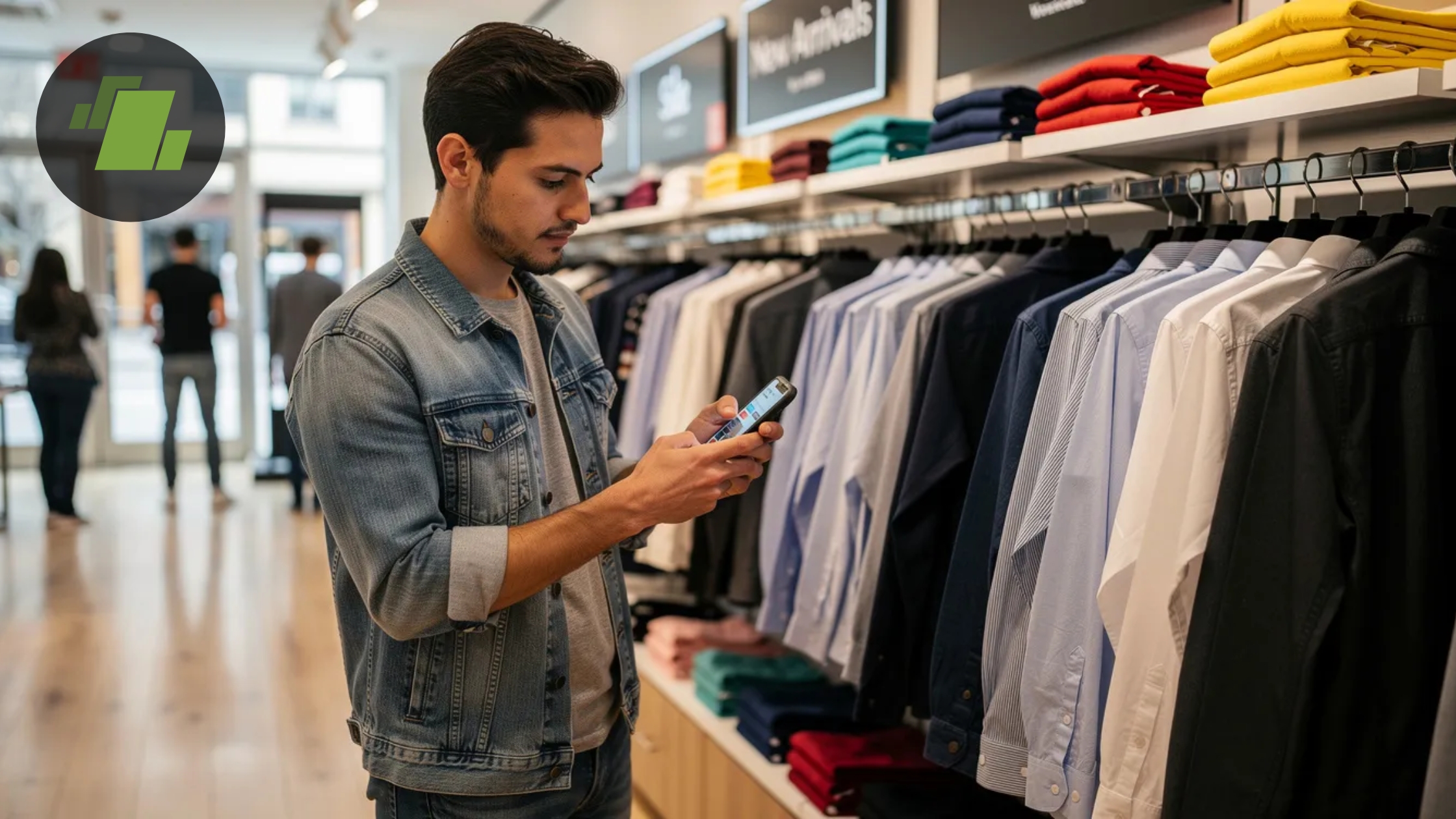
Imagine a customer scrolling through Instagram and spotting an ad for a trendy kurta from a fashion brand. Intrigued, she clicks through to the brand’s website to check sizes and prices. The website shows real-time stock availability across their stores and online inventory. She finds her size available at a store near her office and decides to visit during lunch break. At the store, the sales associate can see the exact item she browsed online, apply the same 20% discount advertised on Instagram, and complete the purchase—all because the retail POS software connects to the same central system powering the website.
A centralized retail POS system pushes uniform pricing, discounts, and GST rules to both in-store terminals and online channels simultaneously. When the head office creates a “Buy 2 Get 1 Free” promotion, it automatically applies whether customers shop on the website, mobile app, or walk into any retail location. The billing software calculates taxes correctly based on place of supply rules, ensuring compliance whether the sale happens in Mumbai or ships to Chennai.
Barcode-based billing in stores and catalog-based billing online both feed into the same billing engine. When a cashier scans a barcode at the pos system, the transaction records against the same item master that the eCommerce platform uses. This means stock deductions happen instantly across all channels, preventing overselling.
Specific workflows demonstrate this integration beautifully:
-
Click-and-collect: Customer orders online, selects store pickup. Store POS receives the order, staff picks the item, and billing completes when the customer arrives—scanning a QR code confirms collection.
-
Ship-from-store: Online order fulfilled from the nearest store’s stock instead of a central warehouse, reducing delivery time and shipping costs.
-
Endless-aisle ordering: Customers in-store want a colour not available at that location. Store POS places an inter-store transfer or direct-to-home delivery from another outlet.
Each scenario requires the pos software to access real-time data from across the network, process payments, and update inventory, all within seconds.
Core Features of Retail Billing Software for Omnichannel Stores
Quick billing features in retail billing software can decrease wait times and improve customer satisfaction. Retail billing software can offer customizable invoice templates to reflect a business’s brand identity. Here are the essential capabilities that separate modern platforms from legacy tools.
Fast GST-Compliant Invoicing
Every invoice must include correct HSN/SAC codes, calculate CGST/SGST/IGST based on transaction type and location, and support e invoicing requirements. Modern gst invoice software handles these automatically, eliminating manual calculation errors and saving time during busy checkout periods. Digital invoices can be sent via SMS, email, or WhatsApp for paperless transactions.
Barcode Management and Item Master
Inventory management systems can generate detailed reports on stock levels and sales trends. Efficient inventory management starts with a robust item master supporting multiple variants: size, colour, style, each with unique barcodes. When barcode scanners read products at checkout, the system instantly pulls pricing, applies applicable discounts, and checks stock. Image-based item recognition speeds up billing for items without barcodes.
Promotion Engine
Omnichannel promotions must work identically across channels. The software should support BOGO offers, combo deals, mix-and-match pricing, tiered discounts, and loyalty redemptions. When a customer earns points shopping online, they should redeem them seamlessly at store POS.
Multi-Tender Payment Support
Indian customers expect payment options including UPI QR codes, credit and debit cards, mobile wallets, and cash. The billing software must handle split payments, payment reminders for partial orders, and integrated payments that settle directly to merchant accounts. Support for offline transactions ensures sales continue even without an internet connection.
Real-Time Inventory Visibility
Stock levels must update instantly when bills post, whether at POS or online. Decision-makers need visibility into inventory by store, warehouse, and channel. This prevents overselling and helps identify best selling items for reordering. Automatic alerts for low stock keep operations smooth.
Integration with Payment Gateways and Aggregators
Beyond in-store payments, the software must connect with eCommerce payment gateways and food/delivery aggregators like Swiggy, Zomato, and Dunzo. These integrations must comply with RBI and NPCI norms for secure transactions.
Reporting and Analytics
Comprehensive sales reports by channel, category, and time period reveal business performance patterns. Look for 150+ report types covering:
|
Report Category |
Examples |
|
Sales |
Daily summary, channel-wise, cashier performance |
|
Inventory |
Stock movement, dead stock, reorder points |
|
Financial |
Margin analysis, cash flow, expenses tracking |
|
Tax |
GST summaries, GSTR-ready reports, gst filing support |
Security and Audit Trails
Managing transactions across multiple locations requires strict control. User roles limit access based on job function. Audit trails track every action for accountability. This protects against shrinkage and billing fraud while maintaining data integrity.
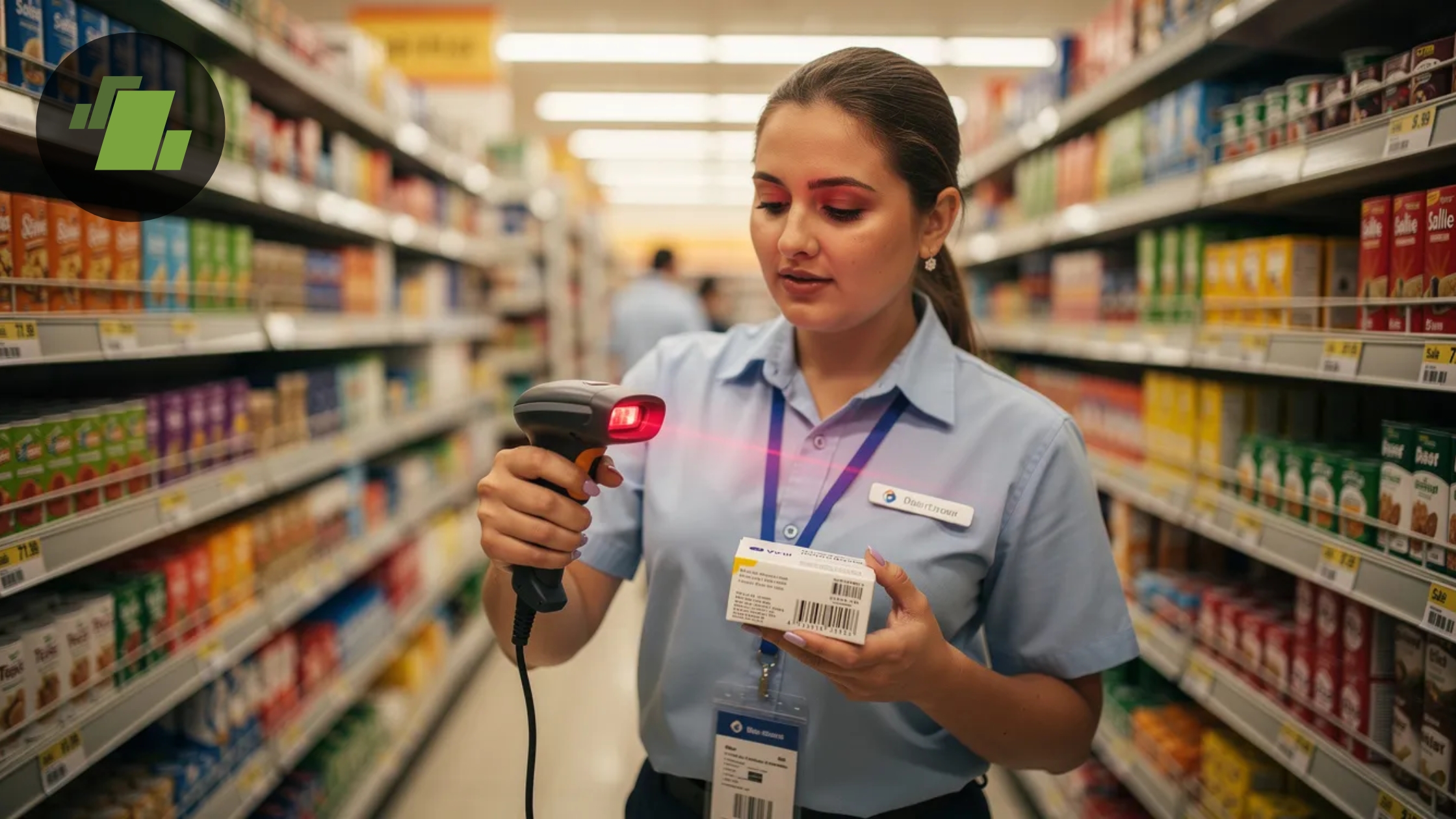
Role of Retail POS Software in Omnichannel Customer Experience
Retail POS software sits at the intersection of customer interaction and backend operations. It’s where the omnichannel promise becomes tangible reality for shoppers.
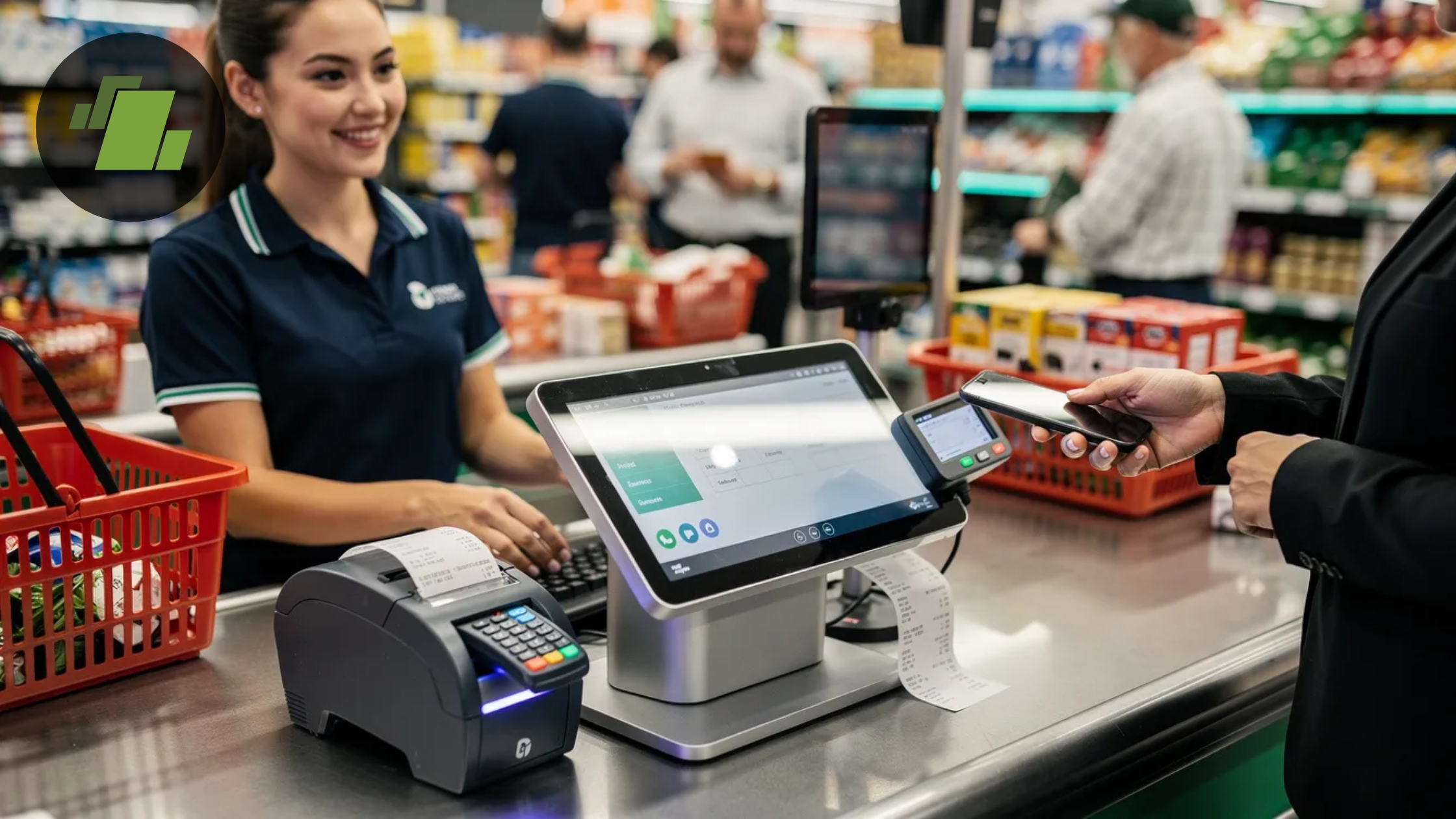
The physical POS interface must support hardware common in Indian retail: touch screens for quick navigation, barcode scanners for fast product lookup, customer-facing displays showing transaction details, and thermal printers for receipts. In high-volume environments like supermarkets or apparel stores, this hardware combination enables sub-30-second billing—critical when lines build during peak hours.
Customer-centric features at POS drive loyalty and repeat business:
-
Loyalty enrolment: Capture mobile numbers via OTP verification to link purchases with customer profiles
-
Points redemption: Apply rewards earned on website or app purchases during store visits
-
Digital receipts: Send invoices via SMS, email, or WhatsApp instead of paper
-
Purchase history access: Staff can view online orders, past purchases, and saved preferences
Consider this scenario: A customer ordered a shirt online but wants to exchange it for a different size. She walks into any store in the chain. The POS staff pulls up her online invoice, processes the exchange, and settles the price difference via UPI—all without requiring the original receipt or calling customer service. This is omnichannel in action.
For retail shops in tier-2 cities where internet connectivity can be unstable, offline billing capability becomes essential. A good pos system continues recording transactions locally using cash drawers and thermal printers, then automatically syncs all data to the central billing and inventory system when connectivity returns. This ensures business operations never stop due to technical issues.
LOGIC ERP Omnichannel Retail & Billing Capabilities
LOGIC ERP is built as an Indian omnichannel retail platform that unifies POS, billing software, inventory, purchasing, and accounting across sectors including fashion, grocery, electronics, pharmacy, and lifestyle retail.
The platform delivers specific capabilities that address omnichannel requirements:
|
Capability |
What It Delivers |
|
Multi-Store POS |
Central control with local execution across unlimited outlets |
|
Real-Time Inventory Sync |
Stock updates across all locations and channels instantly |
|
eCommerce Integration |
Connect to webstores, Amazon, Flipkart, Myntra |
|
Centralized Promotions |
Create once, apply everywhere |
|
Pricing Control |
Head office manages price lists, stores execute |
GST compliance is comprehensive within LOGIC ERP. The system handles HSN/SAC configuration, auto-calculates appropriate taxes based on transaction type and location, integrates e-invoice and e-way bill generation where applicable, and produces GSTR reports ready for filing. This eliminates the manual reconciliation that plagues retailers using disconnected systems. Using GST compliant invoicing software can help businesses avoid penalties related to tax compliance.
Whether you operate a single outlet or manage a nationwide franchise network, LOGIC ERP scales appropriately. The head office maintains control over item masters, schemes, and credit limits while individual stores handle day-to-day billing and customer interactions. Franchisees operate within defined parameters while benefiting from central analytics.
Success scenarios demonstrate this flexibility:
A 20-store apparel chain implemented LOGIC ERP to unify previously siloed outlets. With centralized inventory visibility, they improved stock turns by identifying slow-moving items at one location that sold quickly elsewhere. Inter-store transfers became automated, reducing markdowns and improving margins.
A supermarket chain adopted ship-from-store fulfillment for online orders, using LOGIC ERP to route orders to the nearest outlet with available stock. This reduced delivery times and leveraged existing store infrastructure instead of building separate warehousing for online orders.
Implementation typically spans 2-4 weeks depending on complexity, with structured onboarding including cashier training and store manager orientation. Ongoing upgrades address new statutory requirements and emerging payment options, keeping retailers current without disruptive migrations.
Choosing the Right Omnichannel Retail Billing & POS Software
Selecting the right platform requires methodical evaluation beyond feature lists. Here’s a practical buying guide for decision-makers.
Essential Evaluation Criteria:
-
Omnichannel integrations: Verify ready connectors for your webstore platform, target marketplaces, and aggregators. Check API availability for custom integrations with other apps.
-
POS speed and reliability: Test actual billing time with your product range. Can staff easily track items, apply discounts, and complete transactions quickly?
-
GST and tax support: Confirm HSN/SAC handling, interstate taxation logic, e-invoicing capability, and GSTR report formats match your filing requirements.
-
Staff usability: Involve cashiers and store managers in demos. Complex interfaces increase errors and slow adoption.
-
Multi-store scalability: Understand how adding outlets affects licensing, central control, and reporting capabilities.
-
Total cost of ownership: Compare subscription versus perpetual licenses, implementation fees, hardware requirements, and ongoing support costs.
Before committing, check for proven deployments in your specific vertical. Fashion retail with extensive variant management differs significantly from grocery operations needing weight-based billing and expiry tracking. Ask for references from similar businesses.
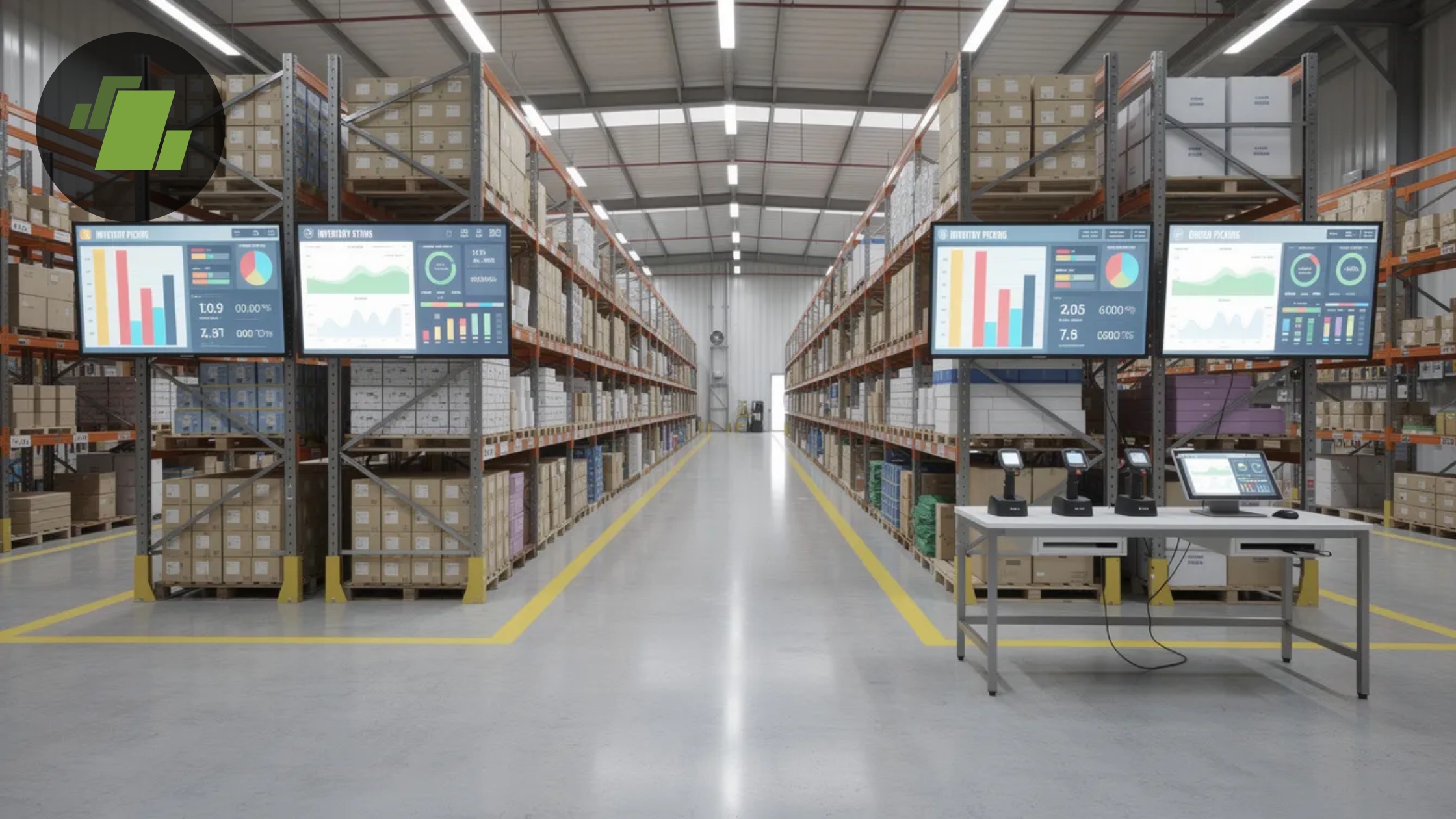
Request demonstrations of key omnichannel flows:
-
Click-and-collect order processing at store POS
-
Online return or exchange handled at any outlet
-
Unified loyalty across channels with point earning and redemption
-
Central promotion creation and store-level execution
-
Inventory visibility and transfer between locations
A pilot implementation in 2-3 outlets provides real validation before full rollout. Establish baseline metrics, average billing time, stock accuracy percentage, sales per store, and track improvements over 30-60 days. This data-driven approach reduces deployment risk.
LOGIC ERP aligns well with these selection criteria, offering the integrations, compliance, and scalability Indian retailers need while supporting phased adoption for growing businesses.
Conclusion
Omnichannel retail isn’t a future concept, it’s the present reality for Indian commerce. Customers move fluidly between online and offline touchpoints, expecting consistent experiences at every step. Retailers who connect these channels through integrated billing software and retail POS software capture more sales, reduce errors, and build lasting customer relationships.
The right platform eliminates channel silos, ensures GST compliance, and scales as your business grows. Whether you operate a single store exploring online sales or manage a nationwide chain, unified omnichannel capability transforms business operations from reactive to strategic.
Ready to see how LOGIC ERP can connect your retail channels? Explore the platform’s capabilities and discover how Indian retailers across fashion, grocery, electronics, and more are achieving efficient omnichannel operations with integrated POS and billing. Call at +91-73411-41176 or send us an email at sales@logicerp.com to book a free demo today!
Frequently Asked Questions (FAQs)
How is omnichannel retail billing different from normal POS billing?
Omnichannel billing consolidates transactions from physical stores, websites, mobile apps, and marketplaces into a single billing and ERP system. Normal POS typically handles only in-store sales, with separate systems for online channels. This fragmentation creates the data silos that cause inventory errors and inconsistent customer experiences.
In omnichannel setups, the same customer ID, price list, loyalty rules, and GST logic apply everywhere. A return initiated against an online purchase processes smoothly at any store POS. Promotions created centrally work identically across channels. LOGIC ERP captures bills from multiple channels into one database, enabling unified tax reporting, accurate stock management, and comprehensive customer insights.
What are mobile point of sale (mPOS) systems?
Mobile Point of Sale (mPOS) systems allow businesses to manage sales and inventory on-the-go. mPOS systems can transform smartphones or tablets into powerful point-of-sale devices. mPOS systems can generate detailed sales reports and analytics. mPOS systems can generate detailed sales reports and analytics. mPOS systems can help businesses manage multiple stores efficiently. mPOS systems provide real-time inventory management to prevent stock shortages.
How can billing software help businesses manage sales, inventory, and customer relationships effectively?
Billing software can help businesses manage sales, inventory, and customer relationships effectively.
Can I use the same retail billing software for multiple stores and online sales?
A modern retail billing and POS platform like LOGIC ERP is specifically built to manage multiple outlets, warehouses, and online channels from a centralized system. Each store operates its own POS terminals with local stock records, but head office controls the item master, pricing rules, promotional schemes, and consolidated financials.
This eliminates the need to maintain separate software for every store or channel. Stock transfers between locations follow defined workflows. GST compliance simplifies when all transactions feed into one accounting system. Audits become straightforward with unified records rather than reconciling across disconnected platforms.
How can retailers handle inventory management?
Retailers can handle inventory management efficiently by using POS and billing software integrated with inventory tracking. Modern retail systems automatically update stock levels whenever a sale, return, or purchase occurs. This helps businesses track product availability in real time across multiple stores, warehouses, and online channels. Retailers can also set low-stock alerts, barcode scanning, and automated stock reports to prevent stockouts and overstocking. With omnichannel POS software, inventory is synchronized across all sales channels, ensuring accurate stock visibility and better inventory control.
How is GST invoice software helpful in generating GST compliant invoices?
GST invoice software helps businesses generate GST-compliant invoices automatically by including all mandatory fields such as GSTIN, HSN/SAC codes, tax rates, and invoice numbers. The software calculates CGST, SGST, and IGST accurately, reducing manual errors. It also maintains proper invoice records and generates GST reports that simplify GST filing and tax compliance. For omnichannel retailers, GST invoice software integrated with POS and billing systems ensures that every transaction across stores and online platforms follows GST regulations.
Can I get payment reminders with a POS system for billing?
Yes, many modern POS systems with billing and invoicing software allow businesses to send automatic payment reminders to customers. Retailers can schedule reminders through SMS, email, or messaging platforms for pending invoices or credit sales. This feature helps businesses improve cash flow, reduce overdue payments, and maintain better customer communication. In an omnichannel retail setup, payment reminders can be sent for orders generated from both online and offline sales channels.
What data should sync between POS, online store, and omnichannel retail software?
Critical data requiring synchronization includes:
-
Product and variant master with images and descriptions
-
Barcodes and alternate item codes
-
Pricing tiers and discount rules
-
Stock levels by location and channel
-
Customer profiles and contact details
-
Loyalty points and tier status
-
Tax rules including HSN/SAC codes
Sales invoices, returns, credit notes, and payment details must sync in near real-time to keep finance and inventory accurate. LOGIC ERP uses central databases and integration connectors to maintain this alignment across POS, eCommerce platforms, and marketplace listings.
Is omnichannel retail software only for large chains, or can small retailers benefit too?
Even single-store retailers increasingly sell via WhatsApp, Instagram, and simple webstores alongside physical sales. This means small businesses already operate in an omnichannel environment, they just may not have systems designed for it.
Small retailers benefit from integrated invoicing software that captures online inquiries, generates professional invoices with their business logo, and tracks inventory across channels. They can easily track customers who discovered them online but purchased in-store, building relationships that drive repeat business.
LOGIC ERP supports phased adoption. Start with core POS and billing for your service businesses or retail shops. Add eCommerce integration when you launch an online presence. Enable marketplace connectors as you expand to Amazon or Flipkart. This modular approach lets growing businesses adopt omnichannel capabilities at their own pace.
How does omnichannel POS and billing improve GST compliance and reporting?
Keeping all channel invoices and credit notes in one system eliminates discrepancies between physical and online sales records, a common audit trigger. Tax classification, place of supply determination, and HSN/SAC code application happen centrally, reducing the risk of mis-taxed invoices when selling across states.
The invoicing app generates compliant digital invoices automatically. Consolidated GST reports pull from all channels without manual aggregation. E-invoicing and e-way bill integration where required simplifies compliance with evolving regulations.
LOGIC ERP produces GSTR-ready reports covering GSTR-1, GSTR-3B, and reconciliation statements. Monthly and annual filings become straightforward when your billing software maintains secure, accurate records across every sales channel.
What is invoicing software and how does it support omnichannel retail?
Invoicing software helps retailers create and manage invoices across multiple sales channels such as physical stores, online stores, and marketplaces. In an omnichannel retail system, invoicing software connected with POS and billing software ensures that all transactions are recorded in one centralized system.
Can POS and billing software automatically send payment reminders to customers?
Yes, modern POS and billing software can automatically send payment reminders through email, SMS, or WhatsApp. This feature helps omnichannel retailers collect payments faster and maintain better cash flow.
What payment options should omnichannel retailers offer through billing software?
Omnichannel retailers should offer multiple payment options such as UPI, credit cards, debit cards, mobile wallets, net banking, and cash. Billing software integrated with POS allows businesses to accept payments seamlessly across online and offline channels.
What are integrated payments in POS and billing software?
Integrated payments allow payment processing to happen directly within the POS or billing software. This means transactions, invoices, and payment records are automatically synced, reducing manual work and improving accuracy in omnichannel retail operations.
Are there free POS software options available for small retailers?
Some providers offer free POS software or limited free plans for small businesses. However, omnichannel retailers usually prefer advanced POS and billing software that includes inventory management, invoicing software, and integrated payments.
How does billing software help with GST filing for retailers?
Billing software automatically records GST details for every transaction and generates GST-compliant invoices. It also prepares reports that simplify GST filing, helping omnichannel retailers stay compliant with tax regulations.
What is e-invoicing and why is it important in omnichannel retail?
E-invoicing is a digital invoice system where invoices are generated and authenticated through the GST portal. POS and billing software with e-invoicing support helps retailers generate compliant invoices quickly and maintain accurate records.
Can invoicing software and POS systems manage sales from multiple channels?
Yes, omnichannel POS and billing software integrates with online stores, marketplaces, and physical outlets. This ensures that invoices, inventory, and payments are synchronized across all channels in real time.

Author
Surendra Nayak
Vice President Enterprise Sales | LOGIC ERP Solutions Pvt. Ltd.
Leading LOGIC ERP enterprise sales with a strategic focus on driving revenue, enhancing customer satisfaction, and strengthening brand positioning.