Top 5 Supermarket POS Software 2026 Trends

Summary
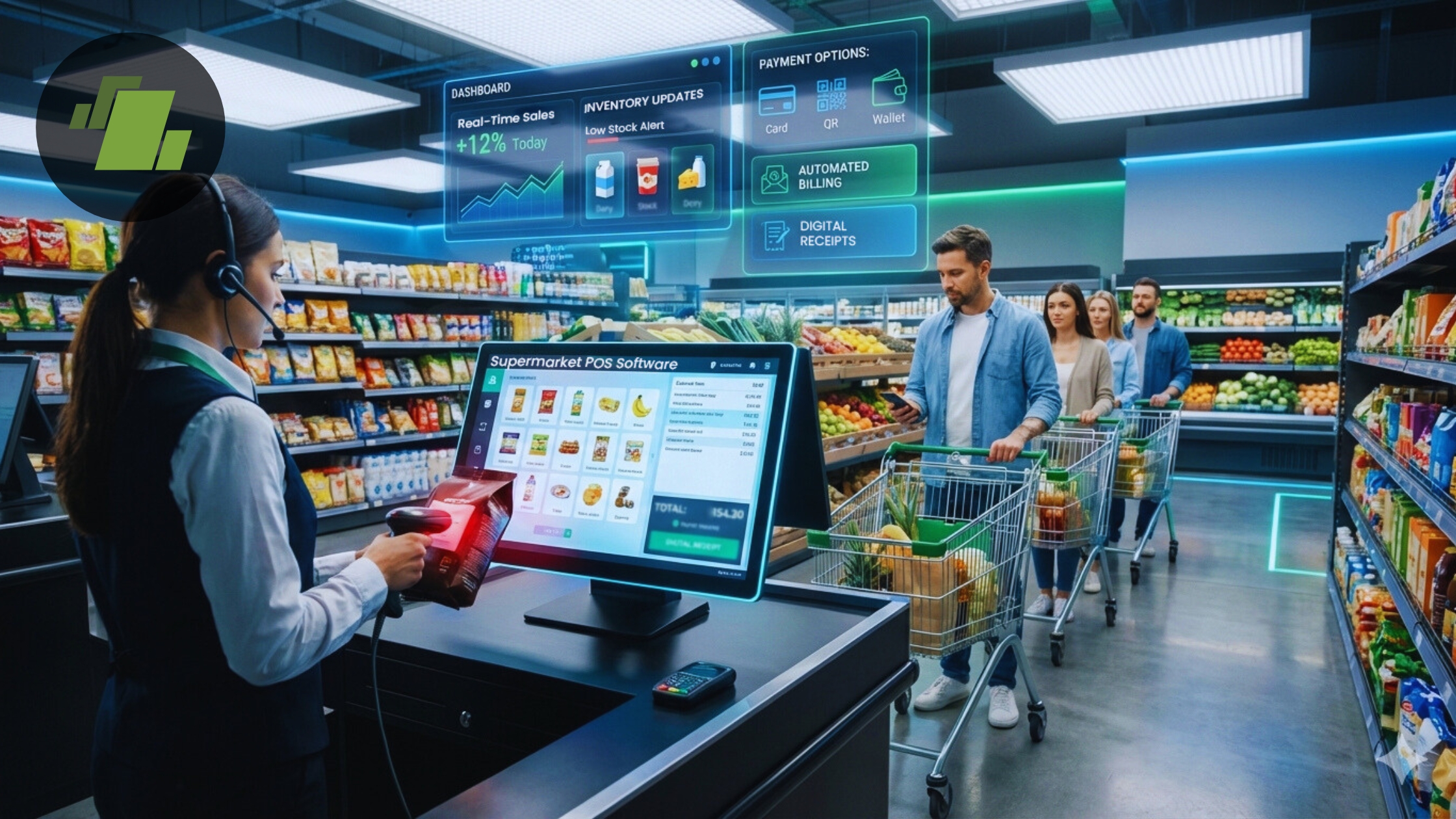
In 2026, supermarket retail POS software is revolutionizing retail with AI POS for predictive analytics and personalized promotions. Cloud POS and omnichannel POS enable real-time, multi-store management and seamless shopping experiences. Self-checkout, contactless payments, and real-time inventory POS enhance convenience, efficiency, and stock control.
Key Takeaways
- AI POS supermarket enhances predictive analytics, personalized promotions, and automated inventory decisions.
- Cloud POS supermarket provides centralized, scalable, and remote-accessible management for multi-store operations.
- Omnichannel POS ensures seamless integration between physical stores, eCommerce, and mobile platforms.
- Self-checkout supermarket and contactless payments POS improve transaction speed, safety, and customer satisfaction.
- Real-time inventory POS tracks stock, manages perishable goods, prevents overstocking, and optimizes reorder processes.
Introduction
The rapid evolution of POS software for supermarkets is reshaping the retail landscape in 2026. As digital transformation accelerates, supermarkets and grocery chains are adopting advanced technologies that enhance efficiency, personalize shopping experiences, and streamline operations from checkout to inventory management. Here’s a comprehensive look at the top 5 supermarket POS software trends in 2026 that every retailer should know to stay competitive and future ready.
1. AI Powered Intelligence & Predictive Analytics
In 2026, supermarkets are using AI/ML to derive actionable insights and automate routine tasks. These intelligent systems go beyond basic transaction processing to:
- Predict sales demand and optimize stock levels.
- Forecast future purchasing trends using historical data.
- Automate reorder suggestions, reducing stockouts and waste.
- Personalize customer experiences through tailored promotions and suggestions.
Modern AI POS systems analyze POS data to understand customer behaviour and product performance, boosting both sales and customer satisfaction. Retailers using AI enabled POS see improved accuracy in inventory management and more effective pricing strategies.
2. Omnichannel & Unified Commerce Integration
Retail shoppers in 2026 expect seamless experiences across physical stores, online marketplaces, and mobile apps. Supermarket POS software is evolving to support unified commerce, enabling:
- Centralized sync of inventory and customer data.
- Real time updating across in store and eCommerce channels.
- Consistent pricing and promotions across platforms.
- Integration with delivery partners and online ordering systems.
This omnichannel approach helps supermarkets meet modern consumer demands and maximize revenue while providing a consistent brand experience.
3. Cloud Based POS & Remote Accessibility
Cloud POS solutions continue to dominate the supermarket technology landscape in 2026. Cloud based supermarket billing and POS software offers:
- Real time updates and centralized data access across multiple stores.
- Remote dashboards for managers to view sales, stock, and performance metrics anywhere.
- Faster deployment and automatic software updates with minimal IT overhead.
- Scalable infrastructure ideal for growing supermarket chains of all sizes.
Cloud POS also supports multi counter billing and mobile apps for inventory control, making it indispensable for supermarkets aiming for agility and efficiency.
4. Self Checkout & Contactless Payments
With customer experience a top priority, supermarkets are increasingly adopting self checkout kiosks and contactless payment solutions in 2026. This trend enhances convenience and reduces queue times. Key benefits include:
- Faster transactions via NFC, QR, and mobile wallet payments.
- Reduced labor costs as customers manage their own checkout.
- Contactless payments for enhanced safety and speed.
- Integration with loyalty programs for personalized deals at checkout.
Contactless payments, including digital wallets and tap to pay systems, are fast becoming the standard for modern supermarkets, improving customer satisfaction and repeat business.
5. Enhanced Inventory Automation & Real Time Stock Control
Accurate inventory management is a backbone requirement for supermarket operations in 2026. Next generation POS software now includes advanced inventory features that:
- Provide real time stock visibility after every transaction.
- Track expiry dates, batches, and perishable goods automatically.
- Alert low stock and suggest automatic reorder quantities.
- Sync inventory metrics across all stores instantly.
This trend helps reduce waste, prevent overstocking, and maintain proper product levels, all important for profitability in the fast paced grocery retail market.
Conclusion: Embracing Smarter POS for Supermarket Success
In 2026, supermarket POS software is evolving into a powerful retail operating system, one that empowers supermarkets with real time analytics, AI driven insights, omnichannel reach, cloud flexibility, and smarter checkout options. Investing in these key trends ensures supermarkets remain competitive, customer centric, and future ready in an increasingly digital retail world.

Whether you’re a small grocery store or a multi store supermarket chain, these trends will shape how you manage operations, engage customers, and drive growth in 2026 and beyond. Call at +91-73411-41176 or send us an email at sales@logicerp.com to book a free demo today!
Frequently Asked Questions (FAQs)
1. What are the top supermarket POS software trends in 2026?
The leading trends include AI POS supermarket, cloud POS supermarket, omnichannel POS integration, self checkout and contactless payments POS, and real time inventory POS solutions that streamline operations and improve customer experiences.
2. How does AI POS benefit supermarkets?
AI POS uses predictive analytics and machine learning to forecast demand, optimize inventory, personalize promotions, and improve overall supermarket efficiency.
3. Why is cloud POS important for supermarket chains?
Cloud POS supermarket systems provide real time data sync, remote accessibility, automatic updates, and scalable management for multiple stores, reducing IT overhead.
4. What does omnichannel POS integration mean for supermarkets?
Omnichannel POS connects physical and online channels, ensuring unified inventory, pricing consistency, and a seamless shopping experience across in store, eCommerce, and mobile platforms.
5. Are self checkout and contactless payments essential for 2026 POS systems?
Yes, self checkout supermarket options and contactless payments POS improve transaction speed, reduce queues, support mobile wallets, and increase customer satisfaction.
6. How does real time inventory POS improve stock control?
Real time inventory POS updates stock instantly after each sale, tracks perishable goods and batches, alerts low stock, and helps supermarkets avoid overstocking or stockouts.
7. Can supermarket POS software integrate with loyalty programs?
Yes, modern supermarket POS systems seamlessly integrate loyalty programs, offering personalized rewards, promotions, and customer insights.
8. Is mobile POS relevant for supermarkets in 2026?
Absolutely, mobile POS enables flexible checkouts, faster service, and support for line busting, curbside pickup, and remote sales.
9. What features should a supermarket look for in POS software?
Key features include cloud POS capabilities, AI analytics, omnichannel support, contactless payments, inventory automation, and reporting dashboards.
10. How does predictive analytics improve supermarket sales?
Predictive analytics in POS helps supermarkets anticipate demand, optimize reorder timing, tailor promotions, and increase revenue through data driven decisions.

Author
Sharanjit Ghuman
Director of Communications | LOGIC ERP Solutions Pvt. Ltd.
Leading and managing the company’s internal and external communication strategies and working closely with senior leadership to develop and execute communication plans.