Why Cloud-Based POS Software is Important for Multi-Store Retail Chains?

Introduction
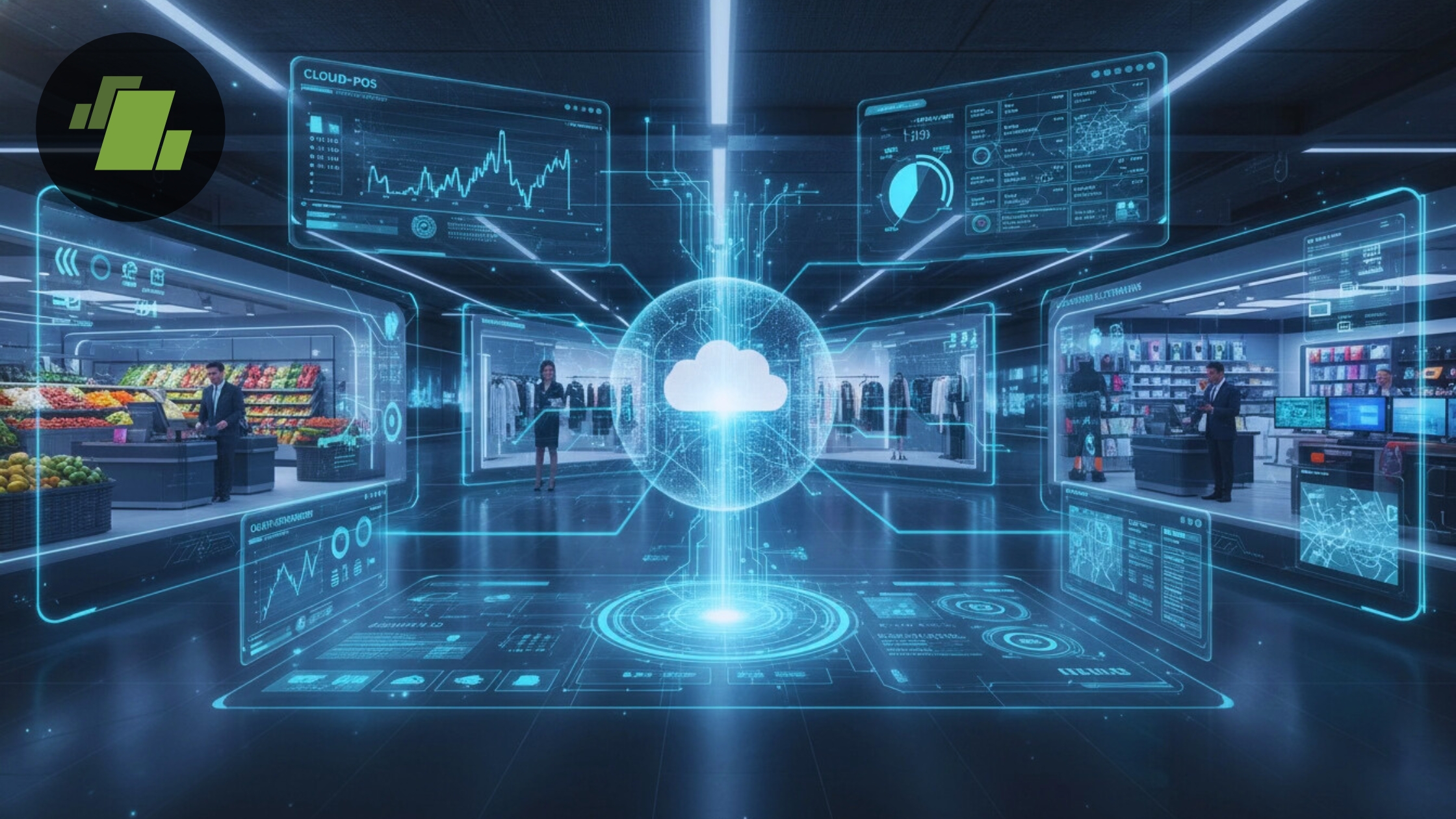
Retail chains operating across multiple locations face increasing operational complexity. Managing inventory, sales data, staff performance, customer loyalty programs, compliance, and reporting across outlets can quickly become overwhelming without the right technology infrastructure.
Cloud-based POS software has emerged as a critical solution for retail chains seeking centralized management, real-time visibility, enhanced security, and scalable growth.
This comprehensive guide explores why cloud-based POS systems are essential for multi-store retail chains and how they drive operational efficiency, profitability, and long-term expansion.
What Is Cloud-Based POS Software?
Cloud-based POS (Point of Sale) software is a retail management system hosted on secure cloud servers rather than installed on local hardware. It allows multiple store locations to connect to a centralized system via the internet.
Cloud POS software for multi-stores provides:
- Real-time data synchronization
- Centralized inventory and sales management
- Remote accessibility
- Automatic updates and maintenance
- Secure cloud backups
For retail chains operating across cities or regions, this centralized structure ensures operational consistency and transparency.
Key Operational Challenges Faced by Multi-Store Retail Chains
Before understanding the benefits, it’s important to identify the major challenges multi-store businesses encounter.
Separate Data Across Locations
When each store operates independently, sales and inventory data remain siloed. Consolidating reports becomes time-consuming and error-prone.
Inventory Mismatches and Stock Discrepancies
Without real-time synchronization, one store may be overstocked while another faces stockouts, leading to lost revenue and dissatisfied customers.
Limited Visibility for Head Office
Business owners often lack real-time insights into:
- Sales performance by location
- Employee productivity
- Regional demand patterns
Complex Expansion Process
Adding a new outlet with traditional POS systems requires additional servers, hardware installation, and manual integration.
Data Security Risks
Local systems are more vulnerable to data loss due to hardware failure, theft, or cyberattacks.
These challenges directly impact operational efficiency, scalability, and profitability.
Why Cloud-Based POS Software Is Important for Multi-Store Retail Chains?
Cloud-based POS software is important for multi-store retail chains because it helps manage all store operations from one centralized system. Retailers can track sales, monitor inventory across outlets, and control pricing or promotions in real time. With cloud access, business owners can check store performance anytime and from anywhere, making it easier to manage multiple locations, reduce errors, and keep operations running smoothly as the retail business grows.
1. Centralized Control Across All Locations
Cloud POS provides a unified dashboard that connects all stores under one system. This allows management to:
- Standardize pricing and promotions
- Update product catalogs across locations instantly
- Monitor performance centrally
- Maintain brand consistency
Centralized control eliminates operational silos and improves coordination.
2. Real-Time Inventory Synchronization
Every sale, return, or transfer automatically updates inventory across all locations. This ensures:
- Accurate stock visibility
- Reduced overselling
- Improved demand forecasting
- Better customer service
Real-time inventory management is critical for omnichannel retail chains operating both physical and online stores.
3. Seamless Inter-Store Stock Transfers
Cloud-based POS systems allow managers to:
- Initiate digital stock transfers
- Track inventory movement
- Maintain transparent audit logs
It reduces time taking processes and optimizes inventory distribution.
4. Remote Access and Mobility
Retail chain owners can monitor operations from anywhere using smartphones, tablets, or laptops.
This enables:
- Real-time decision-making
- Performance tracking across cities
- Faster response to inventory issues
For growing retail brands, mobility enhances leadership efficiency.
5. Enhanced Data Security and Automatic Backups
Cloud POS providers implement:
- Advanced data encryption
- Secure payment processing
- Automated backups
- Disaster recovery mechanisms
It ensures business continuity and protects sensitive financial data.
6. Advanced Reporting and Business Intelligence
Cloud-based systems offer comprehensive analytics including:
- Sales trends by location
- Fast-moving and slow-moving products
- Profit margins
- Seasonal demand patterns
- Employee performance reports
These insights support strategic planning and informed purchasing decisions.
7. Scalable Infrastructure for Business Growth
Cloud-based POS software allows retail chains to scale without operational disruption.
Benefits include:
- Quick new-store integration
- Automatic inventory synchronization
- Reduced IT infrastructure costs
- Flexible subscription models
Retail chains can expand regionally or nationally with minimal complexity.
Supporting Retail Expansion Across Cities and Regions
Multi-store retail chains often operate across diverse geographic markets. Cloud POS systems help manage:
- Regional pricing variations
- Location-specific promotions
- Different tax structures
- Local inventory demand trends
Head offices maintain centralized control while individual stores adapt to regional customer behavior. This balance of control and flexibility is important for retail expansion.
Comparison of Before and After Cloud POS Implementation for Retail Chains
Before Cloud POS:
- Separate inventory systems
- Manual reporting
- Frequent stock mismatches
- Delayed business insights
After Cloud POS Implementation:
- Centralized multi-store dashboard
- Real-time inventory updates
- Automated stock transfers
- Instant reporting and forecasting
- Seamless new-store integration
The result: improved operational efficiency, higher revenue, reduced costs, and enhanced customer satisfaction.
Read More : How Multi-Store POS Software Simplifies Inventory Management Across Outlets?
Conclusion
Cloud-based POS software implementation is a strategic investment for multi-store retail chains. It centralizes operations, ensures real-time visibility, strengthens security, and enables seamless expansion across regions.
For retail chains aiming to optimize inventory management, improve profitability, and scale efficiently, implementing cloud-based POS software can be the best decision. Call at +91-73411-41176 or send us an email at sales@logicerp.com to book a free demo today!
Frequently Asked Questions (FAQs)
1. What is a cloud-based POS system for multi-store retail chains?
A cloud-based POS system is a complete retail management solution that connects multiple store locations to a centralized dashboard. It allows retail chains to manage sales, inventory, reporting, and customer data in real time across all outlets.
2. Why is cloud-based POS software essential for multi-store retail chains?
Cloud-based POS software is important because it centralizes operations, provides real-time inventory synchronization, improves reporting accuracy, and enables scalable expansion. It eliminates data silos and ensures consistent management across multiple store locations.
3. How does cloud POS improve inventory management across multiple stores?
Cloud POS improves multi-store inventory management by automatically updating stock levels after every sale, return, or transfer. This real-time synchronization reduces stock mismatches, prevents overselling, and supports accurate demand forecasting.
4. Can cloud-based POS software help retail chains scale faster?
Yes, cloud-based POS systems support rapid retail expansion. New stores can be added without complex hardware setups, and inventory, pricing, and reporting sync instantly across all locations, making growth seamless and efficient.
5. Is cloud POS secure for multi-location retail businesses?
Modern cloud POS solutions use advanced data encryption, secure payment processing, and automated backups to protect sensitive business and customer information. It ensures compliance, data security, and business continuity.
6. How does cloud POS support remote management of retail stores?
Retail owners and managers can access real-time dashboards from smartphones, tablets, or laptops. It enables remote monitoring of sales, inventory, staff performance, and store operations across cities or regions.
7. What are the cost benefits of cloud-based POS for retail chains?
Cloud-based POS reduces IT infrastructure costs, eliminates server maintenance expenses, minimizes inventory losses, and improves operational efficiency. Over time, it lowers operational costs while increasing profitability.
8. Does cloud POS integrate with accounting and ERP systems?
Yes, most cloud-based POS systems integrate with accounting software, ERP platforms, and eCommerce systems. This streamlines financial reporting, tax management, and business operations.
9. How does cloud POS enhance customer experience in retail chains?
Cloud POS ensures accurate product availability, faster billing, consistent promotions, and integrated loyalty programs across locations, improving overall customer satisfaction and retention.
10. What should retail chains look for when choosing cloud-based POS software?
Retail chains should prioritize features such as real-time synchronization, centralized multi-store management, secure data encryption, advanced analytics, scalability, and integration capabilities.

Author
Surendra Nayak
Vice President Enterprise Sales | LOGIC ERP Solutions Pvt. Ltd.
Leading LOGIC ERP enterprise sales with a strategic focus on driving revenue, enhancing customer satisfaction, and strengthening brand positioning.