Improve your Retail Business with these 4 Inventory Management Techniques

Summary
Discover four effective inventory management techniques to reduce inventory costs, automate stock control, improve inventory visibility, and boost retail profitability. Learn how LOGIC ERP Inventory Management Software helps retailers streamline inventory operations, improve stock accuracy, and optimize retail performance.
Contact Us
Free Demo Request
Introduction
Efficient inventory management is the foundation of a successful retail business. Whether you operate a supermarket, fashion outlet, pharmacy, electronics store, or multi-location retail chain, maintaining accurate inventory levels is essential for improving profitability, customer satisfaction, and operational efficiency.
Modern retail businesses deal with thousands of products, changing customer demand, seasonal sales fluctuations, and complex supply chain operations. Managing inventory manually or through spreadsheets often leads to stock mismatches, delayed replenishment, overstocking, understocking, and lost sales opportunities.
✨ Summarize this article with AI


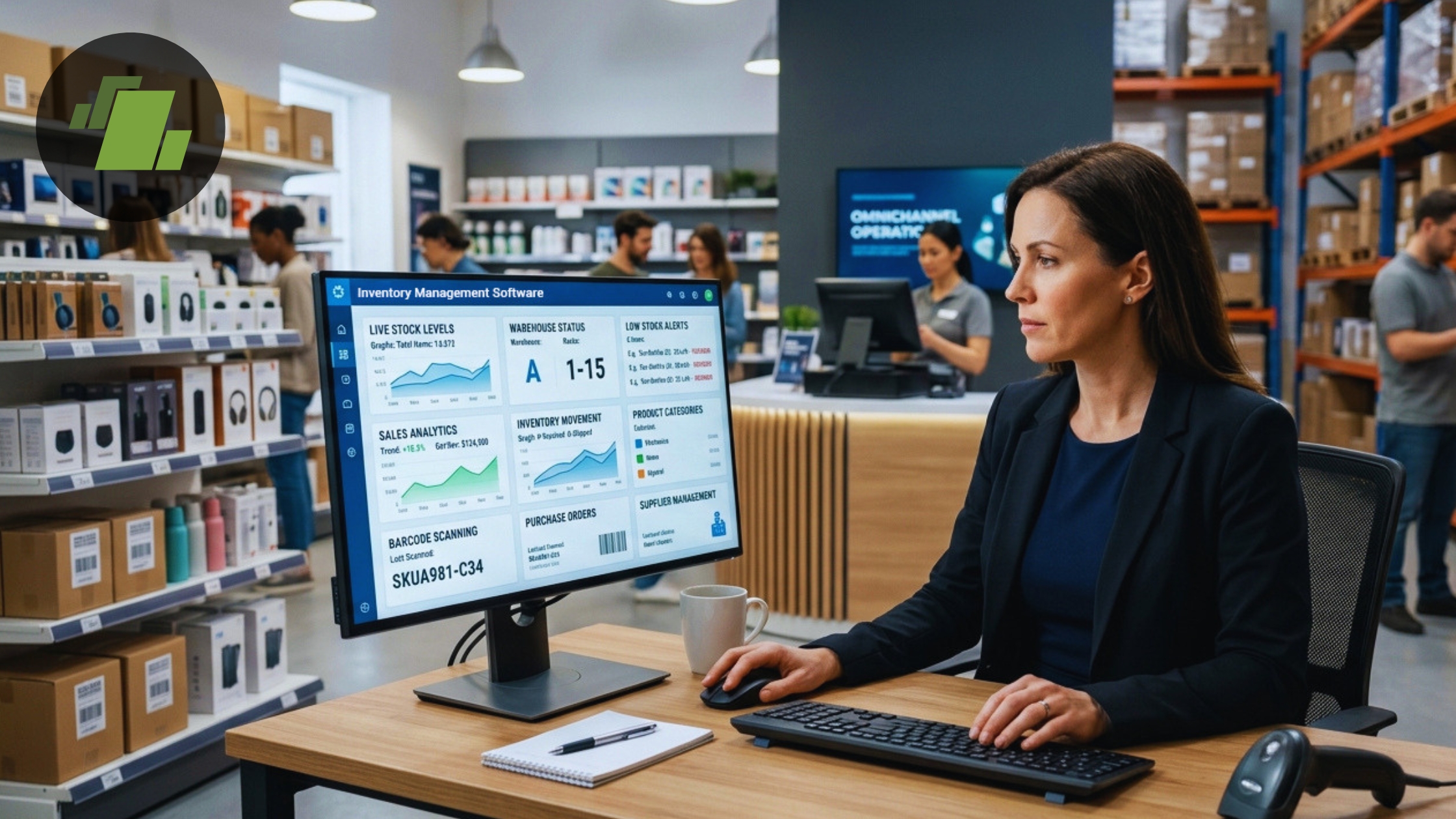
Creating an effective inventory management system is the first step toward building a smarter and more profitable retail business. Advanced inventory management software helps retailers monitor stock movement, track product availability, manage purchase orders, and analyze inventory performance in real time.
Retailers using automated retail ERP software can gain complete visibility into inventory operations while improving inventory accuracy, reducing operational costs, and streamlining daily business processes.
Here are four powerful inventory management techniques that can help improve your retail business performance and optimize inventory control.
1. Inventory Cost Control – Reduce Inventory Expenses and Improve Profitability
Inventory cost control is one of the most important aspects of retail inventory management. Excess inventory increases warehouse costs, blocks working capital, and creates dead stock problems, while inventory shortages lead to lost sales and dissatisfied customers.
Retail businesses need to maintain the right inventory balance to ensure products are available without increasing unnecessary inventory investment.
Efficient inventory management helps businesses reduce inventory carrying costs, improve stock turnover, and maintain smoother retail operations.
How Inventory Cost Control Improves Retail Operations
A strong inventory cost control strategy helps retailers:
- Reduce inventory holding costs
- Improve warehouse space utilization
- Increase cash flow efficiency
- Minimize stock wastage
- Prevent product obsolescence
- Improve stock turnover rates
Retailers that optimize inventory costs can improve overall profitability while maintaining better stock availability for customers.
Ways to Reduce Inventory Costs
Negotiate Better Vendor Terms
Retailers can reduce procurement expenses by negotiating better pricing, discounts, and delivery terms with suppliers.
Improve Purchase Planning
Using inventory management software helps businesses forecast demand more accurately and purchase inventory based on actual sales trends.
Avoid Overstocking and Understocking
Real-time inventory tracking helps retailers maintain balanced stock levels and avoid excess or insufficient inventory situations.
Monitor Slow-Moving Inventory
Inventory analytics help identify products that are not performing well so retailers can clear excess stock through promotions or discounts.
Use Real-Time Inventory Visibility
Modern inventory software provides live inventory updates that help businesses make smarter purchasing and replenishment decisions.
By implementing proper inventory cost control strategies, retailers can reduce operational expenses while improving inventory efficiency and profitability.
2. Optimize Inventory Levels with Automated Inventory Management Software
Automation has become essential for modern retail businesses. Managing inventory manually is time-consuming and increases the chances of errors, inaccurate stock records, and operational inefficiencies.
Automated inventory management software simplifies inventory operations by tracking inventory movement in real time and automating repetitive tasks such as replenishment, stock updates, and purchase management.
Retailers using inventory automation can maintain optimal inventory levels without investing excessive time and manpower.
Why Inventory Automation is Important
Manual inventory management often creates challenges such as:
- Delayed stock updates
- Human data entry errors
- Inventory mismatches
- Slow stock replenishment
- Poor warehouse coordination
- Inaccurate inventory reports
Automated inventory management systems solve these problems by centralizing and automating inventory processes.
How Automated Inventory Management Software Helps Retailers
Automated Replenishment
Inventory software automatically generates stock alerts and replenishment recommendations based on predefined reorder levels and sales trends.
Real-Time Inventory Tracking
Retailers can monitor stock movement instantly across stores, warehouses, and online channels.
Barcode and RFID Integration
Barcode scanning improves inventory accuracy and speeds up stock handling processes.
Faster Warehouse Operations
Automation improves warehouse productivity by streamlining stock transfers, picking, packing, and inventory verification.
Multi-Store Inventory Management
Retailers can synchronize inventory across multiple locations from a centralized platform.
Benefits of Automated Inventory Management
Businesses implementing inventory automation can:
- Improve inventory accuracy
- Reduce manual workload
- Improve stock replenishment speed
- Increase operational efficiency
- Enhance customer experience
- Reduce inventory losses
- Improve order fulfillment accuracy
Automated inventory management software helps retailers simplify complex inventory operations while supporting long-term business growth.
3. Manage Your Retail Inventory Efficiently with ERP Software
Modern retail businesses require more than basic inventory tracking. As operations expand across multiple stores, warehouses, and sales channels, retailers need centralized systems that connect inventory with billing, purchasing, accounting, warehouse management, and supply chain operations.
Retail ERP software helps businesses manage all retail operations from a single platform while improving inventory visibility and operational coordination.
ERP inventory management systems provide retailers with complete control over inventory movement and stock performance.
How ERP Software Improves Inventory Management
Centralized Inventory Control
Retailers can monitor inventory across all locations through a unified dashboard.
Real-Time Stock Visibility
ERP software updates inventory records instantly after every purchase, sale, return, or stock transfer.
Improved Warehouse Management
Retailers can optimize warehouse operations through better stock organization and faster inventory movement.
Integrated Purchasing and Sales Management
Inventory data automatically syncs with sales and procurement modules, improving accuracy and reducing manual work.
Better Reporting and Analytics
Retailers gain access to detailed inventory reports, sales analytics, and product performance insights.
Advantages of ERP-Based Inventory Management
Retail ERP software helps businesses:
- Avoid stock replenishment issues
- Improve inventory planning
- Increase sales opportunities
- Improve operational productivity
- Reduce inventory discrepancies
- Improve supply chain coordination
- Enhance decision-making through real-time reports
Retailers using ERP inventory systems can scale operations more efficiently while maintaining accurate inventory control.
4. Empower Your Retail Business with Data-Driven Inventory Management
Data-driven inventory management allows retailers to make smarter inventory decisions based on real-time business insights and customer demand patterns.
Retail businesses generate large volumes of inventory and sales data every day. Modern inventory management software transforms this data into actionable insights that help retailers improve purchasing decisions, optimize stock planning, and increase sales opportunities.
Retailers using inventory analytics can reduce the risks of overstocking and stock-outs while improving customer satisfaction.
How Inventory Data Helps Retailers Improve Sales
Identify Fast-Moving Products
Retailers can identify top-selling products and maintain sufficient stock levels during high-demand periods.
Reduce Excess Inventory
Inventory analytics help businesses monitor slow-moving products and reduce unnecessary inventory accumulation.
Improve Demand Forecasting
Retailers can predict seasonal demand trends and customer buying patterns more accurately.
Optimize Product Availability
Real-time inventory insights ensure customers can always find products when they shop.
Improve Retail Decision-Making
Data-driven inventory planning helps businesses make more informed purchasing and stock allocation decisions.
Benefits of Data-Driven Inventory Management
Retailers using inventory analytics can:
- Increase sales opportunities
- Improve inventory turnover
- Reduce inventory holding costs
- Improve customer satisfaction
- Enhance inventory forecasting
- Improve operational efficiency
Data-driven inventory management enables retailers to stay competitive while responding quickly to changing customer demand.
Why Inventory Management Software is Essential for Retail Businesses
An advanced inventory management system helps retailers automate stock management, improve inventory visibility, and streamline business operations.
Modern retail inventory management software offers features such as:
- Real-time inventory tracking
- Barcode integration
- Warehouse management
- Multi-store inventory control
- Automated stock replenishment
- Batch and expiry tracking
- Purchase and supplier management
- Inventory reporting and analytics
- Cloud-based inventory management
Retail businesses using inventory management software can improve efficiency, reduce costs, and enhance customer experiences.
Why Choose LOGIC ERP Inventory Management Software?
LOGIC ERP Inventory Management Software helps retailers automate inventory operations, optimize stock levels, and improve overall retail efficiency.
Key features of LOGIC ERP include:
- Real-time inventory visibility
- Automated inventory management
- Multi-store and warehouse inventory control
- Barcode and RFID integration
- Inventory analytics and reporting
- Supply chain management
- Cloud-based ERP capabilities
- Seamless retail billing integration
LOGIC ERP enables retailers to reduce inventory costs, improve stock accuracy, streamline operations, and drive retail growth through intelligent inventory automation.
Read More: What Is Inventory Control? Complete Guide to Methods, Types, Techniques, Systems, & Benefits
Conclusion
Effective inventory management is essential for achieving retail business success. Retailers that fail to manage inventory efficiently often struggle with stock shortages, excess inventory, operational inefficiencies, and declining customer satisfaction.
By implementing these four inventory management techniques inventory cost control, inventory automation, ERP-based inventory management, and data-driven inventory planning retailers can improve stock accuracy, reduce operational costs, optimize inventory levels, and maximize profitability.
Modern inventory management software and retail ERP solutions help businesses gain real-time inventory visibility, automate business processes, and make smarter inventory decisions.
Investing in advanced retail inventory management software like LOGIC ERP can help retailers streamline operations, improve inventory efficiency, and build a smarter, more profitable retail business.
Call at +91-73411-41176/75 or send us an email at sales@logicerp.com to book a free demo today!
Frequently Asked Questions (FAQs)
1. What is inventory management in retail?
Inventory management in retail is the process of tracking, organizing, storing, and managing stock to ensure products are available at the right time while avoiding overstocking and stock shortages.
2. Why is inventory management software important for retailers?
Inventory management software helps retailers automate stock tracking, improve inventory accuracy, reduce manual errors, optimize stock levels, and streamline daily retail operations.
3. How does automated inventory management improve retail efficiency?
Automated inventory management simplifies tasks such as stock replenishment, barcode tracking, purchase management, and warehouse operations, helping retailers save time and improve productivity.
4. What are the benefits of using ERP software for inventory management?
ERP software provides centralized inventory control, real-time stock visibility, better warehouse management, integrated billing and purchasing, and advanced reporting for smarter retail decision-making.
5. How does LOGIC ERP Inventory Management Software help retail businesses?
LOGIC ERP helps retailers automate inventory operations, manage multi-store inventory, improve stock accuracy, optimize replenishment, and enhance overall retail efficiency through advanced ERP capabilities.