Lower DOH Value to Enable Steady Retail Inventory Flow

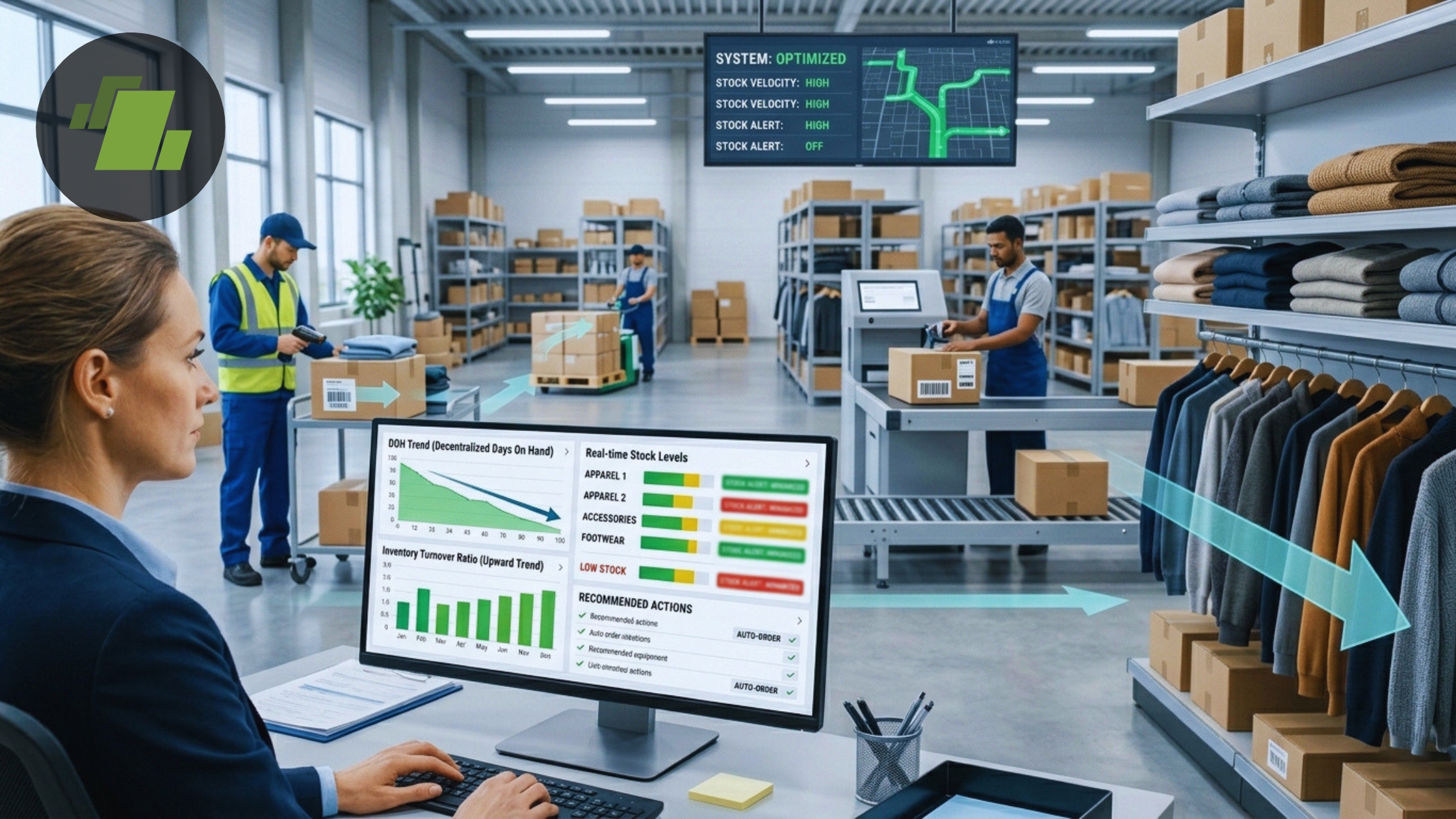
What is Inventory Days on Hand (DOH), and why is it important for your retail business? It measures how long inventory stays in stock before being sold, helping you evaluate efficiency. A low DOH indicates faster sales and better cash flow, while a high DOH suggests overstocking and blocked capital. How can you improve it? By optimizing stock ordering, running promotions, and using real-time tracking. With solutions like LOGIC ERP, can you automate inventory management and reduce excess stock? Yes, while also improving efficiency and profitability.
For every retail business, inventory acts as the backbone of operations, directly influencing sales performance, customer experience, and cash flow. When inventory is poorly managed, it can lead to overstocking, stockouts, blocked capital, and dissatisfied customers. On the other hand, efficient inventory management ensures smooth operations, better demand fulfillment, and higher profitability.
One of the most important metrics to evaluate inventory performance is Inventory Days on Hand (DOH); a critical indicator of how efficiently your stock is moving.
What is Inventory Days on Hand (DOH)?
Inventory Days on Hand (DOH), also known as Days of Sales Inventory, measures the average number of days a product remains in your inventory before being sold.
In simple terms, it shows how long your investment in inventory stays locked before generating revenue.
- Low DOH → Indicates fast-moving inventory, better liquidity, and efficient stock management
- High DOH → Indicates slow-moving or stagnant inventory, leading to inefficiencies and financial strain
Why this matters:
A high DOH doesn’t just mean slow sales it also signals:
- Increased holding and storage costs
- Higher risk of damage, expiry, or obsolescence
- Reduced ability to introduce new and trending products
Importance of Inventory Liquidity in Retail
Inventory liquidity refers to how quickly your stock can be converted into cash. It plays a crucial role in maintaining business agility and competitiveness.
Impact of Poor Inventory Liquidity:
When inventory doesn’t move efficiently:
- Customers repeatedly see the same outdated products, reducing their interest
- Shelf space is occupied by non-performing items, limiting new product display
- Working capital remains blocked, affecting purchasing power
- Competitors gain an edge by offering fresh and trending inventory
Real-World Example:
Consider a fashion retail business dealing with seasonal collections:
- With high inventory liquidity, you can:
- Quickly sell current stock
- Introduce new fashion trends
- Attract repeat customers
- Increase revenue cycles
- With low liquidity, you may:
- Get stuck with outdated styles
- Miss seasonal demand opportunities
- Lose customers to trend-focused competitors
Ultimately, inventory liquidity directly impacts customer retention and business growth.
How to Calculate Inventory DOH
Formula:
Days of Inventory on Hand = Average Inventory ÷ (Cost of Goods Sold ÷ Number of Days)
- Use 365 days for annual calculations
- Use 90 days for quarterly analysis
Understanding Average Inventory:
Average Inventory = (Opening Stock + Closing Stock) ÷ 2
- Opening Stock → Inventory available at the beginning of the period
- Closing Stock → Inventory remaining at the end of the period
This calculation gives you a balanced view of inventory levels over time, rather than relying on a single snapshot.
What Does a High DOH Indicate?
A high Inventory DOH highlights deeper operational inefficiencies:
- Overstocking Issues
Purchasing more inventory than required leads to excessive stock accumulation, tying up capital unnecessarily. - Slow Inventory Movement
Products are not selling as expected due to low demand, poor merchandising, or incorrect pricing. - Blocked Cash Flow
Money invested in inventory remains stuck, limiting your ability to invest in new products or business expansion. - Inefficient Space Utilization
Storage areas and shelves get overcrowded, affecting store presentation and operational efficiency. - Risk of Dead Stock
Items may become obsolete, damaged, or unsellable over time, leading to losses.
How to Improve Inventory Days on Hand
If your DOH is higher than ideal, here are detailed strategies to optimize it:
Optimize Stock Ordering with Data Insights
Avoid overstocking by making data-driven purchasing decisions:
- Analyze historical sales patterns
- Identify fast-moving vs slow-moving products
- Plan inventory based on seasonal demand
- Avoid bulk buying without demand validation
This ensures you maintain optimal stock levels without excess accumulation
Implement Smart Inventory Replenishment
Modern retail software like LOGIC ERP retail management software enables:
- Automated reorder point settings
- Demand-based stock replenishment
- Intelligent stock allocation across stores
This reduces manual errors and ensures you restock only when necessary, preventing overstocking.
Run Strategic Promotions & Discount Campaigns
Excess inventory can be effectively managed through:
- Limited-time discount offers
- Combo deals or bundle pricing
- Seasonal clearance sales
- Loyalty-based promotions
These strategies help:
- Increase sales velocity
- Attract price-sensitive customers
- Free up warehouse and shelf space
Identify & Liquidate Dead Stock Early
Regularly review inventory to identify non-performing items:
- Mark slow-moving products early
- Offer clearance pricing before they become obsolete
- Donate or liquidate unsellable goods
This prevents long-term losses and improves overall inventory health.
Leverage Real-Time Inventory Tracking
With real-time inventory visibility using LOGIC ERP, you can:
- Monitor stock levels across multiple locations
- Track item-wise performance instantly
- Identify trends and demand fluctuations
- Make quick, informed business decisions
Real-time tracking ensures proactive inventory management instead of reactive fixes
How LOGIC ERP Helps Optimize Inventory DOH
LOGIC ERP retail software is designed to give retailers complete control over inventory operations:
- Advanced inventory analytics & reporting
- Automated stock replenishment system
- Multi-store inventory synchronization
- Demand forecasting & trend analysis
- Customizable dashboards for better decision-making
With these capabilities, retailers can:
- Reduce excess inventory
- Improve stock turnover
- Maintain optimal inventory levels
- Enhance profitability
Conclusion
Inventory Days on Hand is more than just a metric; it’s a strategic tool that defines your retail success.
By actively managing and optimizing your DOH:
- You improve cash flow
- Enhance customer satisfaction
- Stay competitive with fresh inventory
- Maximize business profitability
With the right approach and powerful tools like LOGIC ERP, you can transform your inventory into a high-performing asset that drives consistent growth.
Call at +91-73411-41176 or send us an email at sales@logicerp.com to book a free demo today!
Frequently Asked Questions (FAQs)
1. What is an ideal Inventory DOH for retail?
An ideal DOH varies by industry, but generally:
- 30–60 days is considered healthy for most retail businesses
2. How does DOH impact cash flow?
Higher DOH means money is stuck in inventory, while lower DOH ensures faster cash conversion cycles.
3. Can DOH be reduced without affecting stock availability?
Yes, by using accurate demand forecasting and smart replenishment, you can maintain optimal stock while reducing excess.
4. How does LOGIC ERP improve inventory efficiency?
LOGIC ERP helps by:
- Providing real-time inventory insights
- Automating stock management
- Improving demand forecasting
- Reducing manual errors