Common Grocery Store Challenges Solved by Retail Software
Summary
Retail software streamlines grocery store operations by automating billing, inventory, and compliance, reducing costs and improving accuracy. It also enhances customer satisfaction through faster checkouts, better stock availability, and smarter business insights.
Introduction
Running a grocery store today is no longer just about keeping shelves full and counters moving. Store owners deal with constant pressure to manage inventory accurately, process billing quickly, control shrinking margins, and stay compliant with GST and other regulations. With hundreds or even thousands of products moving daily, manual tracking often results in stock mismatches, expired items, billing mistakes, and lost revenue. At the same time, customers expect faster checkouts, multiple digital payment options, and a smooth in-store experience.
To keep up with these demands, grocery retailers are increasingly turning to grocery retail software and grocery billing software. These solutions help automate everyday operations, provide real-time visibility into stock and sales, ensure compliance, and support smarter decision-making, making retail software an important part of running a profitable and scalable grocery business today.
Top Challenges Faced by Grocery Stores Today
-
Manual Operations and Lack of Real-Time Visibility
Many grocery stores still depend on basic billing systems to manage billing, inventory, and sales reports. This results in delayed data updates, stock mismatches, and limited visibility into real-time inventory levels and daily sales performance. Without real-time insights, store owners struggle to track fast-moving items, identify slow stock, or respond quickly to demand changes, leading to inefficiencies and revenue loss.
-
Thin Profit Margins and Rising Competition
Grocery retail operates on extremely thin margins, where even small inefficiencies can impact profitability. Rising supplier costs, frequent discounting, and increasing competition from supermarkets, online grocery platforms, and quick-commerce apps put constant pressure on pricing and profits. Without accurate cost tracking and margin analysis, grocery stores find it difficult to optimize pricing and maintain sustainable growth.
-
Managing Thousands of SKUs Daily
From packaged food and fresh produce to household essentials, grocery stores handle a vast number of SKUs every day. Each product may have different pricing, tax slabs, batch numbers, and expiry dates. Managing this volume manually increases the risk of errors, expired stock, incorrect pricing, and inventory imbalance, making daily operations time-consuming and error-prone.
-
Customer Expectations for Fast Checkout and Digital Payments
Today’s customers expect quick, hassle-free shopping experiences. Long billing queues, slow checkout processes, or limited payment options can quickly lead to frustration. With the growing preference for UPI, cards, and digital wallets, grocery stores must support multiple payment modes and fast barcode billing to meet customer expectations and retain loyalty.
Inventory Management Challenges in Grocery Stores
Effective inventory management is one of the biggest operational challenges for grocery stores due to high product volumes, fast stock movement, and short shelf life. Without the right systems in place, even small inventory gaps can lead to revenue loss and poor customer experience.
1. Frequent Stock-Outs and Over-Stocking
One of the most common grocery inventory management challenges is maintaining the right stock balance. Stock-outs result in missed sales and frustrated customers who may shift to competitors, directly affecting customer trust and store loyalty. On the other hand, over-stocking leads to excess capital being tied up in slow-moving or unsold products. This creates dead inventory, increases storage costs, and ultimately reduces profitability. Finding the right balance manually is difficult, especially for fast-moving grocery items.
2. Expiry Date & Batch Tracking Issues
Grocery stores deal extensively with FMCG products that have limited shelf life. Without proper expiry date and batch tracking, products often expire on shelves, leading to significant financial losses. Manual tracking of batch numbers and expiry dates is time-consuming and prone to errors, increasing the risk of selling expired items or missing timely clearance opportunities. This not only impacts revenue but can also damage brand reputation and customer trust.
3. Lack of Real-Time Stock Visibility
Many grocery stores lack a centralized system that provides real-time stock visibility across billing counters or multiple store locations. This makes it difficult to know actual stock availability at any given moment. Without real-time data, store owners struggle with inaccurate replenishment, delayed decision-making, and inconsistent stock levels across outlets, further worsening inventory inefficiencies.
How Retail Software Solves Inventory Management Problems
Modern grocery retail software plays an important role in bringing accuracy, visibility, and control to inventory operations. By automating stock movement and providing real-time insights, it helps grocery stores reduce losses, improve availability, and operate more efficiently.
-
Real-Time Inventory Tracking
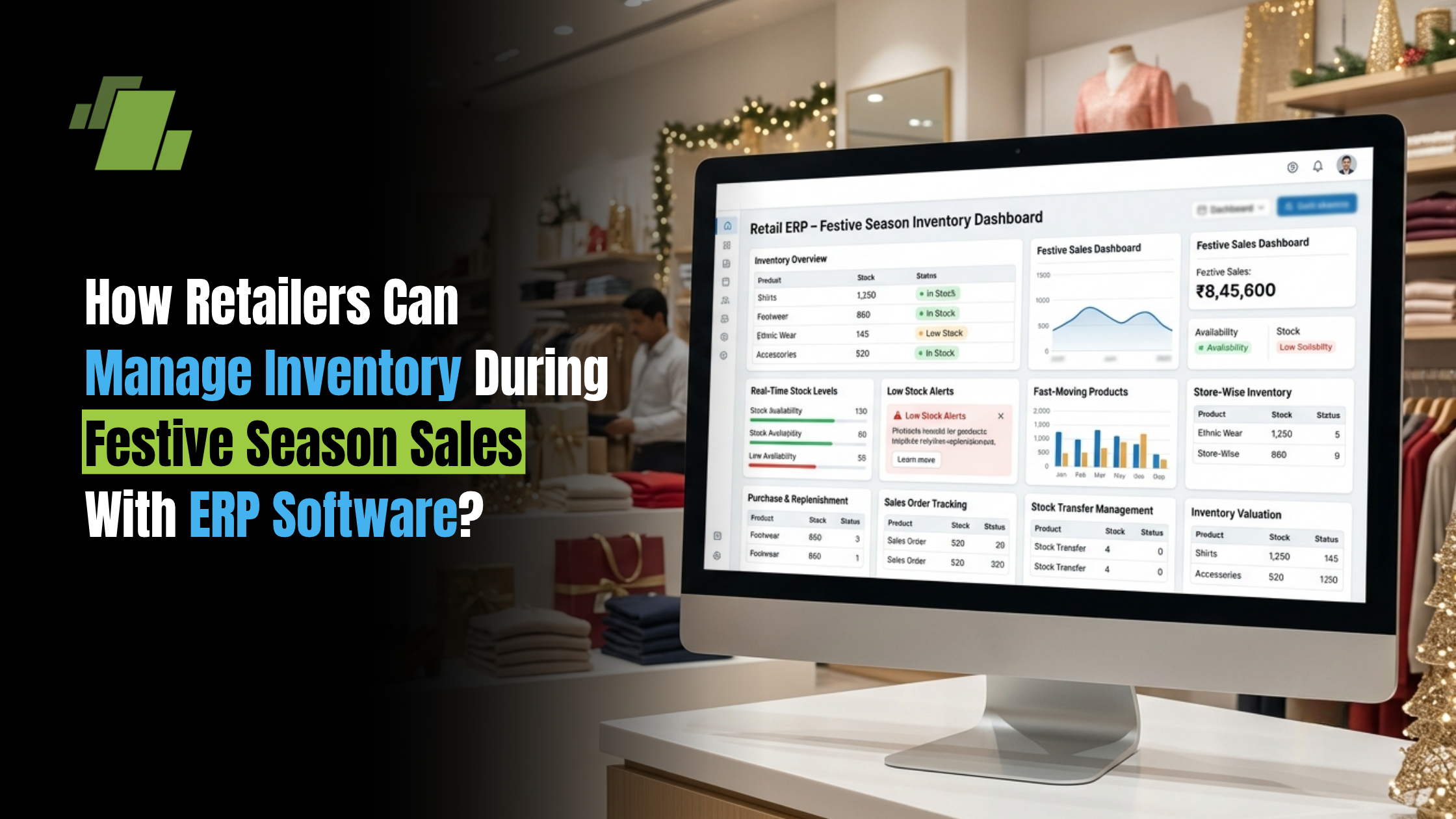
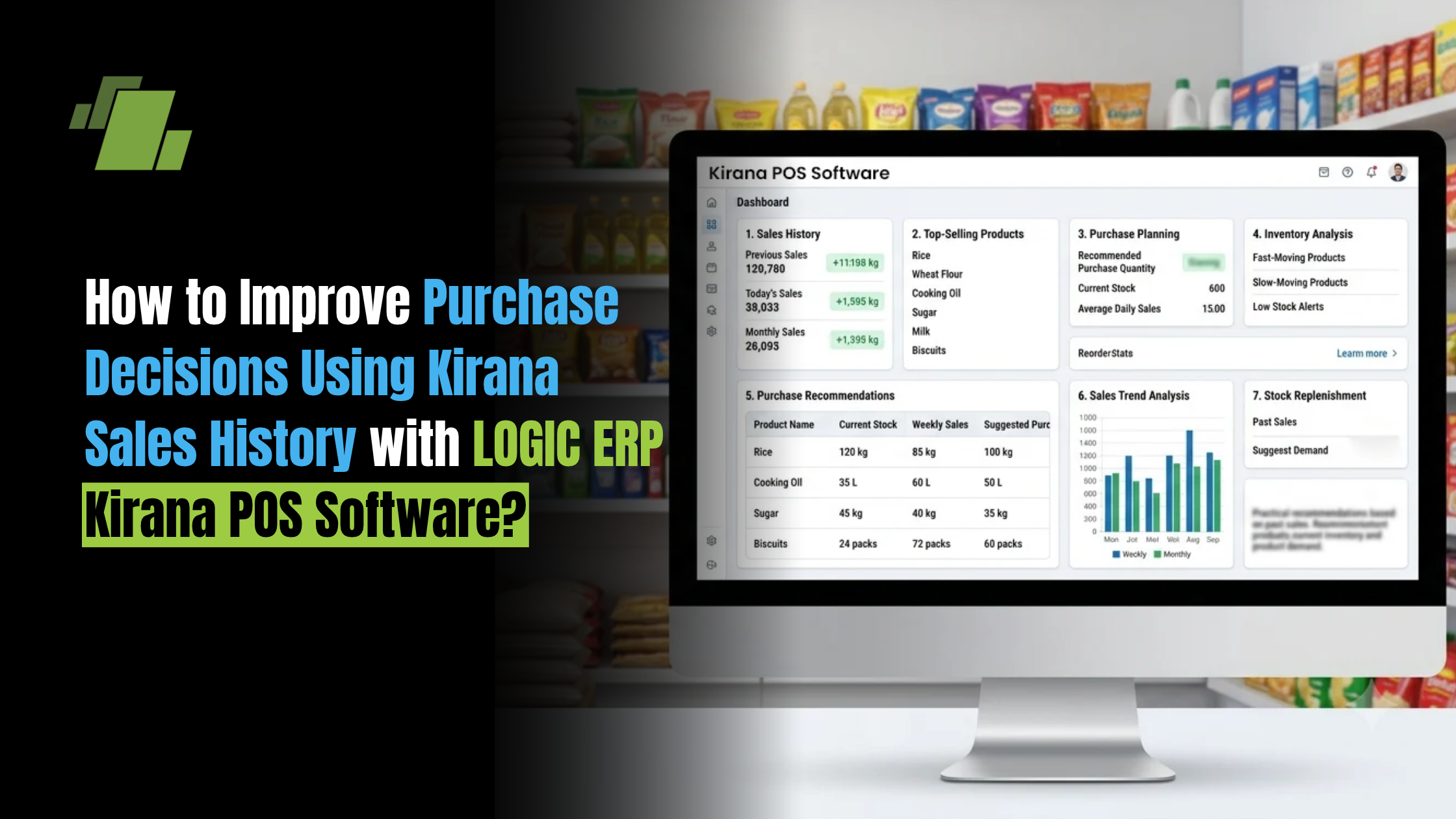
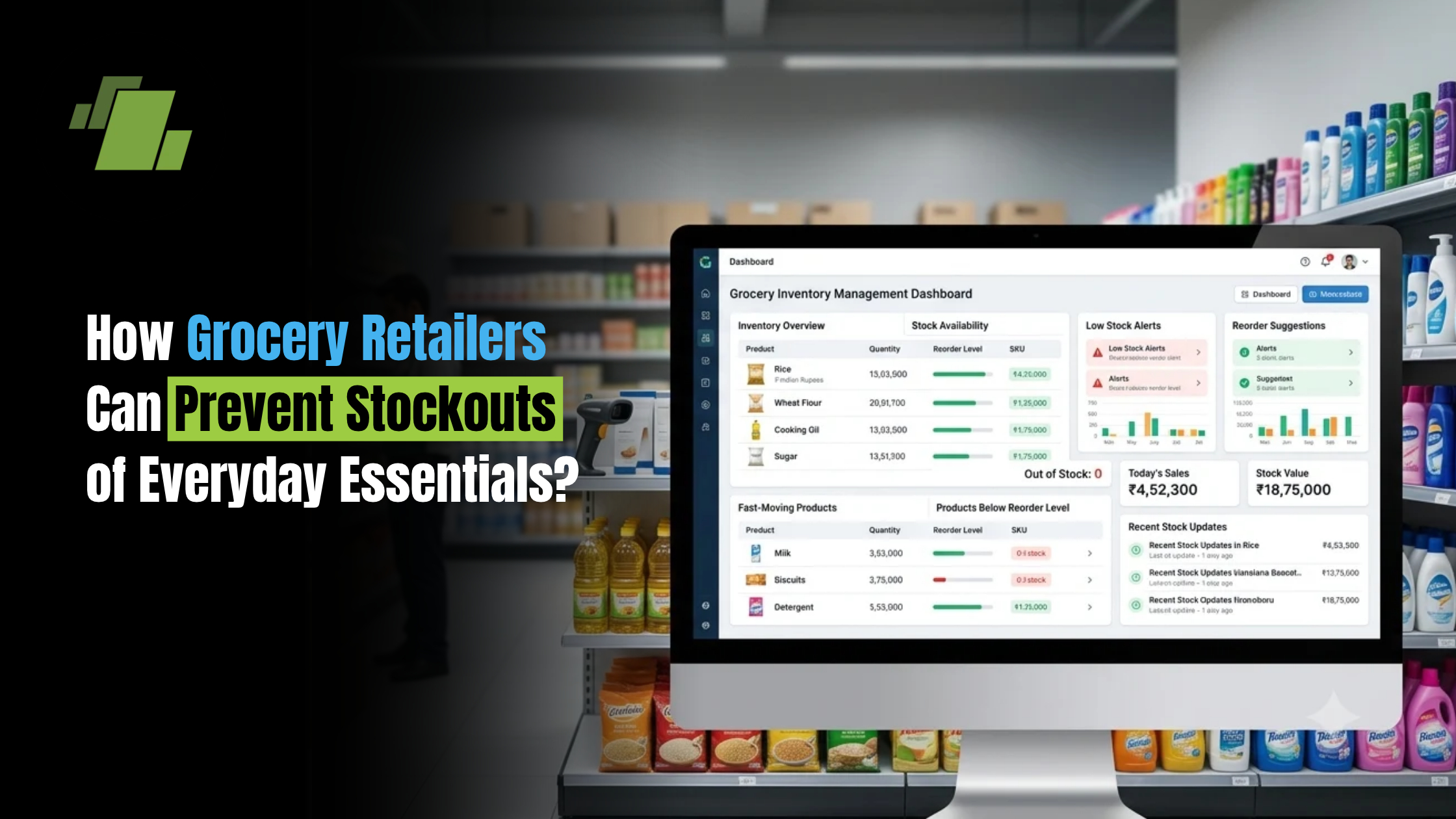
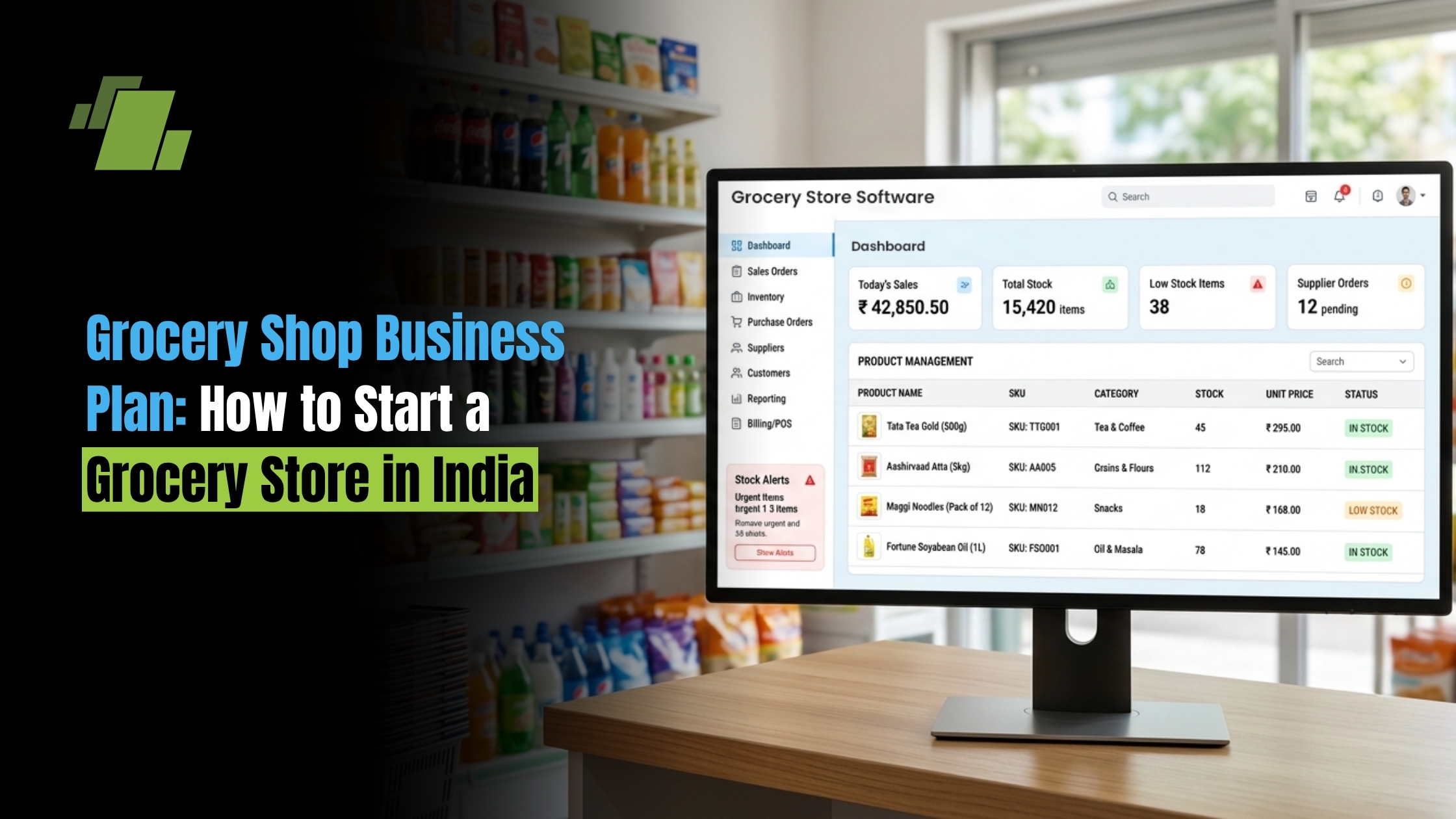
With grocery retail software, inventory levels are updated instantly with every sale, return, or stock transfer. This ensures live stock visibility at all times, eliminating guesswork in daily operations. A centralized inventory dashboard allows store owners and managers to monitor stock across counters or multiple outlets from a single view, making it easier to track fast-moving items, identify slow stock, and plan replenishment more effectively.
-
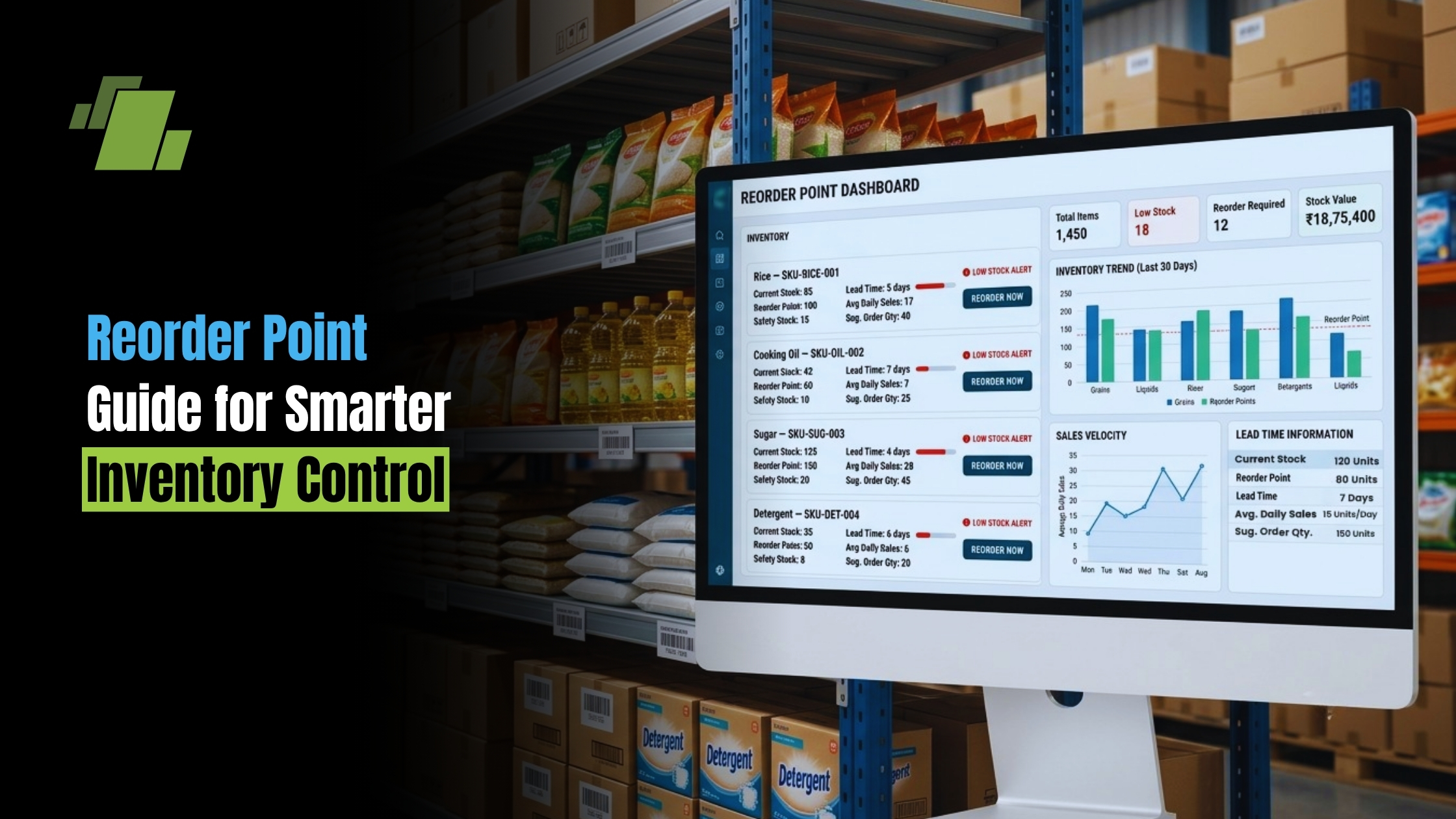
Automated Reorder Levels & Alerts
Retail software enables grocery stores to set minimum and maximum stock levels for each product based on sales patterns and demand trends. When stock reaches the reorder point, the system automatically triggers alerts or purchase suggestions, ensuring timely replenishment. This smart, demand-based approach reduces human dependency, minimizes manual monitoring, and helps prevent both stock-outs and over-stocking.
-
Expiry & Batch Management Automation
Managing expiry-sensitive FMCG products becomes simpler with automated batch and expiry tracking. Grocery retail software follows FIFO (First In, First Out) or FEFO (First Expiry, First Out) logic to ensure older or near-expiry stock is sold first. Automated alerts notify staff about products approaching expiry, allowing timely discounts, transfers, or returns, helping reduce wastage and protect margins.
Billing and Checkout Challenges in Grocery Stores
Billing and checkout are important parameters to consider in a grocery store, directly impacting customer satisfaction and repeat visits. However, many grocery retailers continue to face persistent billing challenges due to outdated systems and manual processes.
1. Slow Billing and Long Checkout Queues
During peak hours, slow billing systems often lead to long checkout queues, creating congestion at billing counters. Manual item entry and delayed price lookups increase transaction time, frustrating customers who expect quick service. These delays not only impact the overall shopping experience but also result in abandoned purchases and lost sales, especially during high-footfall periods.
2. Billing Errors
Basic billing systems increases the risk of incorrect pricing, wrong tax application, and calculation mistakes. Errors such as missed discounts, incorrect offers, or inaccurate totals can lead to customer disputes and loss of trust. Over time, frequent billing mistakes also affect revenue accuracy and complicate reconciliation and reporting.
3. Limited Payment Options
Many grocery stores still rely heavily on cash-based transactions or offer limited digital payment methods. This cash dependency slows down checkout and fails to meet the growing demand for UPI, cards, and digital wallets. Missing out on digital payment convenience not only impacts customer satisfaction but can also reduce impulse purchases and overall sales.
How Retail Software Improves Grocery Billing Efficiency
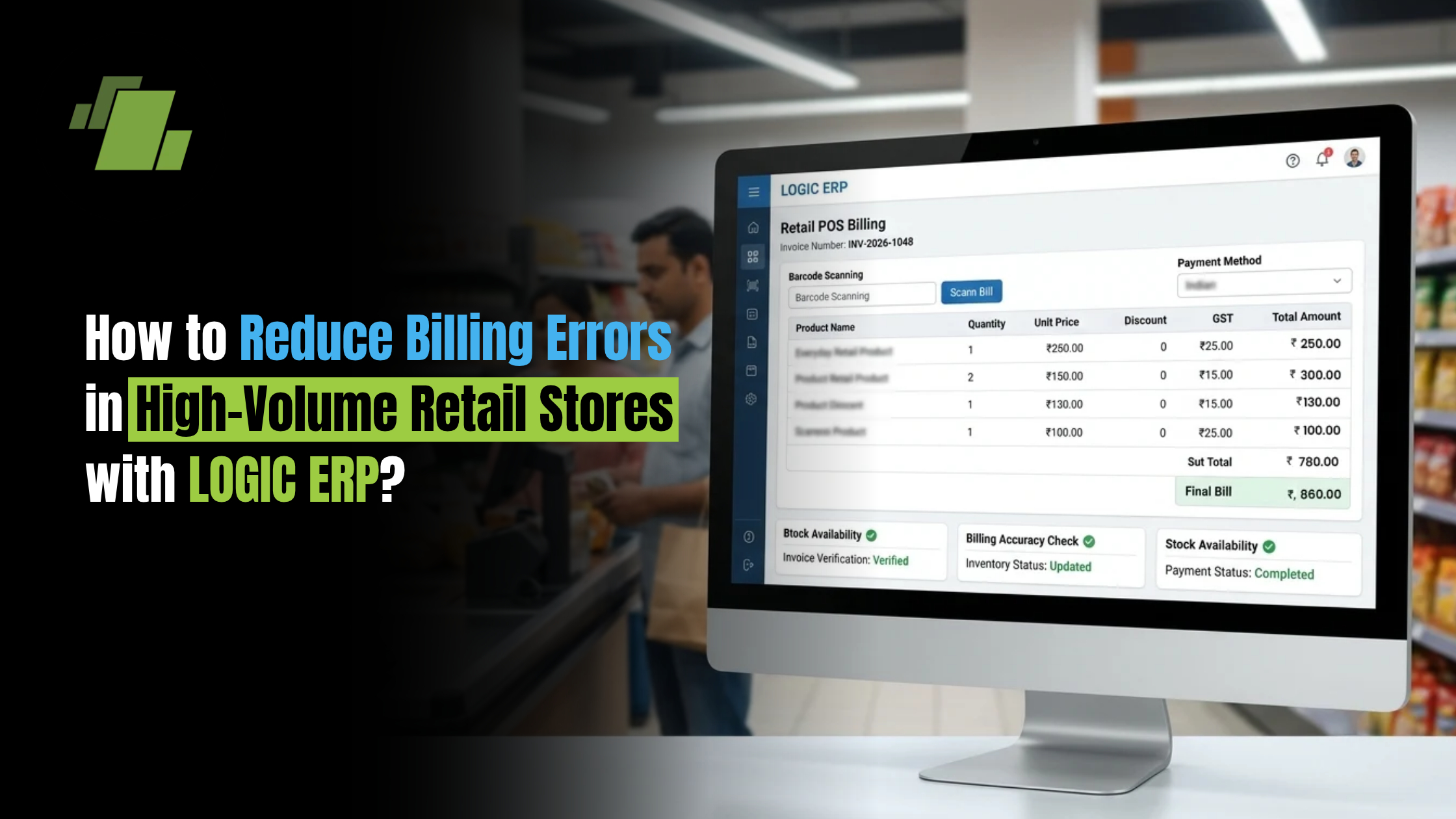
Modern grocery billing software implementation helps to streamline checkout operations, reduce errors, and deliver a faster, more convenient experience for both customers and staff. By automating key billing processes, retail software helps grocery stores handle high transaction volumes with ease.
-
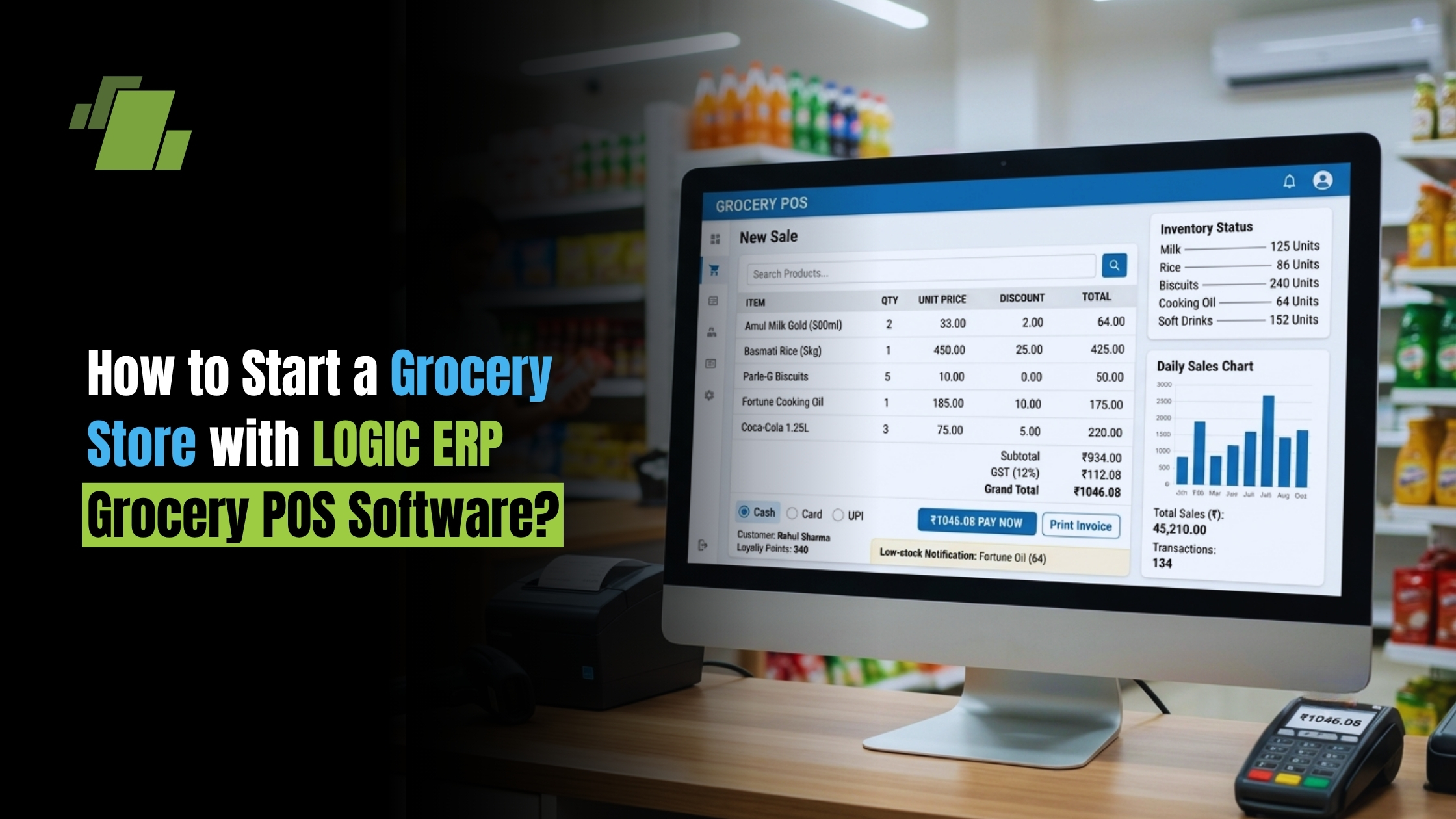
Fast Barcode-Based Billing
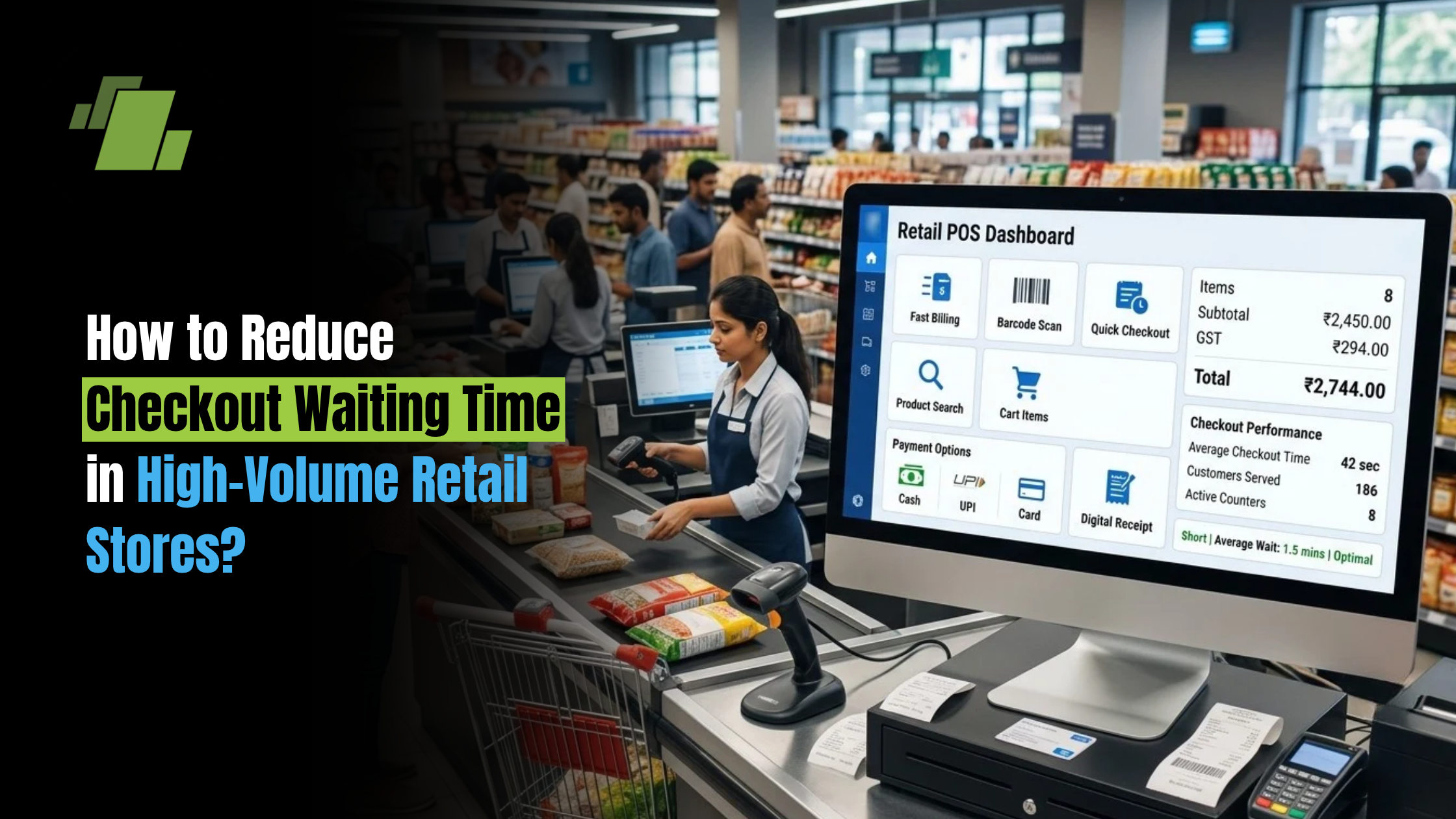
Barcode-based billing significantly speeds up the checkout process by allowing quick scanning of products instead of manual item entry. This improves accuracy at the billing counter, reduces pricing errors, and shortens transaction time. Faster checkouts help manage peak-hour rush more efficiently, minimize queues, and enhance overall customer satisfaction.
-
Multiple Payment Mode Integration
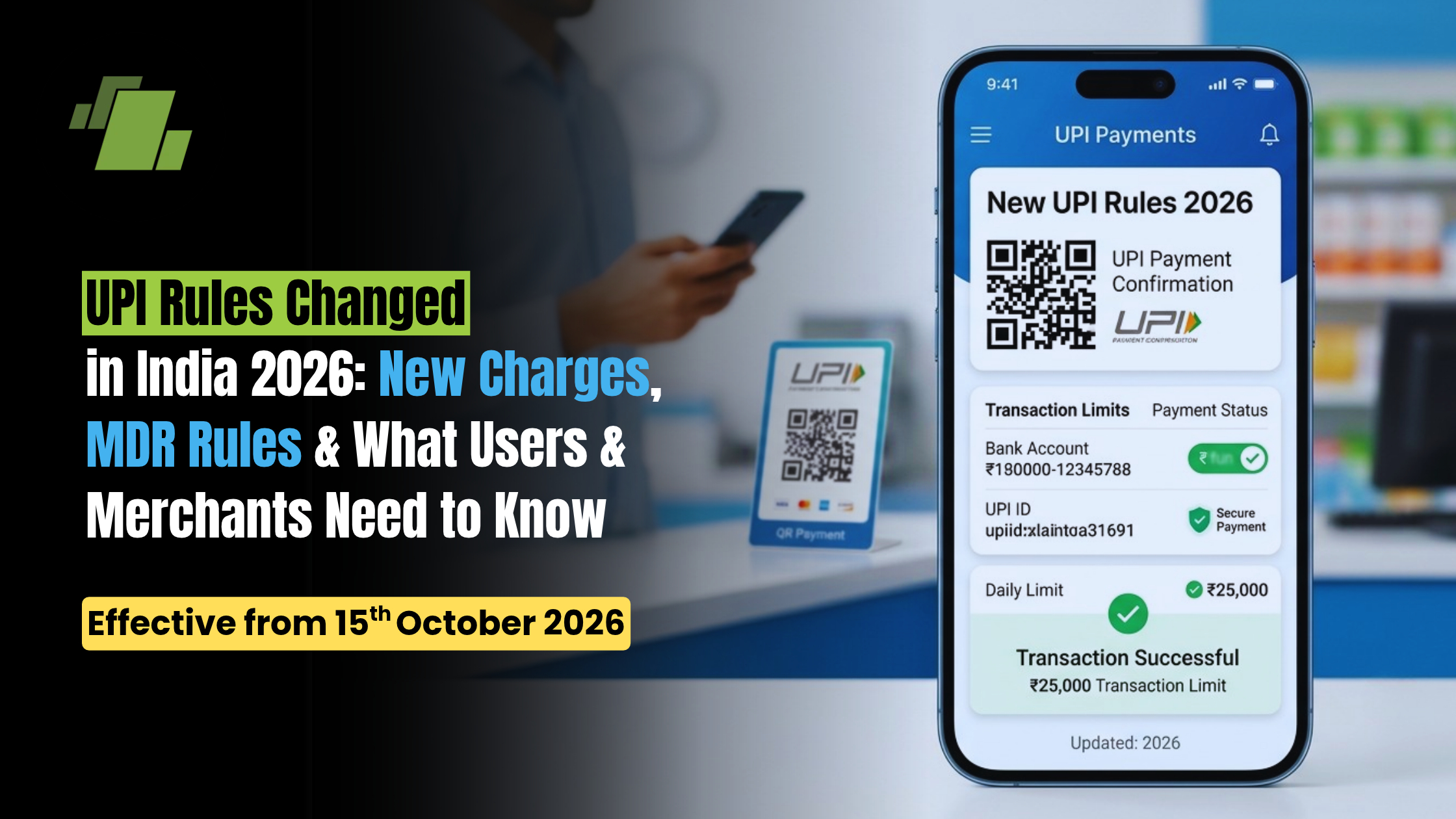
Grocery billing software supports multiple payment modes, including UPI, debit and credit cards, digital wallets, and cash. This flexibility allows customers to choose their preferred payment method, ensuring smoother transactions. Integrated payment systems also enable seamless reconciliation by automatically matching payments with sales data, reducing manual effort and accounting discrepancies.
-
Digital Invoices & Customer Records
With digital invoicing, grocery stores can move towards paperless billing while maintaining accurate transaction records. Digital invoices make it easier to manage returns and refunds, as purchase history can be accessed instantly. Maintaining customer records also helps improve service quality and supports loyalty programs and personalized offers.
GST Compliance & Accounting Challenges
GST compliance is one of the most important yet complex aspects of running a grocery store. With frequent transactions, multiple product categories, and varying tax rates, managing GST manually often becomes a time-consuming and error-prone process.
-
Complex GST Calculations
Grocery stores deal with multiple GST tax slabs across different products, making accurate tax calculation challenging when handled manually. Applying the wrong tax rate, missing GST on certain items, or calculation errors can lead to compliance issues and financial discrepancies. Manual billing systems increase the risk of such errors, which can result in penalties, incorrect filings, and strained relationships with accountants and auditors.
-
Filing & Reporting Difficulties
Monthly GST filing requires accurate sales, purchase, and tax data compiled in prescribed formats. When records are maintained manually or across disconnected systems, generating GST reports becomes time-consuming and stressful. Delays or inaccuracies in reporting can disrupt monthly compliance schedules, increase dependency on manual reconciliation, and expose grocery stores to regulatory risks.
How Retail Software Simplifies GST & Accounting
Managing GST and accounting manually can quickly become overwhelming for grocery stores due to high transaction volumes and multiple tax rates. Retail software simplifies these processes by automating tax calculations, reporting, and financial integration.
1. Automated GST Calculation
Retail software automatically applies the correct GST rate to every product and generates accurate tax values on each invoice. This eliminates calculation errors, ensures compliance with current GST rules, and reduces dependency on manual checks, helping grocery stores avoid penalties and mismatches.
2. Ready-to-Use GST Reports
With built-in GST reporting, retail software generates ready-to-file reports such as GSTR-1, GSTR-3B, and detailed sales and purchase registers. These reports can be accessed instantly, saving time during monthly filings and making audits smoother and stress-free.
3. Seamless Accounting Integration
Retail software integrates stock management, billing, and accounting into a single system. This unified approach ensures accurate financial records, simplifies reconciliation, and provides better control over revenue, expenses, and profitability.
Customer Experience Challenges in Grocery Stores
Customer experience plays a major role in grocery store success, yet many stores struggle to meet growing expectations due to operational inefficiencies.
1. Long Waiting Time
Slow billing processes and crowded checkout counters lead to long waiting times, especially during peak hours. A poor checkout experience frustrates customers and increases the likelihood of abandoned purchases and lost repeat business.
2. No Loyalty or Personalization
Without loyalty programs or customer data, grocery stores miss opportunities to retain customers. Lack of personalized offers and rewards results in low engagement and reduced customer retention in a highly competitive market.
How Retail Software Enhances Customer Experience
Retail software helps grocery stores deliver faster, smoother, and more personalized shopping experiences that encourage customer loyalty.
1. Faster Checkout & Reduced Queues
Barcode-based billing and optimized POS systems speed up transactions and reduce queues at checkout counters. Faster billing improves store efficiency and ensures a hassle-free shopping experience for customers.
2. Loyalty Programs & Offers
Retail software enables stores to create loyalty programs with reward points, discounts, and promotional offers. These incentives encourage repeat purchases and help build long-term customer relationships.
3. Purchase History & Personalized Deals
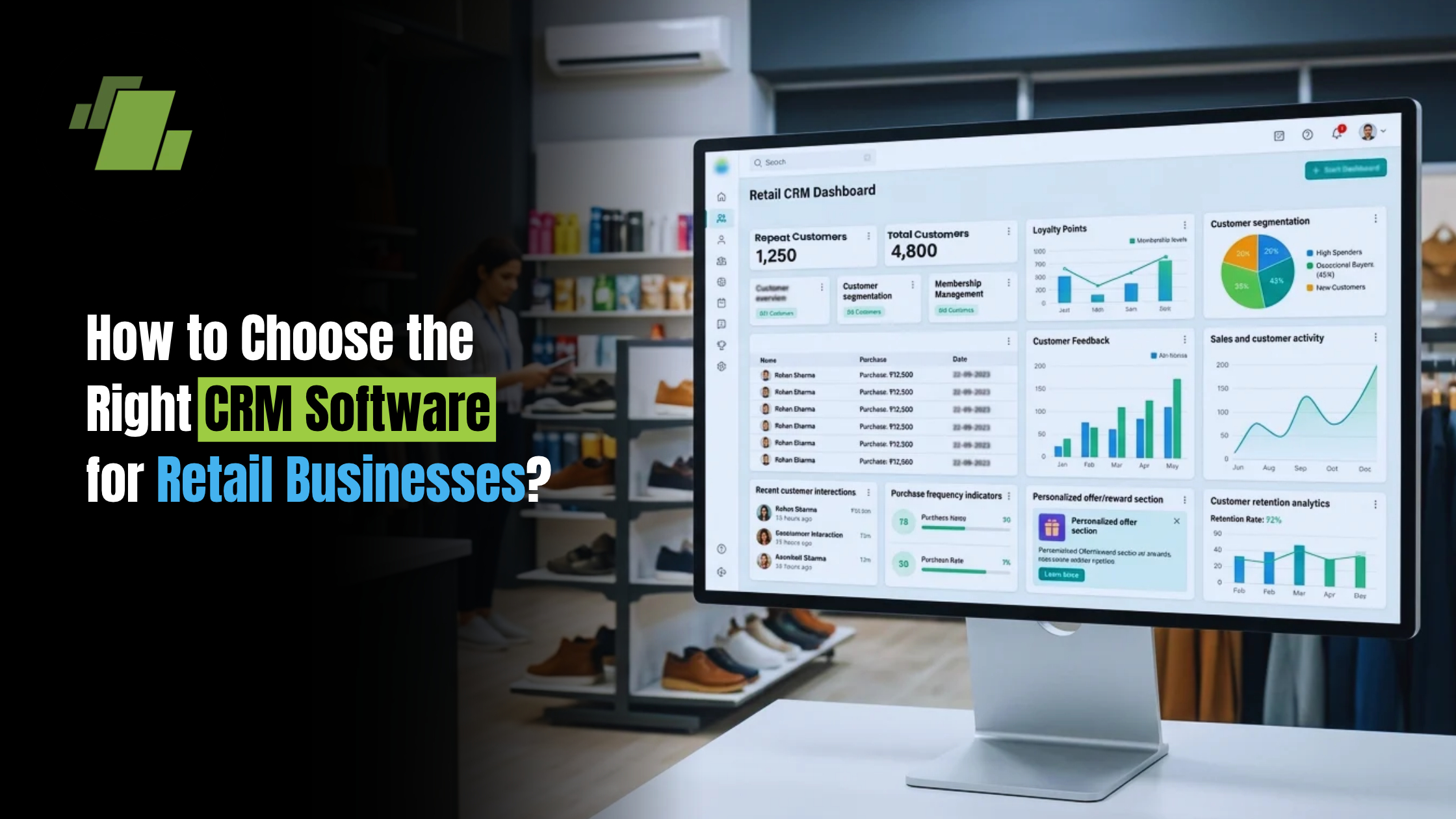
By tracking customer purchase history, retail software allows stores to offer personalized discounts and product recommendations. This targeted approach improves customer engagement and increases average basket value.
Multi-Store & Scalability Challenges
As grocery businesses expand, managing operations across multiple outlets becomes increasingly complex without the right systems.
1. Decentralized Data
Without centralized control, data remains scattered across stores, making it difficult to track sales, inventory, and performance accurately. This lack of visibility limits control over operations and growth.
2. Inconsistent Pricing & Stock
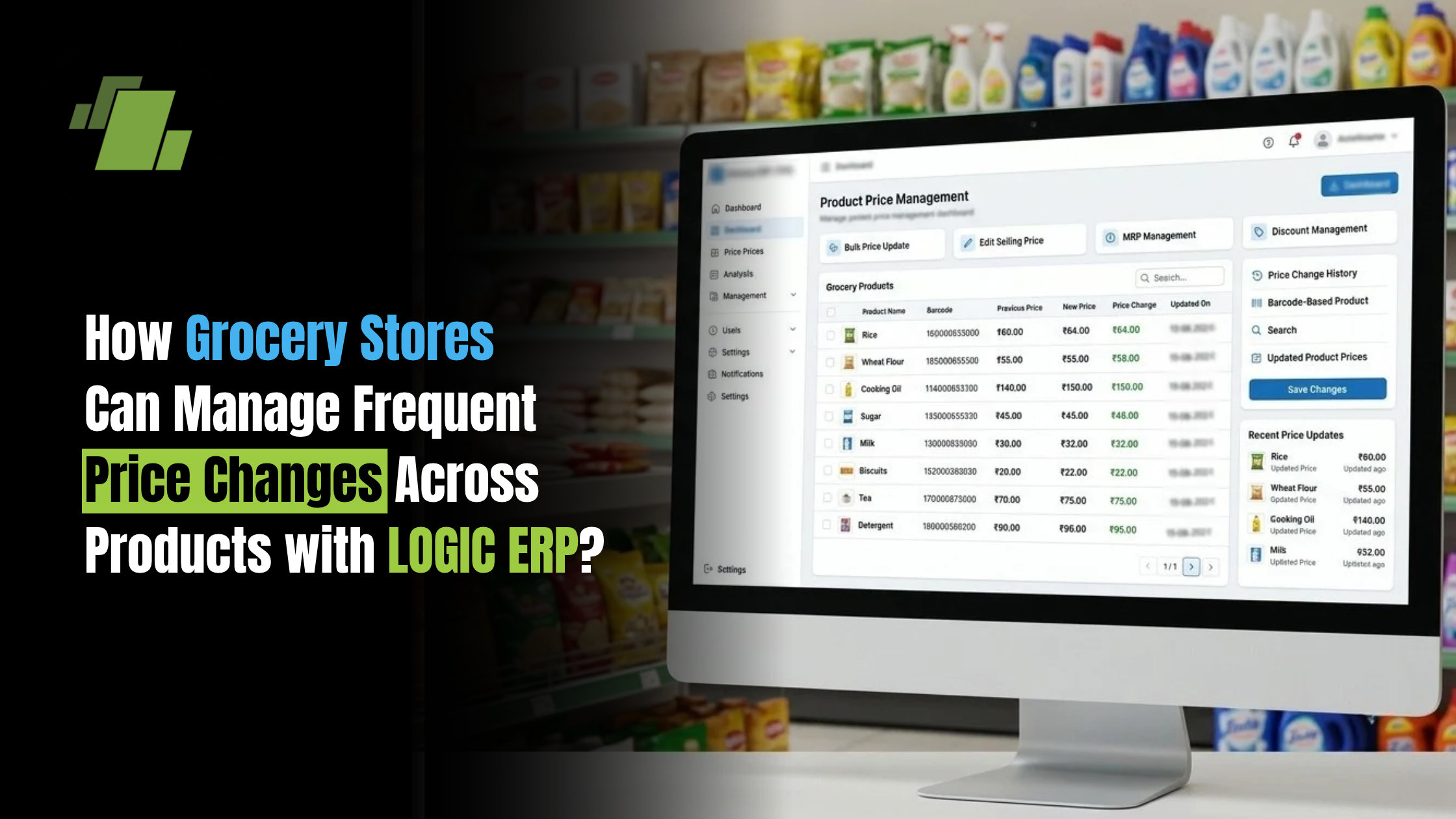
Different pricing structures and uneven stock distribution across outlets create confusion and inefficiencies. Inconsistent inventory availability can negatively impact both sales and customer satisfaction.
How Retail Software Enables Grocery Store Growth
Retail software provides the foundation grocery stores need to scale operations smoothly and profitably.
1. Centralized Multi-Store Management
With a unified control panel, retail software allows store owners to manage inventory, pricing, and operations across all outlets from one system. This ensures consistency, better control, and easier expansion.
2. Data-Driven Decision Making
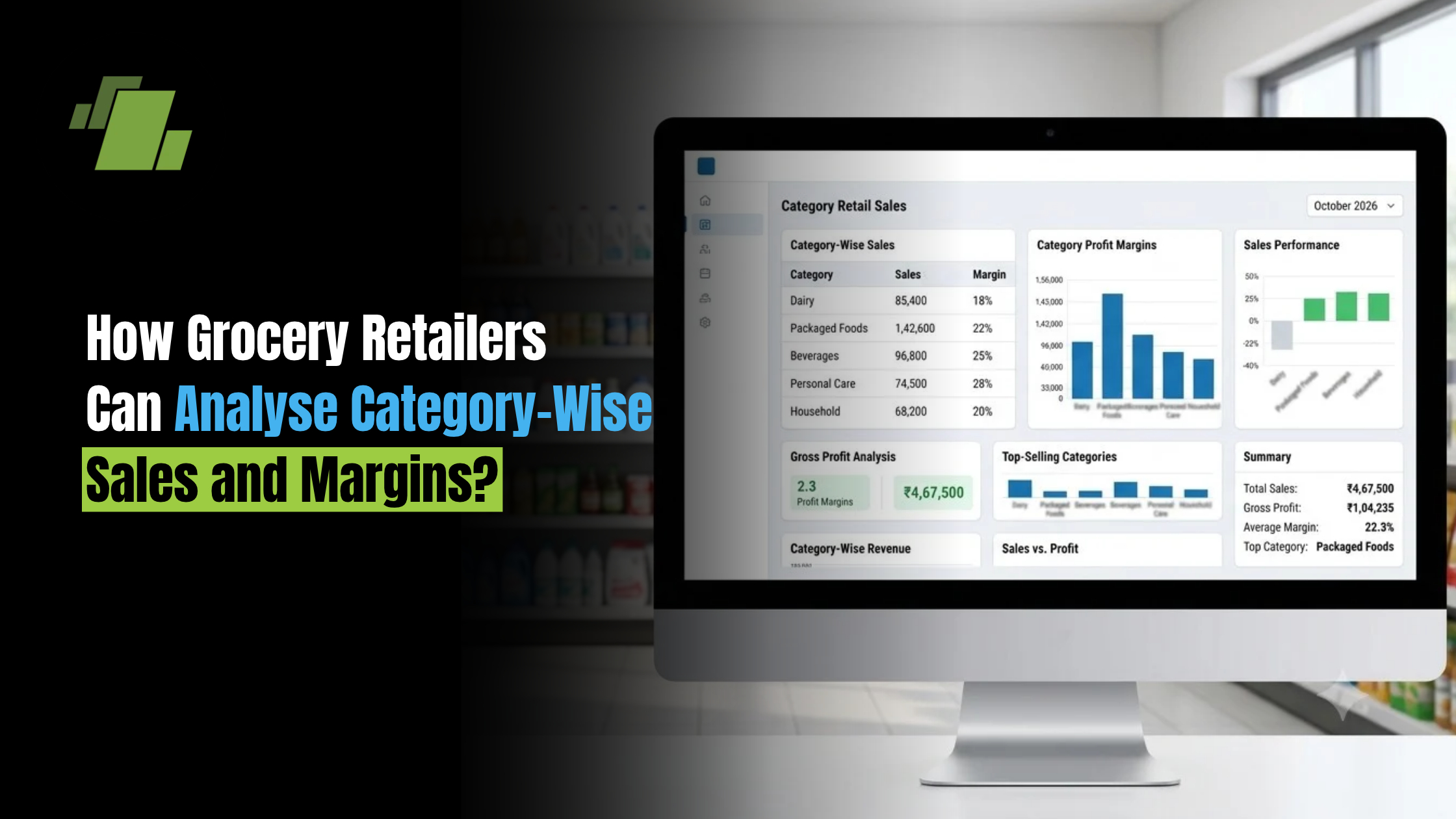
Advanced analytics and reports provide insights into sales trends, profit margins, and demand patterns. These data-driven insights help grocery retailers make informed decisions, optimize inventory, and plan growth strategies with confidence.
Benefits of Using Retail Software for Grocery Stores
Retail software delivers end-to-end operational efficiency for grocery stores by automating important processes and providing real-time business visibility. Below are the key benefits that directly impact daily operations and long-term growth.
1. Reduced Operational Costs
Retail software minimizes dependency on manual processes, reducing human errors, rework, and time spent on routine tasks. Automated inventory management, billing, and reporting help cut losses caused by expired stock, incorrect pricing, and inefficient purchasing—leading to lower overall operating costs.
2. Improved Profit Margins
With real-time insights into sales performance, stock movement, and product-wise margins, grocery store owners can make informed pricing and procurement decisions. Better control over inventory levels, reduced wastage, and optimized discounts directly contribute to healthier profit margins.
3. Faster Billing and Inventory Accuracy
Barcode-based billing and real-time stock updates ensure quick checkout and accurate inventory records. Faster transactions reduce customer wait times, while precise stock data helps prevent stock-outs and over-stocking, keeping operations smooth and reliable.
4. Better Compliance and Reporting
Retail software simplifies GST compliance by automating tax calculations and generating ready-to-use reports such as sales registers and GST returns. Accurate reporting reduces compliance risks, saves time during audits, and ensures financial transparency.
5. Enhanced Customer Satisfaction
Efficient billing, multiple payment options, loyalty programs, and personalized offers create a better shopping experience. Faster service and consistent availability of products improve customer trust, encourage repeat visits, and strengthen long-term customer relationships.
Why is LOGIC ERP the best grocery retail billing software for stores and shops?
LOGIC ERP is purpose-built for the unique needs of grocery stores, supermarkets, and FMCG retailers. It combines powerful billing, inventory management, GST compliance, and accounting into a single, integrated platform. With fast barcode-based billing, real-time stock updates, batch and expiry tracking, and multi-payment support, LOGIC ERP helps grocery stores operate efficiently even during high-volume sales periods.
Its centralized dashboard provides complete visibility across single or multiple outlets, while detailed reports and analytics support data-driven decision-making. Scalable, reliable, and backed by industry experience, LOGIC ERP empowers grocery retailers to grow confidently while maintaining control over operations and profitability.
Conclusion
Running a successful grocery store today requires more than traditional billing and manual inventory tracking. From managing thousands of SKUs and ensuring GST compliance to meeting customer expectations for fast checkout and digital payments, the challenges are complex and constant. Retail software addresses these challenges by automating operations, improving accuracy, and providing real-time business insights. With LOGIC ERP, grocery stores can streamline processes, reduce losses, improve customer experience, and build a strong foundation for sustainable growth in an increasingly competitive retail ecosystem.
Call at +91-73411-41176 or send us an email at sales@logicerp.com to book a free demo today!
Frequently Asked Questions (FAQs)
1. What is grocery retail software?
Grocery retail software is a digital solution that helps manage billing, inventory, GST compliance, accounting, and customer data for grocery stores and supermarkets.
2. How does grocery billing software improve checkout speed?
Grocery billing software uses barcode scanning and automated pricing to speed up transactions, reduce errors, and minimize checkout queues during peak hours.
3. Is GST compliance included in grocery retail software?
Yes, modern grocery retail software includes automated GST calculation, invoicing, and ready-to-use reports like GSTR-1 and GSTR-3B for easy compliance.
4. Can retail software manage expiry and batch tracking?
Yes, advanced retail software supports batch-wise inventory management, expiry tracking, and FIFO/FEFO methods to reduce wastage and losses.
5. Is LOGIC ERP suitable for small grocery shops as well as large supermarkets?
Yes, LOGIC ERP is scalable and suitable for single-store grocery shops, multi-store supermarkets, and growing retail chains.