How Billing Automation Reduces Operational Costs in Supermarkets

Introduction
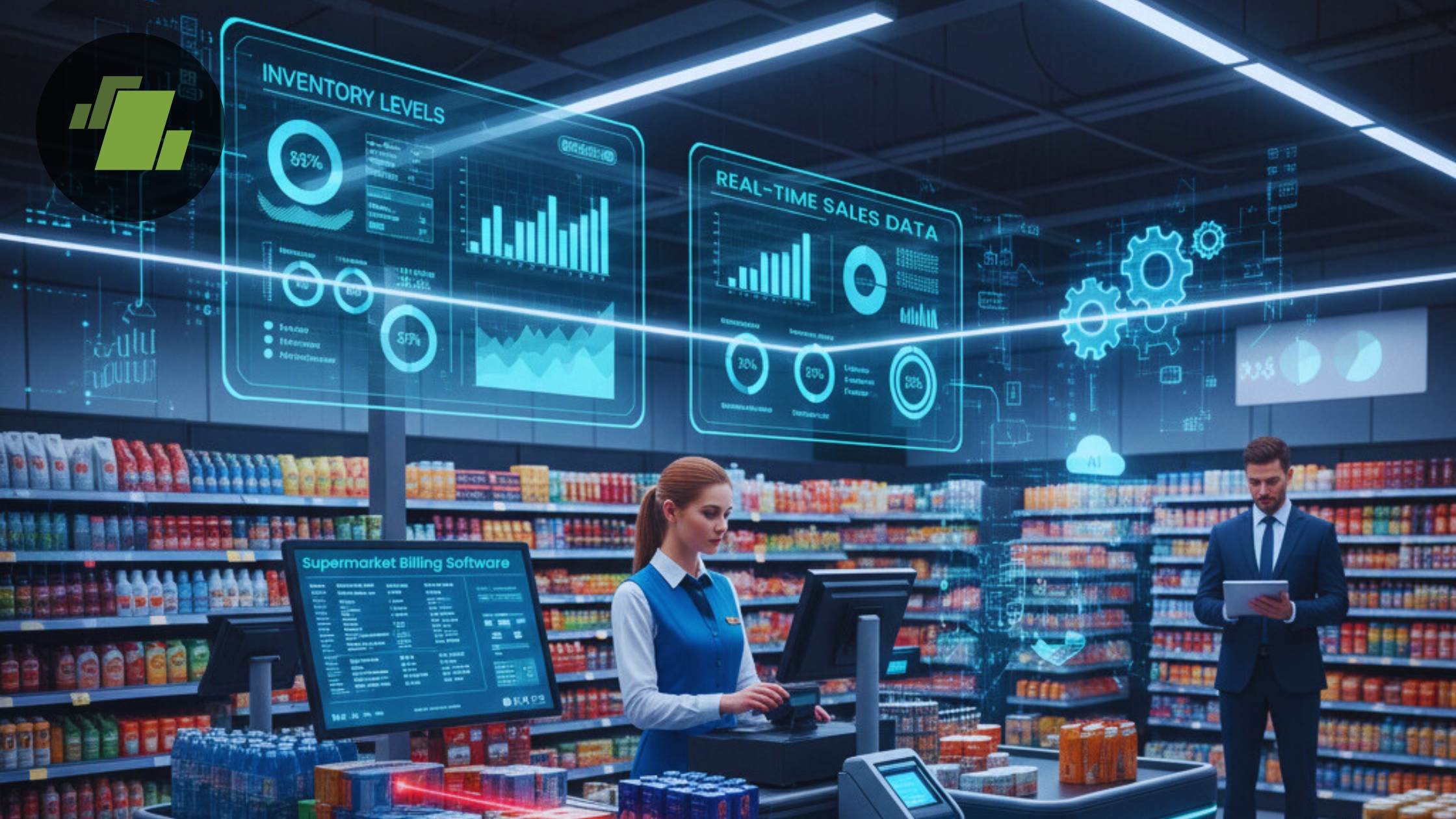
Supermarkets operate on thin profit margins, high transaction volumes, and complex inventory systems. In such a competitive retail environment, reducing operational costs without compromising customer experience is important. One of the most effective ways supermarkets are achieving this is through billing automation powered by LOGIC ERP supermarket retail software.
From automated checkout systems to integrated POS software, billing automation in supermarkets streamlines operations, reduces human errors, and significantly lowers labor and administrative expenses. In this article, we’ll explore how billing automation reduces operational costs in supermarkets, why it aligns with modern retail trends, and how it strengthens long-term profitability.
What is Billing Automation in Supermarkets?
Billing automation refers to the use of automated billing systems, smart POS (Point of Sale) software, barcode scanners, and self-checkout kiosks to process transactions efficiently with minimal manual intervention.
Modern billing automation systems include:
- Cloud-based POS systems
- Barcode and QR code scanners
- Self-checkout machines
- Automated invoice generation
- Integrated inventory management
- Real-time sales reporting
- Digital payment processing
By replacing time taking billing processes with automated solutions, supermarkets can reduce inefficiencies and optimize day-to-day operations.
Key Ways Billing Automation Reduces Operational Costs
Billing automation reduces operational costs in supermarkets by streamlining checkout processes, lowering dependency on manual labor, minimizing billing errors, and improving inventory accuracy. Automated POS systems process transactions faster, reduce the need for large cashier teams, and eliminate costly pricing mistakes that can impact profit margins. By integrating billing with real-time inventory management and financial reporting, supermarkets can avoid overstocking, prevent stockouts, and cut administrative workload. These efficiencies collectively help reduce day-to-day operational expenses while maintaining consistent service quality and profitability.
1. Lower Labor Costs
Labor is one of the largest operational expenses for supermarkets. Manual billing requires multiple cashiers, supervisors, and accounting staff.
Billing automation reduces labor costs by:
- Minimizing the number of checkout staff needed
- Introducing self-checkout kiosks
- Automating invoice generation and reconciliation
- Reducing overtime during peak hours
With automated billing systems, supermarkets can reallocate employees to higher-value tasks like customer assistance and merchandising instead of repetitive transaction processing.
2. Reduced Human Errors and Billing Discrepancies
Manual billing increases the risk of:
- Pricing errors
- Incorrect change calculations
- Duplicate entries
- Inventory mismatches
Errors can lead to revenue loss, customer dissatisfaction, and accounting complications.
Automated supermarket billing software ensures:
- Accurate price scanning
- Automatic tax calculations
- Real-time price updates
- Error-free invoice generation
By reducing human errors, supermarkets save money otherwise lost due to refunds, disputes, and inventory inconsistencies.
3. Faster Checkout & Higher Customer Throughput
Time is money in retail. Long checkout lines can reduce customer satisfaction and limit the number of transactions processed per hour.
Billing automation improves:
- Transaction speed
- Queue management
- Peak-hour efficiency
Self-checkout systems and fast POS terminals allow supermarkets to serve more customers in less time, increasing daily revenue without increasing staff costs.
Higher customer throughput directly contributes to improved profit margins.
4. Real-Time Inventory Management
One of the hidden operational costs in supermarkets is poor inventory control.
Manual inventory tracking can cause:
- Overstocking
- Stockouts
- Wastage of perishable goods
- Capital tied up in unsold stock
Integrated billing automation systems automatically update inventory levels after each sale. This provides:
- Real-time stock visibility
- Automated reordering alerts
- Better demand forecasting
- Reduced product wastage
Accurate inventory management helps supermarkets avoid unnecessary purchases and minimize spoilage costs.
5. Improved Financial Reporting and Compliance
Supermarkets must manage taxes, vendor payments, and financial audits.
Automated billing systems generate:
- Daily sales reports
- GST/VAT-compliant invoices
- Automated tax calculations
- Profit and loss summaries
- Audit-ready financial records
This reduces the need for manual bookkeeping and external accounting services, significantly lowering administrative expenses.
6. Reduced Paper and Printing Costs
Traditional billing systems rely heavily on printed receipts and paper invoices.
Billing automation supports:
- Digital receipts via SMS or email
- Cloud-based record keeping
- Paperless invoicing
Reducing paper consumption lowers operational costs and supports sustainable retail practices, which also improves brand image.
7. Enhanced Fraud Prevention and Loss Control
Retail shrinkage due to theft, fraud, or manipulation of manual billing processes can severely impact profits.
Automated billing systems:
- Track every transaction digitally
- Monitor cashier performance
- Restrict unauthorized price changes
- Provide transaction logs for audits
By improving transparency and accountability, billing automation reduces financial leakages.
Additional Strategic Benefits of Billing Automation
In addition to reducing costs, billing automation helps supermarkets operate more strategically by providing accurate, real-time data that supports better decision-making. With integrated sales reports, customer purchase insights, and automated tracking, store owners can plan promotions more effectively, optimize product placement, and respond quickly to changing demand. It also improves the shopping experience through faster transactions and flexible payment options, helping build customer loyalty while supporting long-term business growth.
Better Customer Experience
- Faster checkout
- Multiple payment options (UPI, cards, digital wallets)
- Accurate billing
- Loyalty program integration
Happy customers are more likely to return, increasing customer lifetime value.
Data-Driven Decision Making
Modern POS systems provide insights into:
- Best-selling products
- Peak sales hours
- Customer buying patterns
- Seasonal trends
With data analytics, supermarket owners can optimize pricing strategies and promotional campaigns, further improving profitability.
ROI of Billing Automation in Supermarkets
Although implementing billing automation requires an initial investment, the return on investment (ROI) is often rapid due to:
- Reduced labor expenses
- Decreased billing errors
- Lower administrative costs
- Increased transaction volume
- Better inventory turnover
Over time, the operational efficiency gained significantly outweighs the upfront implementation costs.
How to Implement Billing Automation Successfully
To maximize operational cost savings, supermarkets should:
-
Choose Scalable POS Software
Choose scalable POS software that can adapt to your supermarket’s current needs while supporting future expansion. A reliable, cloud-based POS system should handle high transaction volumes, multiple payment methods, barcode scanning, automated tax calculations, and real-time reporting. Scalability ensures that as your supermarket grows, whether by increasing product lines or opening new branches, the billing system continues to perform efficiently without costly replacements.
-
Integrate Billing with Inventory and Accounting Systems
Integrate billing with inventory and accounting systems to create a seamless operational workflow. When your billing automation system is connected to inventory management, stock levels update automatically after every sale, reducing manual errors and preventing stock discrepancies. Integration with accounting software simplifies financial reporting, tax compliance, and daily reconciliation, ultimately lowering administrative costs and improving financial accuracy.
- Train Staff Effectively
Train staff effectively to ensure a smooth transition to automated billing processes. Employees should be comfortable using the POS system, managing digital payments, resolving minor technical issues, and assisting customers at checkout. Proper training improves efficiency, reduces operational mistakes, and enhances customer service, helping supermarkets fully leverage the benefits of billing automation technology.
-
Implement Self-checkout Strategically
Implement self-checkout strategically to maximize cost savings and improve customer flow. Instead of replacing all checkout counters at once, introduce self-checkout kiosks during peak hours or in high-traffic areas. This approach reduces long queues, lowers dependence on additional cashiers, and increases transaction speed, contributing to improved operational efficiency and customer satisfaction.
- Monitor Performance through Analytics
Monitor performance through analytics to continuously optimize supermarket operations. Modern billing automation systems provide detailed insights into sales trends, product performance, peak shopping times, and staff productivity. By analyzing this data regularly, supermarket owners can make informed decisions about pricing, promotions, staffing, and inventory management, ensuring sustained operational cost reduction and higher profitability.
The Future of Billing Automation in Supermarkets
The future of billing automation in supermarkets is being shaped by advanced retail technologies that focus on speed, accuracy, and data-driven efficiency. As competition intensifies and customer expectations continue to evolve, supermarkets are adopting smarter solutions that go beyond traditional POS systems. These emerging innovations are transforming billing automation into a fully integrated retail management ecosystem that improves operational efficiency and reduces long-term costs.
-
AI-powered Demand Forecasting
AI-powered demand forecasting is becoming a key component of modern supermarket billing systems. By analyzing historical sales data, seasonal trends, and customer purchasing behavior, artificial intelligence helps supermarkets predict demand more accurately. This reduces overstocking, prevents stockouts, minimizes product wastage, and improves inventory turnover, ultimately lowering operational costs and improving profitability.
-
Contactless Checkout
Contactless checkout solutions are also redefining the retail experience. With digital wallets, NFC-enabled cards, and QR code payments, customers can complete transactions quickly without physical contact. This not only speeds up checkout lines but also enhances convenience and safety. Faster transactions increase customer throughput, allowing supermarkets to serve more shoppers without expanding staff.
-
RFID-based Billing Systems
RFID-based billing systems represent another advancement in retail automation. Unlike traditional barcode scanning, RFID technology can scan multiple items simultaneously without direct line-of-sight. This significantly reduces checkout time and improves inventory tracking accuracy. By minimizing manual intervention and shrinkage, RFID-based billing helps supermarkets operate more efficiently.
-
Mobile Scan-and-go Solutions
Mobile scan-and-go solutions are gaining popularity as well. These systems allow customers to scan products using their smartphones while shopping and complete payment digitally. This reduces congestion at checkout counters, lowers staffing requirements, and enhances the overall shopping experience. For supermarkets, it means improved operational efficiency and reduced infrastructure strain.
-
Cloud-based Multi-store Management
Cloud-based multi-store management is empowering supermarket chains to manage multiple locations from a centralized platform. Cloud billing automation systems provide real-time sales data, inventory updates, and financial reports across all branches. This improves decision-making, ensures consistency, and reduces IT maintenance costs associated with on-premise systems.
Conclusion
Billing automation has become a practical step toward controlling costs and improving day-to-day efficiency. When supermarkets adapt automated billing systems, they can reduce staffing pressure at checkout counters, minimize pricing and calculation errors, manage inventory more accurately, and create a smoother experience for shoppers.
In a highly competitive retail market where margins are tight, even small operational improvements can make a meaningful difference. Using reliable billing automation technology helps supermarkets operate more efficiently, protect their profits, and build a stronger foundation for steady growth.
Retailers that invest in smarter, streamlined systems today are better positioned to stay competitive and meet evolving customer expectations in the years ahead. Contact our experts at +91-73411-41176 or send us an email at sales@logicerp.com to book a free demo today!
Frequently Asked Questions (FAQs)
1. How does billing automation help reduce supermarket expenses?
Billing automation reduces labor costs, minimizes errors, improves inventory control, and lowers administrative expenses, leading to overall operational cost savings.
2. Is billing automation suitable for small supermarkets?
Yes. Modern cloud-based POS systems are scalable and affordable, making billing automation accessible for small and medium-sized supermarkets.
3. What is the biggest cost-saving benefit of automated billing?
The biggest savings typically come from reduced labor costs and improved inventory management.
4. Does billing automation improve customer satisfaction?
Absolutely. Faster checkouts, accurate billing, and multiple payment options enhance the overall shopping experience.

Author
Sharanjit Ghuman
Director of Communications | LOGIC ERP Solutions Pvt. Ltd.
Leading and managing the company’s internal and external communication strategies and working closely with senior leadership to develop and execute communication plans.