Supply Chain Transformation in the Post-COVID Era: How Retailers Can Build Agility & Growth

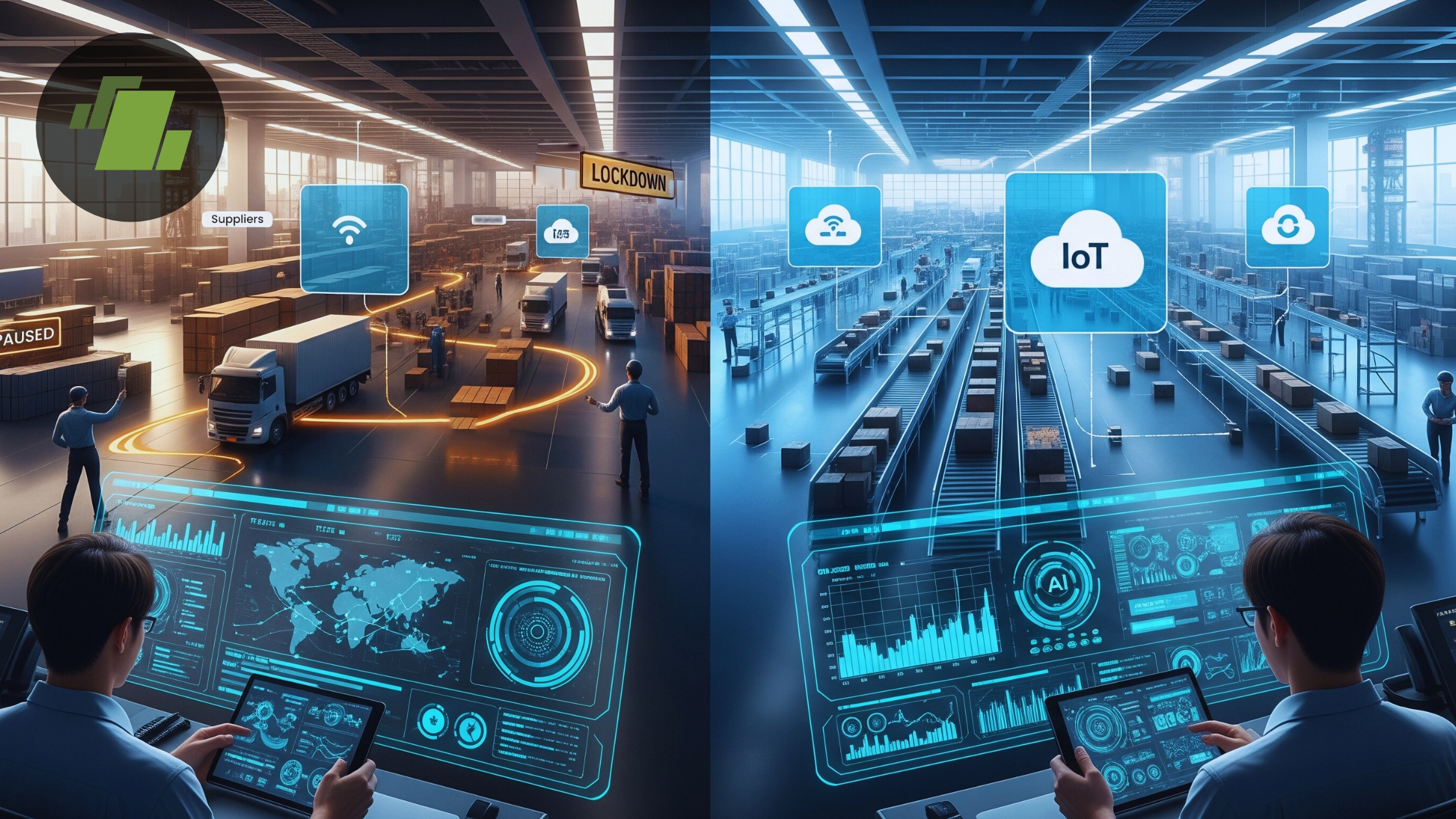
The global supply chain landscape has changed dramatically after the COVID-19 outbreak. What was once a structured process has now become more complex, unpredictable, and risk-driven. Retailers across the world are reassessing their sourcing strategies, operational risks, and technology investments to ensure business continuity and customer satisfaction.
To stay competitive, retailers must focus on supply chain transformation—adopting smarter processes, real-time visibility, and data-driven decision-making. The key lies in understanding critical focus areas that improve efficiency, reduce costs, and enhance customer experience.
Let’s explore the two most impactful areas of supply chain optimization and the strategies retailers can implement for long-term success.
1. Measuring Demand & Optimizing Inventory Management
Accurate demand forecasting and efficient inventory management are the backbone of a modern retail supply chain. With fluctuating customer behavior and increasing online purchases, demand planning has become more important than ever.
Key Phases of Demand Planning:
- Demand Shaping:
Creating demand through promotions, marketing campaigns, seasonal offers, and customer engagement initiatives. - Demand Forecasting:
Analyzing historical sales data to predict future product requirements. - Demand Sensing:
Identifying short-term market changes and responding quickly to real-time demand fluctuations.
Role of Inventory Optimization
Real-time inventory visibility enables retailers to:
- Reduce stockouts and overstocking
- Improve cash flow and space utilization
- Enhance forecasting accuracy
Modern retail ERP software analyzes multiple variables such as:
- E-commerce buying trends
- Market pricing fluctuations
- Promotional impacts
- Consumer purchasing patterns
LOGIC ERP’s cloud-based ERP solutions help retailers:
- Automate demand forecasting
- Optimize inventory based on profit margins, shelf life, and storage capacity
- Reduce forecasting cycle time
- Improve supply chain cost efficiency
2. Faster Fulfillment with Omni-Channel Supply Chains
The rapid shift towards online shopping has redefined customer expectations. Speed, accuracy, and convenience are now essential.
Traditional fulfillment models are no longer enough. Retailers must transform physical supply chains into omni-channel fulfillment networks that seamlessly serve both online and offline customers.
Benefits of Omni-Channel Fulfillment:
- Faster order processing and delivery
- Reduced operational costs
- Better inventory utilization across locations
- Improved customer satisfaction
LOGIC ERP eliminates operational silos by integrating inventory, sales, logistics, and order management—enabling retailers to fulfill digital and in-store orders efficiently from a single platform.
Four Supply Chain Strategies for Retail Success in Today’s Market
1. Adopt a Demand-Driven Supply Chain Model
Leverage real-time insights and cloud ERP technology to:
- Shape demand dynamically
- Adjust supply chains instantly
- Improve forecasting accuracy
- Respond faster to market changes
Cloud-based supply chain solutions enable predictive planning and smarter decision-making.
2. Build an Agile & Adaptive Supply Chain
Agility is essential to manage disruptions and sudden market shifts.
With integrated planning and execution, retailers can:
- Align manufacturing, procurement, and inventory in real time
- Improve operational flexibility
- Reduce lead times
LOGIC ERP connects materials planning, financial management, inventory control, and procurement into one unified system for faster and smarter operations.
3. Align Supply Chain with Business Goals
Integrating supply chain operations with corporate planning ensures:
- Better risk management
- Improved budget control
- Stronger performance tracking
By linking Sales & Operations Planning (S&OP) with strategic business planning, retailers gain a closed-loop system that connects forecasting, execution, and performance analysis.
4. Introduce Sustainability into Supply Chain Operations
Sustainable supply chains are no longer optional—they are essential for long-term growth.
Retailers should focus on:
- Energy efficiency
- Waste reduction
- Responsible sourcing
- Real-time supply chain visibility
Using shared data models and ERP-driven analytics helps monitor sustainability metrics while improving operational efficiency.
Conclusion: Transform Your Supply Chain with LOGIC ERP
Supply chain transformation is no longer a choice—it’s a necessity for retailers aiming to thrive in today’s dynamic market. From accurate demand planning and inventory optimization to faster omni-channel fulfillment and sustainable operations, every aspect of the supply chain must be smarter, faster, and more connected.
LOGIC ERP’s cloud-based retail ERP solutions empower businesses to:
- Gain real-time supply chain visibility
- Improve demand forecasting accuracy
- Optimize inventory costs
- Enable agile and scalable operations
- Deliver seamless customer experiences
By embracing digital supply chain strategies with LOGIC ERP, retailers can build a resilient, flexible, and future-ready supply chain that drives growth—no matter the challenges ahead.
Call at +91-73411-41176 or send us an email at sales@logicerp.com to book a free demo today!