Loyalty Program Integration for Supermarkets

Introduction
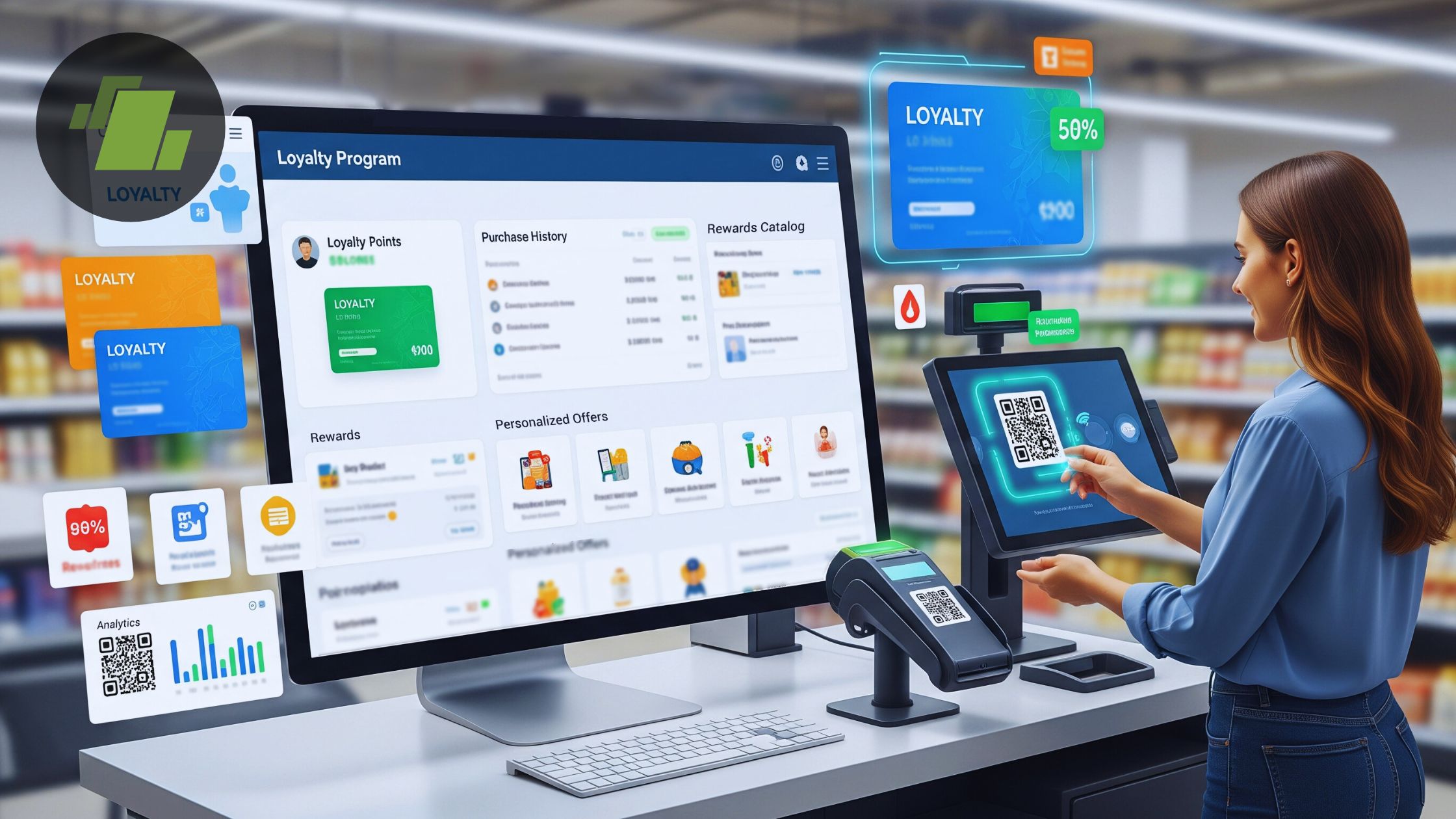
Supermarket customers today have evolved expectations. They no longer shop solely based on price or product availability, they look for personalized experiences, convenience, and meaningful rewards that make their shopping journey enjoyable and memorable. Shoppers want to feel recognized and valued, with offers and promotions tailored to their preferences, and they increasingly favor stores that make shopping faster, smoother, and more rewarding.
The best supermarket CRM and loyalty programs have emerged as a powerful solution to meet these expectations. By rewarding repeat purchases, providing exclusive discounts, and offering personalized incentives, these programs encourage customers to return more often, increasing purchase frequency and building stronger relationships.
When loyalty programs are integrated with billing and POS systems, they create a truly seamless shopping experience. Points are calculated automatically, rewards can be redeemed instantly, and customer data is updated in real time. This not only simplifies checkout but also allows supermarkets to deliver personalized communication, targeted offers, and data-driven insights, enhancing engagement while driving store profitability and long-term customer loyalty.
Why Loyalty Programs Matter for Supermarkets
Supermarkets today face intense competition. With countless options available to shoppers both online and offline, retaining customers has become a major challenge. Simply offering products at low prices is no longer enough. Customers are looking for value, recognition, and personalized experiences, which is where loyalty programs play an important role.
Supermarket loyalty program helps supermarkets in several ways:
1. Stand Out in a Crowded Market
In a marketplace filled with competitors, loyalty programs allow supermarkets to differentiate themselves. Offering rewards, personalized supermarket offers, discounts, or exclusive promotions makes the store more attractive and encourages shoppers to choose it over alternatives.
2. Retain Customers
Repeat customers are the backbone of steady revenue. Loyalty programs incentivize shoppers to return, making them more likely to continue shopping at the same store instead of switching to competitors.
3. Build Long-Term Relationships
Beyond transactional interactions, loyalty programs foster trust and emotional connections with customers. By recognizing and rewarding their behavior, supermarkets can nurture stronger relationships that go beyond price and convenience.
4. Boost Average Order Value
Loyalty programs encourage customers to spend more per visit. Targeted promotions, point-based incentives, and member-exclusive discounts motivate shoppers to add extra items to their baskets, directly increasing sales and profitability.
What Is Loyalty Program Integration
Loyalty program integration is the process of connecting a supermarket’s loyalty initiatives directly with its billing and POS (Point of Sale) systems. Instead of operating as a separate system, the loyalty program becomes part of the checkout and transaction workflow. This integration ensures that every purchase, return, or redemption is automatically recorded and reflected in the customer’s loyalty account without manual intervention.
How Loyalty Programs Connect with Billing and POS Systems
When integrated, the supermarket’s billing and POS systems communicate with the loyalty program in real-time. Each customer is identified at the point of sale, often through a mobile number, loyalty card, or app account. Once the customer is recognized, the system links their purchase details to their loyalty profile. This connection allows the store to track transactions, accumulate points, and apply rewards automatically during checkout.
Real-Time Point Calculation
With integration, points are calculated instantly as purchases are made. For example, if a customer spends a certain amount or buys a promotional item, the system automatically adds the corresponding points to their account. There is no need for manual entry or post-purchase updates, ensuring accuracy and immediate feedback for the shopper.
Customer Profiling
Integrated systems also build detailed customer profiles by tracking purchase history, preferred products, visit frequency, and average spending. This information allows supermarkets to understand customer behavior, segment shoppers effectively, and tailor offers and promotions that match individual preferences.
Automatic Redemption
Redemption of rewards becomes seamless with integration. Customers can use points or claim rewards instantly at checkout, without delays or separate validation. The system automatically deducts redeemed points, applies discounts, or updates the account, providing a smooth, hassle-free experience that encourages repeat shopping.
Key Benefits of Loyalty Program Integration
Loyalty program integration not only enhances the shopping experience for customers but also provides supermarkets with strategic business advantages. From higher retention and basket size to actionable insights and seamless operations, the benefits touch every aspect of retail management, driving both customer satisfaction and profitability.
1. Increased Customer Retention
Customer retention tools for retail businesses are the key to driving supermarket profitability, and loyalty programs are a proven marketing strategy to achieve it. By rewarding repeated purchases, customers feel their loyalty is recognized and valued. Personalized promotions, such as discounts on frequently bought items or birthday rewards, further enhance engagement. This sense of recognition strengthens emotional connections with the brand, making shoppers more likely to return regularly rather than switch to competitors. In essence, a loyalty program transforms occasional shoppers into consistent, repeat customers, which directly contributes to sustainable revenue growth.
2. Higher Average Basket Size
Loyalty programs also influence how much customers spend per visit. Incentive-based promotions like extra points on selected products or “buy more, earn more” offers encourage shoppers to add additional items to their carts. Point-based upselling further motivates purchases by showing customers how close they are to earning rewards or unlocking benefits. Exclusive member discounts or early access to offers create a sense of privilege, prompting customers to buy more than they would without the loyalty incentive. The result is a measurable increase in average order value.
3. Enhanced Customer Insights
Integrated loyalty systems capture rich data about customer behavior. Every purchase, visit frequency, and product preference is recorded and analyzed to build detailed profiles. Supermarkets can use this data to identify trends, segment customers, and design personalized marketing campaigns. For instance, they can recommend products based on past purchases, target promotions to specific customer groups, or identify underperforming products to adjust inventory. These insights enable smarter business decisions and more effective marketing, ultimately improving sales and customer satisfaction.
4. Seamless Billing and Checkout
When loyalty programs are linked with billing software, points calculation and reward redemption happen automatically at the checkout. Customers don’t need to wait for manual adjustments, and staff don’t have to spend extra time on validation. This integration ensures a faster, smoother billing experience, reducing queue times and improving customer satisfaction. A seamless checkout not only enhances the shopping experience but also increases the likelihood of repeat visits, as convenience is a major factor in customer loyalty.
5. Improved Brand Loyalty
A well-executed loyalty program goes beyond transactional rewards, it builds emotional connections with customers. Receiving points, discounts, or special perks creates a sense of appreciation and belonging. Over time, this emotional bond encourages shoppers to prioritize your store over competitors. Repeat visits, positive word-of-mouth, and advocacy are natural outcomes of a strong loyalty strategy, reinforcing the supermarket’s brand in the minds of its customers.
6. Data-Driven Store Management
Loyalty program integration provides actionable insights for store operations. Supermarkets can analyze which SKUs are fast-moving versus slow-moving, track the effectiveness of promotions, and plan inventory more accurately. This data-driven approach enables product-specific promotions, optimized stocking, and informed merchandising decisions. Stores can identify gaps, predict demand, and tailor strategies to maximize sales and minimize wastage, making operations more efficient and profitable.
Types of Loyalty Programs Supermarkets Can Implement
Supermarkets can implement various loyalty programs such as points-based systems, where customers earn and redeem points on purchases; tiered programs, which reward shoppers with higher benefits as they move to premium levels; and cashback or membership-based models, offering instant savings or exclusive perks that boost customer retention and repeat shopping.
1. Point-Based Loyalty Programs
Point-based loyalty programs/ POS loyalty features allow supermarket customers to earn points for every purchase, which can be redeemed for discounts, free products, or special offers. These programs encourage repeat shopping, increase customer engagement, and drive higher sales.
2. Tier-Based Loyalty Programs
Tier-based loyalty programs reward customers as they reach higher spending or purchase milestones. Shoppers progress through levels, unlocking exclusive benefits and premium rewards, which motivate them to shop more frequently.
3. Cashback Loyalty Programs
Cashback programs give shoppers instant or future cashback on their purchases. By providing a tangible financial incentive, these programs encourage repeat visits and higher spending per transaction.
4. Membership or Subscription Programs
Membership-based loyalty programs offer exclusive access to deals, promotions, and premium services for a recurring subscription fee. The best membership programs for grocery stores enhance customer loyalty by providing added value and personalized perks.
5. Discount Coupon-Based Programs
Discount coupon programs provide periodic coupons or vouchers to encourage repeat shopping and promote specific products. Customers are incentivized to return to the store and increase their average basket size.
How Loyalty Integration Works with Billing Software
Loyalty integration connects your billing software with customer profiles, ensuring every purchase instantly updates points and rewards. It creates a seamless checkout experience where customers can earn and redeem benefits in real time.
Customer Profiling at POS
When a customer approaches the checkout, loyalty POS integration instantly identifies them using their mobile number, loyalty card, or app account. This allows the point based loyalty program to access their purchase history, preferences, and reward status in real time. By understanding each customer’s behavior, supermarkets can deliver personalized offers and promotions, making every shopping experience more relevant and engaging.
Real-Time Sync of Purchase Data
Every transaction is automatically recorded and synced with the loyalty program. Points earned, products purchased, and promotional eligibility are updated instantly, ensuring that customers always have an accurate view of their rewards. This eliminates delays or errors associated with manual entry and allows stores to track shopping behavior efficiently.
Points Calculation and Redemption During Checkout
Integrated systems automatically calculate points based on purchase value or promotional rules and allow shoppers to redeem their rewards instantly at the counter. Customers can use their points for discounts, free products, or special deals without waiting, making the checkout fast, convenient, and seamless.
Integration with SMS, WhatsApp, and Email Marketing
Billing software integration enables omnichannel communication. Automated messages notify customers about their points balance, upcoming rewards, exclusive promotions, and expiring points. This keeps shoppers engaged, encourages repeat visits, and strengthens the overall loyalty program.
Personalized Offers and Targeted Promotions
With integrated loyalty data, supermarkets can create hyper-targeted campaigns. For example, a customer who frequently buys dairy products can receive specific discounts on milk, cheese, or yogurt. Personalized promotions improve conversion rates and enhance the customer experience.
Cross-Channel Rewards Management
Integrated loyalty systems allow points to be earned and redeemed across multiple channels, including in-store, online shopping portals, or mobile apps. This ensures a consistent and seamless experience, encouraging customers to shop wherever it’s most convenient for them.
Enhanced Reporting and Analytics
Integration provides supermarkets with real-time insights into customer behavior, product performance, and campaign effectiveness. Managers can analyze which products drive loyalty, monitor engagement trends, and design strategies to improve sales and retention.
Features to Look for in a Loyalty-Integrated Supermarket Billing System
1. Real-Time Customer Data Sync
An effective loyalty-integrated billing system must offer instant updates of customer transactions, points, and reward status. Real-time syncing ensures complete accuracy, eliminates manual errors, and keeps both customers and store staff informed. This feature helps supermarkets deliver seamless loyalty experiences, as points earned or redeemed are reflected immediately across all platforms.
2. Mobile Number-Based Customer Recognition
Modern loyalty systems rely on mobile number-based identification, making it simple for customers to earn or redeem points without carrying cards. This not only speeds up the checkout process but also improves engagement by keeping customer profiles easily accessible. It also enables personalized recommendations and targeted offers based on shopping habits.
3. Omnichannel Loyalty Support
A strong supermarket billing system with loyalty programs should support earning and redeeming points across multiple touchpoints: in-store POS, online ordering platforms, mobile apps, and self-checkout kiosks. This creates a consistent and unified customer experience, allowing shoppers to enjoy their rewards no matter where or how they shop.
4. Automated Rewards Engine
An advanced automated rewards engine allows supermarkets to set custom rules for points accumulation, redemption limits, bonus points, festive offers, and tier-based promotions. With automation, the system handles everything from point calculation to applying customer rewards for supermarkets, ensuring accuracy, transparency, and smoother operations without manual intervention.
5. Analytics Dashboard
A comprehensive analytics dashboard provides deep insights into customer behavior, purchase patterns, loyalty engagement levels, and program performance. Supermarkets can monitor metrics like visit frequency, average order value, product preferences, churn risk, and promotion effectiveness. These insights help retailers create data-backed strategies to increase retention and boost sales.
Implementation Tips for Supermarkets
1. Train Billing Staff
Proper training is essential for the success of any loyalty-integrated billing system. Ensure that your billing staff fully understands how to identify customers, apply rewards, process redemptions, and troubleshoot common issues. Well-trained staff can offer a smooth checkout experience, answer customer queries confidently, and encourage shoppers to participate in the loyalty management for retail stores.
2. Clearly Define Reward Structures
Customers are more likely to engage with a loyalty program when the rules are simple, transparent, and easy to understand. Supermarkets should clearly explain how points are earned, how they can be redeemed, and what benefits are available at different levels. Clear communication builds trust and increases participation.
3. Promote Loyalty Across Store Touchpoints
Visibility is key to boosting loyalty enrollment. Use in-store signage, banners, counter displays, flyers, digital screens, and mobile apps to promote the program. Make sure customers are reminded of benefits during checkout and through online channels to encourage maximum engagement.
4. Send Automated Reminders to Customers
Automation helps maintain continuous engagement with shoppers. Send reminders about points balance, upcoming rewards, personalized offers, festival deals, and expiring points via SMS, WhatsApp, push notifications, or email. These reminders encourage repeat visits, increase redemption rates, and strengthen long-term loyalty.
Why Choose LOGIC ERP Supermarket Software with Loyalty, POS, Inventory and Accounting System?
LOGIC ERP is an all-in-one supermarket software solution that unifies POS, inventory management, loyalty programs and accounting into a single, seamless platform. With LOGIC ERP supermarket software, you gain real-time visibility into sales, stock levels, and financials, helping you make smarter decisions and minimize losses from overstocking or expiry.
LOGIC ERP supports both cloud and on-premise deployment, making it perfect for multi-store supermarket chains. Its robust security, role-based access, and audit trails also safeguard your business data.
Top global supermarket brands streamlining their business operations with LOGIC ERP supermarket POS and billing software are: Store 99, Market 99, V Bazaar, Super 99, Forever 52, Beauty Palace and many more.
What makes LOGIC ERP the top choice for Supermarket retailers:
- 30 years of ERP excellence
- 200+ Experienced ERP Experts
- Personalized ERP Training Just for You
- Fast, Easy, & Stress-Free Implementation
- Quick & Easy Personalization & Deployment
- Flexible Solutions: On-Premise or On-Cloud
- Strong Domain Knowhow & Success Stories
- Digital Ready ERP with 3rd Party Plug-in & API
Conclusion
Integrating loyalty programs with supermarket billing software transforms the shopping experience. The retail loyalty software by LOGIC ERP increases customer customer retention tools for retail businesses, boosts sales, provides actionable insights, and enhances overall brand loyalty. Supermarkets that adopt loyalty-enabled billing systems i.e. LOGIC ERP can create a seamless, rewarding journey for customers while driving store profitability.
Call at +91-73411-41176 or send us an email at sales@logicerp.com to book a free demo for supermarket software today!
FAQs
Q1: Why do supermarkets need loyalty program integration?
It helps retain customers, boosts repeat purchases, increases average basket size, and provides valuable data for decision making.
Q2: How does loyalty integration work with billing software?
The system automatically tracks purchases, calculates reward points at checkout, updates customer profiles, and enables instant redemption at checkout.
Q3: Which loyalty programs work best for supermarkets?
Point based, tier based, cashback programs, and membership models work best for high frequency retail environments.
Q4: Does loyalty integration increase sales?
Yes. Customers spend more when they know they earn rewards, and personalized offers further increase purchase frequency.
Q5: Can small supermarkets implement loyalty programs?
Absolutely. Cloud based billing software makes loyalty programs affordable and easy to manage even for small stores.
Q6. How do real-time loyalty rewards at the billing counter improve the customer experience?
Real-time loyalty rewards make checkout faster and more engaging. Customers instantly see points earned, eligible discounts, and redemption options, creating a smooth and satisfying billing experience.
Q7. What is the best loyalty program software for grocery stores?
The best loyalty software integrates directly with supermarket POS, supports multiple reward types, runs automated campaigns, updates points instantly, and provides deep customer insights across store locations.
Q8. Why is CRM and loyalty integration important for supermarkets?
CRM + loyalty integration helps supermarkets understand customer behavior, segment shoppers, personalize offers, and build long-term relationships through targeted rewards and communication.
Loyalty programs reward repeat purchases, making customers feel valued. This encourages them to return more often, directly improving retention and lifetime value.
Q9. What are the key benefits of loyalty integration in supermarket POS systems?
Integrating loyalty with POS enables real-time point updates, faster billing, personalized offers, and accurate tracking of customer purchase behavior, all contributing to better engagement and higher sales.
Q10. What are the best loyalty program features for supermarkets?
Top features include mobile-number identification, real-time points calculation, tiered rewards, automated promotions, omnichannel redemption, and detailed analytics dashboards.
Q11. How does loyalty points integration with billing systems work?
When a customer checks out, the POS automatically identifies them, updates their point balance, applies rewards, and processes redemptions instantly without manual entry.
Q12. What customer retention strategies work best for supermarkets?
Effective strategies include point-based rewards, personalized discounts, targeted promotions, cross-selling suggestions, and sending reminders about unused points or exclusive offers.
Q13. How Loyalty Programs Help Supermarkets?
Loyalty programs help supermarkets strengthen customer relationships by rewarding shoppers for repeat purchases, creating a strong incentive to return more frequently. They increase customer retention, boost average basket size through point-based upselling and targeted promotions, and encourage consistent shopping habits. Loyalty programs also provide valuable customer data, such as buying patterns and preferences, which supermarkets can use to design personalized offers, improve product assortments, and drive higher profitability. Ultimately, they enhance customer satisfaction while giving supermarkets a competitive edge in a crowded retail market.
Q14. How does a supermarket CRM and loyalty system improve customer engagement and sales?
A supermarket CRM and loyalty system enhances customer engagement by tracking individual shopping habits, preferences, and purchase history, allowing stores to offer highly personalized discounts and product recommendations. It also strengthens customer loyalty through point-based rewards, exclusive member benefits, and targeted promotions. By combining customer data and automated loyalty features, supermarkets can drive repeat purchases, increase basket size, and boost overall sales with more informed, data-driven marketing decisions.

Author
Sharanjit Ghuman
Director of Communications | LOGIC ERP Solutions Pvt. Ltd.
Leading and managing the company’s internal and external communication strategies and working closely with senior leadership to develop and execute communication plans.