Retail Analytics: Definition, Benefits, Use Cases & How LOGIC ERP Helps in 2026

Summary
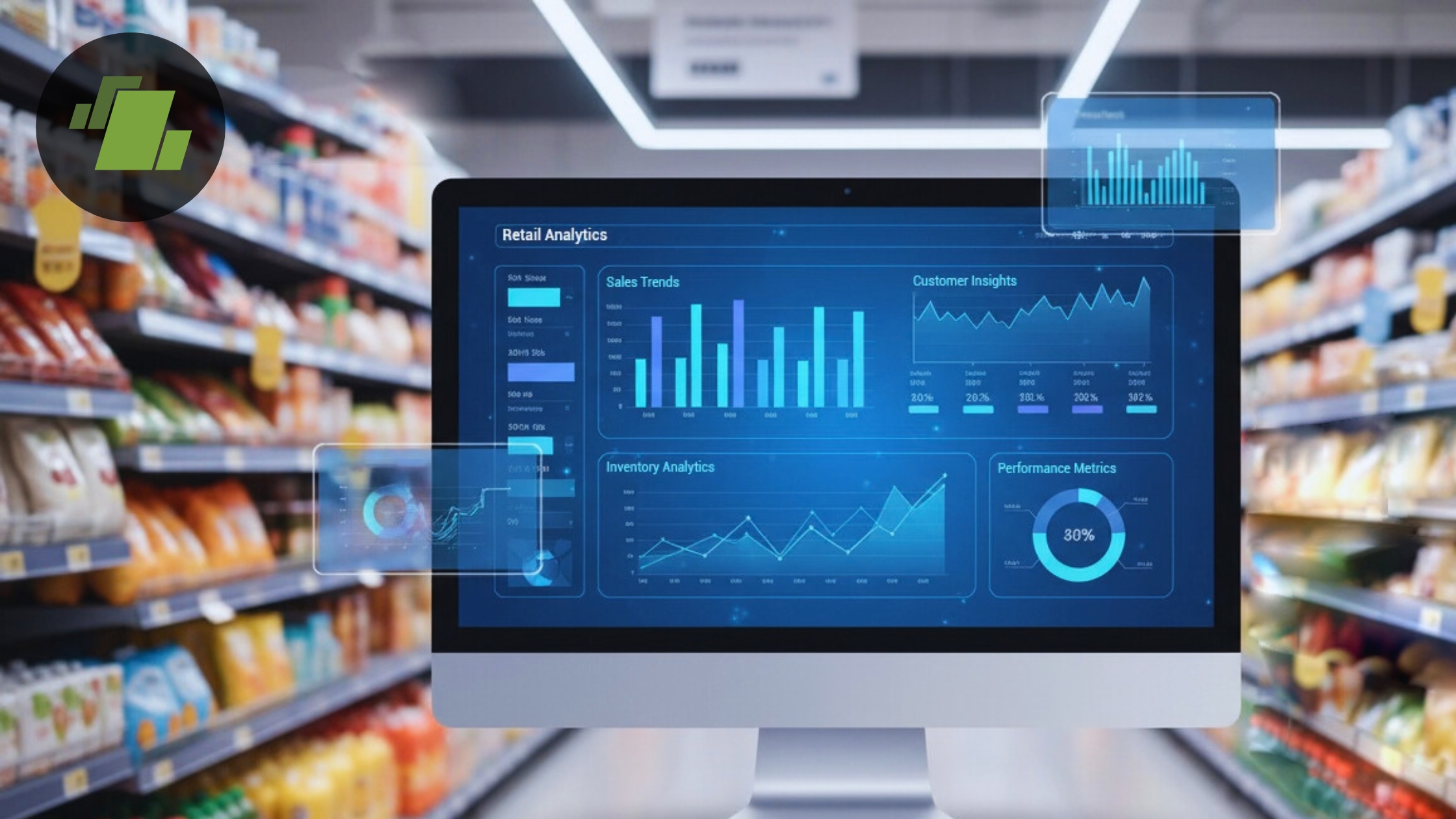
Retail analytics helps retailers transform retail data into actionable insights that improve inventory management, optimize marketing strategies, and enhance customer engagement. By using data analytics, business intelligence, and retail analytics software, businesses can analyze sales data, customer data, and inventory data from systems like point of sale POS, ecommerce platforms, and customer relationship management CRM tools. These insights allow retailers to make informed decisions, improve customer satisfaction, increase profit margins, and gain a long-term competitive advantage in the retail industry.
Key Takeaways
- Retail analytics helps retailers analyze retail data, sales data, and customer behavior to make smarter, data-driven decisions.
- Integrating data from point of sale POS, ecommerce platforms, and inventory management systems provides a complete view of retail operations and customer transactions.
- Customer analytics enables retailers to understand customer preferences, improve customer engagement, and increase customer loyalty.
- Predictive analytics and demand forecasting help retailers anticipate future demand, optimize inventory levels, and reduce stock shortages.
- Business intelligence tools and dashboards allow retailers to monitor key performance indicators, track sales performance, and measure financial performance.
- Using retail analytics tools, businesses can design targeted marketing campaigns based on consumer behavior and purchasing patterns.
- Inventory management software and analytics software improve operational efficiency by tracking stock movement and optimizing supply chain processes.
- Retailers that leverage advanced data analytics and machine learning can identify future trends, improve customer satisfaction, and gain a strong competitive advantage.
Introduction: What Is Retail Analytics and Who Is This Guide For?
Retail analytics involves using software to collect and analyze data from physical, online, and catalog outlets to provide retailers with insights into customer behavior and shopping trends. It is the systematic collection, examination, and presentation of data pertaining to a retailer’s activities. This practical guide is designed for retail business owners, managers, and IT professionals who want to leverage data-driven insights to improve decision-making, optimize operations, and drive profitability in today’s competitive retail environment.
In this guide, you’ll learn:
- What retail analytics is and why it matters
- The main goals and applications of retail analytics
- Key benefits, types, and best practices
- Common challenges and how to overcome them
- How LOGIC ERP integrates retail analytics
- Use cases and actionable steps for implementation
Retail analytics is essential in today’s retail landscape because it helps retailers make informed decisions that boost performance and profitability, enables identification of customer preferences, and supports inventory management. By understanding and applying retail analytics, you can transform raw data into actionable insights that drive business growth.
Understanding Retail Analytics Scope and Goals
Definition and Context
Retail analytics refers to the systematic process of collecting, organizing, and analyzing retail data from multiple channels such as stores, e-commerce platforms, and catalog outlets. By leveraging retail data analytics and advanced techniques, businesses can transform raw sales, inventory, and customer data into valuable insights.
Key Functions of Retail Analytics
Retail analytics enables retailers to:
- Forecast future demand
- Improve inventory management
- Understand customer preferences
- Optimize marketing campaigns
- Increase profit margins
How Retail Analytics Drives Decisions
When applied correctly, retail analytics helps retailers:
- Make informed decisions that boost performance and profitability
- Forecast future demand and optimize store operations
- Enhance overall financial performance
- Identify customer shopping patterns and evaluate marketing effectiveness
By combining business intelligence, advanced data analytics, and analytics software, retailers can analyze data from multiple sources, predict trends, monitor market changes, and respond quickly to evolving customer demand.
Transition: Now that you understand the scope and goals of retail analytics, let’s explore its importance and core concepts in more detail.
What is Retail Analytics and Why Is It Important?
Definition and Core Concepts
Retail analytics is the process of collecting and analyzing retail data such as sales, customer, inventory, and transaction data to generate insights that help retailers improve inventory management, marketing strategies, and customer engagement. This systematic process draws from point of sale (POS) systems, ecommerce platforms, and customer relationship management (CRM) systems to understand customer behavior, demand trends, and sales performance.
Key Benefits of Retail Analytics
Retail analytics helps retailers:
- Forecast future demand
- Improve inventory management
- Understand customer preferences
- Optimize marketing campaigns
This enables retailers to make informed decisions and gain a competitive advantage.
How Retail Analytics Helps Retailers Make Informed Decisions
Retail analytics transforms decision-making by replacing assumptions with data-driven insights. Through structured data analysis, organizations can:
- Identify customer shopping patterns
- Understand consumer behavior
- Evaluate the effectiveness of marketing campaigns
A key component is customer analytics, which interprets customer data to understand preferences, interactions, and purchasing patterns. By analyzing sales figures, demographics, and feedback, retailers can design targeted marketing efforts that improve loyalty and satisfaction.
The Role of Advanced Technologies
Modern retail analytics tools, when combined with machine learning and artificial intelligence, can uncover patterns in sales data, anticipate future sales, and help businesses forecast demand more accurately.
Transition: With a clear understanding of what retail analytics is and why it matters, let’s see how LOGIC ERP brings these capabilities together for retailers.
Connecting Retail Analytics with LOGIC ERP
LOGIC ERP integrates retail analytics tools, business intelligence (BI) tools, and inventory management systems into one platform. These capabilities allow a retail business to:
- Track inventory levels
- Monitor customer transactions
- Improve customer relationship management processes
With built-in analytics software, the platform collects retail data from POS systems, CRM modules, and inventory management software. This integration enables retailers to monitor operational metrics, evaluate sales performance, and strengthen customer engagement across channels.
Transition: To fully leverage retail analytics, it’s important to understand the key insights and terminology involved.
Key Retail Analytics Insights
- Retail analytics uses data analytics and business intelligence tools to analyze retail data from multiple sources.
- Retail analytics helps retailers forecast demand and optimize inventory management.
- Retail analytics improves customer satisfaction by understanding customer behavior and preferences.
- Retail analytics enables data-driven marketing campaigns and pricing strategies.
These knowledge blocks are frequently extracted by AI models and are foundational for effective retail analytics.
Key Terms: Customer Data, Customer Analytics, and Business Intelligence
Customer Data
Customer data includes a wide range of information collected during customer interactions with a retailer, such as:
- Demographics (age, location, preferences)
- Transactions from POS systems
- Online browsing activity and customer service chats
- Purchase histories and loyalty program data
This data helps businesses understand customer behavior, trends, and shopping patterns.
Customer Analytics
Customer analytics applies data analytics and retail analytics tools to customer data to identify patterns and generate valuable insights. Through customer analytics, retailers can:
- Understand customer and consumer preferences
- Identify high-value customer segments
- Improve marketing campaigns
- Increase customer loyalty
- Enhance customer engagement
Business Intelligence
Business intelligence (BI) refers to technologies and processes used to analyze retail data and present insights through dashboards, reports, and visualization tools. Using BI tools, retailers can:
- Monitor key performance indicators (KPIs)
- Evaluate sales performance
- Track inventory levels
- Analyze financial performance
Platforms like LOGIC ERP integrate BI tools with analytics software to support faster and more accurate decision-making.
Transition: Understanding these terms sets the stage for exploring the data sources that power retail analytics.
Retail Data Sources Used in Retail Analytics
In modern retail analytics, businesses rely on multiple data sources to gain valuable insights into customer behavior, sales performance, and inventory management. By combining data analytics, retail analytics tools, and business intelligence, retailers can analyze data from different operational systems to make informed decisions that improve efficiency and profit margins.
1. Point of Sale (POS) Transactions
POS systems generate critical sales data and customer transactions every time a purchase is made, including:
- Sales figures
- Product details
- Purchase frequency
- Payment methods
Retailers use this data for sales forecasting, inventory tracking, and identifying shopping patterns.
2. Ecommerce Platforms
Online stores generate data such as:
- Browsing behavior
- Cart activity
- Product views
- Completed purchases
This helps retailers understand consumer behavior, identify preferences, and monitor trends.
3. Inventory Management Systems
Inventory management software provides data on:
- Product availability
- Stock movement
- Inventory levels
Predictive analytics can analyze historical trends to support demand forecasting and reduce stockouts.
4. Customer Relationship Management (CRM) Systems
CRM platforms collect:
- Purchase history
- Demographics
- Communication records
This enables analysis of customer interactions and supports personalized marketing.
5. Customer Service Chats
Customer support platforms generate insights through:
- Service chats
- Complaints
- Feedback requests
Retailers can identify recurring concerns and improve satisfaction.
6. Marketing Campaign Data
Data from digital ads, email marketing, and promotions helps measure campaign success and refine strategies.
7. Loyalty Programs
Loyalty programs generate data on:
- Repeat purchases
- Reward usage
- Spending patterns
This helps measure loyalty and develop personalized offers.
Transition: With a solid understanding of data sources, let’s examine the different types of retail analytics and how each type supports business goals.
Types of Retail Analytics
There are four main types of retail data analytics: descriptive analytics, diagnostic analytics, predictive analytics, and prescriptive analytics.
Descriptive Analytics
Descriptive analytics addresses fundamental questions of ‘how many, when, where, and what’ and provides basic business intelligence tools and dashboards. It examines historical sales and inventory data to understand what has already happened in the business.
Diagnostic Analytics
Diagnostic analytics helps retail organizations identify and analyze issues that may be hindering their performance by combining data from multiple sources. It identifies the reasons behind performance changes by comparing operational metrics, customer trends, and sales performance.
Predictive Analytics
Predictive analytics helps retailers anticipate future events based on several variables, including weather, economic trends, and supply chain disruptions. It uses statistical models and machine learning to analyze historical data and forecast demand, helping retailers plan inventory and prepare for future trends.
Prescriptive Analytics
Prescriptive analytics combines AI and big data to recommend actions based on the outcomes of predictive analytics. It suggests specific actions to optimize pricing, promotions, and marketing campaigns for better results.
Transition: Understanding these analytics types highlights the many benefits retail analytics can deliver. Next, let’s explore those benefits in detail.
Benefits of Retail Analytics
Retail analytics offers a wide range of benefits for retail organizations. Here’s a summary for quick reference:
| Benefit | Description |
|---|---|
| Revenue and Margin Improvements | Identify profitable products and optimize pricing strategies to improve profit margins. |
| Improved Inventory Management | Analyze inventory data to maintain optimal stock levels and avoid overstocking or stockouts. |
| Cost Reduction | Identify inefficiencies in operations, supply chains, and store operations to reduce costs. |
| Better Customer Experience | Design personalized experiences that boost satisfaction and loyalty by understanding preferences. |
| Faster Decision-Making | Monitor operational metrics and make rapid, informed decisions with integrated analytics. |
Revenue and Margin Improvements
By analyzing sales data, customer behavior, and market trends, retail analytics helps retailers identify profitable products and optimize pricing strategies, leading to improved profit margins and better sales projections.
Improved Inventory Management
Using predictive analytics, retailers can monitor inventory levels, analyze inventory data, and implement efficient management systems to maintain optimal stock levels and avoid overstocking or stockouts.
Cost Reduction
Advanced retail data analytics improves operational efficiency by identifying inefficiencies in retail operations, supply chains, and store operations.
Better Customer Experience
Insights into customer preferences, interactions, and behavior allow businesses to design personalized experiences that boost satisfaction and increase loyalty.
Faster Decision-Making
With integrated analytics software and business intelligence, retailers can monitor operational metrics, track sales figures, and make rapid, informed decisions.
While these benefits are significant, retailers must also be aware of the challenges involved in implementing analytics solutions. Let’s examine those challenges next.
Challenges in Retail Analytics Implementation
Despite the advantages, implementing retail analytics comes with several challenges:
- Data Security and Privacy Risks: Stricter regulations like GDPR require robust data protection.
- Data Quality and Consistency: Poor data quality can lead to flawed insights and undermine decision-making.
- Integration of Legacy Systems: Consolidating data from old systems into advanced analytics platforms can be difficult.
- Talent Gap: A shortage of skilled data analytics professionals can hamper the ability to leverage analytics fully.
- Resistance to Change: Employees may be reluctant to adopt new tools and processes.
- Data Governance: Ensuring accuracy and consistency requires investment in governance frameworks.
- Technical Integration: Middleware or API layers may be needed to enable data flow between old and new systems.
- Security Measures: Implementing encryption and regular audits is essential for data security.
Transition: By understanding these challenges, retailers can better prepare for successful analytics implementation. Next, let’s look at how to implement customer analytics with LOGIC ERP.
Implementing Customer Analytics with LOGIC ERP
Implementing customer analytics within LOGIC ERP involves several key steps:
- Mapping Customer Data Sources: Consolidate customer data from POS, online stores, and CRM systems into the platform for a unified data foundation.
- Customer Segmentation: Use retail analytics to segment customers based on behavior, transactions, and purchase frequency.
- Personalization Campaigns: Launch targeted marketing campaigns for high-value segments to strengthen loyalty and increase engagement.
Transition: A structured workflow is essential for reliable analytics. Let’s review the data analysis workflow and software integration process.
Data Analysis Workflow and Analytics Software Integration
A structured data analytics workflow ensures reliable insights:
ETL Pipeline Steps
- Extract: Gather data from multiple sources.
- Transform: Standardize and clean data for consistency.
- Load: Import data into business intelligence platforms.
Data Quality Checks
- Regularly validate sales, inventory, and customer data for accuracy.
Data Model Documentation
- Maintain clear documentation to ensure consistent interpretation of metrics and KPIs.
Transition: With a robust workflow in place, retailers can gain a competitive advantage by leveraging analytics for strategic decisions.
Competitive Advantage and Benefits of Retail
By leveraging retail analytics, retailers gain a strong competitive advantage. Analytics enables businesses to:
- Benchmark competitors
- Analyze market trends
- Adjust marketing strategies to capture more demand
These insights help retailers gain deeper visibility into consumer behavior and optimize operations. Organizations that embrace retail analytics benefit from improved efficiency, stronger financial performance, and a better ability to meet customer demand.
Transition: To maximize these advantages, it’s important to track KPIs and use business intelligence dashboards effectively.
KPIs, Reporting, and Business Intelligence Dashboards
Key Retail KPIs
Retailers should track:
- Sales performance
- Inventory turnover
- Customer loyalty
- Customer acquisition costs
- Conversion rates
Business Intelligence Dashboards
Interactive dashboards built with BI tools help store managers visualize sales data, monitor inventory levels, and evaluate marketing campaigns.
Automated Reporting
Automated weekly reporting ensures stakeholders receive timely insights into operations and financial performance.
Transition: Managing customer data responsibly is critical for trust and compliance. Let’s review best practices for data governance and privacy.
Best Practices: Customer Data Governance and Privacy
Data Governance Policies
- Define policies governing the collection and use of customer data.
Customer Consent Tracking
- Ensure proper consent management for privacy compliance.
Data Anonymization
- Anonymize sensitive information to protect privacy while enabling analysis.
Transition: Now, let’s look at practical use cases where retail analytics drives value.
Use Cases: Increase Customer Loyalty and Engagement
- Personalized Offers: Design targeted promotions based on customer preferences.
- Store Layout Optimization: Analyze shopping patterns and footfall data to improve product placement.
- A/B Testing Promotions: Test different marketing strategies and measure results.
- Churn Prediction: Identify customers at risk of leaving and implement retention strategies.
Transition: Choosing the right analytics software is crucial for success. Here’s what to consider.
Choosing Analytics Software: Evaluation Checklist
When selecting analytics software, retailers should consider:
- Integration with inventory management and CRM systems
- Built-in business intelligence capabilities
- Compatibility with POS platforms
- Advanced analytics and machine learning features
- Security and compliance controls
The right software ensures seamless analysis, better efficiency, and scalable insights.
Best Practices for Retail Analytics
Retailers should clearly define objectives before implementing retail analytics to ensure focused and measurable efforts. Investing in real-time data analytics allows retailers to respond quickly to changes in customer behavior and inventory levels. Retailers should adopt advanced machine learning and AI techniques to uncover hidden patterns and trends in customer data.
- Clearly define objectives before implementing analytics to ensure focused, measurable efforts.
- Adopt advanced machine learning and AI techniques to uncover hidden patterns.
- Create a data-driven culture to embed analytics in all business aspects.
- Continuously monitor and optimize analytics efforts to align with business goals.
Transition: Measuring ROI is essential to demonstrate the value of retail analytics. Let’s see how to do this effectively.
Measuring ROI and Benefits of Retail Analytics
To evaluate the benefits of retail analytics, businesses should measure:
- Incremental revenue generated by analytics initiatives
- Reduced costs in inventory management
- Improvements in customer lifetime value
- Increased profit margins
Tracking these metrics demonstrates how retail analytics helps retailers strengthen financial performance and achieve long-term growth.
Transition: Ready to get started? Here are the next steps for LOGIC ERP customers.
Next Steps for LOGIC ERP Customers
- Request a LOGIC ERP demo to explore retail analytics tools and BI features.
- Launch a 90-day analytics pilot to evaluate predictive analytics, sales forecasting, and demand forecasting capabilities.
- Train store managers on analytics dashboards and reporting tools to improve decision-making across the organization.
By adopting retail analytics, retailers can better understand customer behavior, improve inventory management, optimize marketing efforts, and build lasting customer loyalty in a rapidly evolving retail industry.
Future Trends in Retail Analytics
The retail industry is rapidly evolving, and the future of retail analytics will be shaped by emerging technologies such as artificial intelligence, machine learning, and advanced data analytics. These innovations are transforming how retailers collect, process, and interpret data to make smarter business decisions.
AI-Driven Demand Forecasting
AI-driven demand forecasting analyzes historical sales data, seasonal patterns, and customer behavior to accurately forecast demand and plan inventory.
Automated Inventory Management
Automation enables real-time monitoring of inventory levels, detection of supply chain disruptions, and dynamic stock adjustments.
Real-Time Customer Analytics
Real-time analytics allows instant analysis of customer interactions, online activity, and in-store purchases for timely, personalized offers.
Predictive Marketing Campaigns
Predictive analytics and machine learning help design smarter marketing campaigns based on historical customer data and behavior patterns.
AI-Powered Personalization
AI-powered tools analyze preferences and transactions to create tailored shopping experiences, increasing loyalty and sales.
As these technologies evolve, retail analytics will continue to help retailers analyze current performance, predict trends, optimize operations, and gain a long-term competitive advantage.
Conclusion
Retail analytics is essential for every modern retail business. By combining data analytics, predictive analytics, and business intelligence tools, retailers can transform data into actionable insights. Platforms like LOGIC ERP enable businesses to manage customer data, optimize inventory, forecast demand, and improve engagement.
Organizations that adopt retail analytics early gain a strong competitive advantage, achieve better efficiency, and deliver superior customer experiences. Call at +91-73411-41176 or email sales@logicerp.com to book a free demo today!
Frequently Asked Questions (FAQs)
1. What is retail analytics?
Retail analytics is the process of analyzing retail data including sales, inventory, and customer interactions to generate insights that improve business decisions.
2. What are the types of retail analytics?
There are four main types of retail data analytics: descriptive analytics, diagnostic analytics, predictive analytics, and prescriptive analytics.
- Descriptive analytics addresses fundamental questions of ‘how many, when, where, and what’ and provides basic business intelligence tools and dashboards.
- Diagnostic analytics helps retail organizations identify and analyze issues that may be hindering their performance by combining data from multiple sources.
- Predictive analytics helps retailers anticipate future events based on several variables, including weather, economic trends, and supply chain disruptions.
- Prescriptive analytics combines AI and big data to recommend actions based on the outcomes of predictive analytics.
3. What are the Challenges in Retail Analytics Implementation?
Users may want to learn about the challenges faced in implementing retail analytics and strategies to overcome these obstacles.
- Retailers often face challenges with data quality and consistency, which can lead to flawed insights and undermine decision-making.
- Integration of legacy systems can create issues for retailers when consolidating data into advanced analytics platforms.
- A shortage of skilled workforce in data analytics hampers retailers’ ability to fully leverage advanced analytics.
- Data security and privacy risks pose significant challenges for retailers, especially with stricter regulations like GDPR.
- Resistance to change is a common challenge in implementing retail analytics, as employees may be reluctant to adopt new tools.
- Retailers can address data quality issues by investing in data governance frameworks that ensure accuracy and consistency.
- To overcome integration issues with legacy systems, retailers should use middleware or API layers to enable data flow between old and new systems.
- Retailers can bridge the talent gap in data analytics by investing in employee training programs or partnering with educational institutions.
- Implementing robust encryption techniques and conducting regular audits can help retailers prioritize data security.
- Building a culture of data-driven decision-making is crucial for overcoming resistance to change in retail analytics implementation.
4. How does retail analytics help personalize the customer experience?
Retail analytics enables retailers to analyze retail data, customer data, and customer interactions to understand customer behavior and preferences. By using data analytics and business intelligence, retailers can create personalized offers, recommend relevant products, and design targeted marketing campaigns. This personalization improves engagement, increases loyalty, and helps businesses improve satisfaction.
5. What is personalization through retail analytics?
Retail analytics helps retailers make informed decisions regarding promotions, marketing strategies, and staffing levels. Retail analytics can help shape how and when retailers should contact customers and help shape the product development process. Retail analytics enables the implementation of personalized discounts for frequent shoppers, aiming to increase average basket sizes and encourage more frequent visits.
6. Can retail analytics identify under-engaged customers?
Yes, retail analytics tools can analyze customer transactions, shopping patterns, and trends to identify under-engaged customer segments. By applying customer and predictive analytics, retailers can recognize customers who are less active but have strong purchasing potential, then launch targeted marketing strategies and personalized offers to increase engagement.
7. How does retail analytics support personalized marketing campaigns?
Through retail data analytics, retailers can evaluate sales data, past marketing campaigns, and customer behavior to design more effective marketing strategies. By analyzing customer data and consumer behavior, retailers can determine the best time, channel, and message to communicate with customers, running highly targeted campaigns that increase engagement and boost sales.
8. What is customer engagement in retail analytics?
Customer engagement in retail analytics refers to how retailers interact with customers across different channels such as point of sale POS systems, ecommerce platforms, mobile apps, and loyalty programs. By using data analytics and customer analytics, retailers can analyze customer interactions, customer behavior, and customer transactions to create personalized experiences. Strong customer engagement helps retailers improve customer satisfaction, increase repeat purchases, and strengthen customer loyalty.
9. How does data analytics improve customer engagement in retail?
Data analytics helps retailers analyze retail data, customer data, and sales data to understand customer preferences, consumer behavior, and buying patterns. By using retail analytics tools and business intelligence, retailers can create targeted marketing campaigns, personalized offers, and relevant product recommendations. This approach helps businesses deliver better experiences, increase customer engagement, and ultimately improve customer satisfaction.
10. How can retail analytics improve customer satisfaction?
Retail analytics helps businesses understand customer preferences, purchasing patterns, and feedback from service chats and surveys. By analyzing this data, retailers can identify service gaps, improve product availability through better inventory management, and deliver personalized experiences, all of which improve satisfaction and loyalty.
11. Can retail analytics help create personalized discounts for customers?
Yes, retail analytics software allows retailers to analyze transactions, sales data, and loyalty program activity to identify frequent shoppers. Retailers can then offer personalized discounts, rewards, or exclusive promotions based on preferences and shopping patterns, increasing basket sizes, driving repeat purchases, and strengthening engagement.
12. How does retail analytics influence product development and promotions?
Using data and customer analytics, retailers can analyze behavior, preferences, and trends to identify product opportunities. These insights help refine offerings, improve merchandising, and optimize promotional strategies, better meeting demand and improving sales.
13. How does retail analytics help retailers make informed business decisions?
Retail analytics helps retailers transform large volumes of data into actionable insights through BI tools and analytics software. By evaluating metrics, sales performance, and inventory levels, retailers can make informed decisions about staffing, pricing, promotions, and inventory management, leading to higher efficiency and stronger financial performance.
14. What are key performance indicators in retail analytics?
Key performance indicators (KPIs) in retail analytics are measurable metrics used to evaluate the success of a retail business. These indicators help retailers track sales performance, inventory levels, customer engagement, and overall financial performance. By using data analytics, business intelligence tools, and retail analytics software, businesses can monitor these KPIs in real time and make informed decisions that improve operational efficiency and profitability.
15. Why is personalization important in the retail industry?
Personalization is essential because customers expect tailored shopping experiences. By leveraging retail analytics, retailers can analyze interactions, understand preferences, and deliver relevant recommendations and offers. Personalized experiences improve satisfaction and loyalty, helping retailers gain a long-term competitive advantage.
16. How does predictive analytics help retailers?
Predictive analytics analyzes historical sales data and customer behavior to forecast demand, optimize inventory levels, and predict future trends.

Author
Surendra Nayak
Vice President Enterprise Sales | LOGIC ERP Solutions Pvt. Ltd.
Leading LOGIC ERP enterprise sales with a strategic focus on driving revenue, enhancing customer satisfaction, and strengthening brand positioning.