How to Address Future Retail Business Challenges?

Summary
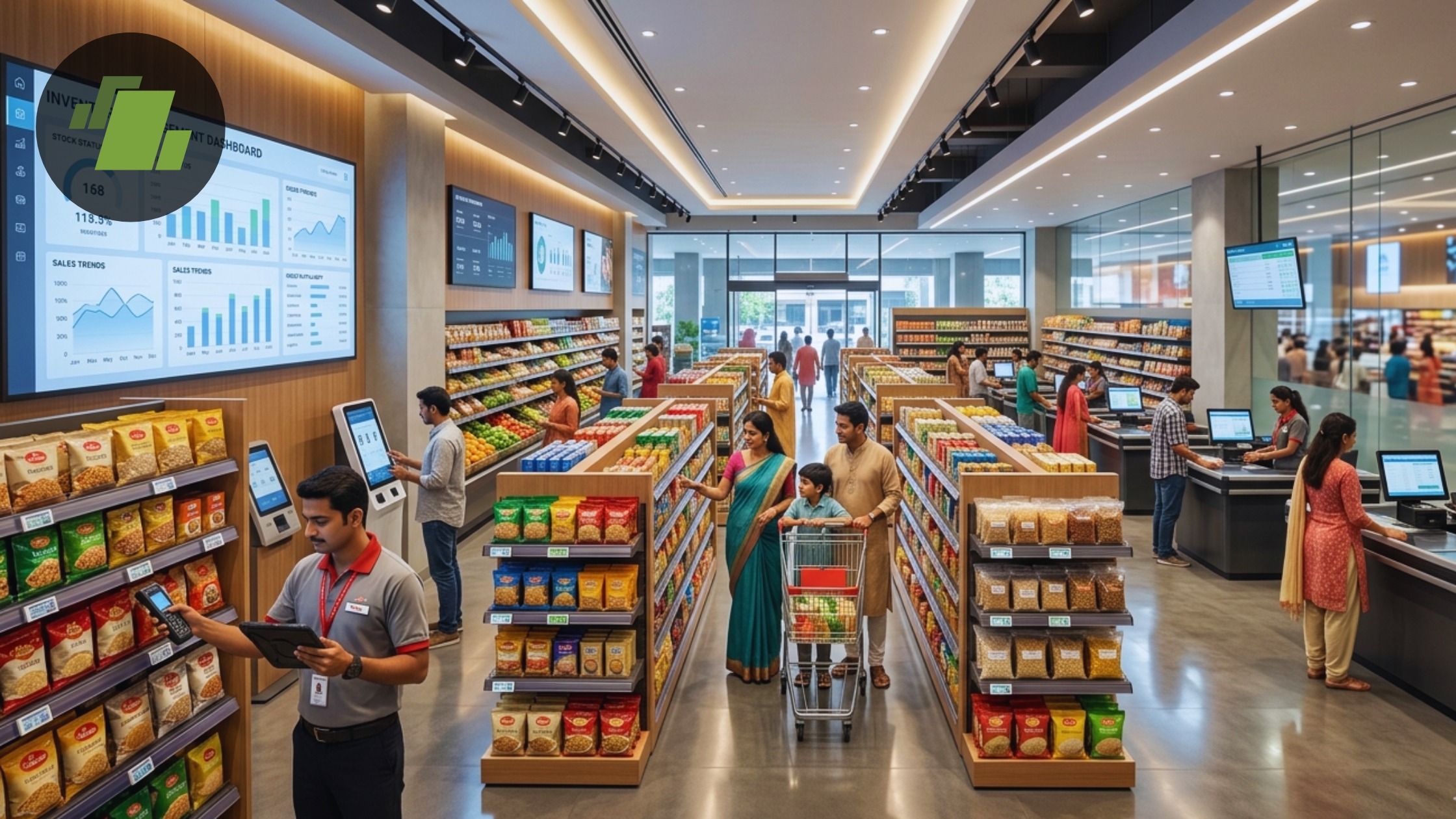
The retail industry is transforming faster than ever, driven by the growing demand for online shopping, contactless payments, and seamless omnichannel experiences. To thrive in this evolving digital era, retailers must embrace advanced retail ERP software, cloud-based solutions, mobile integration, and automated business operations. By adopting smart retail technologies, businesses can streamline inventory and billing processes, enhance customer experiences, improve operational efficiency, and drive sustainable growth while staying ahead in the competitive retail market.
Contact Us
Free Demo Request
Introduction
The retail industry has undergone a massive transformation in recent years. When the pandemic and global lockdowns disrupted traditional shopping patterns, retailers faced unprecedented challenges such as inventory shortages, sudden spikes in demand, supply chain disruptions, and internal management issues. At the same time, consumers rapidly shifted toward online shopping, contactless payments, and home delivery services.
Today, digital shopping is no longer an option it is a necessity. From supermarkets and grocery stores to fashion and lifestyle retailers, businesses of every size are embracing digital retail solutions to meet changing customer expectations. Retailers that adapt quickly to these evolving trends are more likely to improve customer experience, streamline operations, and maximize profitability.
The Rise of Online Shopping and Contactless Retail
Consumer buying behavior has changed dramatically. Shoppers now prefer convenience, faster deliveries, secure digital payments, and seamless online experiences. As the number of online customers continues to grow, retailers must invest in technologies that support contactless shopping and omnichannel retail management.
Features such as online ordering, digital payments, click-and-collect services, and same-day delivery are becoming standard expectations for modern consumers. Businesses that fail to adopt these capabilities risk losing customers to more digitally advanced competitors.
Evolve Your Retail Business with Changing Trends
One of the biggest lessons for retailers is the importance of evolving with market trends. Modern consumers expect flexible and convenient shopping experiences. Services like curbside pickup, same-day delivery, and mobile ordering are now essential for retail success.
Retailers should actively engage customers through digital channels such as social media platforms, mobile apps, and online marketplaces. Creating personalized shopping journeys through these channels can significantly improve customer loyalty and brand engagement.
Businesses can also leverage retail ERP software to automate operations, manage customer interactions, and improve order fulfillment efficiency.
Why Omnichannel Retail Strategy Matters
An omnichannel retail strategy allows businesses to deliver a consistent shopping experience across physical stores, websites, mobile apps, and social media platforms. During the pandemic, retailers with strong omnichannel systems were better equipped to manage changing customer demands and maintain business continuity.
Implementing omnichannel retail solutions offers several benefits:
- Real-time inventory synchronization across stores
- Faster and contactless checkout experiences
- Centralized customer data management
- Integrated online and offline sales channels
- Improved order tracking and delivery management
Retailers investing in omnichannel retail software can enhance customer satisfaction while increasing operational efficiency.
Eliminate Operational Silos with Retail ERP Software
Many retailers still struggle with disconnected systems and siloed business operations. Separate POS systems, CRM tools, inventory platforms, and accounting software can create inefficiencies and data inconsistencies.
By adopting cloud-based ERP software for retail businesses, companies can integrate all operations into a centralized platform. This helps retailers streamline workflows, improve reporting accuracy, and gain better visibility into customer behavior and sales performance.
Benefits of integrated retail ERP software include:
- Centralized inventory management
- Real-time sales tracking
- Automated billing and accounting
- Better customer relationship management
- Improved decision-making through analytics
Removing operational silos enables retailers to deliver a smoother and more consistent customer experience.
Upgrade Your Business with Mobile Integration
Mobile technology has become a critical component of modern retail operations. Customers increasingly rely on smartphones for browsing products, placing orders, making payments, and tracking deliveries.
Retailers can improve customer convenience and business efficiency by integrating mobile solutions into their operations. Mobile-enabled retail software allows businesses to:
- Accept online and contactless payments
- Send digital invoices and e-bills
- Enable online product ordering
- Schedule home deliveries
- Improve customer communication
For example, mobile retail applications like LOGIC AapTak App help businesses simplify online ordering and delivery management while enhancing the overall shopping experience.
The Future of Retail Is Digital
Traditional brick-and-mortar retail models are rapidly evolving into digitally connected shopping ecosystems. E-commerce, cloud technology, mobile integration, and retail automation are shaping the future of the retail industry.
To remain competitive, retailers must focus on data-driven decision-making, customer engagement, and operational efficiency. Investing in cloud-based retail ERP software can help businesses adapt to changing consumer expectations while improving profitability and scalability.
Retailers that embrace digital transformation today will be better prepared for the future of retail tomorrow.
Conclusion
The retail landscape has changed permanently, and customer expectations continue to evolve. Businesses must adopt digital retail solutions, omnichannel strategies, and cloud-based ERP systems to remain competitive in the modern marketplace.
By leveraging technologies such as retail ERP software, mobile integration, contactless payments, and online ordering systems, retailers can streamline operations, improve customer satisfaction, and maximize business growth.
If you want to transform your retail operations with advanced cloud-based and on-premises retail ERP solutions, LOGIC ERP can help you streamline inventory, billing, accounting, customer management, and omnichannel retail operations efficiently.
Call at +91-73411-41176/75 or send us an email at sales@logicerp.com to book a free demo today!
Frequently Asked Questions (FAQs)
1. What is omnichannel retail management?
Omnichannel retail management is a strategy that integrates online and offline sales channels to provide customers with a seamless shopping experience across stores, websites, mobile apps, and social media platforms.
2. How does retail ERP software help retail businesses?
Retail ERP software helps businesses automate inventory management, billing, accounting, customer management, and reporting. It improves operational efficiency, reduces manual errors, and enhances customer experience.
3. Why is contactless payment important for retailers?
Contactless payment provides customers with a fast, secure, and convenient shopping experience. It also helps retailers improve checkout speed, reduce physical contact, and support digital payment preferences.
4. What are the benefits of cloud-based retail ERP software?
Cloud-based retail ERP software offers real-time data access, remote management, automatic updates, better scalability, secure data storage, and seamless integration with multiple business operations.
5. How can mobile integration improve retail business operations?
Mobile integration allows retailers to offer online ordering, digital payments, e-billing, delivery tracking, and personalized customer engagement, helping businesses improve convenience and increase customer satisfaction.