What Is Restaurant Inventory Management Software? Features, Benefits & How It Works

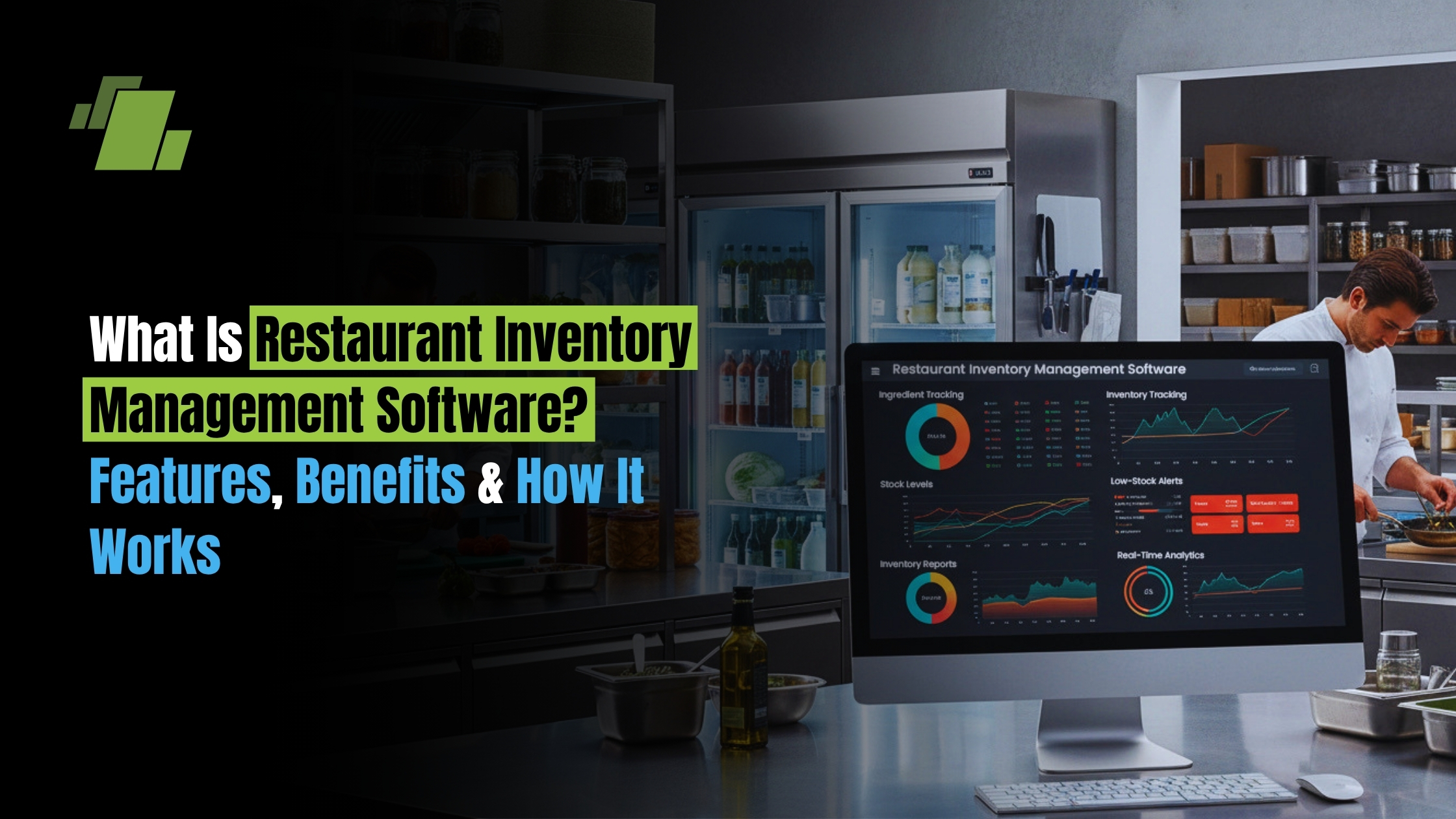
Discover what restaurant management software is, its key features, benefits, and how it works. Learn how to reduce food waste, control costs, and optimize restaurant operations with advanced inventory systems.
Introduction to Restaurant Inventory Management Software
Running a successful restaurant is no longer just about great food and excellent service, it also requires strong operational control behind the scenes. One of the most important aspects of this is inventory management. Restaurants deal with perishable goods, fluctuating demand, and tight profit margins, making inventory control a complex but essential task.
Restaurant inventory management software helps restaurant owners and managers track stock levels, monitor ingredient usage, reduce waste, and optimize purchasing decisions in real time.
What Is Restaurant Inventory Management Software?
Restaurant inventory management software is a specialized system that helps food businesses track, manage, and optimize inventory levels across all operations. It provides real-time visibility into stock levels, automates key processes, and integrates with other systems such as POS (Point of Sale) and ERP.
Core Functions
- Real-time inventory tracking
- Monitoring ingredient consumption
- Automated purchase order generation
- Supplier and vendor management
- Inventory reporting and analytics
This system is widely used in restaurants, cafes, cloud kitchens, and food chains to maintain optimal inventory levels and ensure smooth operations.
Why Inventory Management Is Important for Restaurants
Effective restaurant inventory management is the backbone of successful restaurant operations. Without proper inventory control, businesses may face serious challenges such as overstocking, food waste, stockouts, and financial losses. Implementing a reliable inventory management system for restaurants ensures smooth operations, cost efficiency, and improved customer experience.
1. Ensures Availability of Ingredients at All Times
Maintaining the right stock levels ensures that essential ingredients are always available when needed. This helps restaurants avoid disruptions in food preparation and ensures consistent service delivery.
Proper inventory tracking systems help monitor stock levels in real time and prevent shortages.
2. Prevents Overstocking and Reduces Food Waste
Overstocking leads to spoilage, especially for perishable items like vegetables, dairy, and meat. Efficient inventory management techniques help maintain optimal stock levels and reduce excess inventory.
This not only minimizes waste but also improves cost efficiency.
3. Controls Food and Operational Costs
Inventory management plays a key role in controlling costs by optimizing purchasing decisions and reducing unnecessary expenses. Restaurants can track inventory usage and identify areas where costs can be minimized.
Better cost control directly improves profitability.
4. Enhances Customer Satisfaction Through Timely Service
When inventory is managed effectively, restaurants can fulfill orders without delays or substitutions. This ensures a better dining experience and improves customer satisfaction.
Consistent service quality helps build customer loyalty and brand reputation.
5. Supports Better Financial and Operational Planning
Accurate inventory data helps restaurant owners make informed decisions about purchasing, pricing, and resource allocation. It also supports better forecasting and long-term planning.
Advanced inventory management systems provide insights that help optimize operations and improve efficiency.
6. Provides Competitive Advantage and Business Growth
Restaurants that adopt modern inventory management software gain a competitive edge by reducing inefficiencies, improving accuracy, and maximizing profits.
Efficient inventory management supports scalability, allowing businesses to expand operations without compromising performance.
Key Features of Restaurant Inventory Management Software
Modern restaurant inventory management software is equipped with advanced features that help streamline operations, improve accuracy, and optimize stock control. These features enable restaurants to manage inventory efficiently, reduce waste, and enhance overall business performance.
1. Real-Time Inventory Tracking for Accurate Stock Control
Real-time inventory tracking allows restaurants to monitor stock levels instantly across kitchens, storage areas, and multiple locations. Every sale or ingredient usage is automatically updated through system integration, ensuring accurate and up-to-date records.
This feature eliminates manual errors and provides complete visibility into inventory at all times.
2. Automated Stock Replenishment for Continuous Operations
Automated stock replenishment ensures that inventory levels never fall below critical limits. The system automatically generates purchase orders when stock reaches predefined thresholds, helping restaurants avoid stockouts and maintain smooth operations.
This automation improves efficiency and reduces the risk of supply disruptions.
3. Inventory Forecasting for Better Demand Planning
Using historical sales data and consumption patterns, inventory forecasting tools predict future demand accurately. This helps restaurants plan purchases effectively, maintain optimal stock levels, and reduce excess inventory.
Forecasting plays a key role in improving profitability and minimizing waste.
4. POS Integration for Seamless Data Synchronization
Integration with POS inventory management software ensures that inventory levels are updated automatically after each transaction. This eliminates the need for manual data entry and ensures consistency between sales and stock records.
POS integration enhances accuracy and supports real-time decision-making.
5. Waste Tracking to Reduce Losses and Improve Efficiency
Waste tracking features help restaurants monitor expired, spoiled, or unused items. By identifying patterns in waste, businesses can optimize purchasing decisions and improve operational efficiency.
Reducing waste directly contributes to cost savings and sustainability.
6. Multi-Location Inventory Management for Scalability
For restaurant chains and franchises, managing inventory across multiple outlets can be challenging. Multi-location management allows businesses to control stock across all locations from a centralized dashboard.
This ensures consistency, improves coordination, and supports business expansion.
7. Reporting and Analytics for Data-Driven Decisions
Advanced reporting and analytics provide detailed insights into inventory usage, costs, and performance. Managers can analyze trends, identify inefficiencies, and make informed decisions to optimize operations.
These insights are essential for improving profitability and long-term growth.
How Restaurant Inventory Management Software Works
Understanding how restaurant inventory management software works enables businesses to fully leverage its capabilities for better control, efficiency, and profitability. This software automates the entire inventory management process, from stock tracking to demand forecasting, ensuring accurate and real-time insights.
Step 1: Data Input and Inventory Setup
The process begins with entering initial inventory data into the system. This includes stock levels, ingredient details, supplier information, and pricing. Many modern inventory management systems for restaurants also allow data import from existing tools.
Accurate data setup is essential for effective inventory control and smooth system performance.
Step 2: Real-Time Inventory Tracking
Once the system is set up, inventory levels are updated automatically in real time. Integration with POS inventory management software ensures that every sale instantly reduces stock levels.
This real-time tracking eliminates manual errors and provides complete visibility into available inventory.
Step 3: Consumption Monitoring and Usage Tracking
The software tracks how ingredients are consumed based on predefined recipes and sales data. This helps restaurants understand usage patterns and optimize stock levels.
Consumption monitoring is essential for improving inventory forecasting and reducing waste.
Step 4: Alerts and Notifications for Low Stock
Automated alerts notify managers when stock levels fall below predefined thresholds. These notifications help prevent stockouts and ensure timely replenishment.
This proactive approach improves efficiency and ensures uninterrupted restaurant operations.
Step 5: Automated Ordering and Supplier Management
When inventory reaches reorder levels, the system automatically generates purchase orders and sends them to suppliers. This streamlines procurement and reduces delays.
Integration with supplier systems improves supply chain inventory management and ensures timely deliveries.
Step 6: Reporting, Analytics, and Demand Forecasting
The final step involves generating detailed reports and analytics. Managers can analyze stock trends, monitor costs, and forecast demand using data-driven insights.
Advanced reporting helps optimize inventory levels, improve decision-making, and enhance profitability.
Benefits of Restaurant Inventory Management Software
Implementing restaurant inventory management software offers numerous advantages that help streamline operations, reduce costs, and improve overall business performance. By leveraging automation and real-time data, restaurants can achieve better control over inventory and enhance profitability.
Reduced Food Waste and Better Inventory Control
One of the biggest challenges in the restaurant industry is managing perishable goods. Inventory management software helps track expiration dates, monitor usage patterns, and maintain optimal stock levels, significantly reducing food waste and spoilage.
This not only lowers operational costs but also supports sustainable business practices.
Improved Cost Control and Expense Management
Restaurants can gain better visibility into inventory costs with real-time tracking and reporting. This allows businesses to optimize purchasing decisions, avoid overstocking, and reduce unnecessary expenses.
Accurate cost monitoring also improves budgeting and financial planning.
Increased Operational Efficiency Through Automation
Automation eliminates manual inventory tracking and reduces human errors. Tasks such as stock updates, order generation, and reporting are handled automatically, saving time and improving workflow efficiency.
This allows staff to focus more on customer service and core operations.
Better Demand Forecasting and Planning
Using historical data and analytics, inventory systems provide accurate inventory forecasting. This helps restaurants anticipate demand, plan purchases effectively, and avoid both stockouts and overstocking.
Better forecasting leads to improved inventory planning and resource utilization.
Enhanced Profitability and Business Growth
By reducing waste, optimizing stock levels, and improving efficiency, restaurants can significantly increase their profit margins. Efficient inventory management also supports scalability and long-term growth.
It enables data-driven decision-making, helping businesses stay competitive in the market.
Common Challenges Solved by Inventory Software
Managing inventory in the restaurant industry comes with several operational challenges that can directly impact profitability and customer satisfaction. Without the right tools, businesses often struggle with inefficiencies, errors, and lack of control.
Restaurant inventory management software helps overcome these issues by providing automation, real-time tracking, and data-driven insights, ensuring more efficient and accurate inventory control.
Overstocking Leading to Food Waste
Overstocking occurs when restaurants purchase more inventory than required, leading to spoilage and increased storage costs. This is especially critical for perishable items like vegetables, dairy, and meat.
Inventory management software helps maintain optimal stock levels through accurate demand forecasting and automated replenishment, reducing excess inventory and minimizing waste.
Stockouts Affecting Customer Satisfaction
Stockouts happen when essential ingredients are unavailable, leading to menu disruptions and dissatisfied customers. This can result in lost sales and damage to brand reputation.
With real-time tracking and automated alerts, inventory software ensures timely replenishment and prevents stock shortages.
Manual Errors in Inventory Tracking
Traditional inventory tracking methods such as spreadsheets or manual logs are prone to human errors, leading to inaccurate stock data and poor decision-making.
Automated inventory control systems eliminate manual errors by updating stock levels in real time and ensuring data accuracy.
Lack of Real-Time Inventory Visibility
Without real-time visibility, restaurant managers cannot make informed decisions about stock levels, ordering, or usage patterns.
Modern inventory management systems provide real-time dashboards and analytics, enabling better monitoring and faster decision-making.
Inefficient Supplier and Vendor Management
Managing multiple suppliers manually can lead to delays, pricing inconsistencies, and supply chain disruptions.
Inventory software streamlines supplier management by automating purchase orders, tracking vendor performance, and ensuring timely deliveries.
Real-World Examples of Restaurant Inventory Management
Small Restaurants
Small cafes use POS-integrated systems to track daily stock and manage purchases efficiently.
Restaurant Chains
Large chains use cloud-based systems to manage inventory across multiple locations.
Cloud Kitchens
Cloud kitchens rely heavily on inventory forecasting to manage high order volumes and reduce waste.
Types of Inventory Managed in Restaurants
Effective restaurant inventory management requires handling multiple types of inventory efficiently. Each category plays a critical role in ensuring smooth operations, cost control, and consistent service quality. Understanding these inventory types helps restaurants implement better inventory control systems and optimize stock management.
1. Raw Materials Inventory (Ingredients)
Raw materials include essential ingredients such as vegetables, meat, dairy products, spices, and grains. These items form the foundation of all menu offerings and require careful monitoring due to their perishable nature.
Proper management of raw materials helps reduce food waste, maintain freshness, and support accurate inventory forecasting.
2. Work-in-Progress (WIP) Inventory
Work-in-progress inventory refers to partially prepared ingredients, such as chopped vegetables, marinated items, or pre-cooked components. These items are in the intermediate stage before becoming finished dishes.
Efficient tracking of WIP inventory ensures better kitchen coordination and minimizes delays during peak hours.
3. Finished Goods Inventory
Finished goods include ready-to-serve dishes and prepared meals available for customers. Managing this type of inventory is crucial for maintaining service speed and customer satisfaction.
Accurate tracking helps prevent overproduction and ensures that food quality standards are maintained.
4. Non-Food Inventory (Operational Supplies)
Non-food inventory consists of items such as packaging materials, cleaning supplies, utensils, and disposable products. While not directly related to food preparation, these items are essential for daily operations.
Proper management ensures uninterrupted service and avoids operational disruptions.
Best Practices for Implementing Inventory Management Software
Implementing restaurant inventory management software effectively requires a strategic approach. By following proven best practices, businesses can maximize efficiency, reduce errors, and achieve better control over inventory operations. These practices ensure seamless adoption and long-term success.
1. Automate Inventory Tracking for Accuracy and Efficiency
Automating inventory tracking using advanced inventory management systems ensures real-time updates, accurate stock levels, and improved operational efficiency.
Automation helps businesses maintain optimal inventory levels, reduce excess inventory, and improve overall productivity.
2. Integrate Inventory Software with POS and ERP Systems
Seamless integration with POS inventory management software and ERP inventory management systems is essential for real-time data synchronization. This integration allows automatic stock updates after every sale and provides a centralized view of operations.
It enhances decision-making, improves data accuracy, and streamlines workflows across departments.
3. Conduct Regular Stock Audits to Maintain Accuracy
Regular stock audits help identify discrepancies between physical inventory and system records. Businesses should perform periodic checks to ensure data accuracy and prevent losses due to theft, damage, or mismanagement.
Stock audits also improve accountability and strengthen overall inventory control processes.
4. Train Staff on Inventory Management Processes
Proper training ensures that employees understand how to use inventory management software effectively. Well-trained staff can handle stock tracking, reporting, and system updates efficiently, reducing errors and improving productivity.
Training also ensures smooth adoption of new technologies and better compliance with inventory policies.
5. Use Inventory Forecasting Tools for Demand Planning
Leveraging inventory forecasting tools helps businesses predict demand based on historical data and trends. This allows restaurants to plan purchases more effectively, avoid stockouts, and reduce overstocking.
Accurate forecasting is key to maintaining optimal inventory levels and improving profitability.
Future Trends in Restaurant Inventory Management
The future of restaurant inventory management software is rapidly evolving with the integration of advanced technologies. Modern restaurants are adopting intelligent systems to improve efficiency, reduce costs, and enhance decision-making. These innovations are transforming traditional inventory processes into data-driven, automated solutions.
The future of restaurant inventory management is driven by technology:
1. AI-Based Demand Forecasting
Artificial Intelligence (AI) is revolutionizing inventory forecasting by analyzing historical sales data, seasonal trends, and customer behavior. AI-powered systems help restaurants predict demand accurately, maintain optimal stock levels, and reduce excess inventory.
2. Cloud-Based Inventory Systems
Cloud technology enables restaurants to access inventory data anytime, anywhere. Cloud-based inventory management systems provide real-time updates, centralized control, and seamless scalability for multi-location restaurants.
3. IoT-Enabled Smart Kitchens
The Internet of Things (IoT) is enhancing inventory control through smart devices that track ingredient usage and storage conditions. IoT-enabled kitchens can monitor temperature, stock levels, and equipment performance automatically.
4. Predictive Analytics for Cost Optimization
Predictive analytics helps restaurants analyze data patterns to optimize purchasing decisions and reduce operational costs. It enables better planning by identifying trends and minimizing waste.
5. Integration with Supply Chain Systems
Modern inventory systems integrate seamlessly with supply chain management software, improving coordination between suppliers, warehouses, and restaurant outlets. This ensures timely deliveries and efficient stock management.
6. Voice Search & Automation in Inventory Management
With the rise of voice assistants and automation, restaurant staff can manage inventory using voice commands and automated workflows, improving efficiency and reducing manual effort.
7. Data-Driven Decision Making
Advanced reporting dashboards provide real-time insights into stock levels, usage patterns, and costs, enabling smarter business decisions.
Why Choose LOGIC ERP Restaurant Inventory Management Software for Your Food Chain Business?
LOGIC ERP restaurant inventory management software is a top choice for food chain businesses due to its real-time tracking, multi-location management, POS integration, automated replenishment, advanced forecasting, and powerful analytics that improve efficiency and profitability.
1. Centralized Inventory Management for Multi-Location Restaurants
LOGIC ERP enables restaurant chains to manage inventory across multiple outlets from a single, centralized platform. This ensures real-time visibility of stock levels, reduces inconsistencies, and improves coordination between locations.
2. Real-Time Inventory Tracking and Control
With advanced real-time inventory tracking, LOGIC ERP allows businesses to monitor stock levels instantly. Every transaction is automatically updated, ensuring accurate data and eliminating manual errors.
This improves decision-making and ensures optimal stock levels at all times.
3. Seamless POS and ERP Integration
LOGIC ERP integrates smoothly with POS systems and ERP modules, enabling automatic synchronization of sales and inventory data. This reduces duplication, improves efficiency, and ensures data accuracy across departments.
4. Advanced Inventory Forecasting and Demand Planning
Using historical data and analytics, LOGIC ERP provides accurate inventory forecasting to help restaurants predict demand and plan stock accordingly. This reduces excess inventory and prevents stockouts.
5. Automated Stock Replenishment and Supplier Management
The system automates purchase orders and supplier coordination, ensuring timely replenishment of stock. This reduces delays, improves supply chain efficiency, and enhances vendor management.
6. Waste Reduction and Cost Optimization
LOGIC ERP helps track expired and wasted items, enabling restaurants to reduce food waste and improve cost control. This directly contributes to higher profitability and sustainable operations.
7. Comprehensive Reporting and Analytics
With powerful reporting tools, LOGIC ERP provides insights into inventory usage, costs, and performance. These analytics help restaurant owners make data-driven decisions and optimize operations.
8. Scalable Solution for Growing Food Chain Businesses
Whether you operate a single outlet or a large restaurant chain, LOGIC ERP is designed to scale with your business. Its flexible architecture supports expansion without compromising performance.
9. User-Friendly Interface and Easy Implementation
LOGIC ERP offers an intuitive interface that simplifies inventory management processes. It also provides easy implementation and training support, ensuring quick adoption by staff.
Conclusion
Restaurant inventory management software is a powerful tool that transforms how restaurants handle stock, costs, and operations. By automating inventory processes, improving forecasting accuracy, and reducing waste, it enables businesses to operate more efficiently and profitably.
In an industry where margins are tight and competition is fierce, leveraging advanced inventory solutions can be the key to long-term success. Whether you run a small café or a large restaurant chain, investing in the right inventory management system can significantly enhance your operational performance and customer satisfaction.
Call us at +91-73411-41176 or send us an email at sales@logicerp.com to book a free demo today!
Frequently Asked Questions (FAQs)
1. What is restaurant inventory management software?
It is a digital system that helps restaurants track, manage, and optimize inventory levels to reduce costs and improve efficiency.
2. Why is inventory management important in restaurants?
It ensures smooth operations, reduces waste, controls costs, and improves customer satisfaction.
3. How does inventory software reduce food waste?
By tracking expiration dates and usage patterns, it helps optimize purchasing and reduce spoilage.
4. What features should restaurant inventory software have?
Key features include real-time tracking, POS integration, forecasting, reporting, and automated ordering.
5. What are the benefits of inventory management software?
It improves efficiency, reduces costs, enhances forecasting, and increases profitability.