What role does an ERP system play in the manufacturing process?

Summary
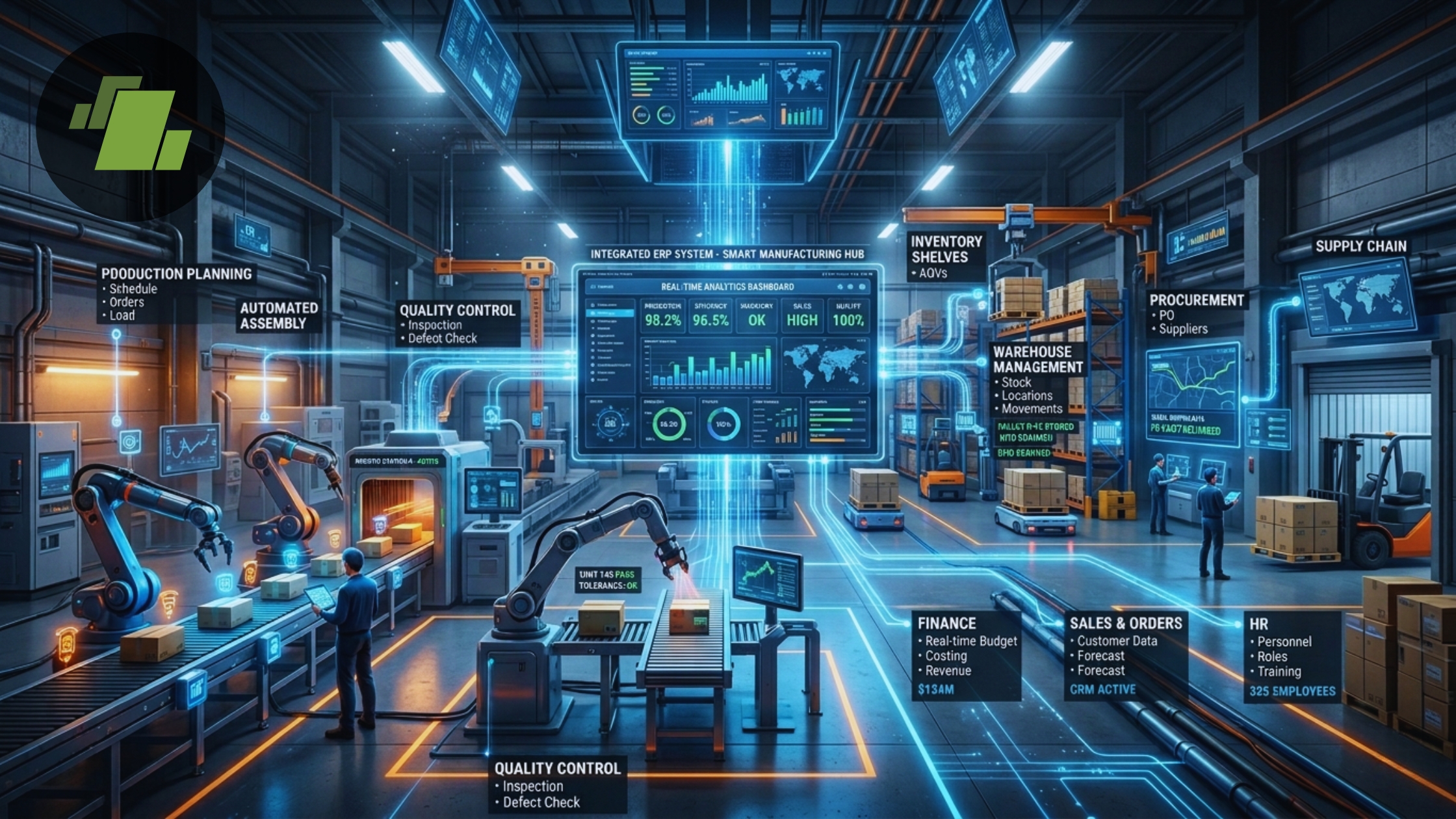
Process manufacturing industries such as food and beverages, pharmaceuticals, cosmetics, chemicals, and paints face unique challenges including recipe management, quality control, regulatory compliance, inventory tracking, and supply chain coordination. A modern manufacturing erp software helps to streamline operations, improve production accuracy, enhance traceability, manage inventory efficiently, and ensure compliance. By integrating all business processes into a single platform, manufacturers can reduce costs, increase productivity, and make smarter business decisions.
Contact Us
Free Demo Request
Introduction
Process manufacturing is one of the most complex sectors in the manufacturing industry. Unlike discrete manufacturing, where products are assembled from individual components, process manufacturing relies on formulas, recipes, and batch production methods. Businesses must carefully manage raw materials, production processes, quality standards, and regulatory requirements while maintaining profitability.
As market conditions evolve rapidly, manufacturers need greater visibility and control across their operations. This is where Manufacturing ERP Software becomes essential. A comprehensive ERP solution enables process manufacturers to automate workflows, improve efficiency, and gain real-time insights into every aspect of their business.
What is ERP Software for Process Manufacturing?
ERP (Enterprise Resource Planning) software is a centralized business management solution that integrates various departments such as production, procurement, inventory, quality control, finance, and supply chain management.
For process manufacturers, ERP software helps manage:
- Formulations and recipes
- Batch production
- Inventory and warehouse operations
- Supplier and procurement processes
- Product traceability
- Regulatory compliance
- Costing and profitability analysis
By connecting all business functions, ERP software eliminates data silos and improves operational efficiency.
Research and Development Management
Product innovation is critical for process manufacturers. Developing new products and improving existing formulations requires detailed tracking of ingredients, costs, and revisions.
LOGIC ERP helps businesses:
- Manage formulations and recipes
- Track product revisions and changes
- Monitor development costs
- Maintain complete product histories
- Perform multi-level production calculations
This enables faster product development while ensuring consistency and quality.
Managing Multiple Units of Measurement
Process manufacturing often involves different units of measurement during procurement, production, storage, and sales.
With LOGIC ERP, businesses can:
- Automatically convert units of measurement
- Manage multiple packaging sizes
- Handle purchasing and sales in different units
- Improve inventory accuracy
- Reduce manual calculation errors
This flexibility helps manufacturers meet customer requirements while maintaining operational efficiency.
Advanced Inventory and Warehouse Management
Inventory plays a critical role in process manufacturing operations. Manufacturers must track raw materials, semi-finished goods, and finished products while minimizing waste and ensuring quality.
LOGIC ERP offers:
- Batch-wise inventory tracking
- Expiry date management
- FIFO and FEFO inventory methods
- Real-time stock visibility
- Warehouse and location management
- Automated stock alerts
These capabilities help businesses optimize inventory levels and reduce losses.
Supply Chain Optimization
Modern manufacturers require complete visibility across their supply chains to ensure uninterrupted production and timely deliveries.
LOGIC ERP enables organizations to:
- Manage supplier performance
- Track material movement
- Monitor procurement activities
- Improve production planning
- Ensure raw material availability
- Calculate accurate production costs
Improved supply chain visibility leads to better decision-making and operational efficiency.
By-Product and Co-Product Management
Many process manufacturing operations generate by-products and co-products during production.
LOGIC ERP helps businesses:
- Track by-products and co-products separately
- Allocate production costs accurately
- Manage inventory of secondary outputs
- Improve resource utilization
- Increase profitability through better product management
This ensures that all production outputs contribute maximum business value.
Quality Control and Compliance Management
Process manufacturers must comply with strict industry regulations and quality standards.
LOGIC ERP supports compliance by providing:
- Batch traceability
- Quality inspection management
- Audit-ready reports
- Regulatory documentation
- Product recall support
- Compliance monitoring tools
These features help maintain product quality while reducing compliance risks.
Key Benefits of LOGIC ERP for Process Manufacturers
Implementing LOGIC ERP helps businesses achieve:
- Higher production efficiency
- Better inventory control
- Enhanced traceability
- Reduced operational costs
- Improved supplier management
- Faster decision-making
- Increased profitability
- Stronger regulatory compliance
Read More: Using Process Manufacturing Software to upgrade your Business
Conclusion
The future of process manufacturing depends on agility, visibility, and automation. Traditional systems are no longer sufficient to manage the complexities of modern manufacturing environments.
LOGIC ERP empowers process manufacturers with advanced tools for production planning, inventory management, supply chain optimization, quality control, and compliance management. By integrating business operations into a single platform, manufacturers can improve productivity, reduce costs, and stay competitive in an increasingly digital world.
Call at +91-73411-41176/75 or send us an email at sales@logicerp.com to book a free demo today!
Frequently Asked Questions (FAQs)
1. What is ERP software in process manufacturing?
ERP software is a business management solution that integrates production, inventory, procurement, finance, and quality control processes into a single system, helping manufacturers improve efficiency and visibility.
2. How does ERP improve inventory management in manufacturing?
ERP software provides real-time inventory tracking, batch management, expiry date monitoring, warehouse control, and automated stock alerts to optimize inventory levels and reduce wastage.
3. Why is traceability important in process manufacturing?
Traceability helps manufacturers track products from raw materials to finished goods, ensuring quality control, regulatory compliance, and faster product recalls when necessary.
4. Can ERP software manage recipes and formulations?
Yes. Manufacturing ERP software allows businesses to create, modify, and manage recipes, formulations, batch quantities, and product revisions while maintaining consistency across production processes.
5. How does LOGIC ERP help process manufacturers?
LOGIC ERP streamlines production planning, inventory management, supply chain operations, quality control, compliance tracking, and cost analysis, enabling manufacturers to improve efficiency and profitability.