The Future of Retail: How ERP Software Drives Scalable Business Growth

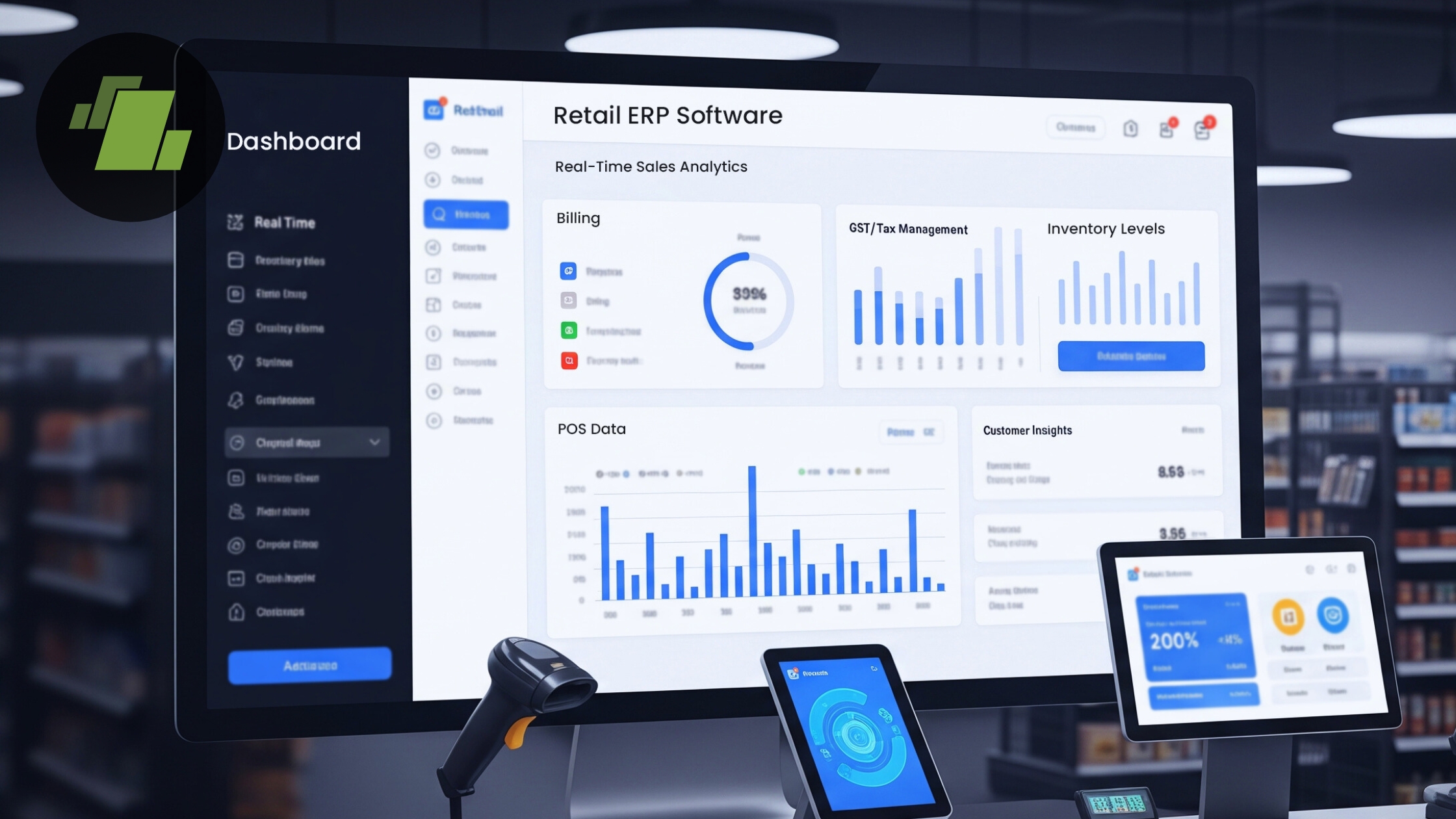
Explore key retail trends and how retail ERP software helps retailers streamline multichannel operations, manage inventory, automate workflows, and scale with LOGIC ERP.
Over the last two years, the retail industry has undergone more transformation than ever before. Changing consumer behavior, digital acceleration, and global disruptions have reshaped how retailers operate and compete. As businesses stepped into , the industry entered a more mature and adaptive phase—one where agility, data-driven decisions, and automation became essential.
ERP software has played a critical role in this evolution. From managing multichannel operations to automating accounting, HR, inventory, and financial planning, ERP systems have helped retailers respond quickly to uncertainty while laying the foundation for scalable growth.
AtLOGIC ERP, we’ve closely tracked the shifts shaping modern retail. Here are the top 10 retail trends and how ERP software solutions are enabling retailers to grow and stay competitive.
1. Brands Have Finally Mastered Multichannel Experiences
Seamless multichannel and omnichannel retail is no longer optional—it’s expected. ERP software has become the backbone for retailers aiming to unify online stores, physical outlets, marketplaces, and warehouses into a single operational ecosystem.
While legacy retailers were once slow to digitize and newer brands focused heavily on online channels, marked a turning point. With scalable ERP solutions like LOGIC ERP, retailers can support business expansion, customer growth, pop-up stores, and local fulfillment centers—without operational complexity.
2. Supply Chain Challenges Continue to Impact Inventory
Global supply chain disruptions, including shipping container shortages, affected stock availability throughout late and into . As a response, even smaller retailers began holding higher inventory levels closer to their customers.
ERP-driven demand forecasting, inventory planning, and real-time stock visibility helped retailers balance overstocking risks while preparing for demand fluctuations and potential discount cycles.
3. Labor Shortages Put Pressure on Pricing
Rising labor costs across manufacturing, logistics, and retail directly impacted product pricing. The pandemic also highlighted the need for safer and more efficient working environments.
Automation through ERP software reduced manual workloads, optimized workforce planning, and improved operational efficiency—helping retailers offset rising labor costs without compromising service quality.
4. Sustainability Is No Longer Optional
Sustainability became a core expectation rather than a brand differentiator. Consumers increasingly evaluated retailers based on eco-friendly packaging, responsible sourcing, and sustainable fulfillment practices.
ERP systems enabled better tracking of procurement, supplier compliance, waste reduction, and operational efficiency—helping retailers align profitability with sustainability goals.
5. Personalized Marketing Scales Through Automation
With greater access to commercial automation, retailers moved toward more personalized and localized marketing strategies. Integrated ERP and marketing systems allowed businesses to segment customers, analyze buying patterns, and deliver targeted communication at scale.
personalization became easier—and more powerful—than ever before.
6. Livestream Shopping Expands Beyond Asia
Livestream shopping, pioneered by Chinese retailers, began gaining traction in the United States. This interactive selling format combined real-time engagement, social proof, and instant purchasing.
ERP integration ensured that inventory accuracy, pricing, and order processing kept pace with the speed of live commerce—preventing overselling and fulfillment delays.
7. Buy Now, Pay Later Becomes Mainstream
Buy Now, Pay Later (BNPL) payment options saw rapid adoption, with transaction volumes increasing sharply during peak sales periods. Retailers offering flexible payment methods experienced higher conversion rates and improved customer satisfaction.
Cloud-based ERP software helped manage cash flow, reconcile transactions, and maintain financial clarity across multiple payment channels.
8. Experiential Retail Gains Momentum
Post-pandemic consumers sought more than just convenience—they wanted meaningful in-store experiences. Experiential retail, from personalized shopping to immersive brand environments, gained strong momentum.
ERP solutions supported these experiences by enabling real-time inventory access, customer insights, and seamless coordination between digital and physical retail touchpoints.
Read More: Top 10 Benefits of LOGIC ERP Retail Software that Every Retailer Should Know
9. Retailers Shift Focus to Customer Retention
As customer acquisition costs continued to rise, retention became a strategic priority. Retailers invested in improving post-purchase experiences, faster fulfillment, loyalty programs, and consistent service quality.
ERP-driven analytics and customer data management empowered retailers to understand lifetime value, predict repeat purchases, and build long-term relationships.
Conclusion
The retail industry stood at the intersection of technology, consumer expectations, and operational resilience. ERP software—especially cloud-based ERP—continued to transform how retailers manage growth, adapt to change, and innovate.
With a decade of rapid learning and digital progress, retailers are now better equipped than ever to apply these insights to the future.
LOGIC ERP is a trusted provider of enterprise-grade ERP software solutions designed to improve business performance across retail, distribution, and manufacturing. Discover how LOGIC ERP can help your business grow with confidence in a rapidly evolving retail landscape.
Call at +91-73411-41176 or send us an email at sales@logicerp.com to book a free demo for retail ERP software today!