Raw material inventory management software is essential for manufacturers seeking to optimize stock tracking, procurement, and production efficiency. LOGIC ERP offers a comprehensive solution to control inventory levels, reduce waste, and improve operational workflows.
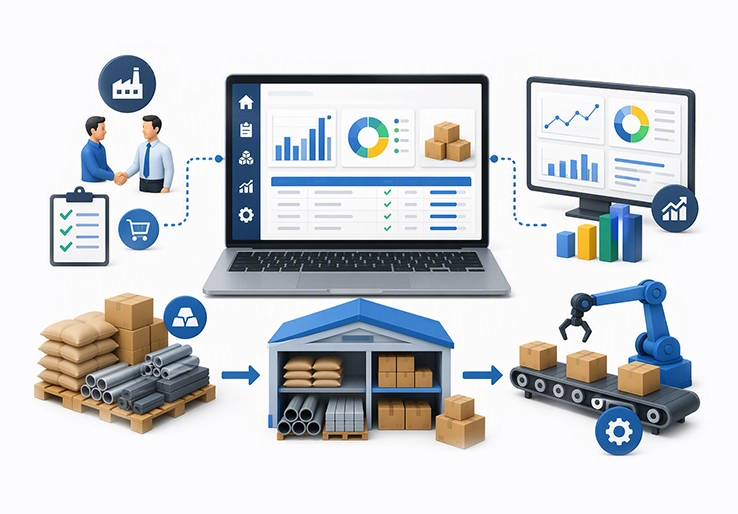
Raw material inventory management software is essential for manufacturers seeking to optimize stock tracking, procurement, and production efficiency. LOGIC ERP offers a comprehensive raw material management solution designed to help businesses control inventory levels, reduce waste, and improve operational workflows. This guide explores the features, benefits, and best practices of LOGIC ERP's raw material inventory management software, providing valuable insights for manufacturers of all sizes aiming to enhance their material handling processes.
This content covers the core capabilities of LOGIC ERP's software for managing raw materials, including inventory tracking, procurement integration, and analytics. It is intended for manufacturing managers, inventory controllers, and business owners who want to understand how effective raw material management impacts production costs, inventory turnover, and overall profitability.
By reading this guide, you will:
Raw material inventory management software like LOGIC ERP is designed to track, organize, and optimize essential materials used in manufacturing. It manages both direct raw materials — those physically incorporated into the final product — and indirect materials that support production processes without becoming part of the finished goods.
Effective software ensures real-time inventory visibility, accurate tracking of raw materials inventory levels, and seamless integration with procurement and production workflows. This helps prevent production delays caused by shortages, reduces inventory costs, and supports accurate financial reporting by maintaining precise ending inventory values.
LOGIC ERP's raw material management software focuses on three main functions: inventory tracking, procurement management, and reporting analytics.
Inventory tracking provides real-time visibility into raw materials stock across multiple warehouses, including tracking by batch and lot numbers for quality control. The software supports unit of measure conversions and multi-location stock management to accommodate diverse supplier and production requirements.
Procurement management integrates supplier data, purchase orders, and reorder alerts to maintain optimal inventory levels. Automated reorder points and low-stock notifications help minimize raw materials waste and prevent stockouts that disrupt production.
Reporting and analytics tools enable users to monitor raw materials inventory turnover, calculate average inventory and ending inventory value, and generate insights to forecast raw material needs accurately. These features support effective inventory management methods and help control inventory costs.
While many free inventory management tools exist, LOGIC ERP's software offers enterprise-grade capabilities tailored for manufacturers requiring robust BOM management, advanced lot tracking, and comprehensive procurement integration. Unlike basic free options, LOGIC ERP supports sophisticated inventory valuation methods, including FIFO and weighted average cost, ensuring accurate raw material value accounting and cost control.
LOGIC ERP provides a suite of features designed to optimize raw materials inventory management for manufacturing businesses:
Implementing LOGIC ERP's raw material management software delivers multiple operational and financial benefits:
To maximize the benefits of LOGIC ERP raw material management software, manufacturers should adopt these best practices:
LOGIC ERP stands out as a premier choice for raw material inventory management software due to its comprehensive, scalable, and user-friendly features tailored specifically for manufacturing operations. Unlike generic inventory management systems, LOGIC ERP offers specialized tools that address the unique challenges of managing both direct and indirect raw materials throughout the entire manufacturing process.
One of the key advantages is its robust Bill of Materials (BOM) management, which links raw materials directly to finished products, enabling precise calculation of raw materials inventory value and reducing excess stock. The software's real-time inventory tracking and automated reorder alerts help manufacturers maintain optimal stock levels, preventing costly production delays caused by stockouts or excess inventory that consumes valuable storage space and ties up cash flow.
LOGIC ERP also integrates seamlessly with procurement processes, streamlining supplier management and purchase orders while supporting demand forecasting to align raw material purchases with customer demand. This integration mitigates risks associated with supply chain disruptions and enhances overall manufacturing operations efficiency.
Additionally, LOGIC ERP supports multiple inventory valuation methods, including FIFO and weighted average costing, ensuring accurate raw materials inventory, accounting and financial reporting on the company's balance sheet. Its advanced reporting and analytics features provide actionable insights into inventory turnover, average raw materials inventory, and ending raw materials inventory, empowering businesses to make data-driven decisions.
By choosing LOGIC ERP raw material management software, manufacturers gain a powerful tool to manage raw materials efficiently, optimize storage space, reduce waste, and improve cash flow — ultimately driving profitability and scalability in a competitive market.
LOGIC ERP raw material management software offers a powerful platform for manufacturers to achieve effective inventory control, reduce raw material costs, and improve production efficiency. By leveraging its comprehensive features such as BOM management, real-time tracking, and procurement integration, businesses can minimize waste, optimize inventory levels, and enhance financial accuracy.
To get started:
For manufacturers aiming to streamline their raw materials inventory and boost profitability, LOGIC ERP provides a scalable, feature-rich solution that supports sustainable growth and operational excellence.
Call at +91-73411-41176 / +91-73411-41175 or send us an email at sales@logicerp.com to book a free demo today!
Raw materials inventory refers to the stock of unprocessed materials or basic materials that a company holds for use in production. These raw materials are essential inputs that are transformed during the entire production process into finished goods.
To calculate raw materials inventory, use the formula: Beginning Inventory + Purchases – Raw Materials Used = Ending Inventory. This calculation helps determine the value of raw materials on hand at the end of an accounting period.
Yes, there are raw material inventory management software free download options available that provide basic inventory tracking features. However, enterprise-grade solutions like LOGIC ERP offer more comprehensive capabilities suited for manufacturing needs.
Proper inventory management ensures optimal stock levels, reduces waste, prevents production delays, and improves cash flow by managing the company's raw materials inventory efficiently throughout the accounting period.
Manual data entry can lead to errors in inventory data, causing discrepancies in raw materials count and potentially resulting in stockouts or overstocking. Automating data entry with inventory management software reduces these risks.
Direct materials are raw materials physically incorporated into the finished product. Managing direct materials involves tracking their quantities, usage, and costs to maintain accurate inventory data and support production planning.
Raw material tracking involves monitoring the movement, usage, and storage of raw materials to maintain accurate inventory records, ensure quality control, and prevent losses throughout the production cycle.
Raw materials inventory turnover is calculated by dividing the cost of raw materials used by the average raw materials inventory. This metric indicates how efficiently a company uses its raw materials over an accounting period.
Periodic inventory systems involve counting inventory at specific intervals rather than continuously. While simpler, they can lead to less accurate real-time inventory data, affecting timely procurement and production planning.
Basic materials include unprocessed or minimally processed commodities like metals, lumber, fabrics, and chemicals that serve as the foundation for manufacturing finished goods.
Beginning inventory is the value of raw materials on hand at the start of an accounting period. It is a key component in calculating raw materials inventory and impacts purchasing and production decisions.
Regular raw materials count ensures inventory data accuracy, helps identify discrepancies, and supports proper inventory valuation and production scheduling.
Cleaning supplies are considered indirect raw materials used to support production processes but are not part of the finished product. Managing these supplies ensures operational efficiency and prevents production downtime.
Inaccurate inventory data can lead to stockouts, over-purchasing, production delays, and increased holding costs, negatively impacting overall manufacturing efficiency.
Raw materials inventory accounting is the process of tracking and recording the costs associated with acquiring, storing, and using raw materials in production. It ensures that the financial records accurately reflect the value of raw materials on hand, contributing to precise cost of goods sold calculations and inventory valuation on the balance sheet.
Managing raw materials inventory with LOGIC ERP software involves leveraging its comprehensive features to ensure accurate tracking, efficient procurement, and optimized stock levels. Begin by setting up real-time inventory tracking across multiple warehouses, including batch, lot, and serial number monitoring to maintain quality control and traceability. Use the software's automated reorder points and low-stock alerts to prevent shortages and reduce excess inventory, aligning purchases closely with production schedules through just-in-time inventory practices.
Integrate supplier management and purchase order workflows within LOGIC ERP to streamline procurement processes, ensuring timely delivery of raw materials and fostering strong supplier relationships. Utilize the system's inventory valuation methods such as FIFO and weighted average costing to maintain accurate financial records and support cost control.
Raw materials inventory management involves tracking, storing, and controlling raw materials used in production to ensure optimal stock levels, prevent shortages, and reduce waste.
Indirect raw materials are materials used in the production process that do not become part of the finished goods, such as cleaning supplies and lubricants.
Average raw materials inventory is computed by adding the beginning and ending raw materials inventory and dividing by two, providing insight into inventory levels over a period.
Effective supply chain management ensures timely procurement and delivery of raw materials, preventing production delays and maintaining consistent inventory levels.
Finished goods are the final products created after raw materials have been processed; managing raw materials inventory directly impacts the availability and production of finished goods.
Ending raw materials inventory refers to the value or quantity of raw materials remaining at the end of an accounting period after consumption in production.
Tracking raw materials ensures accurate inventory records, helps monitor usage, prevents stockouts, and supports quality control throughout the production process.
Popular Products