Benefits of Accounts Receivable Management Software

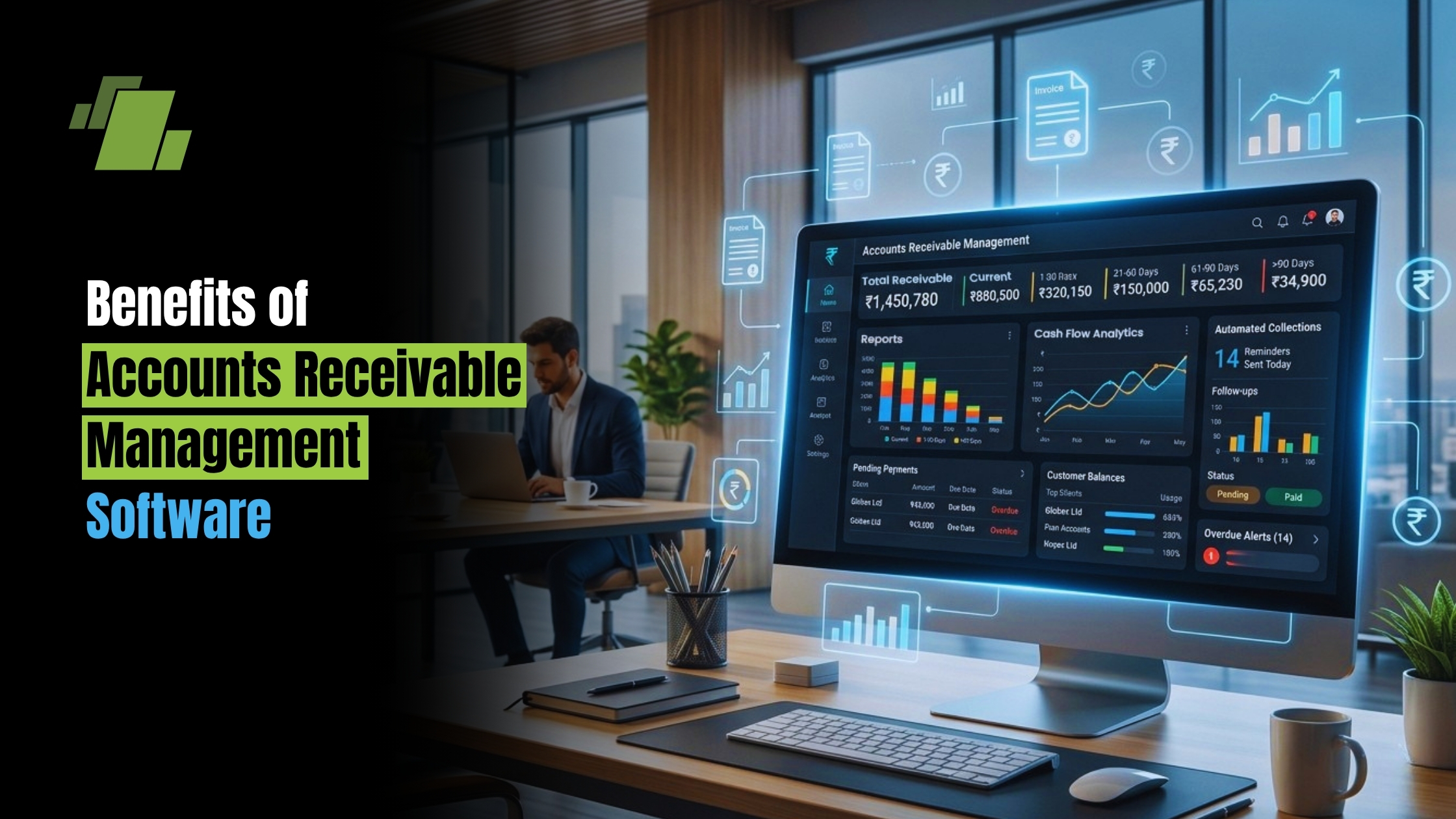
Managing accounts receivable is crucial for any business. It ensures steady cash flow and financial stability. Accounts receivable management software automates this process, reducing errors and saving time. It offers a range of features that streamline billing and payment processes. This software provides real-time insights into your financial health, working alongside cash flow software to surface trends and variances. It helps businesses make informed decisions and improve their operations.
Contact Us
Free Demo Request
Small businesses, in particular, can benefit from these tools. Many providers offer accounts receivable management software for small business with simplified onboarding and templates that grow with you. They offer cost-effective solutions that are easy to implement and scale.
In this article, we will explore accounts receivable management software benefits. Discover how it can transform your financial operations and support business growth.
What Is Accounts Receivable Management Software?
Accounts receivable management software is a digital tool that helps businesses handle their financial transactions. This software streamlines the processes involved in tracking and managing money owed by customers.
At its core, accounts receivable software automates invoicing, payment reminders, and collections. It reduces the need for manual data entry, minimizing the risk of errors. By using this software, businesses can efficiently monitor outstanding invoices and payments.
Some of the key functionalities include:
- Automated invoicing and payment reminders
- Real-time tracking of receivables
- Integration with other financial management tools
These features provide businesses with a comprehensive view of their finances. The software can also assess customer creditworthiness, crucial for credit management and complementary to credit control software.
With such a tool, companies can maintain healthy cash flow and ensure timely payments. This not only aids in smooth operations but also fosters better customer relationships through accurate and timely billing. It also supports accounts receivable software business management by centralizing policies, approvals, and collaboration. As we proceed, we’ll delve deeper into specific benefits and features.
Key Features of Accounts Receivable Management Software
Accounts receivable management software comes equipped with powerful features that enhance business efficiency. These tools handle complex financial tasks with ease and precision.
One of the primary features is automation. This includes automated invoicing and follow-ups, which save time and reduce errors. Businesses can set up workflows to generate invoices and send payment reminders without manual intervention.
Real-time insights are another critical feature. The software provides dashboards and reports that highlight outstanding receivables. This real-time view helps financial managers make informed decisions quickly.
Additionally, integration capabilities allow the software to work with existing systems. Whether it’s CRM systems or accounting software, integration ensures smooth operations without data silos.
Security and compliance are paramount. These tools protect sensitive financial data and help businesses adhere to industry standards. This reduces the risk of data breaches and costly compliance violations.
The software’s features typically include:
- Automated invoicing and reminders
- Real-time financial dashboards
- Integration with existing systems
- Enhanced security and compliance
With these features, accounts receivable management software transforms financial management. It not only streamlines processes but also empowers businesses to optimize their cash flow and credit control, and it pairs well with modern billing management systems for end-to-end visibility.
How Accounts Receivable Management Software Improves Cash Flow
Proper cash flow management is vital for business success. Accounts receivable management software plays a crucial role in this area.
Timely collections are essential to maintain healthy cash flow. This software ensures invoices are sent promptly, prompting faster payments. The automated follow-ups reduce the risk of delayed payments.
Moreover, the software offers valuable insights into payment patterns. By analyzing these trends often alongside cash flow software analytics businesses can better forecast cash inflows and address potential issues swiftly.
Enhanced credit management features also contribute to better cash flow. The software helps assess customer creditworthiness, reducing the chances of bad debt. As a result, businesses can protect their cash reserves.
Improving cash flow includes:
- Sending timely invoices
- Automating payment reminders
- Analyzing payment trends
- Assessing customer creditworthiness
By using this software, businesses not only streamline their processes but also secure their financial future. This leads to a balanced cash flow and healthier financial operation. The consistent flow of cash facilitates growth opportunities and sustainable business development.
Enhancing Credit Management and Debt Collection
Effective credit management is a cornerstone of financial stability. Accounts receivable management software enhances this aspect by providing comprehensive credit assessment tools. These features help businesses evaluate customer creditworthiness before extending credit. Many teams use accounts receivable software credit management options to standardize limits and terms.
Once credit is issued, managing and collecting debt becomes crucial. The software offers robust debt collection functionalities. Automated reminders and follow-ups help businesses maintain consistent communication with clients. This reduces overdue balances and enhances cash recovery efforts. The platform can also integrate with debt collection software and accounts receivable collection management software to streamline escalations.
In addition, the software provides detailed reporting on aging accounts. Businesses can prioritize collection efforts and focus on high-risk accounts. This strategic approach results in minimized bad debt expenses and improved recovery rates.
Core functions of credit management software include:
- Assessing customer credit risks
- Automating collection reminders
- Prioritizing collection efforts
- Generating reports on aging accounts
By implementing accounts receivable management software, companies can maintain better control over their credit operations. It streamlines debt collection, making the process more efficient and less time-consuming. Ultimately, this leads to stronger financial health and resilience against default risks.

Streamlining Billing and Payment Processing
Billing and payment processing are vital components of business operations. Accounts receivable management software automates these tasks, reducing manual errors and saving time. Automated invoicing ensures that clients receive bills promptly and consistently.
The software incorporates sophisticated payment processing tools. These tools facilitate quicker transactions, leading to improved cash flow. By automating routine billing processes, businesses can allocate resources to more strategic activities.
One standout feature is electronic invoicing. This eliminates paper waste and reduces costs associated with physical billing. Furthermore, it enhances billing accuracy and speeds up the payment cycle.
Key benefits of streamlined billing include:
- Automation of invoice generation
- Quick and reliable payment processing
- Reduction of paper use and costs
- Enhanced accuracy and timeliness
Incorporating these features, the software also integrates with various payment gateways. This seamless integration ensures that transactions occur smoothly and securely. By adopting advanced billing management systems, businesses can enhance customer satisfaction and maintain financial integrity. Streamlined billing not only improves efficiency but also bolsters client relationships.
Integration with Financial Management Tools and Systems
Integration with existing financial systems is crucial for cohesive operations. Accounts receivable management software seamlessly integrates with various financial management tools. This integration ensures that all financial data is synchronized and up-to-date.
By connecting with other systems, the software provides a comprehensive view of a company’s financial health. It allows for real-time data sharing between departments, enhancing decision-making. Businesses gain a clearer picture of their financial standings through integrated systems.
Some benefits of integration include:
- Synchronization with accounting platforms
- Real-time data updates and tracking
- Enhanced cross-department collaboration
The integration simplifies complex financial processes and minimizes data discrepancies. It allows for better budgeting, forecasting, and financial planning. Ultimately, a well-integrated system supports a business’s growth and financial strategy by providing unified financial insights. This comprehensive approach leads to more strategic financial operations.
Key benefits for small businesses include:
- Cost-effective solutions
- Easy implementation
- Customizable features
With these features, small businesses can automate routine tasks, reducing manual workload. Automation helps free up valuable time for business owners. This allows them to focus on growth and customer relationships.
Moreover, small businesses can improve cash flow management with real-time insights and tracking. The software enhances visibility into outstanding invoices and customer payments. As a result, they can make informed decisions swiftly, maintaining healthy financial practices and fostering business growth.
Security, Compliance, and Data Protection
Accounts receivable management software prioritizes security, safeguarding sensitive financial data. This protection is crucial in today’s digital landscape where data breaches are common. Security features include encryption and access controls to prevent unauthorized access.
Compliance with financial regulations is essential for all businesses. The software supports compliance by maintaining accurate records and generating reports. It ensures businesses adhere to standards and avoids costly penalties.
Crucial data protection features include:
- Data encryption
- Role-based access
- Compliance reporting
Data protection is a core advantage of this software, ensuring business continuity. It shields critical financial information and maintains customer trust. By implementing advanced security measures, businesses can focus on growth without worrying about data vulnerabilities or regulatory issues.
Choosing the Right Accounts Receivable Management Software
Selecting the ideal accounts receivable management software involves assessing your business needs. Consider the features that align with your financial goals. Analyzing software capabilities is crucial to ensure it meets your requirements.
Look for a solution that integrates seamlessly with existing systems. This integration reduces operational disruptions. Ensure the software supports scalability for future business growth.
Essential factors to consider when choosing software:
- Ease of use
- Integration capabilities
- Cost-effectiveness
- Customization options
Evaluate providers based on customer support and reliability. These factors ensure the software will be a long-term asset. By carefully weighing these aspects, you can select software that optimizes financial management and supports business success.
Conclusion: Transforming Financial Operations with Receivables Software
Accounts receivable management software revolutionizes how businesses handle their finances. It streamlines processes, enhances cash flow, and boosts efficiency. With the right software, managing receivables becomes a seamless part of business operations.
Adopting this technology promotes better financial health and competitiveness. Small and medium-sized businesses particularly benefit from its features, like automation and integration. By embracing receivables software, companies can transform their financial operations, achieving greater stability and growth. This tool is not only a financial aid but a strategic asset for success.
Call at +91-73411-41176/75 or send us an email at sales@logicerp.com to book a free demo today!
Frequently Asked Questions
1. What is accounts receivable management software and what does it do?
It’s a digital tool that streamlines how businesses track and collect money owed by customers. Core functions include automating invoicing, payment reminders, and collections; reducing manual data entry and errors; providing real-time dashboards and reports on outstanding receivables; integrating with other systems (like accounting and CRM); and even assessing customer creditworthiness. By centralizing policies, approvals, and collaboration, it delivers a comprehensive, up-to-date view of financial health and helps ensure timely, accurate billing.
2. How does this software improve cash flow?
It accelerates inflows by sending invoices promptly and automating follow-ups, which reduces payment delays. Real-time insights into payment patterns often paired with cash flow software analytics help forecast cash receipts and surface issues early. Built-in credit management lowers bad-debt risk by evaluating customer creditworthiness before extending terms. Together, these capabilities stabilize cash flow, support better planning, and create room for sustainable growth.
3. In what ways does it enhance credit management and debt collection?
The software standardizes credit policies by assessing customer risk and setting limits and terms. It automates collection touchpoints (reminders and follow-ups), provides aging reports to prioritize high-risk accounts, and can integrate with debt collection and accounts receivable collection management tools for escalations. This targeted, consistent approach reduces overdue balances, improves recovery rates, and minimizes bad-debt expenses.
4. Why is integration with other financial tools important?
Seamless integration synchronizes data across accounting platforms, CRM, billing management systems, and payment gateways, eliminating silos and discrepancies. Real-time data sharing improves cross-department collaboration and gives a unified picture of financial health. The result is more accurate budgeting, forecasting, and planning, plus end-to-end visibility from billing through collection.
5. How should a small business choose the right accounts receivable software?
Prioritize ease of use, simplified onboarding, and ready-made templates that can grow with you. Ensure strong integration capabilities with your existing systems, along with scalability and customization. Look for cost-effective pricing, including free tiers or trials where available, and verify security and compliance features (encryption, role-based access, compliance reporting). Reliable vendor support is also key to making the software a long-term asset.
6. How is accounts receivable management software different from general accounting or billing tools?
It focuses specifically on tracking, managing, and collecting customer receivables. Beyond issuing invoices, it automates reminders and collections, provides real-time dashboards on outstanding balances, analyzes payment trends, and assesses customer creditworthiness. It complements not replaces accounting and billing systems by integrating with them to eliminate data silos and provide end-to-end visibility from billing through collection.
7. Which processes does the software automate, and what manual work does it reduce?
It automates invoice generation, payment reminders and follow-ups, collections workflows, and electronic invoicing. It also streamlines payment processing via integrated gateways and produces aging and receivables reports. These automations cut manual data entry, reduce errors, prevent inconsistent follow-ups, and free teams to focus on higher-value tasks.
8. What real-time insights will I see, and how do they improve decisions?
You get dashboards and reports showing outstanding receivables, aging by customer, and payment patterns plus trends and variances surfaced alongside cash flow software analytics. This visibility helps you forecast inflows, prioritize collections, spot at-risk accounts, and adjust credit terms faster, leading to more confident, data-driven decisions.
9. How does the software enhance security, compliance, and data protection?
It safeguards sensitive financial data with encryption and role-based access, and supports compliance via accurate record-keeping and compliance reporting. Centralized, secure data reduces breach risk, minimizes costly compliance errors, and maintains customer trust while ensuring continuity of financial operations.
10. Why is this especially useful for small businesses?
Small businesses benefit from cost-effective, easy-to-implement solutions with simplified onboarding, ready-made templates, and customization that scales as they grow. Automation reduces manual workload, while real-time tracking improves cash flow visibility together enabling faster decisions, better customer relationships, and sustainable growth.

Author
Gurbir Singh
Co-founder & Managing Director | LOGIC ERP Solutions Pvt. Ltd.
With 30+ years of experience in the tech industry, I took the helm of technology & product development, ensuring LOGIC ERP’s continuous innovation & leadership in the evolving tech landscape.