Benefits of Using Personal Accounting Software

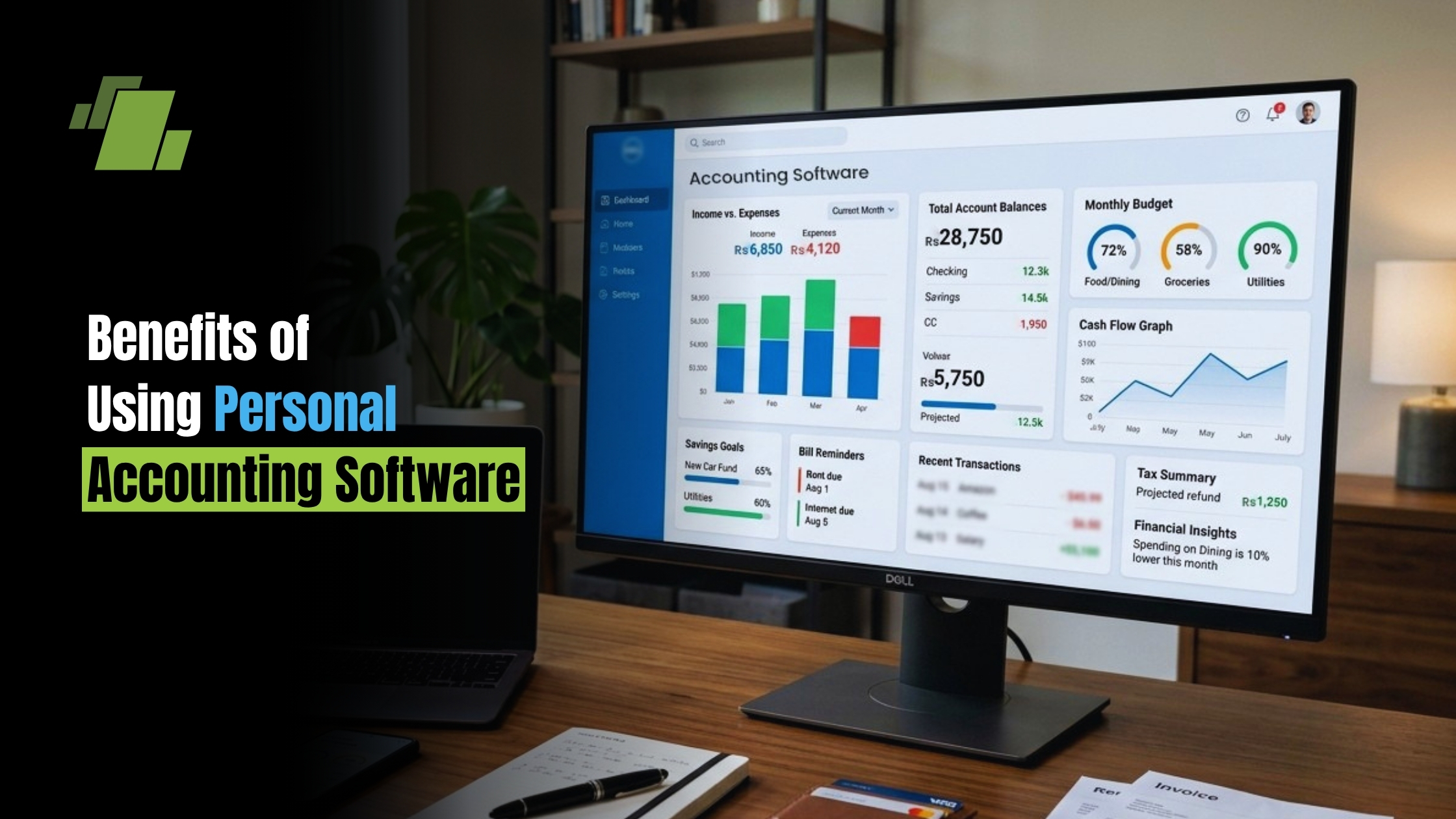
Managing personal finances can be challenging. Personal accounting software offers a solution to simplify this task.
These tools help track income, expenses, and budgets efficiently. They provide insights into spending habits and financial health.
Many options are available, from free personal accounting software to open source accounting software. Each offers unique features tailored to individual needs. For many, this functions as accounting software for individuals that adapts to different financial situations.
Contact Us
Free Demo Request
Whether you prefer accounting software for PC or household accounting software, there’s a solution for everyone. Offline accounting software free download options are also available for those who prefer offline access.
Explore the benefits of personal accounting software and take control of your finances today.
What Is Personal Accounting Software?
Personal accounting software is a digital tool designed for individual financial management. Often described as accounting software for individuals, it aims to simplify tracking personal income and expenses.
These tools often integrate with bank accounts. This allows automatic transaction updates, easing manual entry burdens.
A typical software package may offer features such as:
- Budget setting and tracking
- Bill reminders
- Investment management
Software options vary widely. Some are available as free personal accounting software. Others come as part of open source accounting software solutions.
These applications suit different financial needs. They cater to various users, from tech-savvy individuals seeking custom solutions to those looking for simple, user-friendly software.
Key Benefits of Personal Accounting Software
Personal accounting software revolutionizes financial management. It offers unparalleled ease, accuracy, and convenience for individuals. Users can access detailed financial insights effortlessly.
With such software, tracking spending habits becomes straightforward. This helps users identify where they can save more effectively.
A major advantage is time-saving. Automated processes reduce time spent on manual entries and calculations. This allows more focus on financial planning and decision-making.
Moreover, many software options allow seamless mobile access. Users can manage finances from anywhere, ensuring they remain in control.
Here are some key benefits:
- Efficient income and expense tracking
- Automated bill reminders and alerts
Additionally, software offers customized reports. These assist in visualizing one’s financial health and setting realistic goals.
Many modern software solutions integrate with bank accounts and investment portfolios. This integration provides a comprehensive overview of personal finances.
To summarize the benefits:
- Enhanced financial overview through integration
- Accessibility through mobile apps for on-the-go use
By leveraging these tools, individuals can streamline their financial management processes. Ultimately, they achieve greater peace of mind and financial control.
Simplified Financial Tracking
Simplified financial tracking is a standout feature of personal accounting software. It automatically records transactions from linked bank accounts.
This automation is a game changer, minimizing manual entry errors. Users can categorize transactions easily.
Key tracking features include:
- Automated transaction categorization
- Expenditure tracking by category
- Identification of spending trends
These tracking capabilities help users detect unnecessary spending. Insights gained lead to more informed financial decisions.
Enhanced Budgeting and Goal Setting
Budgeting and goal setting is easier with personal accounting software. Users can create customized budgets tailored to their needs.
The software also tracks progress and alerts users. Alerts signal when they approach budget limits.
Enhanced features include:
- Custom budget categories
- Budget limit alerts
- Progress tracking towards financial goals
Visual dashboards offer a clear view of budgets. They make financial planning intuitive and engaging.
Improved Security and Data Protection
Security and data protection are paramount in personal finance. Software solutions implement robust security measures.
Encrypted data storage ensures sensitive information remains safe. Only authorized users can access financial data.
Data protection features comprise:
- End-to-end encryption
- Two-factor authentication for added security
These measures instill confidence. Users manage their finances knowing their data is secure.
Types of Personal Accounting Software
Selecting the right personal accounting software hinges on understanding available types. From free options to open-source solutions, each type serves different needs.
Free personal accounting software is ideal for budget-conscious users. It offers essential features without cost. Conversely, open-source software appeals to tech-savvy individuals who seek customization.
Many prefer traditional desktop software for offline access. These solutions are ideal for users who prioritize data security and independence from internet reliance.
Different software types include:
- Free software with core features
- Open-source with customization
- Offline desktop solutions
Choosing among them depends on user priorities like cost, customization, or offline access. Evaluating individual needs ensures the best software match.
Each software type offers unique benefits. Deciding becomes simpler when users identify their main requirements and preferences.
Free Personal Accounting Software
Free personal accounting software often surprises with its capability. It caters to users on a budget, providing essential features without incurring costs.
Such software frequently includes:
- Income and expense tracking
- Simple budget creation
- Basic reporting tools
Despite being free, many offer robust functionality, appealing to many users. Their zero-cost appeal doesn’t compromise their usefulness.
Open Source Accounting Software
Open source accounting software attracts tech-oriented users. Its main draw is the ability to modify code for personalized features.
Benefits of open source software include:
- Extensive customization
- Community-driven development
- Flexible integration
These options are often free yet rich in features. They serve those who don’t mind investing time to tailor their software environment.
Offline and Desktop Solutions
Offline and desktop solutions hold appeal for users preferring no internet reliance. They ensure data privacy by storing all data locally.
Key attributes of desktop solutions are:
- No need for constant internet access
- Local data storage for privacy
- Comprehensive features akin to online versions
These solutions work best for users valuing data security and uninterrupted access. It’s perfect for anyone frequently facing internet connectivity issues.
How to Choose the Right Personal Accounting Software
Choosing the right personal accounting software depends on several factors. Different options cater to different financial needs and technological preferences.
Start by identifying your primary requirements. Consider whether you need simple expense tracking, advanced budgeting, or investment management.
Next, evaluate the available features. Look for software that offers:
- Automatic transaction updates
- Robust security measures
- Budgeting and financial goal tools
Consider the platform you prefer. Would a desktop version or a mobile app suit you best? Some users value offline capability, while others prefer cloud access.
Don’t overlook user experience aspects. Choose software with:
- A user-friendly interface
- Comprehensive customer support
- Positive user reviews and community support
Finally, it’s beneficial to test several options. Many providers offer trial periods. This allows you to experience the software first-hand before committing.
Top Features to Look For
When selecting personal accounting software, essential features should be on your checklist. The right features ensure a seamless financial management experience.
Look for features that offer robust financial tracking. These might include transaction categorization and integration with bank accounts.
Key features to consider include:
- Automated transaction categorization
- Integration with multiple bank accounts
- Real-time financial updates
Security and data protection should be high on the list. Safeguarding your financial data is critical.
Strong security features might include:
- Data encryption
- Multi-factor authentication
- Regular updates and patching
Furthermore, consider user-friendliness and support options. Ease of use increases efficiency, saving you time and stress.
Evaluate if the software offers:
- An intuitive user interface
- Comprehensive tutorials and guides
- Responsive customer support
Ultimately, choosing software with these features helps you manage finances easily and securely.
Real-Life Examples: How Individuals Benefit
Personal accounting software has revolutionized how individuals manage money. It’s not just about tracking expenses it’s about transforming financial health.
Consider a young professional who uses accounting software to manage student loan repayments effectively. This approach helped in maintaining a steady repayment schedule and tracking progress.
Software has also helped families improve budget discipline. A family setting household budgets finds it easier to allocate funds for savings, groceries, and vacations.
Key advantages experienced by individuals include:
- Easier debt tracking and repayment
- Improved household budgeting
- Better financial goal achievement
Through these tools, individuals can enjoy organized and stress-free finances.
Tips for Getting Started
Embarking on your journey with personal accounting software can be seamless. Start by identifying your financial goals and requirements. Choose a software solution that aligns well with your personal finance needs.
Familiarize yourself with the basic features before exploring advanced options. Take advantage of tutorials and support resources provided by the software.
Helpful tips include:
- Test with trial versions
- Customize categories
- Set initial financial goals
By following these tips, you can effectively manage your finances and achieve your financial objectives.
Conclusion: Take Control of Your Finances Today
Personal accounting software empowers you to manage your financial life more effectively. With the right tools, you can track expenses, set achievable goals, and protect your financial data.
Begin exploring different software options today and take charge of your financial future. By understanding and utilizing these tools, you can streamline your personal finance management effortlessly.
Call at +91-73411-41176/75 or send us an email at sales@logicerp.com to book a free demo today!
Frequently Asked Questions
1. What is personal accounting software and how does it work?
It’s a digital tool for individuals to manage money by tracking income, expenses, and budgets. Most options connect to bank accounts to import transactions automatically, reducing manual entry. Typical features include budget setting and tracking, bill reminders, and even basic investment management. Solutions range from simple, user-friendly apps to customizable tools for tech-savvy users.
2. What are the main benefits of using personal accounting software?
It simplifies and speeds up money management while improving accuracy and insights. Key benefits include:
- Automated tracking of income and expenses
- Clear visibility into spending habits and trends
- Time saved through reduced manual data entry
- Mobile access for on-the-go management
- Customized reports to visualize financial health and goals
- Integration with bank accounts and investment portfolios for a comprehensive overview
3. What types of personal accounting software are available, and who are they best for?
The main types are:
- Free software: Ideal for budget-conscious users needing essential tracking, simple budgets, and basic reports.
- Open-source software: Best for tech-oriented users who want extensive customization, community-driven improvements, and flexible integrations.
- Offline/desktop solutions: Suited to those prioritizing privacy, local data storage, and reliable access without constant internet connectivity.
4. How should I choose the right personal accounting software?
Start by clarifying your needs (e.g., simple expense tracking vs. advanced budgeting or investment features). Then:
- Check for automatic transaction updates, strong security, and budgeting/goal tools
- Decide on platform preferences (desktop vs. mobile, offline vs. cloud)
- Prioritize usability and support (intuitive interface, tutorials, customer/community help)
- Test a few options with trial periods before committing
5. How secure is personal accounting software, and what protections should I expect?
Security is a core focus. Look for:
- Data encryption (including end-to-end where available)
- Two-factor or multi-factor authentication
- Regular updates and patching If you prefer maximum control, offline/desktop options keep data stored locally, adding an extra layer of privacy.
Author
Gurbir Singh
Co-founder & Managing Director | LOGIC ERP Solutions Pvt. Ltd.
With 30+ years of experience in the tech industry, I took the helm of technology & product development, ensuring LOGIC ERP’s continuous innovation & leadership in the evolving tech landscape.