The Future of the E Payment System Explained

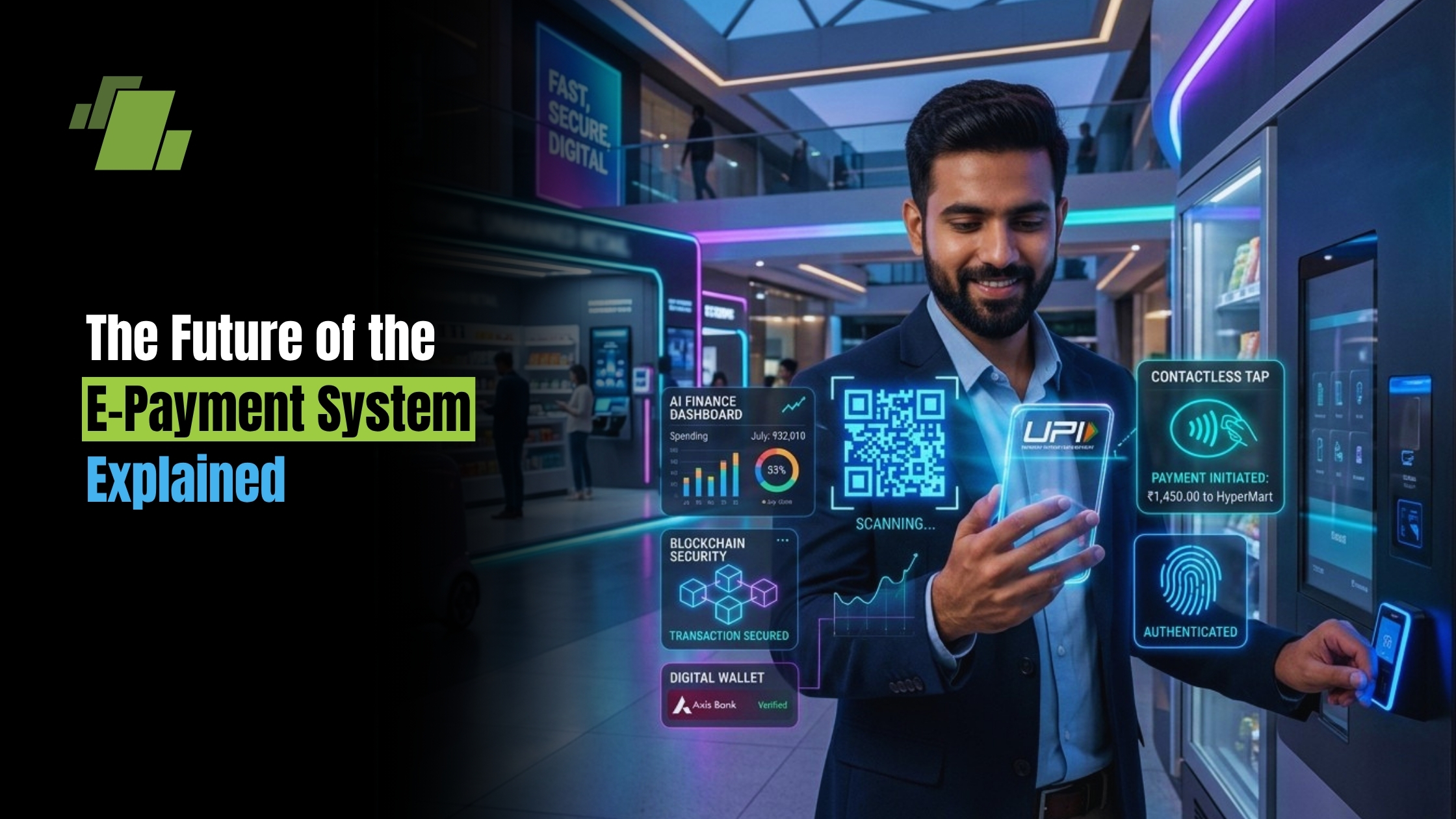
The world of payments is evolving rapidly. E-payment systems are at the forefront of this transformation. An e payment system offers a seamless way to conduct transactions without physical cash. As part of digital payment solutions within broader electronic transaction systems, these cashless payment solutions support a range of online payment methods.
Contact Us
Free Demo Request
These systems are not just about convenience. They also promise enhanced security and speed. But with these advantages come certain challenges and risks.
Understanding e-payment systems is crucial for businesses and consumers alike. They are becoming integral to modern commerce.
From mobile apps to secure gateways, the options are vast. Each offers unique benefits and potential drawbacks.
As technology advances, e-payment systems will continue to evolve. They will shape the future of financial transactions.
What is an E-Payment System?
An e-payment system simplifies transactions without physical cash. It’s an electronic method for money exchange. These systems are crucial for modern financial operations. Many people ask, “what is e payment system” in practical terms; it refers to an online payment system that moves money electronically between parties.
E-payment systems come in various forms and utilize technology to process payments efficiently. They enable seamless financial exchanges globally. Businesses and consumers rely on these systems daily.
Core functions of e payment system deployments focus on speed, security, and interoperability. Several components make up an e-payment system. Key elements include:
- Secure networks for transaction processing
- Digital interfaces for user interaction
- Databases for storing transaction data
These systems use encryption to protect sensitive information, ensuring user security. As digital commerce grows, understanding these systems becomes increasingly important.
E-payment systems are not just convenient. They also bring opportunities for financial growth and efficiency. They support diverse payment methods and enhance transaction speed.
How E-Payment Systems Work: Key Functions and Processes
E-payment systems streamline transactions through a series of sophisticated processes. They ensure money moves swiftly and securely between parties.
The core functions of e-payment systems include transaction processing, security management, and account maintenance. Each function plays a crucial role in the system’s overall efficiency.
Transaction processing involves the verification and confirmation of each payment. It ensures funds are transferred accurately. E-payment systems prioritize speed and reliability.
To achieve this, e-payment systems follow these key processes:
- Authentication of user identity
- Authorization of the transaction
- Settlement of funds between accounts
These steps summarize the functions of e payment system operations end to end. Security is paramount during every step. E-payment systems employ encryption and other advanced technologies to safeguard financial information.
Types of E-Payment Systems
E-payment systems come in a variety of forms, each serving specific needs. Different types offer users diverse functionality and convenience.
Credit and debit cards are perhaps the most well-known e-payment systems. They allow users to make purchases online and in-store efficiently.
E-wallet services provide a digital alternative to traditional wallets. Users can store money electronically for seamless transactions and quick payments.
Another popular form is mobile payment apps. These apps are user-friendly and accessible, enabling payments via smartphones with just a few taps.
Online payment methods, such as bank transfers and digital wallets, support a wide range of transactions. They are versatile and widely adopted.
There are also innovative types like the digital token based e payment system. These systems add an extra layer of security by utilizing tokens instead of card data.
Here’s a breakdown of common e-payment system types (common types of e payment system include):
- Credit/Debit Cards
- E-Wallets
- Mobile Payment Apps
- Online Bank Transfers
- Digital Token-Based Systems
Each type offers unique benefits, making them suitable for different user needs and preferences.
Advantages of E-Payment Systems
E-payment systems offer many benefits, making them attractive to both consumers and businesses. Their convenience is unmatched, allowing transactions anytime, anywhere, without the need for cash. In practice, the advantages of e payment system adoption span convenience, speed, and stronger controls.
Speed is another major advantage. Transactions are processed in real-time, enhancing customer experience and business efficiency.
Security features in e-payment systems have significantly improved. Encryption and secure payment gateways protect sensitive data from unauthorized access.
Furthermore, these systems contribute to financial inclusivity. People in remote areas can access financial services that were previously out of reach.
Key advantages of e-payment systems include:
- Convenience and Accessibility
- Fast and Instant Transactions
- Enhanced Security Features
- Financial Inclusion Opportunities
A notable advantage of e payment system adoption is improved reconciliation and auditability for organizations. These advantages fuel the growth of e-payment systems globally, making them an essential part of modern commerce.
Disadvantages and Risks of E-Payment Systems
Despite their benefits, e-payment systems come with notable drawbacks. In fact, the disadvantages of e payment system adoption often center on risk and resilience. Security risks are a primary concern, including the threat of cyberattacks and data breaches.
Technical issues can disrupt transactions. Network failures or software glitches may prevent payments, causing inconvenience and potential financial loss.
Fraud remains a persistent risk. Unsecured systems can be exploited by fraudsters, leading to unauthorized transactions and identity theft.
There is also the issue of limited access. Some users, especially in rural or underdeveloped areas, lack the necessary technology or internet access.
Key disadvantages include:
- Security Vulnerabilities
- Technical Disruptions
- Fraud Risks
- Access Limitations
These challenges necessitate ongoing efforts to enhance security protocols and expand digital infrastructure.
Secure Payment Gateways and Fraud Prevention
Secure payment gateways are essential in today’s digital world. They protect financial details during online transactions, ensuring data is encrypted and safe.
Within any online payment system, gateways act as intermediaries. They encrypt sensitive information, making it harder for attackers to access users’ details. This process is crucial for preventing online fraud and maintaining trust.
Fraud prevention involves multiple layers of security. Key measures include robust encryption, two-factor authentication, and regular security audits. These practices enhance the security of electronic transaction systems and protect users.
Key security measures include:
- Encryption Technologies
- Two-Factor Authentication
- Security Audits
The continuous improvement of these measures is crucial for the future of e-payment systems.
Popular Digital Payment Solutions and Online Payment Methods
Digital payment solutions have transformed how we handle transactions. They offer flexibility, speed, and convenience, catering to diverse user needs across the globe.
Online payment methods range from credit and debit card payments to more innovative systems like cryptocurrencies. These options provide users with a multitude of ways to complete transactions efficiently and securely.
Emerging digital solutions include mobile wallets and contactless payments. These methods are gaining popularity due to their seamless user experience and enhanced security features. They allow consumers to make purchases with just a tap or a click.
Key online payment methods include:
- Credit/Debit Cards
- Mobile Wallets
- Cryptocurrencies
- Bank Transfers
Each method has unique features catering to different preferences, ensuring users can select the most convenient option for their needs. Choosing an online payment system often depends on regional availability, fees, and security features.
The Role of Mobile Payment Apps and E-Wallet Services
Mobile payment apps and e-wallet services are reshaping how we pay. They provide convenience and are accessible directly from smartphones. Users appreciate the speed and ease these apps bring to everyday transactions.
E-wallet services allow users to store money digitally, eliminating the need for physical cash and cards. They also provide enhanced security features, protecting financial information.
Key benefits of mobile payment apps and e-wallet services include:
- Convenience and speed
- Enhanced security
- Easy access and management
These services are popular for peer-to-peer transfers, online shopping, and bill payments.
Government Payments and Financial Inclusion
Government payments are increasingly moving to digital platforms. This shift improves efficiency and transparency, ensuring funds reach the intended recipients swiftly. Digital systems also help reduce the risks associated with handling cash.
Financial inclusion benefits from these advancements. Unbanked populations gain access to essential services through digital payment solutions, promoting economic participation.
Ways digital payment systems benefit government payments include:
- Increased efficiency
- Enhanced transparency
- Expanded access for unbanked populations
These changes pave the way for more equitable financial landscapes globally.
Innovations Shaping the Future: AI, Blockchain, and Digital Tokens
Emerging technologies are transforming e-payment systems. Artificial intelligence enhances fraud detection by analyzing patterns and anomalies. This leads to more secure and efficient transactions.
Blockchain offers transparency and security in e-payment systems. It reduces fraud risk by recording every transaction on an immutable ledger. This innovation also paves the way for efficient cross-border payments.
Digital tokens provide another layer of security. They replace actual card details with unique, temporary strings during online transactions. This decreases the risk of data breaches.
Key technologies impacting e-payment systems include:
- Artificial Intelligence
- Blockchain Technology
- Digital Tokens
Trends: Cashless Payment Solutions and Instant Payment Services
The shift to cashless payment solutions is gaining pace globally. Consumers prefer the convenience and speed of digital transactions over carrying cash. This trend supports the growth of digital economies.
Instant payment services are another significant trend. These services allow users to transfer funds immediately, enhancing user experience and satisfaction. This immediacy is becoming a standard expectation.
Key aspects of these trends include:
- Global rise of cashless payments
- Preference for convenience and speed
- Growing demand for real-time fund transfers
Choosing the Right E-Payment System for Your Needs
Selecting an appropriate e-payment system depends on your specific requirements. Different systems offer varying features and levels of security. Consider factors like cost, ease of use, and transaction limits.
It’s crucial to evaluate the following aspects:
- Security measures in place
- Compatibility with your devices
- Customer support availability
Careful consideration of these elements helps ensure a smooth and secure payment experience. Making an informed choice can enhance both personal and business transactions.
Conclusion: The Road Ahead for E-Payment Systems
The future of e-payment systems looks promising and dynamic. Innovations will likely transform financial transactions further.
As technology advances, these systems will offer more convenience and security. Selecting the right e payment system for your context will be central to success. Adopting e-payment systems can position individuals and businesses at the forefront of digital finance. The shift towards a cashless society is inevitable and full of opportunities.
Call at +91-73411-41176/75 or send us an email at sales@logicerp.com to book a free demo today!
Frequently Asked Questions (FAQs)
1. What are the main types of e-payment systems?
E-payment systems come in various forms, each catering to different transaction needs. The main types include:
- Credit and Debit Cards: Widely used for both online and offline purchases, allowing for immediate transactions.
- E-Wallets: Digital alternatives to physical wallets, enabling users to store money electronically for easy transactions.
- Mobile Payment Apps: User-friendly applications that facilitate payments directly from smartphones, making transactions quick and convenient.
- Online Bank Transfers: Direct transfers between bank accounts, often used for larger transactions and bill payments.
- Digital Token-Based Systems: Use of tokens instead of card details for added security during transactions, reducing the risk of data breaches.
2. How secure are e-payment systems?
E-payment systems prioritize security through several robust measures. They utilize encryption technologies to protect sensitive information during transactions. Additionally, many systems implement two-factor authentication to ensure user identity verification before processing payments. Regular security audits and updates are conducted to identify vulnerabilities and enhance protections against potential threats. Despite these measures, users must also practice caution by choosing reputable platforms and using strong passwords.
3. What are the disadvantages of using e-payment systems?
While e-payment systems offer numerous advantages, they also have disadvantages, including:
- Security Vulnerabilities: Risks of cyberattacks and data breaches can expose sensitive financial information.
- Technical Disruptions: Network failures or software bugs may interrupt transactions and result in inconvenience.
- Fraud Risks: Unsecured systems can be exploited by fraudsters, leading to unauthorized transactions and identity theft.
- Limited Access: Some individuals, particularly in rural areas or regions without adequate technology, may lack access to digital payment methods.
4. How do mobile payment apps work?
Mobile payment apps function by allowing users to link their bank accounts or credit/debit cards to the app. Users can make payments by scanning QR codes, entering payment information, or tapping their smartphones against payment terminals (in the case of contactless payments). These apps often store transaction data securely and may provide features such as transaction history, budgeting tools, and integration with loyalty programs. The use of encryption and secure sockets layer (SSL) technology enhances the security of these transactions.
5. What are the advantages of cashless payment solutions?
Cashless payment solutions provide several advantages, including:
- Convenience: Users can make transactions anytime and anywhere without the need for physical cash.
- Speed: Transactions are processed quickly, resulting in enhanced customer satisfaction and improved business efficiency.
- Enhanced Security: Cashless systems often use advanced security measures like encryption and tokenization to protect users’ financial information.
- Financial Inclusion: Digital payment solutions can help bring financial services to unbanked populations, promoting broader economic participation.

Author
Gurbir Singh
Co-founder & Managing Director | LOGIC ERP Solutions Pvt. Ltd.
With 30+ years of experience in the tech industry, I took the helm of technology & product development, ensuring LOGIC ERP’s continuous innovation & leadership in the evolving tech landscape.

