Understanding Inventory Control in Supply Chain Management

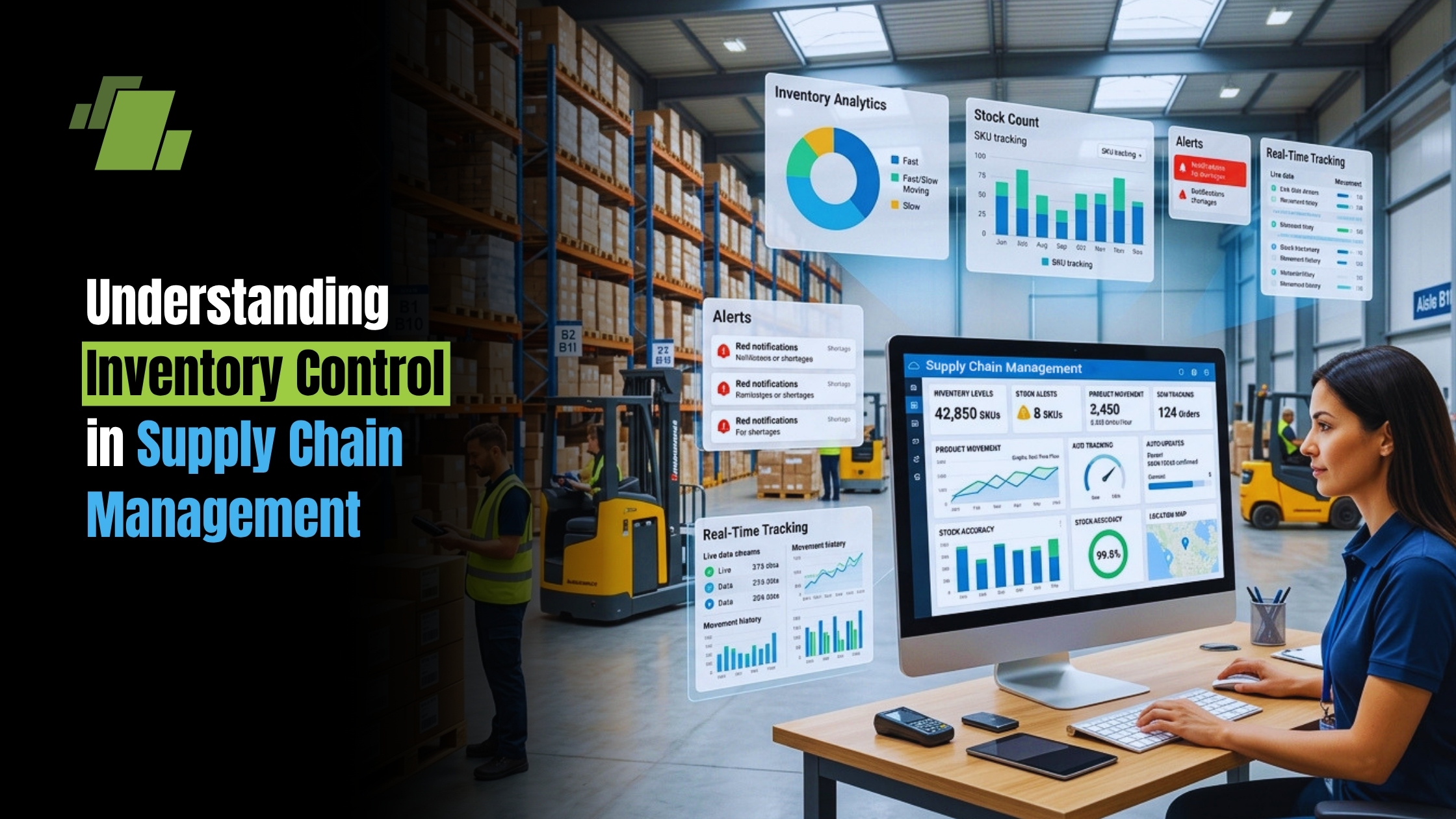
Inventory control is a vital aspect of supply chain management. It ensures that businesses maintain optimal stock levels. This process is crucial for meeting customer demands efficiently. If you’re asking inventory control is an important part of which management, it belongs chiefly to supply chain management and operations management, with close ties to resource management, logistics management, warehouse management and asset management.
Effective inventory control involves tracking stock, managing orders, and ensuring timely deliveries. It plays a significant role in resource management by balancing supply and demand. This balance helps reduce holding costs and improve cash flow.
Contact Us
Free Demo Request
In supply chain management, inventory control supports logistics and warehouse management. It ensures that products are stored and moved efficiently. This efficiency is key to maintaining customer satisfaction.
Inventory control also aids in operations management. It streamlines processes and enhances overall business performance. Understanding its importance can lead to better strategic decisions.
In this article, we will explore the significance of inventory control. We will discuss its role in various management areas. Join us as we delve into this essential component of supply chain management.
What Do You Mean by Inventory Control?
Inventory control refers to the systematic process of managing stock levels. It ensures products are available to meet customer demand without overstocking. This balance is vital for efficient resource use and cost management. Put simply, ‘what do you mean by inventory control’ is a common question that covers stock control and inventory management practices across multiple functions.
The primary goal of inventory control is to maintain optimal inventory levels. This involves tracking stock quantities, managing orders, and regulating supply. Proper inventory control minimizes waste and reduces the risk of stockouts.
Key activities in inventory control include:
- Monitoring inventory levels regularly
- Setting reorder points
- Managing lead times
Effective inventory control systems provide accurate data. This data supports better decision-making and operational efficiency. They can be either manual or automated, with many modern systems using advanced software. Inventory control systems integrate with other business processes like sales and purchasing. This integration enhances the overall coordination within the company.
In essence, inventory control is a strategic tool. It helps businesses achieve their operational and financial goals. By understanding inventory dynamics, companies can respond swiftly to market changes.
Inventory Control: An Essential Part of Supply Chain Management
Inventory control is crucial in supply chain management. It ensures seamless coordination among supply chain activities. Efficient control of inventory (stock control) aligns supply with customer demand, reducing inefficiencies.
The importance of inventory control stretches beyond maintaining stock levels. It influences logistics, production schedules, and customer satisfaction. By optimizing inventory, companies reduce holding costs and improve cash flow.
In supply chains, timely order fulfillment is key. Inventory control ensures that the right products are available at the right time. This reliability enhances company reputation and customer loyalty.
Key benefits of inventory control include:
- Reduced excess inventory and associated costs
- Improved demand forecasting
- Streamlined logistics management
Effective inventory control requires collaboration across supply chain partners. This collaboration ensures that everyone has access to accurate and timely data. When inventory control is integrated with supply chain management, organizations become more agile. They can quickly adapt to changing market conditions and remain competitive. Ultimately, inventory control is not just a component of supply chain management; it is a cornerstone for achieving strategic business objectives.
The Role of Inventory Control in Operations Management
Inventory control plays a pivotal role in operations management by ensuring efficient production processes. It helps in streamlining operations to prevent disruptions in the supply chain. This alignment ultimately boosts productivity and reduces waste.
Effective inventory control encompasses setting reorder points and managing lead times. These practices help maintain optimal stock levels and anticipate production needs. Proper management reduces the risk of production halts due to stockouts.
Key roles of inventory control in operations management include:
- Optimizing resource allocation
- Enhancing production efficiency
- Minimizing operational costs
Inventory control also supports operations managers in making informed decisions. It provides insights into sales trends and inventory turnover rates. With this information, operations can be adjusted swiftly to meet changing demands.
Collaboration between departments is crucial for successful inventory control. Sharing data and aligning goals ensures that all aspects of operations management work towards common objectives. This integration fosters a responsive and robust operations strategy.
Key Functions and Objectives of Inventory Control
Inventory control aims to maintain stock accuracy, reduce costs, and meet customer demands efficiently. It encompasses several functions crucial to a business’s success. These functions ensure smooth operations and contribute to the overall profitability.
One primary objective of inventory control is to optimize stock levels. By preventing overstocking and stockouts, businesses maintain a balance that supports production and sales. This optimization reduces holding costs and improves cash flow.
Another key function is to minimize waste and obsolete stock. Techniques like just-in-time and ABC analysis aid in achieving this goal. Such methods enable targeted management of different inventory types.
Main functions of inventory control include:
- Balancing supply and demand
- Ensuring product availability
- Reducing excess inventory
Moreover, inventory control supports strategic planning by providing valuable data. Sales trends and inventory performance insights guide decision-making. This data-driven approach strengthens the organization’s competitive position in the market.
Inventory Control and Its Connection to Resource, Asset, and Warehouse Management
Inventory control plays a critical role in resource management, ensuring efficient allocation and use of materials. By managing stock levels, businesses can optimize the utilization of their resources. This results in cost savings and improved operations.
In asset management, inventory control helps maintain the condition and value of stock items. Regular audits and cycle counts prevent loss and obsolescence. This practice enhances the lifespan and utility of the company’s assets.
Warehouse management heavily relies on effective inventory control techniques. Proper organization of inventory leads to streamlined logistics and quicker order fulfillment. This approach boosts efficiency and reduces operational hassles.
Key connections of inventory control include:
- Optimizing resource use
- Extending asset longevity
- Streamlining warehouse operations
Through these roles, inventory control supports the overall objectives of a business. It ensures smooth functioning across various departments, aligning them towards common goals. Thus, it becomes indispensable to efficient management and strategic planning.
Inventory Control Techniques and Methods
Inventory control employs various techniques and methods to manage stock effectively. These techniques help balance inventory levels with demand. They aim to minimize holding costs and maximize availability.
Just-in-Time (JIT) is a popular technique focused on reducing inventory waste. JIT ensures that materials arrive as they are needed for production, minimizing storage costs. This method demands precise coordination with suppliers.
Another important technique is ABC analysis, which classifies inventory into three categories: A, B, and C. ‘A’ items have the highest value and require stringent control. ‘B’ and ‘C’ items have lower value or turnover rates.
Safety stock calculations protect against demand fluctuations and supply chain disruptions. By maintaining a buffer stock, businesses can prevent stockouts and service delays.
Key methods include:
- Just-in-Time (JIT)
- ABC analysis
- Safety stock calculations
These inventory control methods help ensure that stock levels meet the demands of the business efficiently. Implementing the right mix of techniques is crucial for achieving inventory optimization and enhancing overall supply chain performance.
The Importance of Demand Forecasting and Stock Control
Demand forecasting is crucial for effective stock control. It involves predicting future customer demand using historical data, market trends, and analysis. Accurate forecasts enable businesses to adjust inventory levels, avoiding overstocking or stockouts.
Stock control complements forecasting by managing inventory quantities actively. It ensures that sufficient stock is available to meet customer needs without tying up excessive capital. Efficient stock control leads to better financial performance and customer satisfaction.
Key benefits of integrating demand forecasting with stock control include:
- Improved inventory management
- Reduced holding costs
- Enhanced customer service
By combining forecasting and stock control, companies can make informed decisions. This synergy leads to optimal inventory levels, supporting overall supply chain efficiency. In today’s competitive market, mastering these skills is essential for success.
Technology and Automation in Inventory Control
Technology plays a pivotal role in modern inventory control. Automated systems streamline processes, enhance accuracy, and reduce human error. Implementing technologies like RFID, IoT, and barcode scanning elevates inventory management efficiency.
These technological advancements offer several advantages:
- Real-time tracking of inventory
- Accurate data collection and analysis
- Improved supply chain visibility
Automation simplifies complex inventory tasks, saving time and resources. It allows companies to focus on strategic decision-making rather than routine tasks. By using automated systems, businesses can enhance their response to market changes.
Adopting technology in inventory control bolsters competitive advantage. It fosters agility and adaptability, vital in a dynamic market landscape.
Challenges in Inventory Control and How to Overcome Them
Inventory control presents several challenges that can disrupt operations. One major issue is inaccurate demand forecasting, which leads to overstock or stockout situations. To overcome this, businesses must refine forecasting techniques and utilize historical data.
Effective communication barriers among departments can also hinder inventory control. Ensuring clear and consistent communication channels is key to synchronize operations. Cross-department training and regular meetings can foster collaboration and reduce errors.
Technology integration poses its own set of challenges. Adopting new systems can be costly and complex. To mitigate these difficulties, gradual implementation and staff training are crucial. This approach ensures a smooth transition and maximizes the benefits of inventory systems.
Best Practices for Inventory Optimization
Inventory optimization is crucial for maximizing efficiency and minimizing costs. A key practice involves setting accurate reorder points to ensure stock availability. This minimizes both stockouts and excess inventory.
Another essential practice is leveraging data analytics for informed decision-making. By analyzing sales trends and inventory turnover rates, businesses can adjust stock levels proactively.
Consider implementing a combination of classic and modern inventory techniques. Strategies such as just-in-time, ABC analysis, and safety stock calculations should be reviewed. Regular audits and cycle counts help maintain inventory accuracy. By fostering a culture of continuous improvement, businesses can enhance inventory processes and boost overall performance.
Conclusion: The Strategic Value of Inventory Control in Modern Supply Chains
Inventory control plays a pivotal role in shaping efficient and responsive supply chains. It drives cost savings while enhancing customer satisfaction. By managing inventory effectively, businesses can reduce waste and improve cash flow, which contributes significantly to their overall financial health.
In an ever-changing market, the strategic focus on inventory control strengthens resilience. This vital component ensures seamless operations and adaptation to market shifts. As supply chains become more complex, investing in robust inventory practices is essential to sustain competitive advantage and foster growth in the dynamic global landscape.
Call at +91-73411-41176/75 or send us an email at sales@logicerp.com to book a free demo today!
Frequently Asked Questions
1. Inventory control is an important part of which management?
Primarily supply chain management and operations management. The text explains that inventory control sits at the core of supply chain management supporting logistics and warehouse management and is equally pivotal to operations management by streamlining production and reducing waste. It also closely connects with resource management (balancing supply and demand), logistics management (movement of goods), warehouse management (storage and fulfillment), and asset management (preserving stock condition and value).
2. What do we mean by inventory control, and what are its core objectives and activities?
Inventory control is the systematic management of stock to meet demand without overstocking. Its objectives are to maintain optimal inventory levels, minimize waste and stockouts, reduce holding costs, and support cash flow. Core activities include regularly monitoring stock, setting reorder points, managing lead times, tracking orders, and integrating with sales and purchasing so decisions are data-driven and coordinated across the business.
3. How does effective inventory control strengthen supply chain performance and customer satisfaction?
By aligning supply with real demand, inventory control ensures the right products are available at the right time, improving order fulfillment reliability. This reduces excess inventory and related costs, improves cash flow, streamlines logistics, and supports accurate forecasting. The result is faster, more dependable deliveries, stronger reputation, and higher customer loyalty key outcomes for a competitive, agile supply chain.
4. Which inventory control techniques should businesses know, and how do they work with demand forecasting?
Three highlighted methods are Just-in-Time (JIT), ABC analysis, and safety stock. JIT reduces inventory waste by timing arrivals to production needs, requiring tight supplier coordination. ABC analysis prioritizes controls based on item value/turnover (A most critical, then B and C). Safety stock adds a buffer against demand swings and disruptions. Combined with accurate demand forecasting and active stock control, these techniques help maintain optimal levels while avoiding overstocking and stockouts.
5. How do technology and collaboration enhance inventory control, and what challenges should organizations plan for?
Technologies like RFID, IoT, and barcode scanning provide real-time visibility, accurate data capture, and better supply chain transparency, freeing teams to focus on strategic decisions. Cross-functional and partner collaboration ensures timely, shared data and aligned goals. Common challenges include inaccurate forecasting, communication gaps, and complex tech adoption. The text recommends refining forecasting with historical data, strengthening communication through clear channels and cross-department training, and implementing new systems gradually with staff training to ensure a smooth transition.

Author
Gurbir Singh
Co-founder & Managing Director | LOGIC ERP Solutions Pvt. Ltd.
With 30+ years of experience in the tech industry, I took the helm of technology & product development, ensuring LOGIC ERP’s continuous innovation & leadership in the evolving tech landscape.

