Understanding Transporter GST Search Process

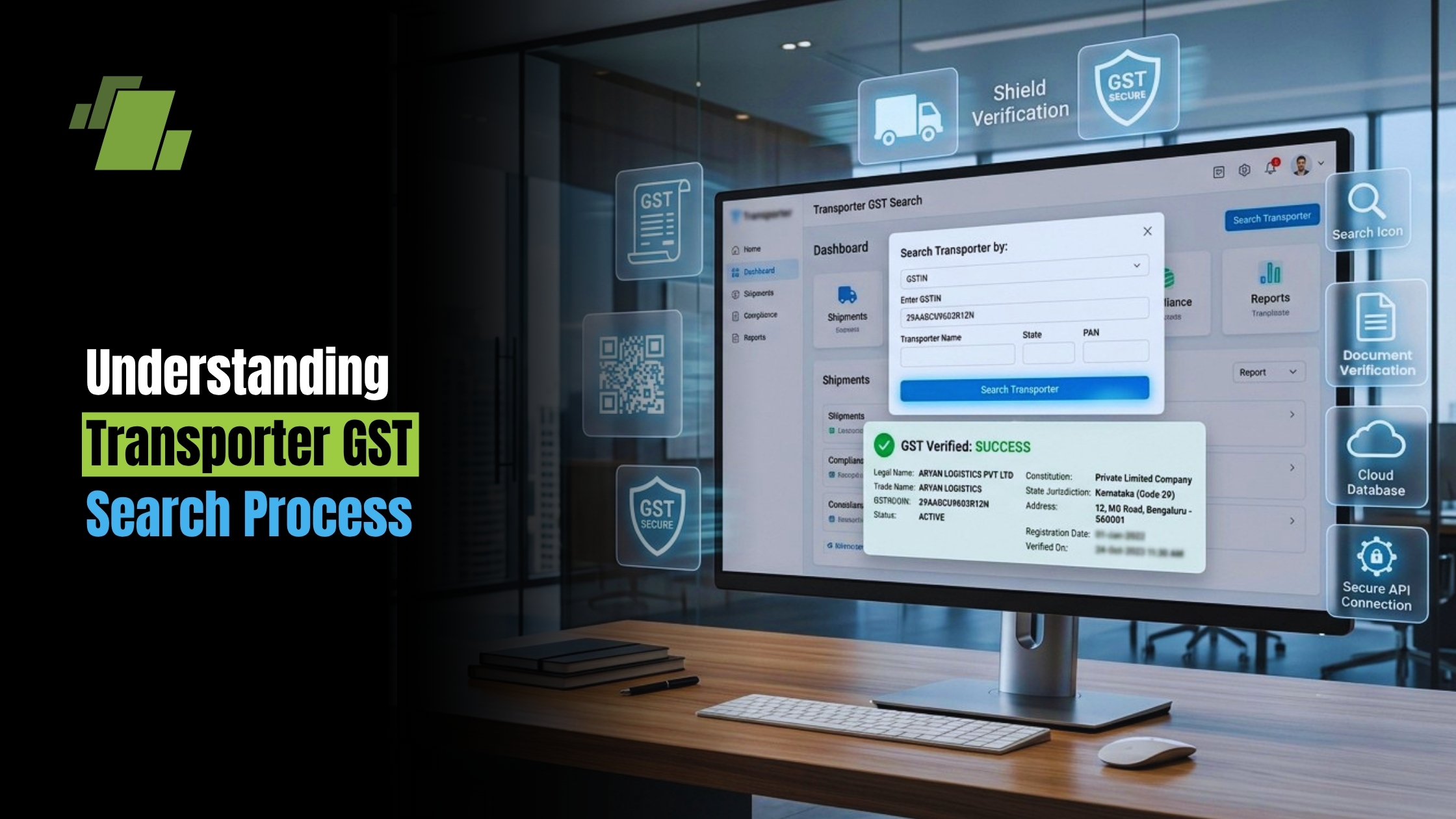
Navigating the world of logistics can be complex. Understanding the transporter GST search process is crucial for smooth operations. This process helps verify GST details of transporters involved in moving goods.
An e-way bill is a key document in this process. It is mandatory for transporting goods across state borders in India. The online waybill system simplifies generating and managing these bills. Often called an online waybill, it centralizes creation, tracking, and updates.
Contact Us
Free Demo Request
Transporters can use the GST portal to ensure compliance. This portal allows users to generate, cancel, and reprint waybills. It also helps in checking e-way bill status and history online. If you need to check e way bill status, you can initiate an e way bill check online from the dashboard. You can also manage your way bill online for quick updates and corrections.
Accurate waybill generation is vital for avoiding penalties. It ensures smooth transportation and compliance with GST regulations. This guide will help you understand the transporter GST search process and explain how to check e way bill history efficiently.
What is Transporter GST Search?
Transporter GST search is a digital tool. It allows transporters to verify their GST details on the GST portal. This search ensures that all parties comply with tax regulations.
A GSTIN, or GST Identification Number, is vital for this process. Transporters use it to access their accounts on the portal. Keeping this information accurate is essential to avoid errors.
A transporter GST search involves checking various details. This includes verifying the GSTIN and ensuring the business name matches records. You can also check the status of your registrations.
Here are some key benefits:
- Ensures compliance with tax regulations
- Verifies transporter credentials
- Reduces risk of penalties
The GST portal offers a user-friendly interface. It’s designed to simplify this verification process. With accurate records, you can maintain transparency and efficiency in logistics operations. This process forms a vital part of India’s GST compliance framework.
Importance of Transporter GST Search in Logistics
In logistics, verifying transporter GST details is crucial. It ensures that all legal requirements are met. This verification reduces the risk of errors during goods movement.
Transporter GST search is not just about compliance. It also aids in maintaining trust among stakeholders. When GST credentials are verified, partners and clients feel secure in their transactions.
Here are the reasons transporter GST search is important:
- Assures accuracy in tax-related transactions
- Enhances transparency in logistics operations
- Minimizes potential penalties for non-compliance
Having accurate GST details improves supply chain efficiency. Errors in these details can lead to delays and fines. Thus, ensuring all transporter information is up-to-date is essential for smooth operations. This process is integral in adapting to digital advancements in the logistics industry. It helps businesses stay ahead in a competitive market.
Overview of E-Way Bill System
The e-way bill system is crucial for goods transportation. It mandates a document for goods valued over a set amount. This document ensures compliance with tax laws during transit.
The e-way bill is an electronic permit. It allows for tracking movement of goods across India. This reduces the hassle of physical paperwork and enhances efficiency.
Key features of the e-way bill system include:
- Real-time updates on goods movement
- Simplified waybill generation and cancellation
- Integration with the GST network
Generating an e-way bill involves entering details online. This includes particulars of the consignor, consignee, and the goods being transported. Accurate entry of these details is vital.
The system not only streamlines transportation but also ensures transparency. With its integration in national logistics, businesses can manage their operations better. This system exemplifies the shift towards digital solutions in logistics.
Step-by-Step Guide to Transporter GST Search
Conducting a transporter GST search is vital for verifying transporter details. This process ensures you remain compliant with GST regulations. Let’s explore the steps involved in this process.
First, access the GST portal. Use your GSTIN and password to log in. The portal offers a user-friendly interface for easy navigation.
Once logged in, navigate to the ‘Search Taxpayer’ tab. Here, you can enter the transporter’s GSTIN. Inputting the correct GSTIN is critical for accurate results.
After entering the GSTIN, click on the search button. The portal retrieves the transporter’s details linked to that number. This includes name, registration status, and other essential details.
You can verify the details displayed against your records. Ensure all information matches for compliance. Any mismatch should be addressed to avoid penalties.
Here’s a summary of the steps:
- Access the GST portal.
- Log in with your GSTIN.
- Go to ‘Search Taxpayer’.
- Enter the transporter’s GSTIN.
- Review the displayed details for accuracy.
The transporter GST search also helps identify discrepancies. Regular searches aid in maintaining up-to-date and accurate records. This is important for smooth logistics operations.
For effective use, familiarize yourself with the portal’s features. The GST portal provides comprehensive tutorials and FAQs. Utilize these resources to enhance your understanding and resolve any queries.
Keeping your transporter GST details updated is essential. By following these steps, you ensure compliance and efficient goods transportation.
How to Check E-Way Bill Status and History Online
Checking the status of an e-way bill ensures timely delivery and compliance. It also allows transporters to track the movement of goods seamlessly. Let’s break down the process for checking e-way bill status online. For anyone asking how to check e way bill history or to check e way bill status quickly, the steps below cover the essentials.
Firstly, visit the e-way bill portal and log in. You need your credentials for this step. Once logged in, navigate to the ‘E-Way Bill’ menu option. This is essentially an e way bill check online that returns real-time updates.
From there, select ‘Track E-Way Bill’. Here, enter your e-way bill number. This allows you to view the current status of your consignment.
For checking the history of your e-way bills, there’s a separate section. Go to ‘Reports’ and choose ‘E-Way Bill History’. This displays a detailed list of all past transactions and is the go-to path when you need to know how to check e way bill history.
Here’s a quick checklist to assist you:
- Log into the e-way bill portal.
- Go to ‘E-Way Bill’ > ‘Track E-Way Bill’.
- Input the e-way bill number to view current status.
For history:
- Navigate to ‘Reports’.
- Select ‘E-Way Bill History’ to review past transactions.
Regular monitoring helps avoid compliance issues and keeps records accurate. The portal provides real-time updates, crucial for audit preparations. Most of these tasks are available as way bill online functions, reducing paperwork and improving speed.
Waybill Generation, Reprint, and Road Bill Essentials
Generating a waybill is a crucial step in transporting goods. It starts with logging into the e-way bill portal. Once there, select ‘Generate New’ to create a waybill. Enter the necessary details like GSTIN, consignment, and transporter information. Once the waybill generated message appears, save the reference number for audit and tracking.
A successfully generated waybill should match all invoice details. This ensures compliance during transit. Mistakes in the waybill can lead to penalties. Accuracy is key in the process of generation.
Sometimes, a waybill needs to be reprinted. This could be due to misplacement or damage of the original. The portal allows for a straightforward waybill reprint. Access ‘E-Way Bill’ then select ‘Reprint’. Enter your e-way bill number to proceed.
Essential elements of road bills include:
- Consignor and consignee details
- Description and value of goods
- Transporter’s GST details
A road bill must align with your invoices and permits. Proper management of these elements prevents logistical issues. This road bill serves as a primary document during inspections. Always ensure your road bill is up-to-date and compliant. This will facilitate smoother movements across state borders, thus supporting efficient logistics operations.
Common Issues and Solutions in Transporter GST Search
Transporters often encounter issues while searching GST details online. Common problems include incorrect GSTIN entries and portal access errors. These can disrupt the search process and cause compliance risks.
Error messages like “Invalid GSTIN” arise due to typos in entries. Double-checking each character of the GSTIN ensures accuracy. Keeping transporter GST details updated helps avoid such issues.
Portal access can be hindered by technical glitches or forgotten credentials. To address this, regular password updates are recommended. Users can reset forgotten passwords through the portal. For persistent issues, contacting the GST helpdesk can provide solutions.
Key solutions include:
- Double-checking GSTIN entries
- Keeping credentials secure
- Regular updates of transporter details
Best Practices for Compliance and Record-Keeping
Maintaining compliance with GST regulations is crucial for transporters. Adhering to best practices helps ensure smooth operations and avoids penalties. Keeping detailed records is a vital component of this process.
Start by regularly reviewing e-way bill history. This practice aids in auditing and identifying any discrepancies. Detailed records ensure that all transactions are accounted for accurately. Knowing how to check e way bill history and scheduling periodic reviews will strengthen audit readiness.
Implementing a robust record-keeping system simplifies the management of documents. Digital solutions can streamline this process, reducing errors and saving time. Updating records frequently helps maintain accuracy. In addition, check e way bill status at key milestones to keep transit data current.
Best practices include:
- Regular audits of e-way bills
- Utilizing digital record-keeping solutions
- Frequently updating records for accuracy
Conclusion
Mastering the transporter GST search process is crucial for staying compliant in logistics. By utilizing the e-way bill system effectively, transporters can enhance their operations.
Regularly updating your knowledge of GST and maintaining accurate records is essential. These practices will ensure smooth transportation and adherence to legal regulations, providing peace of mind for businesses.
Call at +91-73411-41176/75 or send us an email at sales@logicerp.com to book a free demo today!
Frequently Asked Questions
1. What is a transporter GST search?
A transporter GST search verifies the GST details of a transporter.
2. How can I check e-way bill status online?
Log into the e-way bill portal and use your GSTIN to check status.
3. Is it possible to reprint a waybill?
Yes, the e-way bill portal allows for waybill reprints anytime. You can also select the waybill reprint option under the ‘Reprint’ menu.
4. How to check e way bill history?
Go to Reports > E-Way Bill History to view past transactions and downloads.
5. What is essential for road bills?
Accurate details of consignor, consignee, and goods are crucial.

Author
Gurbir Singh
Co-founder & Managing Director | LOGIC ERP Solutions Pvt. Ltd.
With 30+ years of experience in the tech industry, I took the helm of technology & product development, ensuring LOGIC ERP’s continuous innovation & leadership in the evolving tech landscape.

