How to Make a Payment Gateway: Step-by-Step Guide

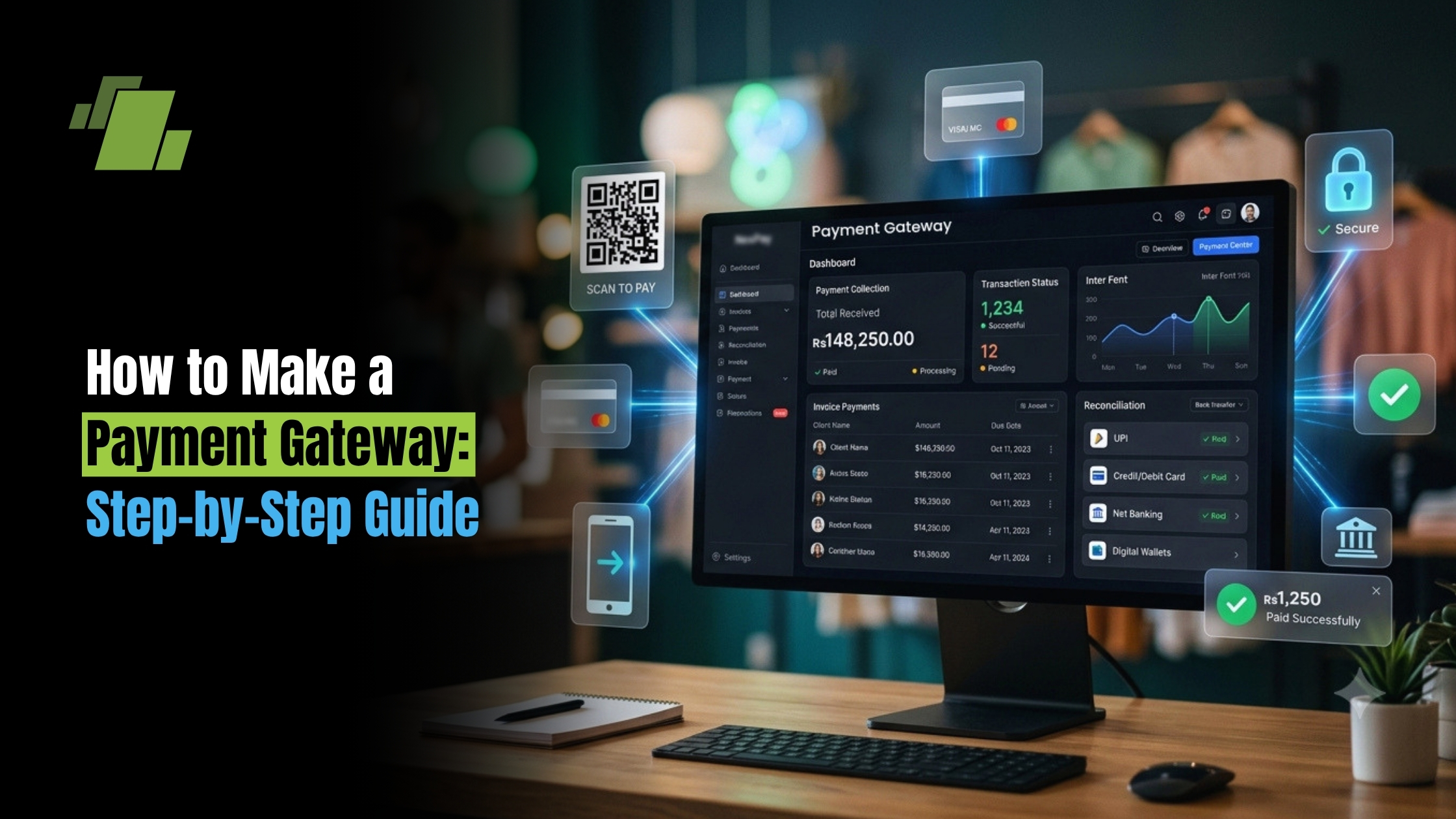
Creating your own payment gateway can be a game-changer for your business. It offers control over transactions and enhances customer experience within your online payment system.
But how do you start building one? The process involves several technical and business steps, including a thoughtful payment gateway setup and selection of a reliable payment processing solution.
Contact Us
Free Demo Request
This guide will walk you through each step, from defining requirements to deployment.
You’ll learn about security, compliance, and integration with banks.
Whether you’re a developer or entrepreneur, this guide will help you create a custom payment gateway and understand how to make a payment gateway from planning to launch.
What Is a Payment Gateway and How Does It Work?
A payment gateway is a digital service that processes credit card payments for online and offline retailers. It serves as the middleman between merchants and financial institutions and acts as the core payment processing solution for your commerce stack.
When a customer makes a purchase online, the payment gateway encrypts their payment details. This ensures that the information travels securely to the payment processor.
Key functions of a payment gateway include:
- Authorization of payments
- Encryption of sensitive data
- Transaction tracking and reporting
In addition to processing payments, gateways also provide security. They help prevent fraud by verifying customer identities and authorizing payments. Understanding these basic functions is crucial for building a custom payment gateway.
Why Build a Custom Payment Gateway?
Creating a custom payment gateway offers flexibility and control. You can tailor it to meet specific business needs and customer preferences. This level of customization can enhance user experience significantly.
Unlike third-party solutions, a custom gateway allows you to implement unique features. This might include specialized security protocols or payment options suited to your business, especially if you plan to build a payment gateway that differentiates your checkout.
Advantages include:
- Complete control over the user experience
- Tailored security measures
- Ability to integrate innovative features
By developing your own solution, you gain a competitive edge and reduce dependency on external providers.
Key Considerations Before You Start
Before diving into development, you must assess your business needs. Consider the scalability, target audience, and specific features your payment gateway will require. This will help you design an efficient solution.
Next, research the compliance standards you need to meet. Regulations like PCI DSS and GDPR are crucial for securing transactions and user data. Non-compliance can lead to hefty fines.
You must also evaluate the technical requirements. Consider the necessary integrations with banks and other financial institutions. This ensures seamless payment processing and smooth payment gateway integration across platforms.
Key considerations include:
- Business needs and scalability
- Compliance with industry standards
- Integration with financial systems
Planning these steps thoroughly can significantly streamline the development process. This increases the likelihood of building a robust, reliable gateway.
Step 1: Define Your Payment Gateway Requirements
Start by identifying the needs of your target market. Understanding the users’ preferences and transaction habits is crucial. This knowledge influences feature selection and user interface design.
Next, list the core features your payment gateway must have. Consider multi-currency support, recurring payments, and diverse payment methods. These features can make your system more appealing to merchants.
Think about the user experience. Design a smooth and simple checkout process. Prioritize user-friendly interfaces for both customers and merchants.
In summary, ensure your requirements include:
- User needs and preferences
- Essential features like multi-currency and recurring billing
- A user-friendly interface and seamless experience
Clearly defining these requirements sets a solid foundation for development. It aligns your project with user demands and technical capabilities as you create a payment gateway tailored to your market.
Step 2: Choose the Right Technology Stack
Selecting the right technology stack is pivotal for building a robust payment gateway. Your choice impacts performance, scalability, and maintenance. Thus, align your stack with your project requirements and expertise.
Focus on selecting a backend language and framework. Consider Java, Python, or Node.js for reliability and support. Choose a frontend framework like React or Angular for a smooth user experience.
Don’t overlook database options. Opt for secure and scalable solutions like PostgreSQL or MongoDB to handle large transaction volumes.
When choosing your technology stack, consider:
- Backend languages: Java, Python, Node.js
- Frontend frameworks: React, Angular
- Databases: PostgreSQL, MongoDB
Making informed technology choices sets the stage for successful development. It streamlines your building process and supports future growth.
Step 3: Ensure Security and Compliance (PCI DSS, GDPR, etc.)
Ensuring security and compliance is critical in payment gateway development. Protecting sensitive payment information builds trust with users.
Compliance with standards like PCI DSS and GDPR is mandatory. PCI DSS safeguards cardholder data, while GDPR secures personal data. Adhering to these standards avoids legal penalties and security breaches.
Implement multiple security layers. Use encryption, tokenization, and secure sockets layer (SSL) for data protection. Regular audits and vulnerability assessments help maintain security integrity.
Focus on these key aspects of security:
- Data encryption and tokenization
- Regular security audits
- Compliance with PCI DSS and GDPR
By prioritizing security, you create a reliable and trustworthy payment gateway. This protects users and enhances your credibility in the market.
Step 4: Design the Payment Gateway Architecture
Designing a solid architecture is fundamental for a payment gateway’s performance. Architecture determines system reliability, scalability, and efficiency.
Start by mapping out essential components and their interactions. Focus on a modular design to facilitate future updates and maintenance. Consider using microservices for flexibility and scalability.
Key architectural elements to include:
- Frontend interface for users
- Backend for processing and storage
- Integration modules for financial institutions
Ensure high availability and fault tolerance within your design. This minimizes downtime and enhances user experience. A well-designed architecture sets the stage for seamless growth and adaptation.
Step 5: Develop Core Features and APIs
Developing core features is central to any payment gateway project. Aim to address both user needs and market demands as you develop a payment gateway that scales.
Begin with essential features like transaction processing and support for multiple payment methods. Include fraud detection mechanisms to secure payments.
APIs are crucial for external integrations. They facilitate communication with banks, e-commerce platforms, and other services. Ensure your APIs are well-documented and easy to use, simplifying payment gateway integration for merchants and partners.
Key features to develop:
- Multi-currency support
- Recurring billing options
- Easy-to-use merchant dashboard
Focus on both functionality and security. Implement encryption and tokenization to protect user data. Seamless API design can boost your gateway’s adoption and ease of integration. Always prioritize user experience alongside technical process.
Step 6: Integrate With Banks and Payment Processors
Integrating your payment gateway with banks and processors is crucial for seamless transactions. Start by identifying banks and financial institutions that align with your goals.
Establish secure connections through industry-standard protocols. Ensure you comply with financial regulations and standards to gain their trust and cooperation. Treat this as a formal phase of payment gateway integration and certification.
Consider these integration elements:
- Secure data transmission
- Reliable API endpoints
- Comprehensive error handling
Ensure fast and error-free transactions by performing rigorous testing. A robust integration paves the way for smooth payment experiences, boosting user confidence in your system.
Step 7: Implement Fraud Prevention and Risk Management
Fraud prevention is vital for maintaining trust in your payment gateway. Begin by employing advanced authentication measures, such as two-factor authentication and biometric verification.
Risk management is not one-size-fits-all. Tailor solutions to your gateway’s unique needs and user base. Detect irregular patterns using machine learning and AI technologies.
Focus on these key areas:
- Real-time transaction monitoring
- Scalable fraud detection algorithms
- Adaptive learning systems
By integrating these practices, you’ll minimize fraudulent activities and enhance your payment gateway’s security, ensuring users’ peace of mind.
Step 8: Test, Debug, and Certify Your Payment Gateway
Testing is crucial to ensure your payment gateway is reliable and secure. Begin with unit tests to check individual components. Then, progress to integration and system testing for comprehensive coverage.
Debugging is an ongoing process. Address any discovered issues promptly to prevent future disruptions. Regularly update your gateway to incorporate the latest security patches and performance enhancements.
Certification, such as PCI DSS compliance, validates your gateway’s safety. Focus on the following areas:
- Data encryption protocols
- Transaction accuracy
- Seamless user experience
A certified gateway boosts user confidence and widens market appeal, driving business growth.
Step 9: Deploy, Monitor, and Maintain Your Payment Gateway
Deploy your payment gateway carefully to minimize downtime and disruptions. Choose a reliable hosting solution that ensures scalability and high availability. Plan for a staged deployment where possible to test real-world scenarios without affecting all users at once.
Monitoring is ongoing. Use analytics tools to track transaction success rates, response times, and user activities. This data helps detect issues early and optimize performance.
Maintenance keeps your gateway secure and efficient. Schedule regular audits to address vulnerabilities and ensure compliance. Key maintenance tasks include:
- Updating software and security protocols
- Analyzing user feedback for improvements
- Ensuring uptime reliability
Effective maintenance and monitoring prevent issues and enhance user satisfaction.
Special Considerations: Building a Payment Gateway in India
Creating a payment gateway in India requires understanding local regulations and payment norms. India’s landscape demands adherence to the Reserve Bank of India’s guidelines. It’s essential to support popular payment methods favored by Indian consumers. If you’re exploring how to make a payment gateway in India, factor in local settlement rules, data localization, and UPI rails early in your plan.
Beyond regulations, consider the vast range of regional preferences and languages. Tailor your gateway to meet diverse needs:
- Support for UPI, credit/debit cards
- Multi-language interface
- Compliance with RBI norms
Addressing these needs ensures your gateway’s local relevance and success.
How to Make a Payment Gateway in Java (or Other Languages)
Developing a payment gateway in Java involves utilizing robust APIs and libraries. Java is favored for its security features, making it ideal for handling sensitive financial data. Begin by understanding Java’s networking capabilities and its compatibility with third-party services. This section will help you learn how to make a payment gateway in Java with secure coding practices and reliable libraries.
Java isn’t the only option. Consider other languages based on your team’s expertise and project needs:
- Python for simplicity
- Node.js for scalability
- PHP for web integration
Each language offers unique benefits, so choose one that aligns with your project goals and technical requirements.
Cost, Licensing, and Business Model
Creating a payment gateway involves several cost components. These include development, security measures, and maintenance. Budgeting for these costs is crucial to ensure a successful launch.
If you’re evaluating how to make a free payment gateway, remember that “free” rarely covers mandatory expenses like PCI DSS assessments, audits, and ongoing monitoring. Those researching how to make a payment gateway company should account for licensing, capitalization, risk reserves, and banking partnerships.
Consider different licensing models to regulate usage and generate revenue. You can explore:
- Subscription fees
- Transaction-based fees
- Freemium models
Choosing the right business model will depend on your target market and service offerings.
Common Challenges and How to Overcome Them
Creating a payment gateway can pose challenges. Technical issues, security threats, and compliance requirements are common hurdles. Identifying these early helps in preparing effective solutions as you build and develop a payment gateway that can withstand scale.
To tackle these challenges, consider:
- Investing in security measures
- Regular compliance audits
- Collaborating with experienced developers
Proactive strategies will minimize setbacks and ensure smooth operations. Addressing issues promptly enhances user trust and system reliability.
Conclusion and Next Steps
Creating a payment gateway requires careful planning and execution. By following these outlined steps, you can develop a robust and secure platform.
Moving forward, focus on continuous improvement and customer feedback. Embrace new technologies to enhance features and remain competitive in the market whether you aim to build a payment gateway from scratch or focus on payment gateway integration. For additional guidance, explore how to create a payment gateway that fits your industry and growth goals.
Call at +91-73411-41176/75 or send us an email at sales@logicerp.com to book a free demo today!
Frequently Asked Questions
1. Why would I build a custom payment gateway instead of using a third-party solution?
A custom gateway gives you full control over the checkout experience, security posture, and feature set. You can tailor flows to your customers, implement specialized security protocols, support the payment methods you prioritize, and integrate innovative features unique to your business. This flexibility can improve user experience, reduce reliance on external providers, and create a competitive advantage.
2. What security and compliance requirements do I need to meet?
You must protect sensitive data and comply with regulations. Key obligations include PCI DSS for cardholder data protection and GDPR for personal data privacy. Implement multiple security layers encryption, tokenization, and SSL run regular security audits and vulnerability assessments, and add strong fraud controls (e.g., advanced authentication, real-time monitoring, and adaptive detection). Certification (such as PCI DSS) validates your security posture and builds user trust.
3. Which technology stack and architectural components should I choose?
Pick technologies that align with your team’s expertise and scalability goals. Recommended options in this guide include backend languages like Java, Python, or Node.js; frontend frameworks such as React or Angular; and secure, scalable databases like PostgreSQL or MongoDB. Architecturally, design for modularity and growth consider microservices, ensure high availability and fault tolerance, and include clear layers: a user-facing frontend, a processing and storage backend, and integration modules for financial institutions.
4. What core features and APIs should my gateway include first?
Start with the essentials: robust transaction processing, support for diverse payment methods, multi-currency handling, recurring billing, and built-in fraud detection. Provide a clear, user-friendly checkout and an intuitive merchant dashboard. Expose well-documented, easy-to-use APIs for banks, e-commerce platforms, and partners, and emphasize secure data transmission, reliable endpoints, and comprehensive error handling to simplify integrations.
5. What costs should I plan for, and which business models work best?
Expect expenses across development, security, compliance, and ongoing maintenance. Even “free” approaches must account for mandatory items like PCI DSS assessments, audits, monitoring, and (if forming a company) licensing, capitalization, risk reserves, and banking partnerships. Revenue models commonly include subscription fees, transaction-based pricing, or freemium tiers choose based on your target market and the services your gateway provides.

Author
Gurbir Singh
Co-founder & Managing Director | LOGIC ERP Solutions Pvt. Ltd.
With 30+ years of experience in the tech industry, I took the helm of technology & product development, ensuring LOGIC ERP’s continuous innovation & leadership in the evolving tech landscape.

