Understanding the Essentials of Transport Bill Format

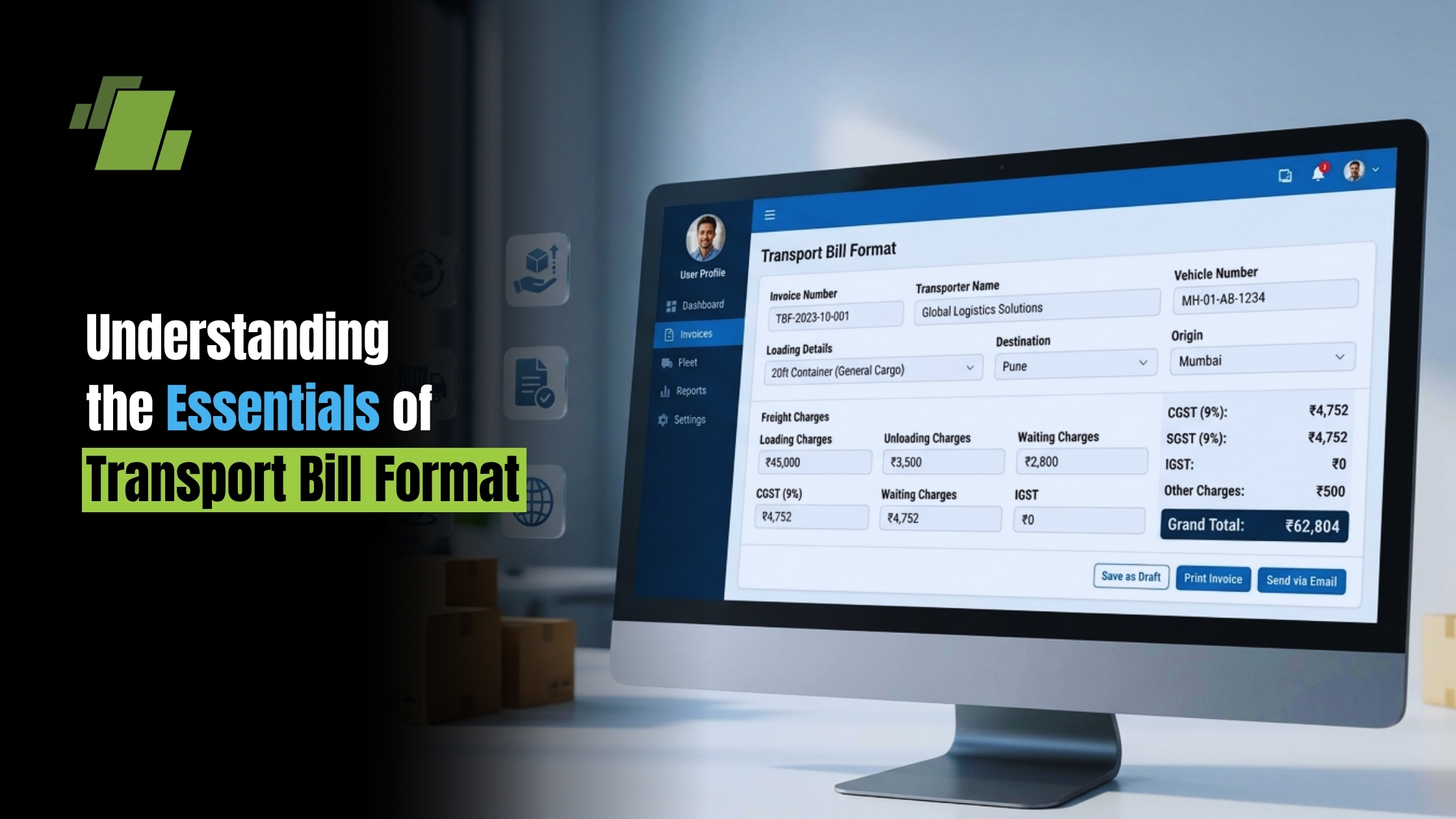
Understanding the essentials of a transport bill format is crucial for businesses involved in logistics. It ensures accurate documentation of transportation services and transactions. A well-structured transport bill format can enhance clarity and professionalism. Whether you issue bills on printed bill paper via a bill pad or maintain a transport bill book for drivers, choosing the right structure supports on-time payments and smooth audits.
Transport bills typically include details like service dates, provider information, and a description of services. They often feature itemized lists, making it easier to track services and payments. This format is essential for record-keeping and financial auditing.
Digital formats, such as PDFs, a transportation invoice format in Word, or a stationery bill format PDF, are becoming increasingly popular. Modern billing software further simplifies invoice creation, tracking, and payment management while offering flexibility and ease of use. Customizing transport bill formats to suit specific business needs can improve efficiency, accuracy, and compliance with legal regulations.
Contact Us
Free Demo Request
What is a Transport Bill Format?
A transport bill format is a structured template for documenting transportation services. It serves as a formal record of transactions between service providers and clients. This document is key to ensuring clear communication and accountability in logistics. In some operations, this template is used as a shop bill book for handwritten entries or exported from software as a PDF for email delivery.
Typically, a transport bill format consists of several essential components. These include the date of service, details of the service provider, and information about the client. Also, it contains a description of services rendered, often in an itemized list.
Transport bill formats are adaptable to various transportation services. They can cater to different types, such as freight, passenger, or courier services. Each format can be customized to meet the specific needs of a business.
Key Components of a Transport Bill Format
The key components of a transport bill format are vital for capturing all details of a transaction. Each component serves a distinct purpose, allowing for accurate tracking and record-keeping. Omitting any of these could lead to confusion or payment delays.
First, a transport bill should start with the invoice number. This unique identifier helps to track the transaction and manage records. Following this, include the date of issuance, which marks the official record of when the document was generated.
The bill must also contain both service provider and client details. These should include names, addresses, and contact information. This section ensures that all involved parties can be easily identified and contacted if necessary.
Moreover, the document should clearly outline services provided. This is typically done through an itemized list, noting quantities and rates. Clear descriptions prevent misunderstandings and facilitate easier payments.
Key Components Include:
- Invoice Number
- Date of Issuance
- Service Provider Details
- Client Details
- Itemized List of Services
Additionally, note any payment terms and conditions within the bill. Such details inform the client of deadlines and any discounts offered for early payment. This transparency aids in building trust and encouraging prompt payments. If you work with a printed bill book design or pre-numbered bill paper, reserve space for signatures, seals, and concise terms on the footer for clarity.
Types of Transport Bill Formats: Digital vs. Paper
When choosing between digital and paper transport bill formats, it’s crucial to consider your business needs and operations. Each type has distinct benefits and potential drawbacks, depending on your setup and client preferences. Understanding these differences can streamline your billing process.
Digital bill formats are increasingly popular due to their ease of use and accessibility. They allow for quick editing and sharing, making transactions faster. Additionally, digital formats help reduce paper waste, aligning with eco-friendly practices. However, they require reliable internet and tech infrastructure for optimal performance.
On the other hand, paper formats retain their traditional appeal, favored by those who appreciate physical copies. They don’t depend on technology and provide a tangible record-keeping option. However, they can be cumbersome to store and are more susceptible to physical damage.
Pros and Cons:
- Digital: Easily edited, eco-friendly, requires tech infrastructure.
- Paper: Tangible, no tech needed, storage issues.
Both formats have their place in business strategies, and a hybrid approach can offer flexibility. Combining both digital and paper billing could cater to a diverse range of client preferences. Keeping a stationery bill format PDF for email and a compact shop bill book at the counter often covers most scenarios.
How to Customize Your Transport Bill Format
Customizing your transport bill format can significantly enhance its utility and appearance. Start by identifying specific business requirements and client preferences. Tailoring these elements ensures clarity and professionalism, making the billing process smoother.
Consider incorporating your brand’s visual identity, such as logos and color schemes, into the bill design. This approach enhances brand recognition and strengthens customer relationships. Additionally, including unique invoice numbers and comprehensive contact details streamlines communication and record-keeping processes.
To further tailor your transport bill format, think about adding fields that reflect your services’ unique attributes. This might involve specific service descriptions or rate options. Customizing your bills can be guided by analyzing other examples from related industries. For print, prepare a bill book design HD or a bill book PNG so logos and stamps reproduce crisply; for multilingual clients, consider a bill book format in Hindi alongside English.
Customization Tips:
- Use brand logos and colors.
- Include unique invoice identifiers.
- Add relevant service-specific fields.
Designing a customized transport bill format can be a strategic move that promotes efficiency and improves client interactions. Adopting a template that suits your service specifics will make your billing process more accurate.
Comparing Transport Bill Format with Other Bill Formats
A transport bill format is distinct from other bill formats like those for hardware shops or furniture sales. Each type caters to unique industry needs and customer requirements. Transport bills focus on listing services, distances, and routes taken, unlike product-based bills.
Furniture bill formats emphasize specifications such as material, dimensions, and quantity. Hardware shop bills, on the other hand, list item names with code numbers and prices. These details highlight how transport bills prioritize service aspects, while others focus on tangible goods. For example, a hardware shop bill format or hardware bill format tracks SKUs and quantities; a furniture bill or furniture bill format captures materials and dimensions; a dress bill format notes sizes and colors; a stationery bill format (sometimes written as a stationary bill format or stationary bill) itemizes office supplies; an electric shop bill includes serial numbers and warranties; mobile shop bill book format and mobile shop bill book design record IMEI numbers and plans; a tent house bill format or tent house bill book logs rental dates and deposits; and a book store bill highlights ISBNs.
When customizing or comparing these formats, consider the target audience and information they require. An electric shop bill would typically include product warranties, a feature irrelevant to transport bills.
Key Differences:
- Service description vs. product description.
- Emphasis on route and distance vs. product size or type.
- Unique identifiers for services vs. for products.
Understanding these differences ensures your billing process aligns accurately with industry expectations. A well-tailored bill format, be it for transport or otherwise, can lead to better client experiences and improved business operations.
Step-by-Step Guide to Creating a Transport Bill
Creating a transport bill is an essential skill for business operations. It ensures clear documentation of services provided. This guide will help you create an effective transport bill format step by step.
Firstly, gather all necessary information. This includes client details, service descriptions, and any relevant dates. You’ll also want to determine the payment terms and include these in the bill.
Next, structure the bill format to enhance readability. Start with a clear header featuring your company logo and contact details. Follow this with an itemized list of services, including quantities, rates, and total costs.
Steps to Create a Transport Bill:
- Collect client and service information.
- Design a clear and professional header.
- List services provided with detailed descriptions.
- Clearly state payment terms and conditions.
Once completed, review the bill for accuracy. Ensure all figures are correct, and the format is easy to understand. A well-crafted transport bill increases professionalism and minimizes billing errors. For quotations and pre-approvals, maintain an estimate bill book before issuing the final invoice.

Best Practices for Using Transport Bill Formats
Using transport bills effectively requires adherence to best practices. These ensure smooth transactions and clear communication between parties. First, always keep your transport bills organized and accessible. This aids in record-keeping and quick reference during audits.
Incorporate technology to streamline the billing process. Utilize digital formats, like PDFs, for efficient sharing and storage. Ensure your billing software is integrated with other business systems for seamless operations.
Key Practices:
- Maintain organized and accessible bill records.
- Utilize digital formats for easy sharing and storage.
- Regularly update formats to comply with current regulations.
Regularly review and update your transport bill formats. Stay compliant with industry regulations and ensure that your bills reflect your current business practices. Keeping up-to-date with billing trends not only promotes efficiency but also enhances client trust. Localize templates as needed (for example, a bill book format in Hindi) to improve clarity for regional clients.
Sample Templates and Bill Book Images
Finding the right transport bill template can save you time and enhance professionalism. Many templates are customizable to fit specific needs. Consider including features like company branding and client details. This ensures clarity and consistency across transactions.
Using bill book images can inspire the design of your transport bill format. These images can provide visual guidance in structuring layouts and section spacing. Search for bill book images and bill book PNG files for inspiration. Industry-specific samples such as a stationery bill format PDF, a tent house bill book, a shop bill book, a book store bill, or a mobile shop bill book design can help you adapt proven ideas to your needs.
Look for resources that offer:
- Editable templates in formats like PDF or Word.
- Designs featuring different industries for broader applicability.
- User-friendly options for seamless integration.
Conclusion: The Importance of a Well-Designed Transport Bill Format
A well-crafted transport bill format can significantly impact your business operations. It ensures accurate documentation of services, facilitating seamless financial transactions. Clarity and precision in billing prevent misunderstandings and disputes.
Moreover, customizing your transport bill format to align with your specific business needs enhances efficiency. It aids in tracking payments and outstanding balances. By integrating branding elements, your bills can also contribute to a professional image. In summary, investing time in designing an effective transport bill format whether as a digital template or a transport bill book is a crucial step toward improved business management.

Call at +91-73411-41176/75 or send us an email at sales@logicerp.com to book a free demo today!
Frequently Asked Questions
1. What information does a transport bill include?
A transport bill typically includes the service date, provider details, client information, and a description of the services offered. It also itemizes costs and terms of payment. Including these details ensures transparency and understanding for both parties involved.
2. Can I use digital formats for transport bills?
Yes, digital formats are highly recommended for transport bills. They offer convenience and accessibility. Digital formats like PDFs and Word documents are easily editable, shareable, and help in maintaining a paperless environment.
3. How often should I update my transport bill format?
Regular updates are necessary to maintain compliance with legal and industry standards. Review your transport bill format periodically. Adjustments should reflect new business practices and changing regulations.
4. What are the benefits of using transport bills?
Transport bills enhance accountability and track financial transactions efficiently. They aid in record-keeping, dispute resolution, and financial analysis, ultimately supporting effective business management.
5. What details must every transport bill include to avoid confusion or payment delays?
Include a unique invoice number, the date of issuance, full service provider and client details (names, addresses, and contacts), and an itemized list of services with quantities and rates. Clearly state payment terms and conditions, including any early-payment discounts. If you use a printed bill book or pre-numbered bill paper, reserve space for signatures, seals, and concise terms in the footer for clarity.
6. Should I use digital, paper, or a hybrid transport bill format?
Choose based on your operations and client preferences. Digital formats (PDFs, Word) are easy to edit, share, and store, but require reliable tech infrastructure; paper formats are tangible and tech-free but create storage and damage risks. A hybrid approach often works best keep a stationery bill format PDF for email delivery and a compact shop bill book at the counter to cover most scenarios.
7. How do transport bills differ from product-based bills, and what should I emphasize?
Transport bills prioritize services over goods, highlighting service dates, routes, and distances rather than product specs or SKUs. In contrast, hardware or furniture bills focus on item codes, materials, sizes, and warranties. Emphasize clear, itemized service descriptions and rates tailored to logistics activities.
8. How can I customize my transport bill to reflect my brand and operations?
Add your logo and brand colors, use unique invoice identifiers, and include comprehensive contact details. Introduce service-specific fields that reflect how you operate, and prepare print assets (e.g., bill book design HD or PNG) so logos and stamps reproduce crisply. For regional clarity, consider multilingual versions (such as a bill book format in Hindi alongside English).
9. What best practices keep transport billing efficient and audit-ready?
Maintain organized, easily accessible records and favor digital formats (like PDFs) for sharing and storage. Integrate your billing with other business systems and regularly update templates to stay aligned with current regulations and practices. For smoother approvals, keep an estimate bill book for quotations before issuing the final invoice.

Author
Gurbir Singh
Co-founder & Managing Director | LOGIC ERP Solutions Pvt. Ltd.
With 30+ years of experience in the tech industry, I took the helm of technology & product development, ensuring LOGIC ERP’s continuous innovation & leadership in the evolving tech landscape.