Are You Still Using Outdated Technology? Switch to LOGIC ERP

Summary
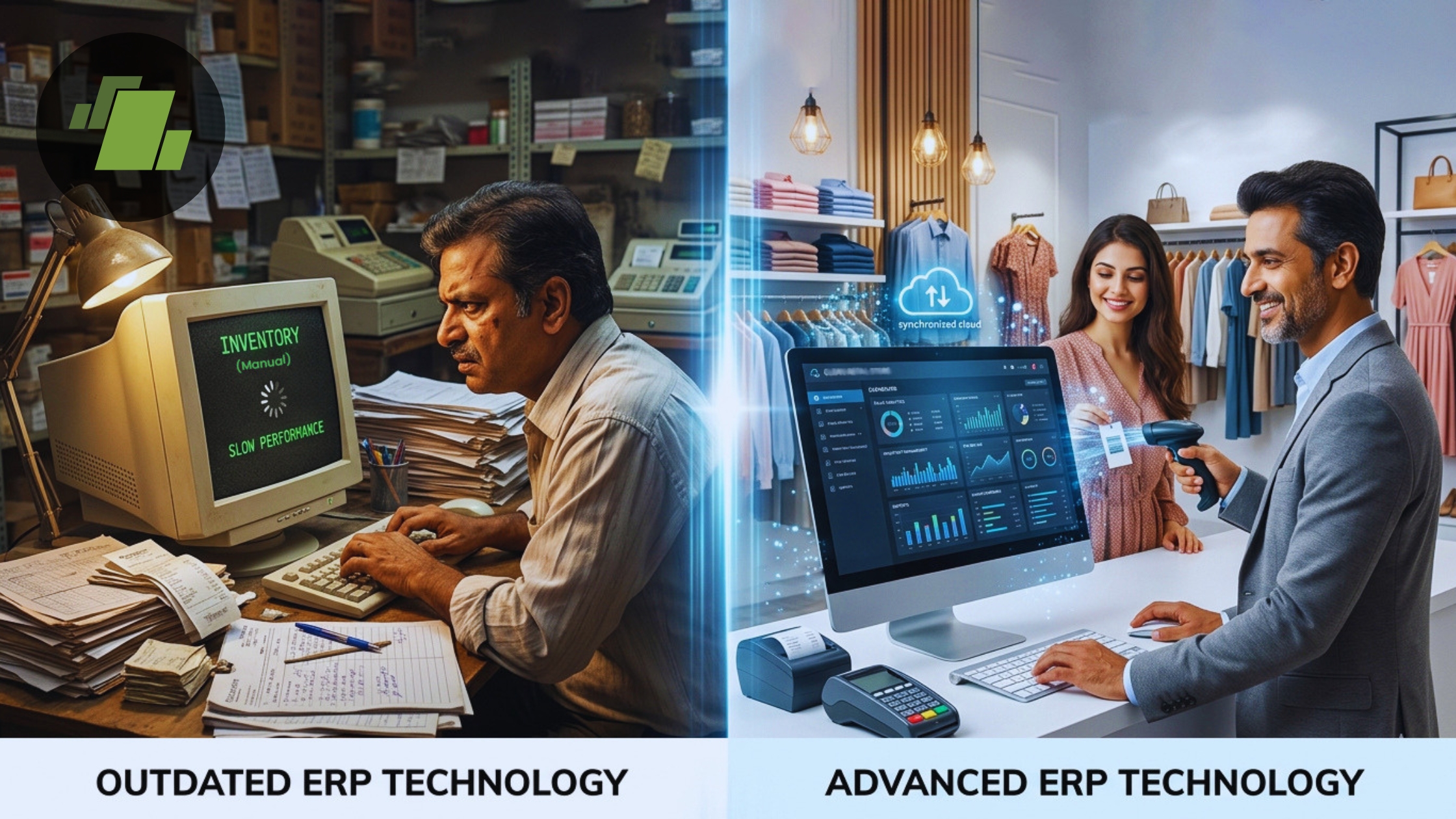
Outdated technology can quietly damage your business performance. From reduced efficiency and productivity to security risks and customer loss, relying on old systems can hold your business back. Upgrading to modern solutions like ERP software helps streamline operations, improve visibility, and drive sustainable business growth.
Introduction: Is Your Business Still Running on Old Technology?
When was the last time you upgraded your business technology?
Was it recently—or are you still relying on systems implemented years ago?
Many businesses operate with a mix of old and new technologies, upgrading only when systems fail. While this approach may seem cost-effective in the short term, it often leads to hidden inefficiencies, increased risks, and missed opportunities.
Outdated technology doesn’t just slow down processes it impacts your entire business ecosystem, from operations and customer experience to decision-making and growth.
The Hidden Costs of Outdated Technology
While the most visible issue is slower performance, the real impact goes much deeper. Let’s explore the major challenges businesses face when relying on outdated systems.
1. Compatibility Issues with Modern Software
One of the biggest challenges with outdated technology is compatibility. Modern tools, applications, and platforms are designed to work with updated systems.
Older software may:
- Fail to integrate with new applications
- Limit automation capabilities
- Create data silos across departments
This restricts your ability to adopt new technologies and reduces overall operational efficiency, making it harder to stay competitive.
2. Reduced Productivity and Efficiency
Outdated systems are often slow, prone to errors, and difficult to use. This leads to:
- Delays in daily operations
- Increased manual work
- Frequent system crashes
Employees spend more time fixing issues instead of focusing on productive tasks, which directly impacts overall business performance.
3. Missed Growth Opportunities
In today’s fast-paced market, agility is key. Businesses need to quickly adapt to trends, customer demands, and new opportunities.
However, outdated technology:
- Limits scalability
- Slows down decision-making
- Prevents quick adoption of new business models
While competitors leverage modern tools to grow faster, businesses stuck with old systems risk falling behind.
4. Increased Cybersecurity Risks
Security is one of the most critical concerns in today’s digital landscape. Outdated systems are more vulnerable to cyber threats because they lack the latest security updates and protocols.
This can lead to:
- Data breaches
- Financial losses
- Legal and compliance issues
Investing in updated technology ensures stronger data protection and reduces the risk of cyber-attacks.
5. Poor Customer Experience & Loss of Trust
Customer expectations are higher than ever. They expect fast, seamless, and reliable service.
Outdated systems can result in:
- Slow order processing
- Delayed responses to queries
- Errors in billing or inventory
These issues negatively impact customer satisfaction and can lead to loss of trust, ultimately driving customers toward competitors.
6. Higher Maintenance Costs
Many businesses believe that continuing with old systems saves money but the reality is quite the opposite.
Outdated technology often leads to:
- Frequent breakdowns
- Expensive emergency repairs
- Increased IT support costs
Without a proper upgrade strategy, businesses end up spending more on maintaining old systems than investing in modern solutions.
7. Limited Flexibility and Remote Work Challenges
The modern workplace demands flexibility. Remote work, mobile access, and cloud-based operations have become essential.
Outdated systems:
- Limit remote accessibility
- Reduce collaboration efficiency
- Restrict real-time data access
Businesses that fail to adapt struggle to maintain productivity in a flexible work environment.
Why Modern ERP Software is the Solution
Upgrading to a modern ERP (Enterprise Resource Planning) system helps businesses overcome these challenges by integrating and automating core operations.
With ERP software, businesses can:
- Centralize data across departments
- Automate billing, inventory, and accounting
- Access real-time insights and analytics
- Improve decision-making with accurate data
- Enhance security and compliance
- Enable cloud access and remote working
ERP acts as a single source of truth, ensuring seamless operations and improved efficiency across the organization.
Future-Proof Your Business with the Right Technology
Technology is constantly evolving, and businesses that fail to adapt risk becoming obsolete. Investing in modern solutions not only solves current challenges but also prepares your business for future growth.
A proactive approach to technology upgrades ensures:
- Better performance and scalability
- Reduced operational risks
- Improved customer satisfaction
- Stronger competitive advantage
Conclusion: Don’t Let Outdated Technology Hold You Back
Outdated technology is more than just a technical issue; it’s a business risk. It affects productivity, security, customer experience, and overall growth.
By upgrading to modern systems like ERP software, businesses can streamline operations, improve efficiency, and unlock new growth opportunities.
Call at +91-73411-41176 or send us an email at sales@logicerp.com to book a free demo today!
Frequently Asked Questions (FAQs)
1. What are outdated technologies in business?
Outdated technologies refer to old software, systems, or equipment that no longer meet current business needs. These systems are often slower, less secure, and incompatible with modern tools.
2. How do outdated systems affect business efficiency?
Outdated systems reduce efficiency by slowing down processes, increasing downtime, and requiring more manual work, which ultimately lowers productivity and performance.
3. Why is upgrading to modern technology important for businesses?
Upgrading ensures better performance, improved security, real-time data access, and the ability to stay competitive in a fast-changing digital environment.
4. What are the security risks of using outdated technology?
Older systems are more vulnerable to cyber-attacks, data breaches, and malware due to lack of updates and security patches, putting sensitive business data at risk.
5. Can outdated technology lead to customer loss?
Yes, slow systems, poor service response, and security concerns can reduce customer trust, leading to dissatisfaction and potential loss of customers.
6. How does outdated technology limit business growth?
It restricts scalability, reduces flexibility, and prevents businesses from adopting new tools or innovations, limiting growth opportunities.
7. What are the signs that your business needs a technology upgrade?
Frequent system crashes, slow performance, security issues, and difficulty integrating with new tools are key indicators that it’s time to upgrade.
8. How can ERP software help replace outdated systems?
ERP software integrates all business processes into one system, improves efficiency, enhances data accuracy, and provides real-time insights for better decision-making.
9. Is upgrading technology expensive for businesses?
While there is an initial investment, modern technology reduces long-term costs by improving efficiency, preventing breakdowns, and minimizing emergency repairs.
10. How can businesses smoothly transition from outdated to modern systems?
Businesses can transition by planning upgrades, choosing scalable solutions like ERP, training employees, and partnering with reliable technology providers.