Understanding Purchase Bill Discounting Benefits

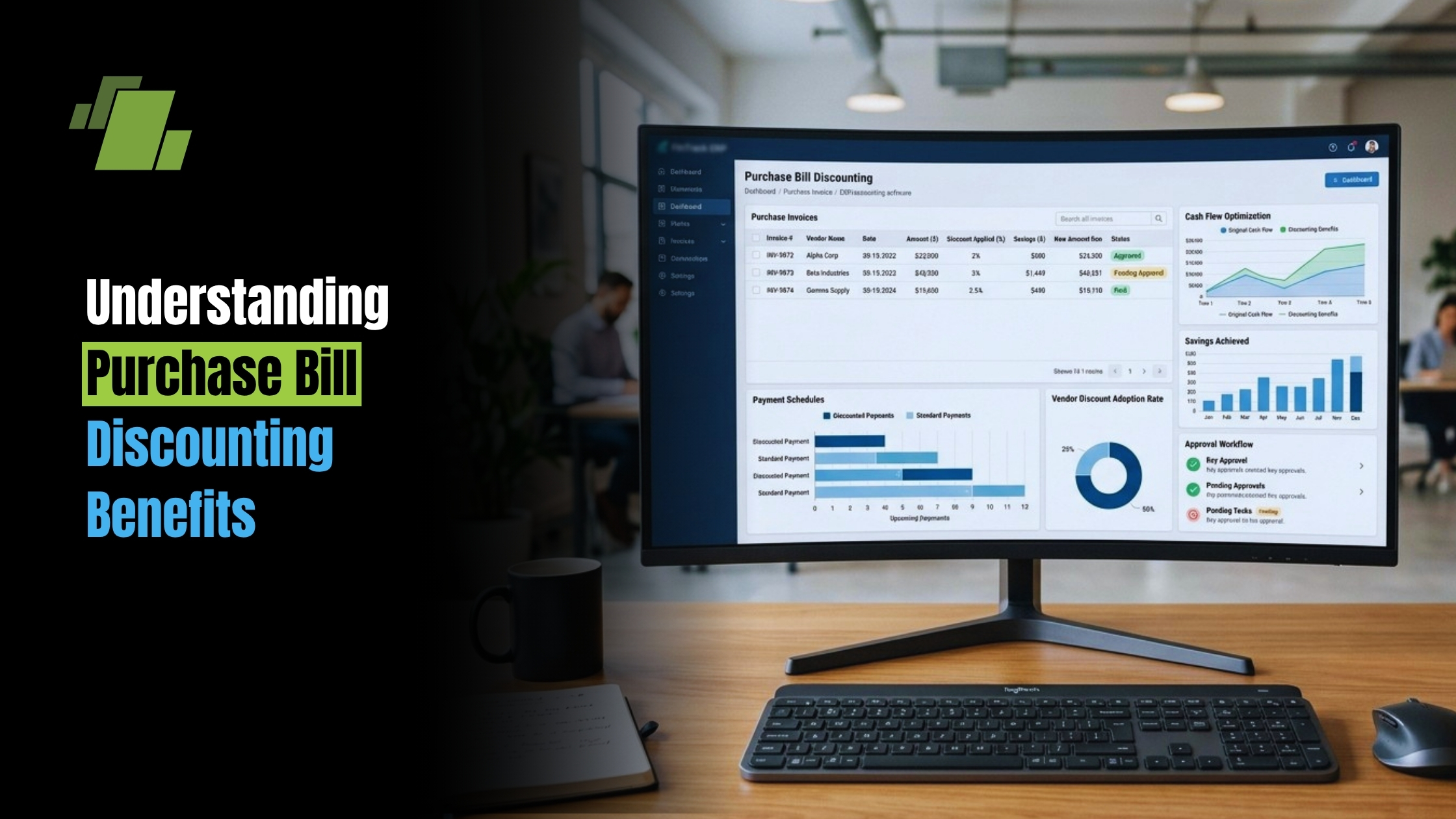
Purchase bill discounting is a powerful financial tool, also known as purchase invoice discounting in some markets. It helps businesses manage cash flow and meet short-term financing needs within trade finance. This method allows companies to receive early payment on their invoices. It is a form of trade finance that can improve working capital. By selling unpaid invoices to a financial institution, businesses can access funds quickly. This process is often faster and more flexible than traditional loans. Bill discounting is especially useful for businesses with long payment cycles. It provides a way to meet immediate financial obligations without waiting for invoice maturity. Understanding the benefits of purchase bill discounting can help businesses thrive. It offers a strategic advantage in managing finances effectively.
Contact Us
Free Demo Request
What is Purchase Bill Discounting?
Purchase bill discounting is a financial solution that enhances cash flow. It allows businesses to receive funds based on outstanding invoices. By partnering with a financial institution, a business sells its unpaid invoices at a discount.
As a short-term financing mechanism within trade finance, purchase bill discounting (sometimes called purchase invoice discounting) provides quick access to liquidity without taking on long-term debt.
This method provides quick access to cash before the invoice due date. It’s an effective form of short-term financing, crucial for maintaining working capital. Companies can leverage this tool to meet urgent financial obligations.
The process involves three main parties: the business, the financial institution, and the customer responsible for the invoice. The financial institution evaluates the customer’s creditworthiness before agreeing to discount the invoice.
Key Features of Bill Discounting:
- Quick access to cash
- Improves cash flow
- Involves three key parties
- Offers flexible financial options
Understanding the bill discounting meaning is vital for businesses looking to optimize their cash management. It provides a straightforward solution to liquidity challenges.
How Does Purchase Bill Discounting Work?
Purchase bill discounting simplifies access to funds by converting outstanding invoices into cash. Businesses initiate the process by selecting invoices they wish to discount. They submit these invoices to a financial institution for assessment.
Once submitted, the institution evaluates the creditworthiness of the buyer responsible for the invoice. This evaluation helps determine the discount rate and terms applicable. If the invoice is approved, the business receives a portion of its value as immediate funds.
Typically, the funds are available within a few days, offering a quick financial boost. The balance, minus the discount fee, is paid once the customer settles the invoice in full.
Key Steps in the Process:
- Submission of invoices to a financial institution
- Evaluation of buyer’s creditworthiness
- Agreement on discount terms
- Receipt of initial funds
- Final settlement after invoice payment
By streamlining these steps, purchase bill discounting enables businesses to enhance their financial agility. This method allows them to meet their immediate needs without enduring lengthy waiting periods.
Key Features of Purchase Bill Discounting
Purchase bill discounting is a flexible financial tool tailored to meet diverse business needs. Its adaptability allows firms of all sizes to leverage unpaid invoices swiftly. This feature ensures businesses have the funds needed for operations or growth.
One notable aspect of bill discounting is its non-recourse nature. This means the financial institution shoulders the risk if the customer defaults on payment. Businesses can focus on their core operations without concerns about potential non-payments.
The simplicity of the process is another key feature, making it more accessible compared to other financing options. Minimal documentation is required, allowing businesses to secure funds with ease and speed.
Key Features Include:
- Flexibility for businesses of various sizes
- Non-recourse risk management
- Simple and quick process
- Minimal documentation requirements
These features collectively make purchase bill discounting an attractive option for businesses seeking quick and effective solutions to optimize cash flow.
Benefits of Purchase Bill Discounting for Businesses
Purchase bill discounting offers several compelling benefits that can transform business operations. It is particularly advantageous for companies dealing with long payment cycles or large clients. Access to immediate cash flow is crucial for meeting urgent financial commitments.
One significant advantage is the improvement of a company’s working capital. By converting outstanding invoices into cash, businesses can maintain liquidity and support daily operations efficiently. This immediate cash flow ensures that businesses can seize new opportunities without delay.
Another benefit is the cost-effectiveness compared to other financial options. The discounting fees are usually lower than interest rates on traditional loans, resulting in better cash management. This financial strategy doesn’t burden businesses with debt or equity dilution.
Advantages of Purchase Bill Discounting:
- Enhanced cash flow without waiting for invoice maturity
- Cost-efficient compared to loans
- No equity dilution or debt increase
Purchase bill discounting also strengthens a company’s financial image. Timely payments to creditors lead to an improved credit rating and positive relationships with suppliers and clients.
Furthermore, it allows businesses to reduce credit risk by transferring it to financial institutions. These institutions assess the creditworthiness of customers before discounting, alleviating financial stress from the business.
Strategic Benefits Include:
- Strengthened financial reputation
- Risk management through credit assessment
- Positive relationships with clients and suppliers
Overall, purchase bill discounting empowers businesses to focus on growth and operational efficiency. It provides the financial stability needed to operate effectively in competitive markets.
Purchase Bill Discounting vs. Invoice Discounting vs. Bill Purchase
Understanding the differences between purchase bill discounting, invoice discounting, and bill purchase is crucial for choosing the right financial solution. Each offers distinct advantages but serves different purposes.
Purchase bill discounting involves selling unpaid invoices to a financial institution at a discount. This method focuses on accelerating cash flow by providing immediate liquidity. It is particularly beneficial for businesses requiring quick access to funds for operational purposes.
In contrast, invoice discounting allows businesses to borrow against outstanding invoices without selling them. The invoices remain assets of the business, offering more control over the receivables. This option is suitable for companies wanting to retain customer relationships and manage collections internally.
Bill purchase, meanwhile, involves selling the right to receive payment from invoices to the financier. It is often used in international trade where currency and payment risks are higher.
Comparison Highlights:
- Purchase Bill Discounting: Immediate cash, reduced credit risk
- Invoice Discounting: Control over invoices, retains relationships
- Bill Purchase: Suitable for trade, manages payment risks
When Should Businesses Use Purchase Bill Discounting?
Purchase bill discounting is a strategic choice for businesses facing cash flow challenges. It suits situations where immediate liquidity is vital. Companies experiencing long payment cycles can benefit significantly.
This financial tool is also valuable during periods of rapid expansion. When expanding, businesses often face a surge in demand but lack the necessary capital. Bill discounting provides the needed cash to seize growth opportunities without waiting for invoice maturity.
Businesses dealing with large, reputable clients often use bill discounting. It allows them to maintain consistent cash flow while offering extended payment terms to clients. This approach strengthens business-client relationships and ensures ongoing operational efficiency.
Consider Utilizing Purchase Bill Discounting When:
- Cash flow is tight.
- Business is expanding quickly.
- Large clients require extended payment terms.
The Process: Step-by-Step Guide to Purchase Bill Discounting
Understanding the purchase bill discounting process is crucial for businesses considering this financing option. Here’s a concise guide outlining the steps involved.
First, businesses submit their invoices to a financial institution for discounting. These invoices must be for goods or services already delivered, ensuring legitimacy and value.
Next, the financial institution assesses the invoices and the creditworthiness of the customers involved. This step is vital to determine the level of risk associated with discounting the bills.
Once approved, the institution provides a percentage of the invoice value upfront. This immediate access to funds helps businesses fulfill immediate financial obligations or invest in growth.
Finally, when the customer settles the full invoice amount, the financial institution reconciles the account. The business then receives any remaining balance minus the discount fee.
Key Steps in Purchase Bill Discounting:
- Submit valid invoices.
- Institution evaluates creditworthiness.
- Receive upfront funding.
- Customer pays invoice.
- Final balance reconciled.
Factors to Consider Before Opting for Bill Discounting
Before engaging in bill discounting, businesses should evaluate several critical factors. Understanding these can help avoid potential pitfalls and maximize the benefits.
First, assess the cost of discounting. The fee charged by financial institutions varies, and lower fees can significantly impact overall cost savings.
Next, consider the creditworthiness of your customers. Institutions are more likely to discount invoices from reputable and reliable clients, impacting the amount of funds you can access.
Finally, review the terms and conditions. These dictate the flexibility and suitability of the arrangement for your business needs.
Important Considerations:
- Cost of discounting
- Customer creditworthiness
- Terms and conditions
Choosing the right approach can ensure the smooth management of working capital and support business growth objectives.
Common Myths and Misconceptions
Many believe bill discounting is only for large businesses, but it’s also beneficial for small enterprises. This approach provides liquidity regardless of company size.
Another misconception is that bill discounting is complex and time-consuming. However, the process is straightforward and quick, often requiring minimal documentation.
Misconceptions about Bill Discounting:
- Only for large businesses
- Complex and lengthy process
Understanding these myths helps in making informed decisions about utilizing purchase bill discounting and clarifies the bill discounting meaning for teams new to this solution.
How to Choose the Right Financial Partner
Selecting a reliable financial partner is crucial for effective bill discounting. The right partner can enhance your business’s financial strategy.
Assess the partner’s track record and industry expertise. A provider with relevant experience can offer better insights and solutions.
Evaluate the terms and conditions offered. Look for transparency in fees and a clear understanding of the discounting process.
Considerations for Choosing a Financial Partner:
- Industry experience
- Transparent terms
- Competitive rates
A thorough vetting process ensures that your financial partner aligns with your business goals and requirements.
Conclusion: Is Purchase Bill Discounting Right for Your Business?
Evaluating whether purchase bill discounting suits your business is vital. Consider your cash flow needs and current financial strategies.
For businesses seeking quick access to funds, this approach may be beneficial. It provides a unique opportunity to manage liquidity efficiently.
By ensuring ongoing cash flow and meeting short-term obligations, purchase bill discounting can support business growth. Assess your financial goals, and if flexibility and improved working capital are key, it could be the right fit. Make an informed decision by weighing the specific benefits against any potential risks.
Call at +91-73411-41176/75 or send us an email at sales@logicerp.com to book a free demo today!
Frequently Asked Questions
1. What is Purchase Bill Discounting and How Does It Work?
Purchase bill discounting is a short-term financing solution where businesses sell unpaid invoices to a financial institution at a discount to receive immediate funds. The financial institution advances a percentage of the invoice value, helping businesses improve cash flow before the invoice due date.
2. What are the Main Benefits of Purchase Bill Discounting?
Purchase bill discounting helps businesses improve working capital, maintain steady cash flow, meet urgent financial needs, avoid long-term debt, and continue operations smoothly without waiting for customer payments.
3. How is Purchase Bill Discounting Different from Invoice Discounting?
In purchase bill discounting, invoices are sold to a financial institution for immediate cash, while invoice discounting allows businesses to borrow against invoices while retaining ownership and control over customer collections.
4. Which Businesses Should Use Purchase Bill Discounting?
Businesses with long payment cycles, seasonal cash flow gaps, rapid growth plans, or large clients demanding extended payment terms can benefit from purchase bill discounting to maintain liquidity and operational stability.
5. What Factors Should Businesses Consider Before Choosing Bill Discounting?
Businesses should evaluate discounting fees, customer creditworthiness, funding terms, repayment conditions, and the reputation of the financial institution before opting for purchase bill discounting.

Author
Gurbir Singh
Co-founder & Managing Director | LOGIC ERP Solutions Pvt. Ltd.
With 30+ years of experience in the tech industry, I took the helm of technology & product development, ensuring LOGIC ERP’s continuous innovation & leadership in the evolving tech landscape.