15 Challenges of Operating a Grocery Store and How to Overcome Them with LOGIC ERP

Summary
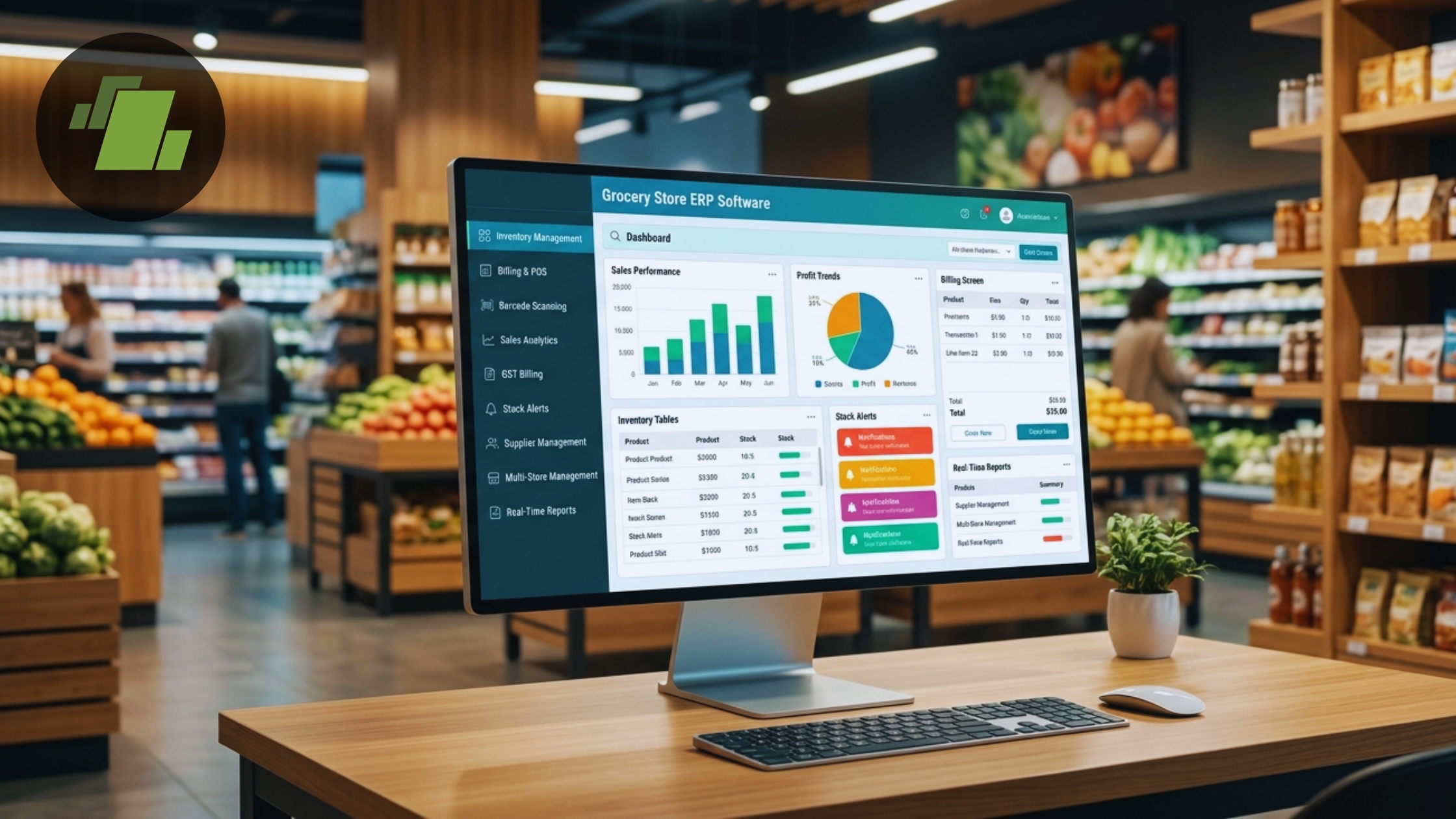
Running a grocery store comes with numerous operational challenges, including inventory management, supplier coordination, customer retention, pricing control, workforce management, and increasing competition from online retailers. These challenges can impact profitability, customer satisfaction, and overall business growth. This blog explores the top 15 grocery store challenges and explains how modern grocery store software helps automate operations, improve efficiency, reduce costs, and deliver a seamless shopping experience.
Contact Us
Free Demo Request
Introduction
Managing a grocery store is far more demanding than simply stocking shelves and processing sales. Grocery retailers must handle thousands of products, monitor perishable inventory, manage vendor relationships, comply with regulations, and meet evolving customer expectations all while maintaining healthy profit margins.
Some of the most common challenges faced by grocery stores include inventory inaccuracies, stockouts, wastage of perishable goods, supply chain disruptions, customer retention issues, shrinkage, pricing management, staff scheduling difficulties, and growing competition from online grocery platforms. These challenges can significantly affect operational efficiency and business performance if not managed effectively.
Traditional manual processes often make it difficult to address these issues efficiently. As customer expectations continue to rise and retail operations become more complex, grocery businesses require smarter and more automated solutions.
This is where modern grocery store software plays a crucial role. Advanced grocery software helps retailers streamline inventory management, automate procurement, optimize pricing, improve customer engagement, enhance operational visibility, and support data-driven decision-making.
Whether you operate a supermarket, hypermarket, grocery chain, or neighborhood grocery store, investing in the right supermarket management software can help overcome operational challenges, improve productivity, and drive long-term business growth.
In this blog, we’ll explore the top 15 challenges faced by grocery stores and how powerful grocery store software solutions can help businesses overcome them while improving profitability and customer satisfaction.
1. Inventory Management Challenges
Inventory management is one of the biggest concerns for grocery retailers. Overstocking leads to waste and higher carrying costs, while understocking results in lost sales and dissatisfied customers.
How Grocery Store Software Helps
- Real-time inventory tracking
- Automated stock replenishment
- Low-stock alerts
- Demand forecasting
- Batch and expiry management
With grocery inventory management software, retailers can maintain optimal stock levels and reduce inventory losses.
2. Vendor Management Difficulties
Managing multiple suppliers, tracking deliveries, and negotiating purchase terms can become overwhelming without proper systems.
How Grocery ERP Software Helps
- Automated purchase order generation
- Vendor performance tracking
- Centralized supplier database
- Procurement management
This improves supplier relationships while reducing procurement delays and costs.
3. Supply Chain Disruptions
Unexpected disruptions such as transportation delays, shortages, or natural disasters can significantly impact product availability.
How Grocery ERP Software Helps
- Supply chain visibility
- Alternative vendor management
- Inventory forecasting
- Automated replenishment planning
Retailers can respond quickly and maintain uninterrupted operations.
4. Customer Retention Challenges
Attracting new customers is expensive, making customer retention a top priority for grocery businesses.
How Grocery Store Software Helps
- Loyalty programs
- Customer purchase history tracking
- Personalized promotions
- SMS and email marketing campaigns
These features help increase repeat purchases and customer loyalty.
5. Shrinkage and Loss Prevention
Inventory shrinkage caused by theft, spoilage, damage, or administrative errors directly affects profitability.
How Grocery Software Helps
- Inventory audits
- Barcode scanning
- Stock movement tracking
- Security system integration
Retailers can identify losses quickly and implement preventive measures.
6. Regulatory Compliance
Grocery stores must comply with food safety regulations, GST requirements, and labor laws.
How Grocery ERP Software Helps
- Automated compliance reporting
- Audit trails
- Tax management
- Food safety tracking
This minimizes legal risks and ensures smooth business operations.
7. Price Optimization Issues
Setting the right prices while remaining competitive can be challenging.
How Supermarket Management Software Helps
- Competitor pricing analysis
- Dynamic pricing tools
- Margin monitoring
- Promotional pricing management
Retailers can maximize profitability while remaining attractive to customers.
8. E-commerce Integration Challenges
Consumers increasingly expect online ordering and home delivery options.
How Grocery Store Software Helps
- E-commerce platform integration
- Online order management
- Home delivery tracking
- Click-and-collect support
This enables grocery stores to expand their reach and increase sales.
9. Staff Scheduling and Workforce Management
Balancing labor costs with customer demand requires accurate workforce planning.
How Grocery ERP Software Helps
- Employee scheduling
- Attendance management
- Labor forecasting
- Shift planning
Managers can improve productivity while controlling labor expenses.
10. Delivering a Superior Customer Experience
Modern shoppers expect convenience, speed, and personalization.
How Grocery Retail Software Helps
- Integrated POS systems
- Self-checkout options
- Mobile applications
- Omnichannel shopping experiences
These capabilities improve customer satisfaction and loyalty.
11. Data Security Concerns
Protecting customer and business data is critical in today’s digital environment.
How Grocery ERP Software Helps
- User access controls
- Data encryption
- Secure cloud infrastructure
- Automated backups
This helps safeguard sensitive information from cyber threats.
12. Managing Perishable Goods and Expiry Dates
Grocery stores deal with a large number of perishable products such as dairy, fruits, vegetables, bakery items, and frozen foods. Poor expiry management can lead to product wastage, financial losses, and customer dissatisfaction.
How Grocery Store Software Helps
- Batch and expiry tracking
- Automated expiry alerts
- FIFO (First In, First Out) inventory management
- Real-time stock monitoring
- Waste reduction reporting
Retailers can minimize spoilage, reduce waste, and maintain product freshness.
13. Seasonal Demand Fluctuations
Demand spikes during festivals, holidays, and special occasions can create inventory planning challenges. Incorrect forecasting often results in stock shortages or excess inventory.
How Grocery ERP Software Helps
- Sales forecasting
- Historical trend analysis
- Seasonal inventory planning
- Demand prediction tools
- Automated replenishment planning
Businesses can prepare in advance and maintain optimal inventory levels throughout seasonal peaks.
14. Technology Adoption Challenges
Many traditional grocery stores face difficulties in implementing and adapting to modern retail technologies due to lack of technical expertise and resistance to change.
How Grocery Store Software Helps
- User-friendly dashboards
- Easy implementation process
- Employee training support
- Role-based access controls
- Continuous technical assistance
This enables businesses to transition smoothly toward digital retail operations.
15. Competition from Online Grocery Retailers
The rapid growth of online grocery platforms has increased competitive pressure on traditional grocery stores. Customers now expect convenience, home delivery, and seamless digital shopping experiences.
How Grocery ERP Software Helps
- Omnichannel retail management
- E-commerce integration
- Customer analytics
- Personalized marketing campaigns
- Faster order fulfillment
These capabilities help grocery retailers remain competitive and retain customers in an increasingly digital marketplace.
Why Choose LOGIC ERP Grocery Store Software?
LOGIC ERP is a comprehensive grocery store software solution designed specifically for supermarkets, hypermarkets, grocery chains, and retail stores. It helps businesses streamline operations, improve inventory accuracy, enhance customer satisfaction, and increase overall efficiency.
By automating critical business processes and providing real-time visibility across operations, LOGIC ERP enables grocery retailers to make informed decisions, reduce operational costs, and improve profitability. Whether managing a single store or a large retail chain, the software supports business growth while ensuring seamless day-to-day operations.
With LOGIC ERP, grocery businesses can automate operations, improve customer experiences, optimize inventory control, and achieve sustainable growth in a highly competitive retail environment.
Conclusion
The grocery retail industry faces numerous challenges, from inventory management and supply chain disruptions to customer retention and online competition. However, modern grocery store software provides the tools necessary to overcome these obstacles efficiently.
By implementing a robust grocery ERP software solution, grocery retailers can streamline operations, reduce costs, improve customer satisfaction, and stay ahead of the competition. As the retail landscape continues to evolve, investing in the right technology will be key to long-term success and profitability.
Call at +91-73411-41176/75 or send us an email at sales@logicerp.com to book a free demo today!
Frequently Asked Questions (FAQs)
1. What is grocery store software?
Grocery store software is a comprehensive solution that helps retailers manage inventory, billing, procurement, customer relationships, reporting, and overall store operations.
2. How does grocery ERP software improve inventory management?
It provides real-time stock tracking, automated replenishment, expiry management, and demand forecasting to reduce stockouts and overstocking.
3. Can grocery store software support online grocery sales?
Yes. Modern grocery ERP software integrates with eCommerce platforms, enabling online ordering, home delivery, and click-and-collect services.
4. Is grocery software suitable for multi-store businesses?
Absolutely. Multi-store management features allow centralized control over inventory, pricing, sales, and reporting across all locations.
5. Why should grocery retailers invest in grocery ERP software?
Grocery ERP software improves operational efficiency, enhances customer experiences, reduces costs, increases profitability, and supports long-term business growth.