Understanding the Basics of Inventory Control

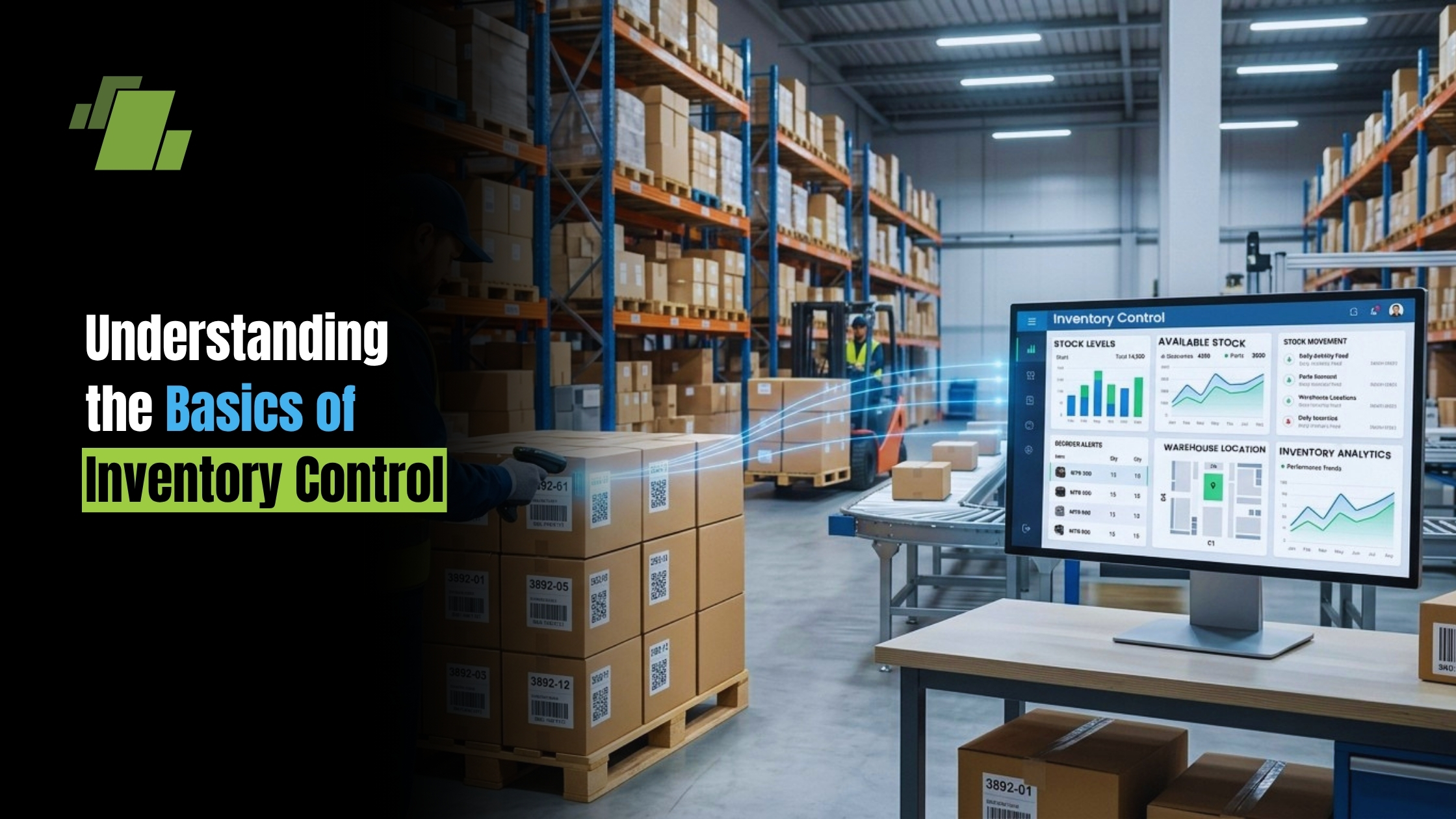
Inventory control is vital for any business managing stock. It ensures optimal stock levels and reduces costs.
Understanding inventory control basics can improve efficiency and profitability.
The first step in the inventory process is crucial. It involves identifying and categorizing inventory items.
This step sets the foundation for effective inventory management.
By mastering inventory control techniques, businesses can enhance their operations.
This guide will explore inventory management steps and offer practical tips for success.
Contact Us
Free Demo Request
What Is Inventory Control?
Inventory control is a systematic approach to managing stock and resources. It involves overseeing inventory levels, tracking, and ensuring accuracy. This process is essential for businesses of all sizes.
At its core, inventory control aims to balance supply and demand. It helps businesses maintain optimal stock levels. This minimizes costs and maximizes efficiency.
Efficient inventory control relies on several key practices:
- Identifying inventory items
- Tracking and managing stock
- Setting reorder points
- Conducting regular audits
Implementing inventory control techniques can prevent stockouts and overstock situations. This ensures seamless operations and enhances customer satisfaction.
By keeping an eye on inventory, businesses can improve their operations. This leads to increased profitability and better resource utilization.
Why Inventory Control Matters for Your Business
Inventory control plays a vital role in business success. Effective management helps maintain the delicate balance between supply and demand. It enables businesses to meet customer needs without excess inventory.
Good inventory control leads to cost savings and increased profitability. By avoiding overstocking, businesses reduce storage and holding costs. This helps improve cash flow and allocates resources more efficiently.
Key benefits of inventory control include:
- Preventing stockouts and backorders
- Reducing inventory carrying costs
- Improving customer satisfaction
Implementing proper inventory management techniques enhances overall business performance. It supports a streamlined operation, ensuring products are available when needed. This enhances the customer experience and fosters loyalty.
Which Is the First Step in Inventory Control Process?
The first step in inventory control is identifying and categorizing inventory items. This process involves understanding what items are in stock and their respective categories. By organizing inventory in this way, businesses lay the foundation for efficient management.
Effective categorization ensures that each item is given the attention it requires. It helps in identifying critical stock and non-essential items. This segmentation plays a crucial role in prioritizing management efforts and resources.
A systematic approach to categorization allows for better tracking and analysis. This not only streamlines reordering but also aids in effective demand forecasting. With clear inventory categories, businesses can set accurate reorder points and safety stock levels.
Key aspects of identifying and categorizing inventory include:
- Creating clear inventory categories
- Regular updates and reviews
- Assigning identification codes
Identifying and categorizing inventory is essential. It sets the stage for all subsequent inventory control steps.
Step-by-Step Guide to the Inventory Control Process
Having a well-defined inventory control process is vital for operational efficiency. This step-by-step guide outlines essential phases in inventory management. It helps businesses maintain optimal stock levels while reducing costs.
1. Identifying and Categorizing Inventory Items
The process begins with identifying and categorizing inventory items. Businesses need to understand what they have and how to classify it. This ensures that each item receives appropriate management focus.
Effective categorization involves:
- Classifying items by type and usage
- Assigning inventory codes
- Regularly reviewing classifications
Proper categorization supports inventory tracking and forecasting.
2. Accurate Inventory Tracking and Record-Keeping
Once categories are set, accurate tracking follows. This involves recording each item’s details diligently. Keeping precise records is foundational for effective inventory management.
Key tracking activities include:
- Logging all incoming and outgoing stock
- Maintaining an updated digital database
- Using barcodes or RFID for efficiency
Accurate records prevent discrepancies and support audits.
3. Setting Reorder Points and Par Levels
Managing stock levels is crucial. Setting reorder points ensures timely replenishment before depletion. Par levels act as a baseline for minimum stock required.
Critical steps:
- Determining historical usage patterns
- Setting reorder points
- Establishing par levels to prevent shortages
Doing so helps in avoiding stockouts and overstocking.
4. Regular Audits and Stock-Taking
Regular audits are necessary to ensure inventory accuracy. This involves periodic checks against recorded data. Audits help uncover and correct discrepancies.
Audit techniques:
- Cycle counting
- Scheduled full inventory counts
- Spot checks for critical items
Consistent auditing maintains inventory integrity and reliability.
5. Analyzing Inventory Data and Adjusting Strategies
The final step involves analyzing inventory data. This means reviewing trends and making adjustments as necessary. Data insights drive improved inventory decisions.
Analysis activities:
- Reviewing historical data and trends
- Adjusting stock levels based on demand
- Modifying strategies as market conditions change
Consistent analysis enhances inventory management effectiveness.
Essential Inventory Control Techniques
Implementing effective inventory control techniques is key to business success. These methods streamline operations and enhance efficiency. Different approaches cater to varied business needs and industries.
One popular technique is ABC analysis. It prioritizes inventory based on value and importance. This allows focusing resources on high-impact items.
- A-items: High value, low quantity
- B-items: Moderate value and quantity
- C-items: Low value, high quantity
Another approach is the Just-in-Time (JIT) system. This minimizes inventory holding costs and reduces waste. It relies on timely deliveries and precise demand forecasting.
Benefits of JIT:
- Lower storage costs
- Reduced obsolescence risk
- Improved cash flow
These techniques, among others, empower businesses to manage inventory effectively.
Inventory Management Tips for Success
Succeeding in inventory management involves strategic approaches and consistent practices. Regularly update inventory records to ensure accuracy and reduce discrepancies. Staying informed can streamline operations.
Consider these practical tips:
- Conduct regular inventory audits
- Implement a dynamic inventory system
- Use data for informed decisions
Efficient communication across departments can boost inventory processes. This enhances coordination and reduces errors, leading to a more agile supply chain.
For effective collaboration:
- Schedule routine cross-departmental meetings
- Encourage open communication channels
- Foster a culture of shared responsibility
Adopting these tips helps maintain optimal inventory levels and improves overall business performance.
Common Challenges in Inventory Control (and How to Overcome Them)
Managing inventory effectively is not without its hurdles. One common issue is inaccurate stock levels, which can lead to either shortages or excesses. Implementing regular stock checks helps mitigate this risk.
Another frequent challenge is aligning supply with demand fluctuations. This requires robust forecasting and adaptive strategies, ensuring responsiveness to market changes.
Key steps to overcome challenges include:
- Investing in inventory management software
- Enhancing staff training on inventory procedures
- Establishing strong supplier relationships
By addressing these challenges proactively, businesses can maintain efficient inventory control and improve overall operations.
The Role of Technology in Modern Inventory Control
Technology plays a crucial role in modern inventory control. Tools like RFID and barcode systems streamline tracking by offering real-time data and accuracy.
These systems not only save time but also reduce human errors, enhancing inventory efficiency. Advanced software solutions automate and optimize various inventory processes, further improving performance.
Key technological benefits include:
- Enhanced accuracy and data reliability
- Faster processing and tracking
- Improved decision-making through analytics
Conclusion: Building a Strong Inventory Control Foundation
Building a robust inventory control system is vital for business success. Start by understanding the basics and implementing key strategies. An effective inventory control foundation supports growth and efficiency.
Continuous improvement in your inventory processes ensures you adapt to changing market demands. Regularly review and refine your strategies for optimal results. This dynamic approach keeps your business resilient.
By prioritizing inventory control, you enhance customer satisfaction and boost profitability. Strong inventory management sets a path for operational excellence and long-term success. Embrace it for a prosperous future.

Call at +91-73411-41176/75 or send us an email at sales@logicerp.com to book a free demo today!
Frequently Asked Questions
1. What is the purpose of inventory control?
Inventory control helps maintain optimal stock levels, reducing costs, and ensuring product availability. It streamlines operations.
2. How do I start with inventory control?
Begin by identifying and categorizing inventory items. This is the first step in inventory control and helps organize your stock efficiently.
3. What tools can help with inventory management?
Utilizing inventory management software can automate tracking, ordering, and reporting processes, enhancing efficiency.
4. Why are regular audits important?
Regular audits ensure inventory accuracy, identifying discrepancies and preventing losses. They help maintain trust and reliability.
5. How does demand forecasting aid inventory control?
Demand forecasting predicts future sales, assisting in better inventory planning. This prevents overstocking or stockouts.
Common questions about inventory control:
- Importance of inventory control
- Getting started with inventory control
- Tools for inventory management
- Necessity of regular audits
- Impact of demand forecasting

Author
Gurbir Singh
Co-founder & Managing Director | LOGIC ERP Solutions Pvt. Ltd.
With 30+ years of experience in the tech industry, I took the helm of technology & product development, ensuring LOGIC ERP’s continuous innovation & leadership in the evolving tech landscape.