Essential Business Software for Startups

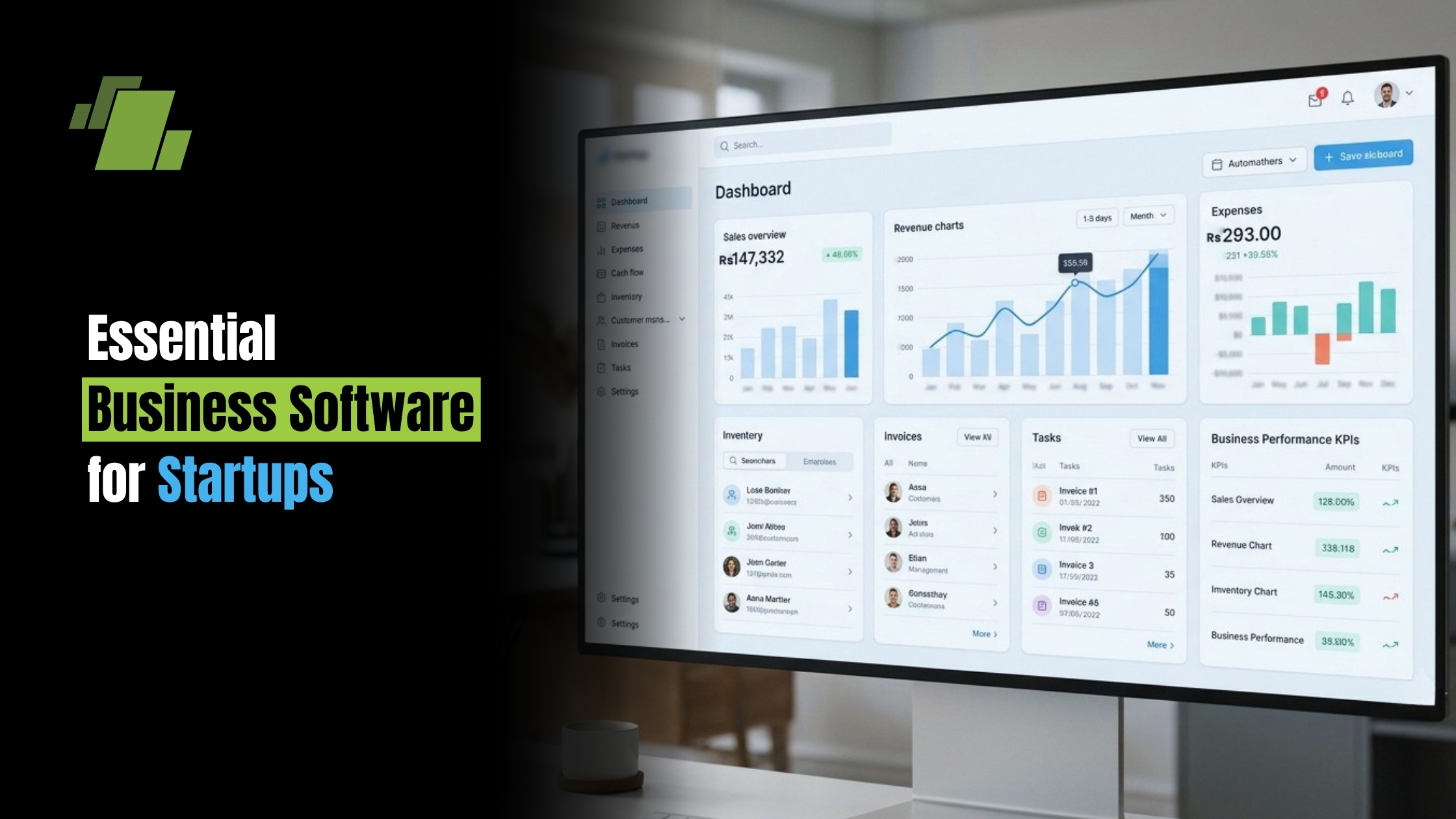
Starting a new business is an exciting journey filled with challenges and opportunities. One of the key challenges is managing operations efficiently. This is where business software comes into play. As part of a broader stack of business applications and enterprise software, these tools help software for companies of every size run consistently.
Business software solutions are essential for startups aiming to streamline processes and boost productivity. They help integrate various functions, from finance to customer management.
Choosing the right software can significantly impact a startup’s growth and success. It can automate tasks, reduce errors, and save valuable time through business automation.
Contact Us
Free Demo Request
Why Startups Need Business Software
Startups operate in a fast-paced environment. This requires efficient management of resources and tasks. Business software can be a game-changer. From workflow software to cloud platforms, modern business applications reduce friction and help teams move faster.
These tools help streamline and automate operations, reducing manual effort significantly. They minimize errors and save time. Furthermore, software solutions can enhance collaboration and communication within teams.
Key reasons why startups need business software include:
- Streamlining operations
- Enhancing team collaboration
- Automating repetitive tasks
- Reducing operational costs
Choosing the right software can be overwhelming due to many options available. Startups must consider their specific needs and growth potential. Software should align with the company’s size, industry, and budget, especially when shortlisting software for companies in similar sectors.
Modern startups need tools that can grow with them. Scalability is crucial for adapting to changing demands and opportunities.
Key Types of Business Software for Startups
Startups benefit from various types of business software. These tools help streamline operations, manage resources, and support growth.
Choosing the right type is crucial. Each type serves different functions, depending on a startup’s needs. Below, we explore key categories and their importance for new businesses.
Business Management Software
Effective management is crucial for any startup. Business management software integrates different areas like CRM, HR, and finance into one platform. Many startups compare the best business management software and complementary business management tools to fit their workflows. This integration helps streamline decision-making and operations.
Features may include project management, resource planning, and real-time analytics. These tools allow better control over processes. Some popular solutions also offer customization options to meet specific needs.
Benefits of business management software include:
- Enhanced decision-making
- Centralized data access
- Integrated CRM and HR functions
Using business management software can greatly impact a startup’s efficiency and scalability.
Productivity Apps and Collaboration Tools
Productivity apps are vital for startups. They enhance team collaboration and help manage tasks effectively. These apps can significantly boost productivity.
Collaboration tools facilitate communication among team members. They offer features like file sharing, task assignments, and messaging. Popular options provide seamless integration with other software, making these business tools easy to adopt.
Key features of productivity and collaboration tools include:
- Task management
- File sharing
- Real-time communication
Startups should choose tools that fit their collaboration style. This ensures smoother workflows and improved team output.
Financial and Accounting Software
Financial health is critical for any startup. Proper accounting software ensures accurate financial management and compliance. These tools simplify tasks like invoicing, budgeting, and expense tracking.
Accounting software provides valuable insights into financial performance. Startups gain visibility into cash flow, enabling better financial planning and decision-making. Automated processes reduce errors and save time.
Common features include:
- Automated invoicing
- Expense tracking
- Financial reporting
Selecting suitable financial software helps a startup remain financially sound and supports informed decision-making with reliable software solutions.
Customer Relationship Management (CRM) Software
Customer relationships are the cornerstone of a successful business. CRM software helps manage interactions with current and potential customers. It centralizes data, facilitating improved service and engagement.
CRM tools offer insights into customer behavior and preferences. This helps in creating targeted marketing strategies and personalized communication. Automation features streamline customer interactions.
Main functions of CRM software are:
- Contact management
- Sales tracking
- Customer segmentation
Adopting CRM software can lead to better customer relationships and increased sales efficiency.

Workflow and Automation Software
Automation software streamlines repetitive tasks. This reduces manual work and minimizes errors. Workflow software enhances team coordination and ensures tasks are completed efficiently.
Automated workflows improve productivity by eliminating bottlenecks and standardizing processes. They provide visibility into project progress, facilitating timely interventions powered by business automation.
Core features of workflow software include:
- Task automation
- Progress tracking
- Process standardization
Workflow and automation tools are valuable for startups aiming for efficient, error-free operations.
Manufacturing and Inventory Management Software
Manufacturing software is crucial for small businesses in production. Manufacturing software small business operations can rely on helps optimize production processes and inventory control. These tools help maintain optimal stock levels and reduce waste.
Inventory management features track stock in real-time, minimizing overstocking or stockouts. They provide insights into inventory turnover and demand forecasting. Manufacturing tools ensure efficient production schedules.
Key functionalities include:
- Real-time stock tracking
- Production scheduling
- Demand forecasting
Implementing these solutions can greatly enhance supply chain efficiency and reduce costs.
Quotation and Proposal Software
Creating quotes and proposals can be time-consuming. Quotation software simplifies this process. Using quotation software for small business teams helps generate and manage quotes effectively.
These tools ensure consistency and professionalism. They automate pricing calculations and tailor proposals to client needs. Quoting software integrates with other systems, ensuring seamless data flow.
Advantages include:
- Automated calculations
- Professional presentation
- Integration with CRM
Quotation software saves time and enhances sales processes by streamlining quote creation.
Web Hosting and Cloud Software
Web hosting is crucial for an online presence. Startups need reliable hosting services for their websites. Cloud software offers flexibility and remote access to data.
Cloud platforms provide scalability, allowing startups to adjust resources as needed. They offer backup solutions to protect data. Cloud-based software supports remote working, a growing trend. For research, resources like web hosting and software for your business m sisipil com can help you compare options.
Key features to consider:
- Scalability and flexibility
- Data security
- Remote accessibility
Choosing the right hosting and cloud solutions ensures a startup’s digital assets are secure and accessible.
How to Choose the Right Business Software for Your Startup
Selecting the right software is essential for startup success. Begin by assessing your business needs and goals. Understanding your specific requirements will guide your decision.
Consider the scalability of the software. Choose solutions that can grow as your company expands. This prevents the need for frequent upgrades.
Evaluate the user-friendliness of the software. A steep learning curve can hinder adoption and productivity. Opt for intuitive interfaces that require minimal training.
When assessing potential solutions, keep these factors in mind:
- Alignment with business goals
- Scalability for future growth
- Ease of use
Shortlist software for companies in your industry and compare costs, security, and integration depth. Finally, consider your budget constraints. Open-source software may offer cost-effective solutions without compromising quality. Compare pricing models and seek solutions that provide the best value. Balancing features, scalability, and cost will help ensure you choose the perfect software for your startup.
Tips for Successful Software Implementation
Implementing new software can be daunting for startups. However, careful planning ensures success and smooth integration. Start by involving your team in the process. Team input identifies potential challenges early.
Provide comprehensive training sessions for staff members. Familiarity with the software will boost confidence and efficiency. Customize these sessions to address varying skill levels within the team.
Here are some key steps for a seamless implementation:
- Engage your team from the outset
- Offer tailored training
- Establish clear communication channels
By following these steps, your startup can harness the full potential of new business software, fostering growth and improved operations.
Future Trends: Innovative Software Solutions for Startups
The business software landscape is constantly evolving with new technological advancements. Emerging trends focus on automation, artificial intelligence, and enhanced data analytics. Startups should pay attention to these developments to stay ahead, while tracking software business ideas that could offer a competitive edge.
Key upcoming trends include:
- Incorporation of AI-driven insights
- Advanced automation capabilities
- Enhanced data analytics for decision-making
Keeping an eye on these innovations will enable startups to harness cutting-edge solutions. This helps maximize efficiency and ensures they remain competitive in their respective industries. Understanding these trends is essential for strategic growth and long-term success.
Conclusion: Setting Your Startup Up for Success
Leveraging the right business software can propel your startup toward success. Strategic choices in software enhance efficiency and drive growth. Aligning business software solutions with business needs is key.
Invest in tools that support your operations and future objectives. This ensures scalability and sustainability. With thoughtful implementation, your startup can thrive in today’s competitive landscape.

Call at +91-73411-41176/75 or send us an email at sales@logicerp.com to book a free demo today!
Freqently Asked Questions
1. What types of business software are most important for startups, and what do they help with?
Startups typically benefit from a core stack that includes: business management software (integrates CRM, HR, finance for centralized decisions), productivity and collaboration tools (task management, file sharing, real-time communication), financial and accounting software (invoicing, expense tracking, reporting), CRM (contact management, sales tracking, segmentation), workflow and automation tools (task automation, progress tracking, standardization), manufacturing and inventory tools for product-based teams (real-time stock, scheduling, forecasting), quotation/proposal tools (automated pricing, professional quotes, CRM integration), and web hosting/cloud platforms (scalable, secure, remote-accessible infrastructure).
2. How should a startup choose the right software from so many options?
Start with your specific needs and growth goals, then prioritize solutions that align with those goals, scale as you grow, and are easy to use. Shortlist options used in your industry and compare cost, security, and integration depth. Consider budget and pricing models (including open-source) to get the best value while balancing features, scalability, and cost.
3. Why is scalability such a big deal, and how do startups ensure their tools can scale?
As startups grow, demand changes quickly; scalable tools adapt without forcing frequent upgrades. Choose software designed to grow with your team and workloads cloud platforms are especially helpful because they let you adjust resources on demand while maintaining accessibility and backups.
4. What practices lead to successful software implementation in a startup?
Involve your team early to surface challenges, provide tailored training to different skill levels, and set clear communication channels. This planning boosts adoption, reduces friction, and ensures the software’s capabilities translate into real operational improvements.
5. Which emerging trends in business software should startups watch?
Keep an eye on AI-driven insights, advanced automation, and enhanced data analytics. Adopting these innovations can improve efficiency, sharpen decision-making, and help maintain a competitive edge as the software landscape evolves.

Author
Gurbir Singh
Co-founder & Managing Director | LOGIC ERP Solutions Pvt. Ltd.
With 30+ years of experience in the tech industry, I took the helm of technology & product development, ensuring LOGIC ERP’s continuous innovation & leadership in the evolving tech landscape.