Understanding Electronic Payment Processing Systems

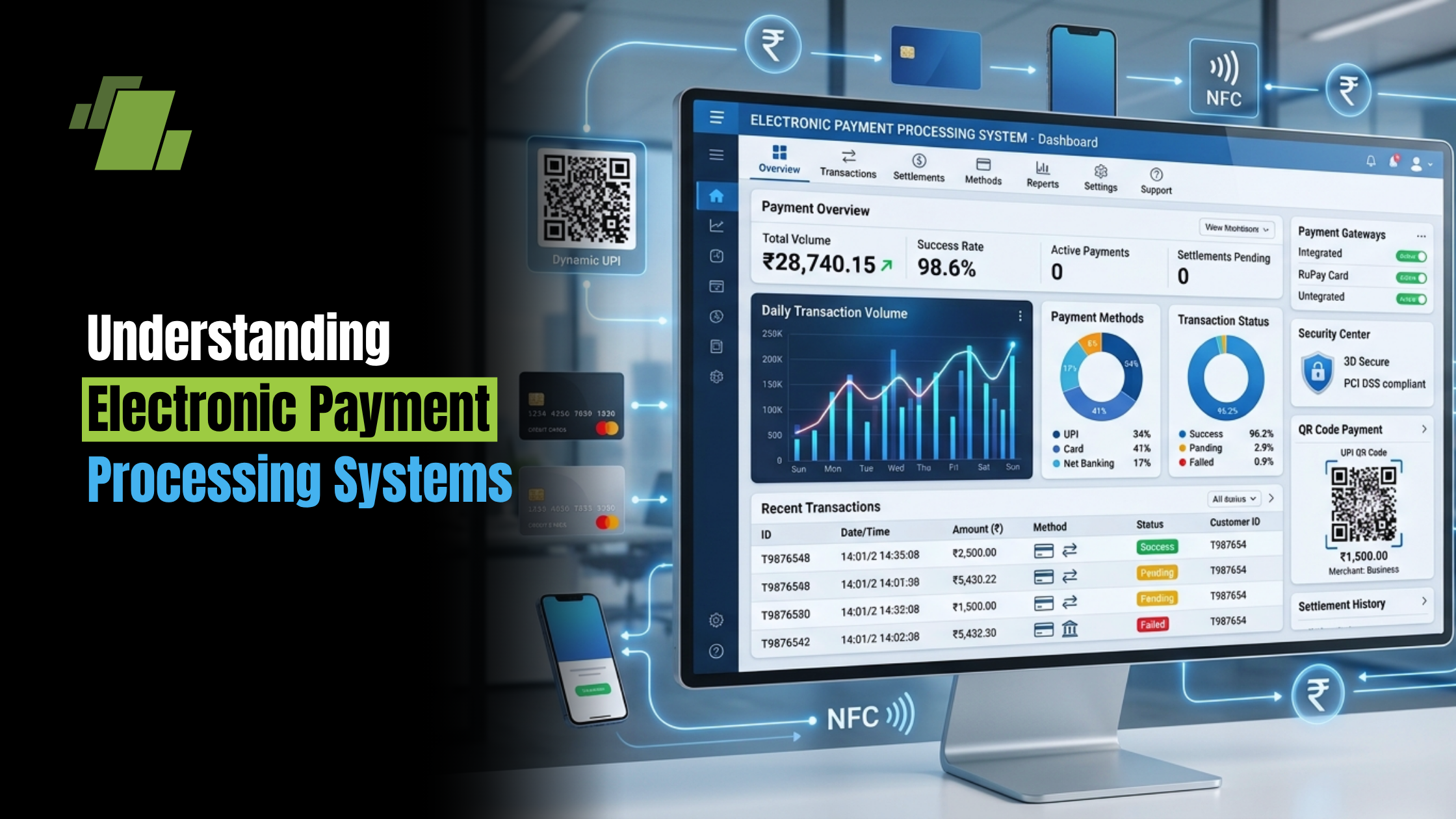
Electronic payment processing is transforming how businesses and customers handle transactions. Integrated with billing software, it offers speed, accuracy, and convenience while eliminating the need for cash. Businesses and consumers alike benefit from these digital payment solutions and online payment systems. These secure and efficient payment mechanisms improve transaction processing, support seamless eCommerce operations, and enhance the overall billing experience. Understanding electronic payment processing and billing systems is essential for businesses looking to automate payments, improve cash flow, and deliver a faster, more reliable customer experience.
Contact Us
Free Demo Request
This guide will explore the components and benefits of electronic payment processing. We’ll also discuss the differences between various payment methods and highlight practical electronic payment processing services available to merchants.
Stay with us to learn how these systems work and what the future holds for digital payments and contactless payment methods.
What is Electronic Payment Processing?
Electronic payment processing is an integral part of the modern financial landscape. It involves the digital transfer of funds from a buyer to a seller. This process is conducted through various e-payment services.
The appeal of electronic payment systems lies in their ability to handle transactions without physical cash. These systems use secure methods to transmit payment data. This ensures both speed and reliability in processing transactions.
A wide range of digital payment solutions exist today. These include credit/debit card processing, online banking, and mobile payment processing, as well as other online payment systems. They cater to diverse needs and facilitate seamless financial interactions.
The core components of electronic payment processing include the payment gateway, payment processor, and acquiring bank. The gateway encrypts and securely transmits data. The processor, often supported by payment processing software, handles transaction requests, while the acquiring bank facilitates funds transfer.
- Secure transactions
- Multi-platform accessibility
- Real-time processing
These systems are fundamental in the e-commerce world, supporting millions of transactions daily and powering the global economy.
Key Components of Electronic Payment Processing Systems
Electronic payment processing systems rely on several key components to function effectively. Each element plays a crucial role in ensuring transactions are smooth and secure. Understanding these components can help businesses optimize their payment operations.
The first component is the payment gateway, which acts as a bridge between the merchant and financial networks. It encrypts transaction data, ensuring it is transmitted securely. Secure payment gateways are essential in preventing fraud and data breaches.
Another vital component is the payment processor. This payment processing software and network service handles the actual exchange of transaction data between the merchant, acquiring bank, and payment network. It oversees the authentication and approval of payments, facilitating instant payment processing.
Lastly, the acquiring bank processes the transaction and places the funds in the merchant’s account. It works closely with issuing banks to verify cardholder details and approve payments.
Key components include:
- Payment gateway
- Payment processor
- Acquiring bank
Collectively, these elements create a robust infrastructure for electronic payment processing, supporting seamless financial transactions worldwide. Their functionality and security measures are vital to maintaining consumer trust and satisfaction.
Types of Electronic Payment Methods
Various electronic payment methods are available today, each catering to different consumer preferences and technological advancements. These online payment systems enhance convenience and efficiency in financial transactions.
Credit and debit card processing remains one of the most popular digital payment solutions. Consumers prefer these cards for online and in-store purchases due to their widespread acceptance and reliability.
Mobile payment processing is another rapidly growing trend. Smartphones facilitate transactions through apps like Apple Pay and Google Wallet, offering contactless payment methods for ease and convenience.
Online banking is yet another method gaining traction. Many banks offer digital platforms enabling users to transfer funds between accounts or pay bills electronically.
Electronic check payment processing digitizes traditional checks, providing a seamless way to transfer funds without paper. This method offers a bridge between conventional and digital systems.
Contactless payments, using technologies such as NFC and RFID, allow for quick purchases without physical contact. Their popularity has increased due to speed and hygiene.
Popular electronic payment methods include:
- Credit/Debit card processing
- Mobile payments
- Online banking
- Electronic checks
- Contactless payments
These diverse electronic payment processing solutions provide versatility, catering to different merchant and consumer needs, thus driving the global shift towards cashless transactions.
How Electronic Payment Processing Works: Step-by-Step
Electronic payment processing is a complex yet seamless process. It allows transactions to occur swiftly between buyers and sellers, often delivering near-instant payment processing.
First, the customer initiates a purchase by entering payment details. This information includes credit card numbers or digital wallet credentials.
Next, the payment gateway encrypts this data to ensure security. It then sends the information to the payment processor for further action.
The payment processor contacts the issuing bank to verify the transaction. It checks for sufficient funds and validates the account’s status.
After approval, the funds transfer from the customer’s account to the merchant’s account. This step completes the transaction.
Here’s a step-by-step process of electronic payment processing:
- Customer initiates the payment
- Payment details encrypted by gateway
- Data sent to payment processor
- Verification by issuing bank
- Funds transferred to merchant
This efficient system ensures a smooth transaction experience for both merchants and customers, enhancing security and reliability.
Secure Payment Gateways and Fraud Prevention
Secure payment gateways play a crucial role in electronic payment processing. They act as the bridge between the merchant’s website and the payment processor. This ensures that sensitive information remains protected throughout the transaction.
One of the primary tasks of a secure payment gateway is data encryption. By encrypting transaction details, such as card numbers and personal information, it prevents unauthorized access. This step is vital for maintaining customer trust and security.
Fraud prevention is another key function of secure payment gateways. These systems use various methods to detect and block fraudulent activities. Features like real-time transaction monitoring and user authentication are essential tools.
Here are some common fraud prevention features included in secure payment gateways:
- Data encryption
- Transaction monitoring
- User authentication
- Verification processes
By integrating these technologies, businesses can minimize risks. This not only protects them from financial losses but also enhances customer confidence in digital payment solutions.
Difference Between SET and Secured Electronic Payment Processing
Understanding the difference between SET and secured electronic payment processing is essential for businesses. SET, or Secure Electronic Transaction, was a protocol developed specifically for secure card transactions over the internet. It uses digital certificates for customer and merchant verification.
Unlike SET, general secured electronic payment processing encompasses a broader range of security technologies. These include encryption, tokenization, and multi-factor authentication, tailored to protect various payment methods. Both aim to protect transaction data but differ in their implementation and scope.
Many teams research the difference between set and secure electronic payment processing sometimes phrased as the difference between set and secured electronic payment processing to clarify which approach best aligns with current standards.
Here are some key distinctions:
- SET: Uses digital certificates
- Secured Processing: Broader tech use
- Scope: SET is card-specific
- Techniques: Various modern security features
Understanding these differences helps businesses choose the right solution for their needs.
Benefits of Electronic Payment Processing for Businesses
Electronic payment processing offers numerous advantages for businesses across all sectors. It simplifies transactions, eliminating the need for physical cash handling and reducing errors. This efficiency can lead to faster service and satisfied customers.
Another key benefit is the ability to offer diverse payment options. Customers appreciate the flexibility to pay by credit card, mobile app, or online banking, which can boost sales and loyalty. This adaptability makes it easier for businesses to cater to different consumer preferences.
Here are several benefits businesses can experience:
- Simplified transaction processes
- Increased customer satisfaction
- Wider payment option availability
- Enhanced sales opportunities
Moreover, electronic payment processing often provides robust security features. These include fraud detection and encryption, helping safeguard customer data. This security builds trust, further encouraging customer interaction and repeat business.
Challenges and Considerations in Electronic Payment Processing
Implementing electronic payment processing comes with its own set of challenges. One major concern is security. Businesses must ensure that their systems are robust enough to prevent data breaches. Ensuring compliance with standards like PCI DSS is also crucial to protect customer information.
Another consideration is the cost associated with payment processing. Fees from service providers can impact a business’s bottom line. It is vital for businesses to carefully analyze these costs when choosing a provider.
Additionally, technical integration can pose hurdles. Payment systems need to seamlessly link with existing platforms without causing disruptions. Here are some considerations:
- Security and compliance
- Cost of fees
- Technical integration complexities
Choosing the Right Electronic Payment Processing Solution
Selecting the ideal payment processing solution requires careful evaluation. Businesses must consider their specific needs and goals. Factors such as transaction volume, payment methods accepted, and customer base are crucial.
Evaluate the features offered by different providers. Some solutions offer multi-currency support, while others focus on mobile payment integration. Assess whether the provider’s payment processing software, secure payment gateways, and related electronic payment processing services align with your requirements.
Additionally, look for providers offering strong customer support. Prompt assistance can be invaluable when technical issues arise. Here’s a checklist for choosing a solution:
- Transaction volume and fees
- Payment method variety
- Customer support quality
When comparing options, prioritize electronic payment processing solutions that deliver reliability, scalability, and clear pricing.
Future Trends in Electronic Payment Processing
The landscape of electronic payment processing is ever-evolving. Several key trends are shaping its future. These trends promise to enhance security, convenience, and user experiences. With technology advancing rapidly, businesses must stay informed to leverage these innovations effectively.
Emerging trends include artificial intelligence, which enhances fraud detection capabilities. Additionally, the integration of blockchain technology aims to improve transaction security. Here are some future trends to watch:
- AI-driven fraud prevention
- Blockchain for secure transactions
- Increased use of biometric authentication
Conclusion
Understanding electronic payment processing systems is vital in today’s digital era. These systems offer convenience, speed, and enhanced security. As technology evolves, businesses must stay informed to remain competitive.
Selecting the right solutions can significantly boost customer satisfaction and business growth. With advancements like AI and blockchain, the future holds promising changes. Embracing these innovations will ensure secure and efficient transactions. Keeping pace with these trends is not just beneficial, but essential for modern businesses to thrive in an increasingly cashless world.
Call at +91-73411-41176/75 or send us an email at sales@logicerp.com to book a free demo today!
Frequently Asked Questions
1. What is electronic payment processing?
Electronic payment processing is the digital transfer of funds between a customer and a business using methods such as credit/debit cards, mobile wallets, online banking, and contactless payments. It enables secure, fast, and cashless transactions.
2. How does electronic payment processing work?
Electronic payment processing works by securely encrypting payment details through a payment gateway, sending them to a payment processor for verification, obtaining approval from the issuing bank, and transferring funds to the merchant’s account.
3. What are the main components of an electronic payment processing system?
The key components include a payment gateway, payment processor, and acquiring bank. Together, they ensure secure transaction authorization, payment verification, and fund settlement.
4. What are the benefits of electronic payment processing for businesses?
Electronic payment processing helps businesses improve transaction speed, offer multiple payment options, enhance customer satisfaction, reduce cash handling, and strengthen payment security through fraud detection and encryption.
5. How can businesses choose the right electronic payment processing solution?
Businesses should evaluate transaction fees, supported payment methods, security features, scalability, integration capabilities, and customer support before selecting an electronic payment processing solution that meets their operational needs.

Author
Gurbir Singh
Co-founder & Managing Director | LOGIC ERP Solutions Pvt. Ltd.
With 30+ years of experience in the tech industry, I took the helm of technology & product development, ensuring LOGIC ERP’s continuous innovation & leadership in the evolving tech landscape.