When Should a Multichannel Retail Organization Install an ERP?

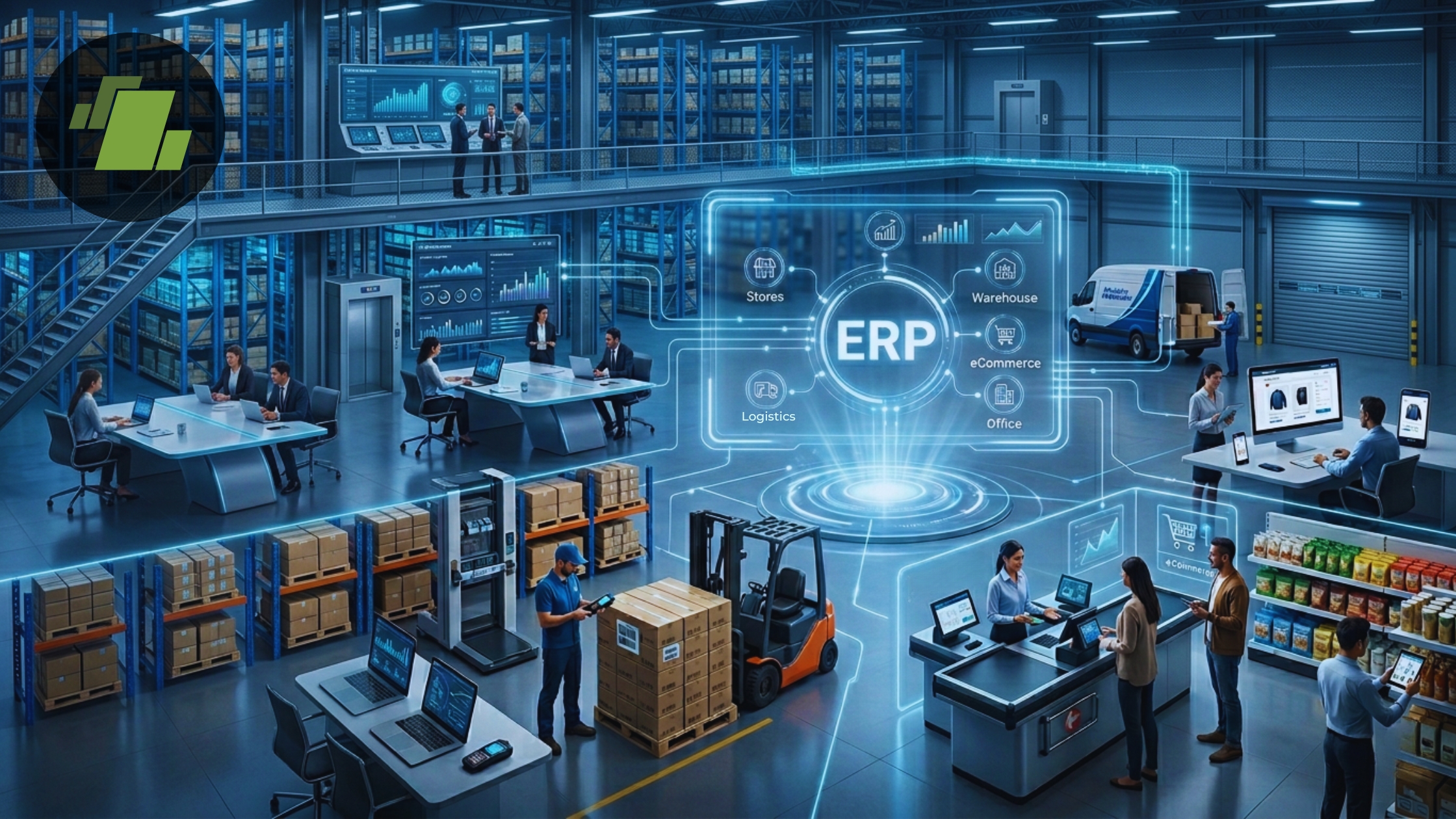
Modern customers interact with retailers through multiple channels, including physical stores, eCommerce websites, mobile apps, and online marketplaces. Managing these channels separately often leads to inventory mismatches, operational inefficiencies, and inconsistent customer experiences. An omnichannel retail ERP system helps businesses centralize operations, automate workflows, synchronize inventory in real time, and deliver a seamless shopping experience across all touchpoints. In this blog, we explore the key signs that indicate your business needs an omnichannel ERP solution and how LOGIC ERP helps retailers streamline operations, improve customer satisfaction, and drive sustainable growth.
Contact Us
Free Demo Request
Introduction
Retail has evolved significantly over the past decade. Customers today expect a consistent shopping experience regardless of whether they are purchasing online, through a marketplace, on a mobile device, or in a physical store. To meet these expectations, retailers need a technology platform capable of connecting all sales channels and business operations into a single ecosystem.
✨ Summarize this article with AI


An omnichannel retail ERP system is designed to integrate and streamline inventory management, sales, customer data, warehousing, accounting, and order processing across multiple channels. It serves as a centralized platform that enables businesses to operate efficiently while providing customers with a unified shopping experience. For retailers aiming to expand and compete in today’s dynamic market, investing in an omnichannel ERP system is becoming a necessity rather than an option.
Let’s explore the situations where implementing an omnichannel retail ERP solution can significantly benefit your business.
1. When You Want to Sell Across Multiple Online Marketplaces and Stores
Expanding sales channels is one of the most effective ways to increase revenue and reach a wider customer base. Many retailers now sell through their own websites, mobile applications, physical stores, and popular marketplaces.
However, managing these channels independently can create operational challenges. Inventory levels may become inconsistent, orders may be delayed, and customer experiences may suffer.
An omnichannel ERP system solves these challenges by:
- Centralizing sales from all channels
- Synchronizing inventory automatically
- Managing orders from a single dashboard
- Preventing stock shortages and overselling
- Improving order fulfillment efficiency
With LOGIC ERP, businesses can monitor inventory levels in real time across all channels, ensuring accurate stock availability and uninterrupted sales operations even during peak seasons, flash sales, and promotional campaigns.
2. When You Need Hyperlocal and Multi-Location Retail Management
Today’s retailers often operate through multiple warehouses, stores, distribution centers, and local delivery hubs. Managing inventory and orders across these locations manually can become increasingly difficult as the business grows.
An omnichannel ERP system enables retailers to:
- Manage inventory across multiple locations
- Monitor stock movement between warehouses
- Support hyperlocal delivery models
- Route orders to the nearest fulfillment center
- Optimize warehouse utilization
By integrating all locations into a single platform, LOGIC ERP helps businesses maintain complete visibility and control over their inventory while ensuring faster deliveries and better customer service.
3. When Real-Time Inventory Management Becomes Essential
Inventory accuracy is critical in omnichannel retail. Customers expect product availability information to be accurate regardless of where they shop.
Without real-time synchronization, retailers may face:
- Overselling
- Stock discrepancies
- Order cancellations
- Customer dissatisfaction
- Revenue loss
An omnichannel ERP system provides real-time inventory updates across all sales channels, warehouses, and stores. Every sale, return, purchase, or transfer is reflected instantly throughout the system.
LOGIC ERP enables businesses to maintain accurate stock records, improve inventory planning, and ensure that customers always receive reliable product availability information.
4. When Your CRM Tool Is No Longer Enough
Customer Relationship Management (CRM) systems help businesses track customer interactions, but they often operate separately from inventory, billing, and fulfillment processes.
To deliver a truly personalized and seamless customer experience, retailers need a complete view of customer activities across every touchpoint.
An omnichannel ERP system helps businesses:
- Create unified customer profiles
- Track purchase history across channels
- Personalize marketing campaigns
- Improve customer service quality
- Strengthen customer loyalty
Every customer interaction from purchases and returns to support tickets and online inquiries is automatically updated within the ERP system.
For example, if a customer updates their address or contact information, LOGIC ERP instantly reflects those changes throughout the system, ensuring accurate records and better service.
5. When Your Point-of-Sale (POS) System Is Disconnected
Physical stores remain an important part of the retail ecosystem. However, if the POS system operates separately from inventory and online sales channels, businesses often face data inconsistencies and delayed reporting.
A modern omnichannel ERP integrates POS operations with:
- Inventory management
- Customer loyalty programs
- Accounting and finance
- Online and offline sales data
- Reporting and analytics
LOGIC ERP’s integrated POS solution ensures that every in-store transaction updates inventory and sales records instantly, enabling businesses to maintain accurate data and deliver a consistent customer experience.
6. When Your Business Needs Retail Automation
As retail operations become more complex, manual processes consume valuable time and increase the likelihood of errors.
Automation is one of the biggest advantages of implementing an omnichannel ERP system.
Retailers can automate:
- Inventory updates
- Purchase order generation
- Order processing
- Shipping notifications
- Stock replenishment
- Warehouse allocation
- Sales reporting
- Customer communication
Automation reduces administrative workload and allows teams to focus on strategic activities such as business expansion, customer engagement, product innovation, and market growth.
LOGIC ERP helps businesses streamline operations through intelligent automation, resulting in higher productivity and operational efficiency.
Benefits of Implementing an Omnichannel Retail ERP System
Centralized Business Management
Manage sales, inventory, customers, accounting, and reporting from one integrated platform.
Improved Customer Experience
Provide consistent and personalized experiences across every channel.
Real-Time Visibility
Access accurate business data for faster and more informed decision-making.
Better Inventory Control
Reduce stock-outs, overstocking, and inventory inaccuracies.
Enhanced Operational Efficiency
Automate repetitive tasks and improve productivity.
Scalable Business Growth
Expand into new channels, locations, and markets with confidence.
Why Choose LOGIC ERP for Omnichannel Retail Management?
LOGIC ERP is a comprehensive retail management solution designed to support retailers, supermarkets, pharmacies, fashion brands, distributors, and multi-store businesses. It helps businesses unify operations across online and offline sales channels, streamline workflows, improve inventory visibility, automate critical business processes, and deliver a consistent customer experience.
By centralizing business operations on a single platform, LOGIC ERP enables retailers to improve operational efficiency, make data-driven decisions, enhance customer satisfaction, and achieve sustainable business growth in an increasingly competitive retail environment.
Conclusion
In today’s competitive retail environment, customers expect a seamless shopping experience across every channel. Managing multiple stores, marketplaces, warehouses, and customer interactions without an integrated system can lead to inefficiencies and missed opportunities.
An omnichannel retail ERP system provides the technology foundation needed to centralize operations, automate processes, maintain real-time visibility, and deliver exceptional customer experiences.
LOGIC ERP helps retailers successfully navigate the complexities of omnichannel retailing by bringing inventory, sales, customers, finance, and operations together into a single, powerful platform. Whether you’re expanding into new marketplaces, managing multiple stores, or looking to improve customer experiences, LOGIC ERP can help your business stay agile, efficient, and ready for growth.
Call at +91-73411-41176/75 or send us an email at sales@logicerp.com to book a free demo today!
Frequently Asked Questions (FAQs)
1. What is an omnichannel retail ERP system?
An omnichannel retail ERP system is a centralized software solution that integrates inventory, sales, warehousing, customer management, accounting, and order processing across multiple sales channels, helping businesses deliver a seamless customer experience.
2. Why do retailers need an omnichannel ERP solution?
Retailers need an omnichannel ERP solution to manage multiple sales channels efficiently, maintain real-time inventory visibility, automate processes, improve customer experiences, and streamline business operations.
3. How does omnichannel ERP improve inventory management?
An omnichannel ERP synchronizes inventory across stores, warehouses, websites, and marketplaces in real time, reducing stock discrepancies, preventing overselling, and improving inventory accuracy.
4. Can an omnichannel ERP integrate with eCommerce platforms and marketplaces?
Yes. Modern omnichannel ERP systems like LOGIC ERP integrate with eCommerce websites, mobile apps, marketplaces, POS systems, and other business applications to provide unified operations.
5. How does LOGIC ERP support omnichannel retail businesses?
LOGIC ERP offers integrated inventory management, POS, accounting, CRM, warehouse management, eCommerce integration, marketplace connectivity, reporting, and automation tools that help retailers manage all operations from a single platform.