Understanding GST on Online Transaction: Key Implications

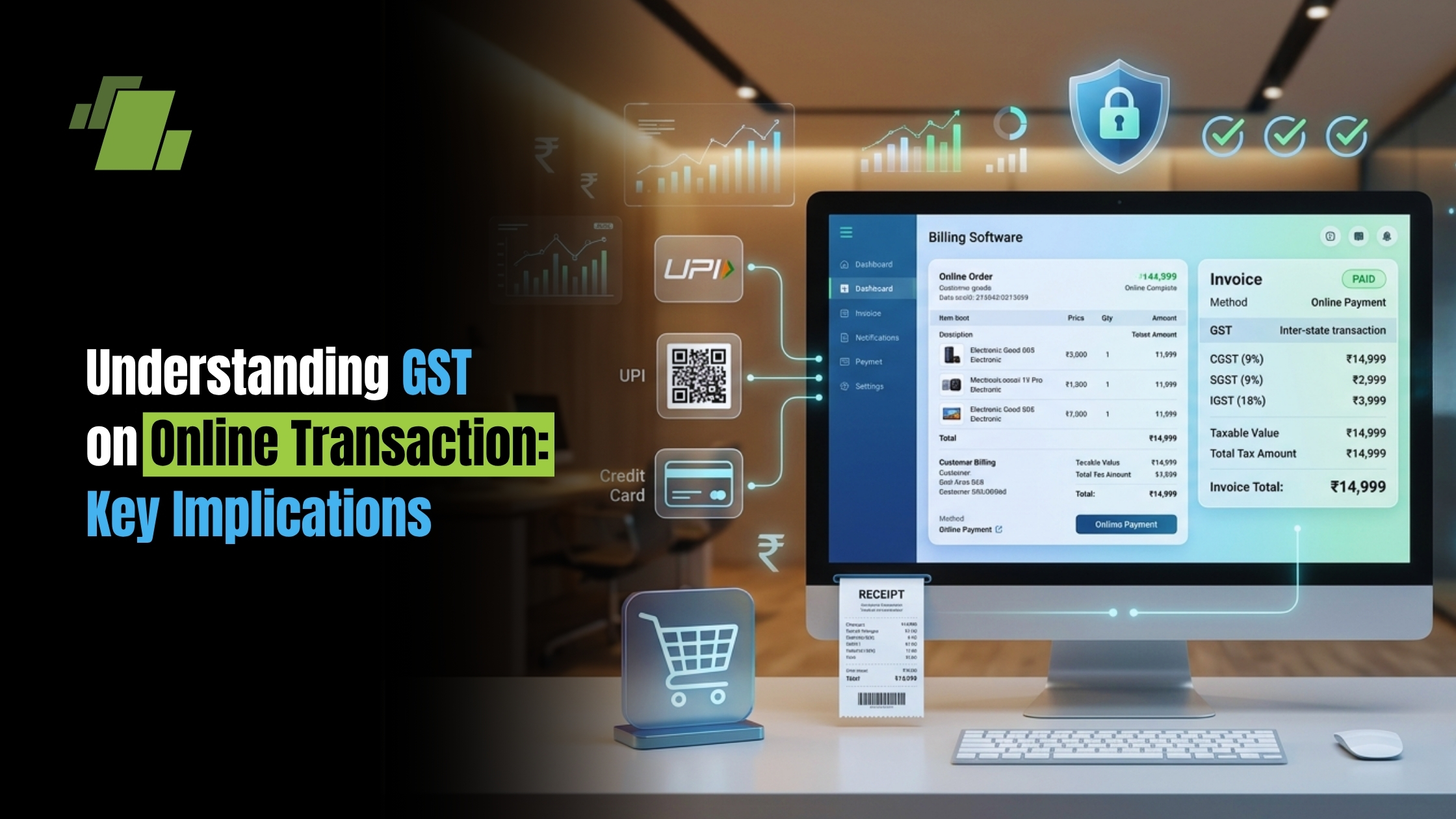
Navigating the world of online transactions can be complex, especially with the introduction of GST. The Goods and Services Tax (GST) impacts how businesses and consumers handle online payments, including gst online payments. Understanding these implications particularly gst on online transaction rules and processes is crucial for anyone involved in digital commerce.
GST on online transactions ensures a uniform tax structure across India. This affects pricing, compliance, and financial planning for businesses. Online marketplaces and digital service providers must adapt to these changes.
Contact Us
Free Demo Request
Consumers, too, feel the impact of GST on their online purchases. They may notice additional charges on their payment receipts, such as online payment gst charges clearly itemized by merchants or platforms. Staying informed about GST rates and regulations is essential.
This guide will help you understand GST’s role in online transactions. It covers everything from tax rates to compliance and payment processes.
What is GST and How Does it Apply to Online Transactions?
GST, or Goods and Services Tax, is a multi-stage indirect tax introduced in India. It replaced many indirect taxes, creating a unified tax system. GST applies to most goods and services consumed within India.
In the realm of online transactions, GST plays a significant role. It impacts both consumers and businesses involved in digital commerce. Online transaction tax ensures fairness and transparency in the digital economy.
Businesses that engage in online sales need to be GST compliant. They must collect GST on transactions and remit it to the government. This involves adhering to specific tax rates applicable to different online services.
Commonly, online services such as streaming platforms and software subscriptions are subject to GST. The standard tax rate for these services often stands at 18%. However, some services may have different rates depending on their classification.
GST applies to:
- E-commerce sales
- Digital services
- Online marketplaces
Understanding how GST applies to online transactions is essential. It helps in managing business operations smoothly and avoiding legal repercussions.
GST Rates and Charges on Online Payments
GST rates for online payments can vary based on the service or product being offered. The most common GST rate for digital services is 18%, but some categories might differ. Businesses must be aware of these charges for precise invoicing.
GST on online payment involves an intricate understanding of its implications on pricing structures. E-commerce platforms need to incorporate this tax into their pricing strategies. This ensures that they remain competitive yet compliant.
In some cases, specific services may attract lower or higher GST rates. For instance, essential services might be taxed at a reduced rate to make them more affordable. Businesses should frequently review these rates to align with current GST regulations.
Consumers will often notice GST charges on their payment receipts. This transparency helps in understanding the tax component of their purchase. It’s an important step toward informed spending in the digital economy.
Typical GST rates for online transactions:
- Standard rate: 18%
- Reduced rates: Applicable for specific categories
- Higher rates: For luxury digital services
Accurate knowledge of GST rates and charges is indispensable. It aids businesses in making strategic decisions and simplifies customer interactions. Thus, understanding these rates is key to thriving in the online marketplace.
GST Compliance for Online Businesses and E-commerce Platforms
GST compliance is crucial for online businesses and e-commerce platforms. These entities must adhere to GST norms to avoid penalties. Compliance fosters trust and transparency between businesses and consumers.
Registering for GST is the first step for any business reaching the turnover threshold. This registration is mandatory and can be done online through the GST portal. It ensures that the business is legally allowed to collect and remit GST.
Online marketplaces are responsible for collecting GST from their sellers. They need to remit this tax to the government in a timely manner. This system ensures a steady flow of tax revenue and reduces tax evasion.
To maintain GST compliance, businesses should focus on specific key actions:
- Register for GST via the GST portal.
- Collect GST from customers as per applicable rates.
- Remit collected GST to the government.
- Issue GST-compliant invoices.
- File GST returns accurately and on time.
Maintaining compliance is an ongoing process, requiring active monitoring. By integrating compliance into everyday operations, online businesses can flourish. They can also enhance their reputation among customers and authorities alike.
GST on Digital Services and Cross-Border Transactions
GST applies to a wide range of digital services. This includes streaming platforms, software subscriptions, and e-books. Consumers will often see GST charges on their payment receipts.
Cross-border transactions also come under the GST purview, especially when services are consumed in India. International businesses providing services to Indian consumers must understand GST regulations. This ensures they meet compliance requirements.
Cross-border transactions present unique challenges for GST implementation. Businesses must be aware of:
- GST registration for foreign companies providing digital services in India.
- The reverse charge mechanism applicable to certain transactions.
- Changes in GST regulations affecting international operations.
GST compliance in the digital space supports fair competition. By following these guidelines, businesses can better navigate the complexities. They maintain smooth operations and satisfy regulatory demands globally. Understanding these nuances helps businesses plan effectively for their cross-border dealings.
How to Pay GST on Online Transactions: Step-by-Step Guide
Paying GST on online transactions can seem intricate, but a structured approach simplifies the process. Businesses must follow certain steps for compliance. These steps ensure timely and accurate GST payments.
First, register your business on the GST portal. This is essential if your annual turnover exceeds the threshold. The portal facilitates the management of GST-related activities and records.
Once registered, businesses should regularly file GST returns. This involves reporting sales, purchases, and the GST collected. Maintaining accurate digital records of every transaction is crucial for this. When liabilities arise, use the GST portal for gst bill payment and, if applicable, pay gst challan online through the system.
Here is a simplified list of steps to pay GST for online transactions:
- Register on the GST portal.
- Maintain accurate records of all transactions.
- File regular GST returns through the portal.
- Pay GST challan as per calculated liabilities.
- Reconcile returns with transaction records.
The importance of reconciliation cannot be overstated. It helps businesses verify that their GST returns reflect true transaction activities. This guide provides a seamless understanding to aid compliance and avoid penalties.
Input Tax Credit and GST Reconciliation for Online Payments
Understanding the Input Tax Credit (ITC) mechanism is crucial for businesses handling online transactions. ITC allows businesses to reduce their tax liability by claiming credit for GST paid on purchases. This can significantly cut down costs, enhancing cash flow.
Reconciliation plays a vital role in maintaining GST compliance. Businesses need to match their transaction records with their GST returns. Discrepancies, if any, should be addressed promptly to prevent audits or penalties. Accurate reconciliation ensures businesses make the most of their ITC claims.
Here are key steps for managing ITC and reconciliation:
- Identify eligible ITC on purchases.
- Maintain detailed records of all invoices and payments.
- Regularly reconcile GST returns with financial records.
- Resolve mismatches through adjustments or corrections.
- Stay updated with GST rules for possible changes.
By meticulously managing ITC claims and reconciling GST transactions, businesses can maintain efficient operations and reduce financial liabilities.
Impact of GST on Online Transaction Costs and Pricing
GST has a notable impact on the pricing of goods and services in the digital marketplace. Businesses must factor GST charges into their pricing strategies. This is essential to remain competitive and profitable.
For online sellers, GST can increase operational costs. These costs may be transferred to consumers through higher prices. Yet, careful planning and efficient use of the Input Tax Credit can help mitigate these effects.
The influence of GST on pricing strategies includes:
- Increased costs for e-commerce businesses.
- Potential need for price adjustments.
- Opportunity to claim input tax credits.
- Necessity to review pricing models.
- Possibility of changing consumer behavior due to price shifts.
Adapting to GST-related pricing changes is crucial. It enables businesses to stay aligned with market expectations and consumer demands, ensuring sustainable growth in the ever-evolving digital economy.
Common Challenges and Solutions in GST Compliance for Online Transactions
Navigating GST compliance is challenging for many online businesses. Keeping up with frequent changes in GST laws can be daunting. Many businesses struggle to maintain accurate records and timely filings.
However, solutions exist to address these challenges. Automation tools can simplify GST compliance by streamlining record-keeping. Timely updates from reliable sources can keep businesses informed of changes.
Businesses can also benefit from professional consultation. Tax advisors can offer tailored advice for GST issues. Implementing efficient processes can alleviate many GST-related compliance hurdles.
Key challenges and solutions include:
- Complex regulations: Seek professional guidance.
- Frequent updates: Stay informed with reliable sources.
- Record-keeping: Use automated tools for accuracy.
- Timely filing: Set up reminders for due dates.
Conclusion: Key Takeaways for GST on Online Transactions
Navigating GST on online transactions is crucial for compliance and financial planning. It’s essential for businesses to understand the implications, rates, and compliance requirements.
Staying informed about changes in GST policies helps mitigate risks. Embracing digital solutions can simplify GST processes and enhance efficiency. Successful navigation of GST ensures smooth operations in the digital economy.

Call at +91-73411-41176/75 or send us an email at sales@logicerp.com to book a free demo today!
Frequently Asked Questions
Many online businesses and consumers have queries about GST. Understanding the basics can ease compliance. Here are some common questions addressed.
1. Is GST mandatory for all online transactions?
Yes, GST applies to most online transactions. Check the specifics related to your activities.
2. What GST rate applies to digital services?
Typically, digital services attract an 18% GST. Always verify current rates for specific services.
3. Are cross-border online services subject to GST?
Services consumed in India may attract GST. International transactions need careful consideration.
For more intricate queries, consulting experts can be beneficial. Professional guidance ensures accurate interpretation and compliance.
4. Do I need to register for GST?
If your turnover exceeds the threshold.
5. How can I pay GST?
Payments can be made through the GST portal.
6. Can GST impact pricing?
Yes, it may affect your pricing strategy.

Author
Gurbir Singh
Co-founder & Managing Director | LOGIC ERP Solutions Pvt. Ltd.
With 30+ years of experience in the tech industry, I took the helm of technology & product development, ensuring LOGIC ERP’s continuous innovation & leadership in the evolving tech landscape.