Inventory Management Software

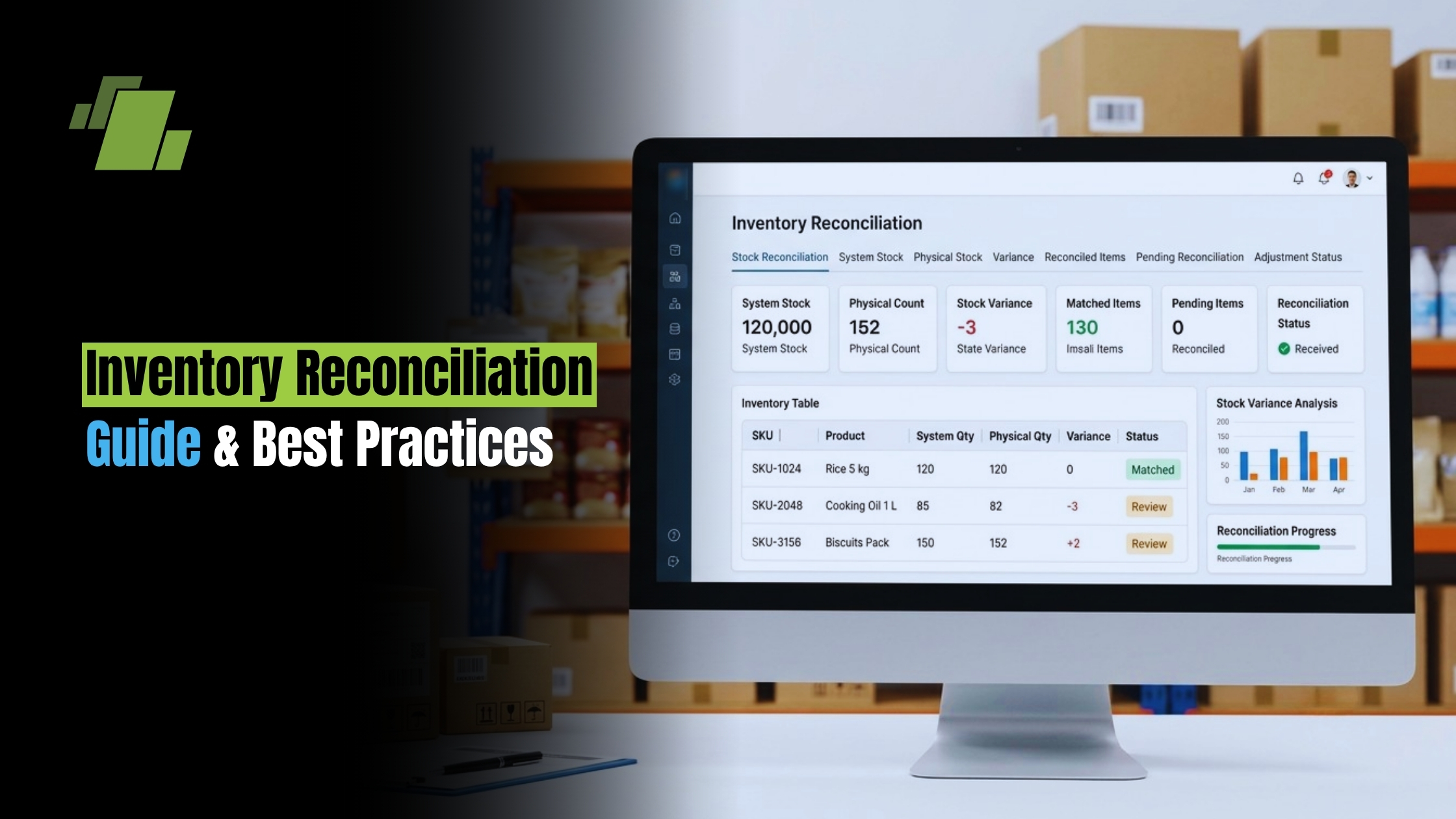
Inventory Reconciliation Guide and Best Practices

Inventory Reconciliation Guide and Best Practices

Inventory reconciliation is the practice of checking whether your recorded stock matches what is physically available in your warehouse, store, production area, or other storage location. When done consistently, it improves inventory accuracy, strengthens inventory control, and gives teams more confidence in purchasing, Order fulfillment, finance, and
Read More
Cycle Count: Optimize Inventory Accuracy & Control

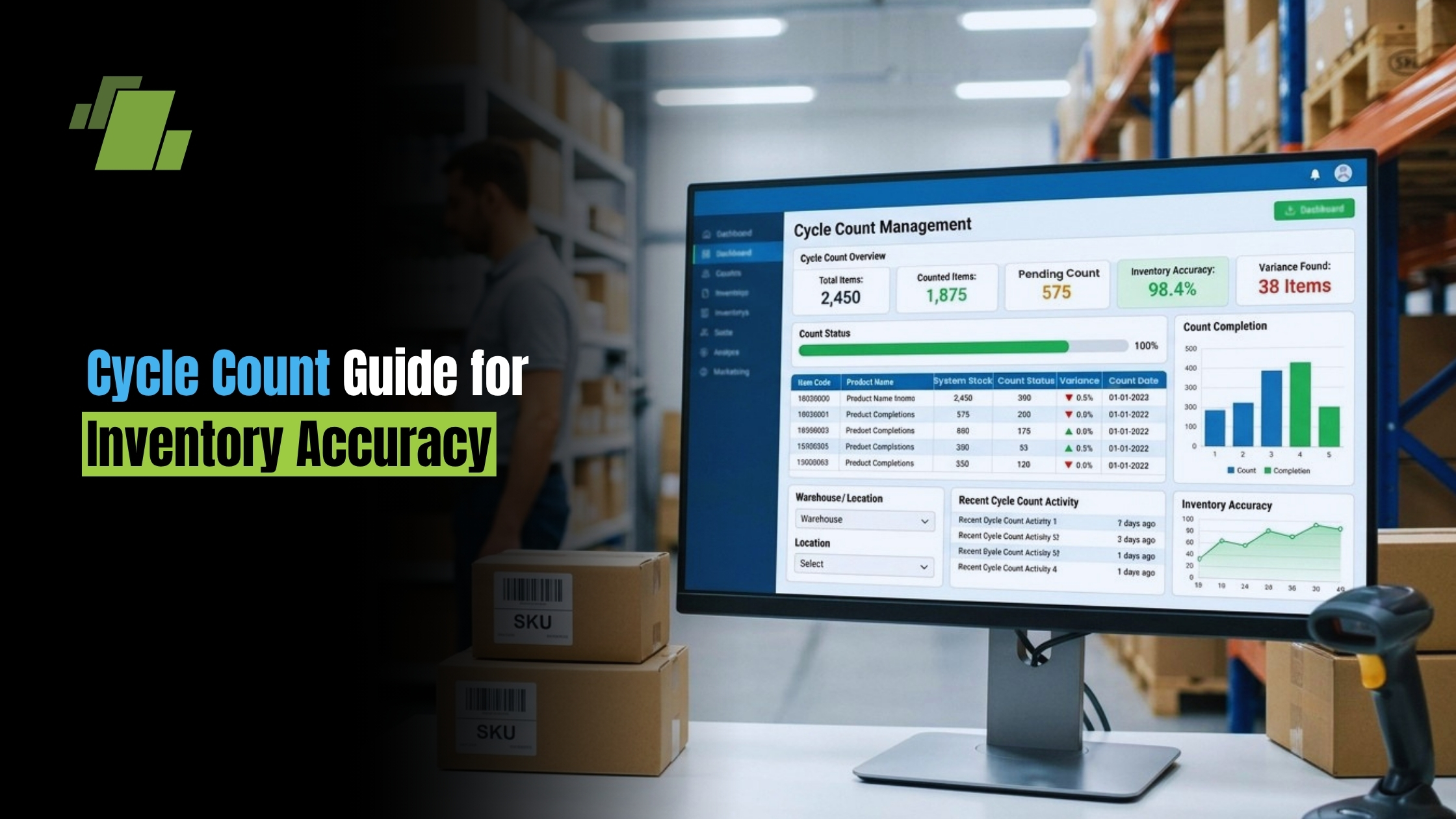
Cycle Count Guide for Inventory Accuracy

A cycle count is a simple way to keep inventory records close to real stock without stopping work for a full warehouse count. Instead of one big annual stock audit, teams check smaller groups of items on a set schedule. They fix issues before they spread into buying, fulfillment, finance, and customer service. For any business that depends on reliable

Read More
Top Cloud-Based Inventory Management Solutions

Top Cloud-Based Inventory Management Solutions

Cloud-based inventory management gives businesses a more flexible way to track stock, manage orders, and coordinate teams without relying on one local computer or server. Instead of waiting for manual updates or end-of-day reports, teams can work from shared inventory data that updates across locations, devices, and sales channels. For small businesses,

Read More
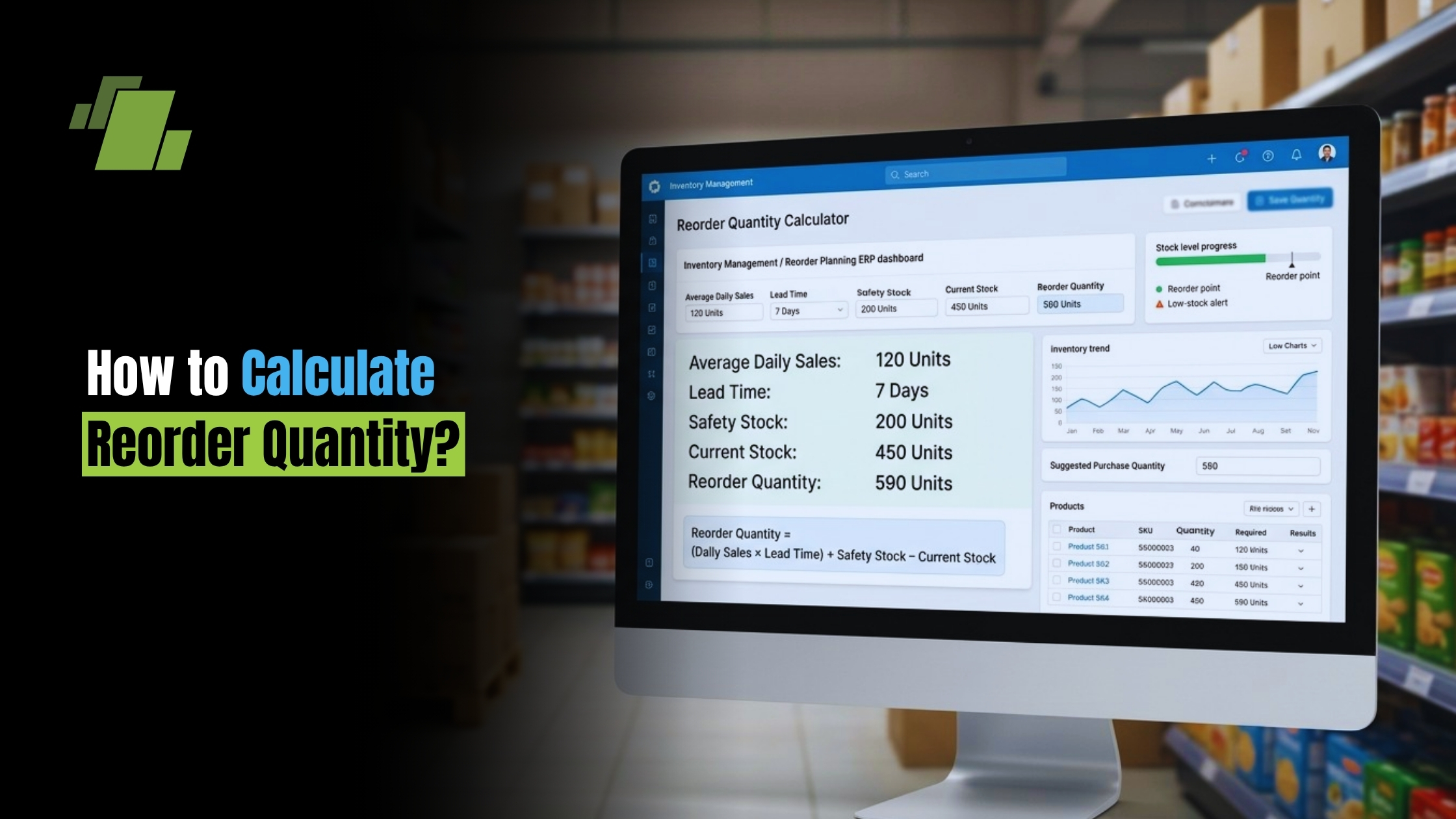
How to Calculate Reorder Quantity

How to Calculate Reorder Quantity

Reorder quantity is the number of units you buy or make when stock runs low. Done well, it keeps products available without tying up too much cash in extra stock. This guide shows how to calculate reorder quantity, how it differs from reorder point and EOQ, and how to adjust your math for lead time, safety stock, seasons, and cost. Contact Us Free Demo

Read More
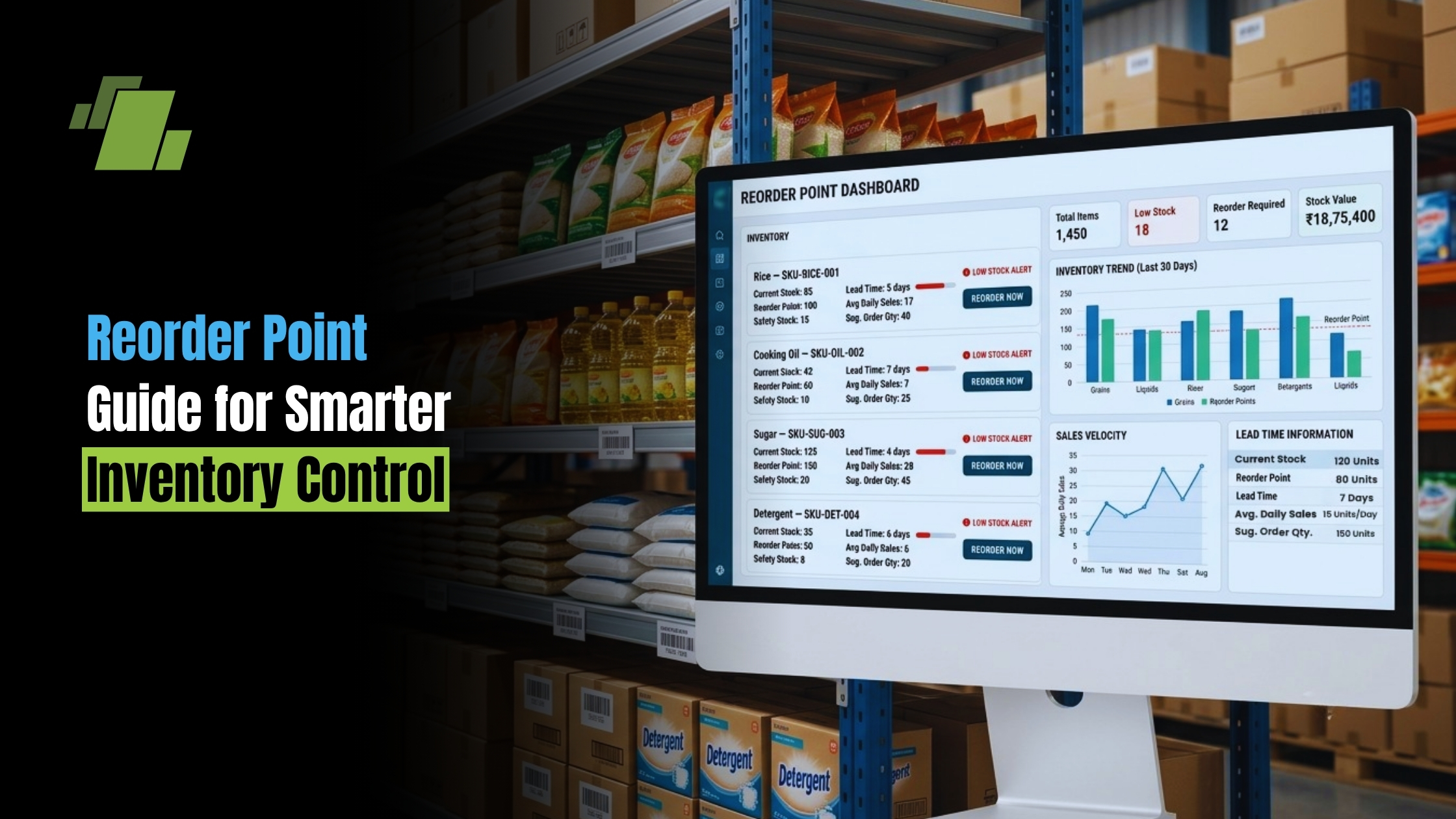
Reorder Point Guide for Smarter Inventory Control

Reorder Point Guide for Smarter Inventory Control

A reorder point is the stock level that tells you when to buy or make more items before you run out. Used well, it supports inventory control, protects sales, reduces rush buys, and keeps cash from sitting in extra stock. For retailers, makers, distributors, and repair teams, reorder points turn stock replenishment into a repeatable supply chain

Read More
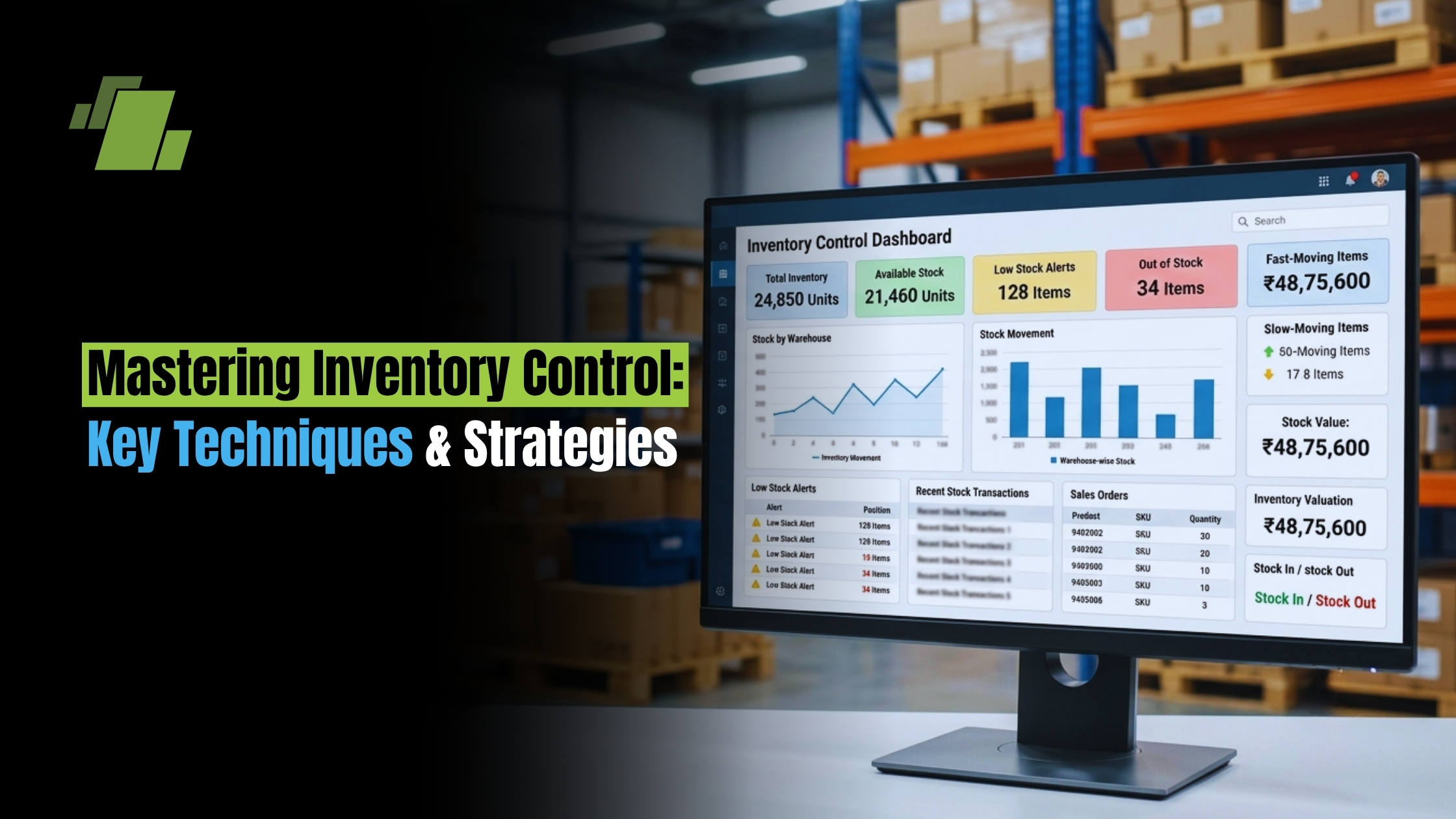
Inventory Control Techniques for Better Stock Management

Inventory Control Techniques for Better Stock Management

Summary Good inventory control is all about knowing what you have, where it is, and when you need to replenish it. When stock is not managed properly, businesses can end up with too much inventory, frequent stockouts, unnecessary waste, or money tied up in products sitting on shelves. Techniques such as ABC analysis, reorder points, safety stock, FIFO,

Read More
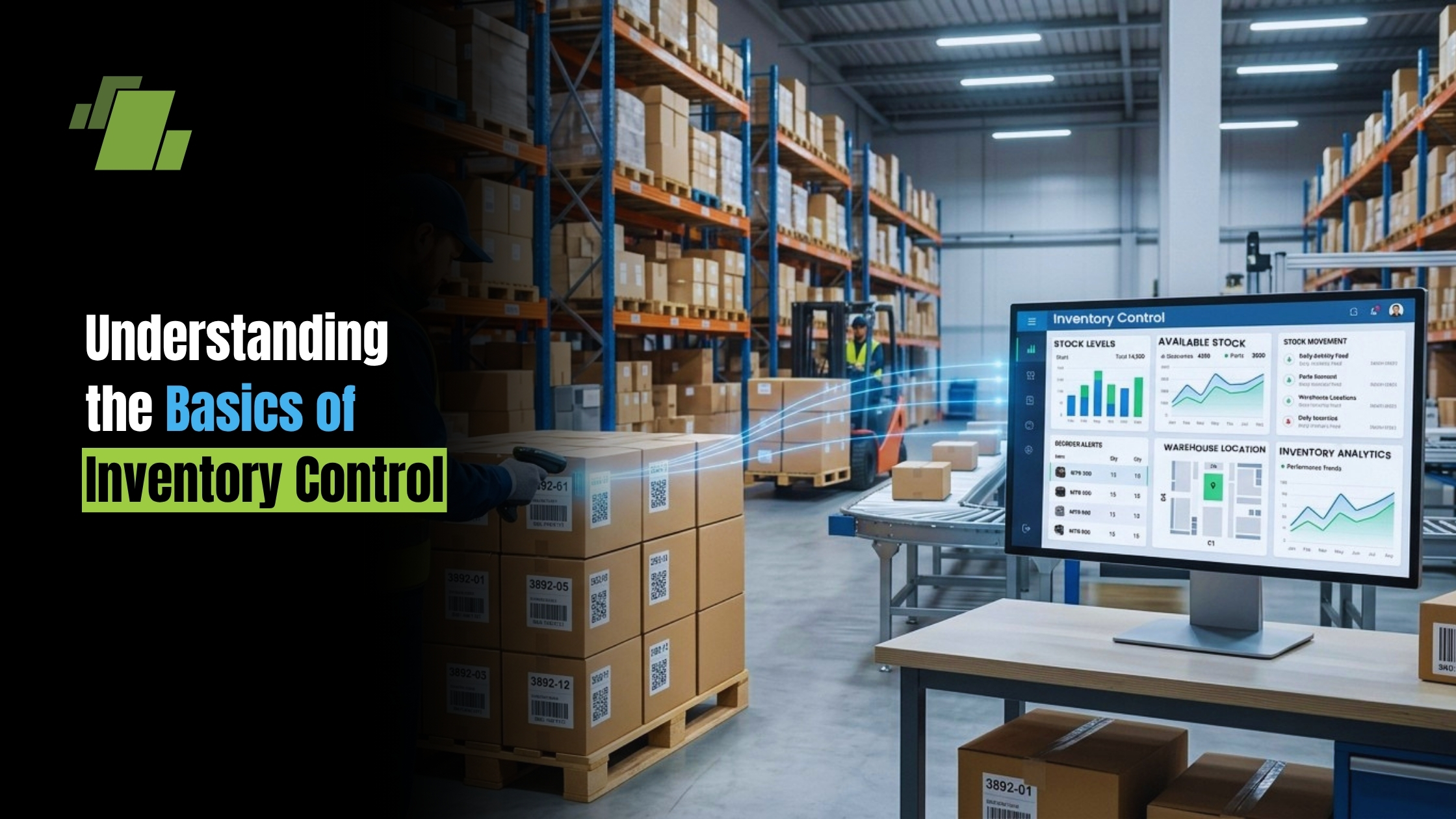
Understanding the Basics of Inventory Control

Understanding the Basics of Inventory Control

Inventory control is vital for any business managing stock. It ensures optimal stock levels and reduces costs. Understanding inventory control basics can improve efficiency and profitability. The first step in the inventory process is crucial. It involves identifying and categorizing inventory items. This step sets the foundation for effective

Read More
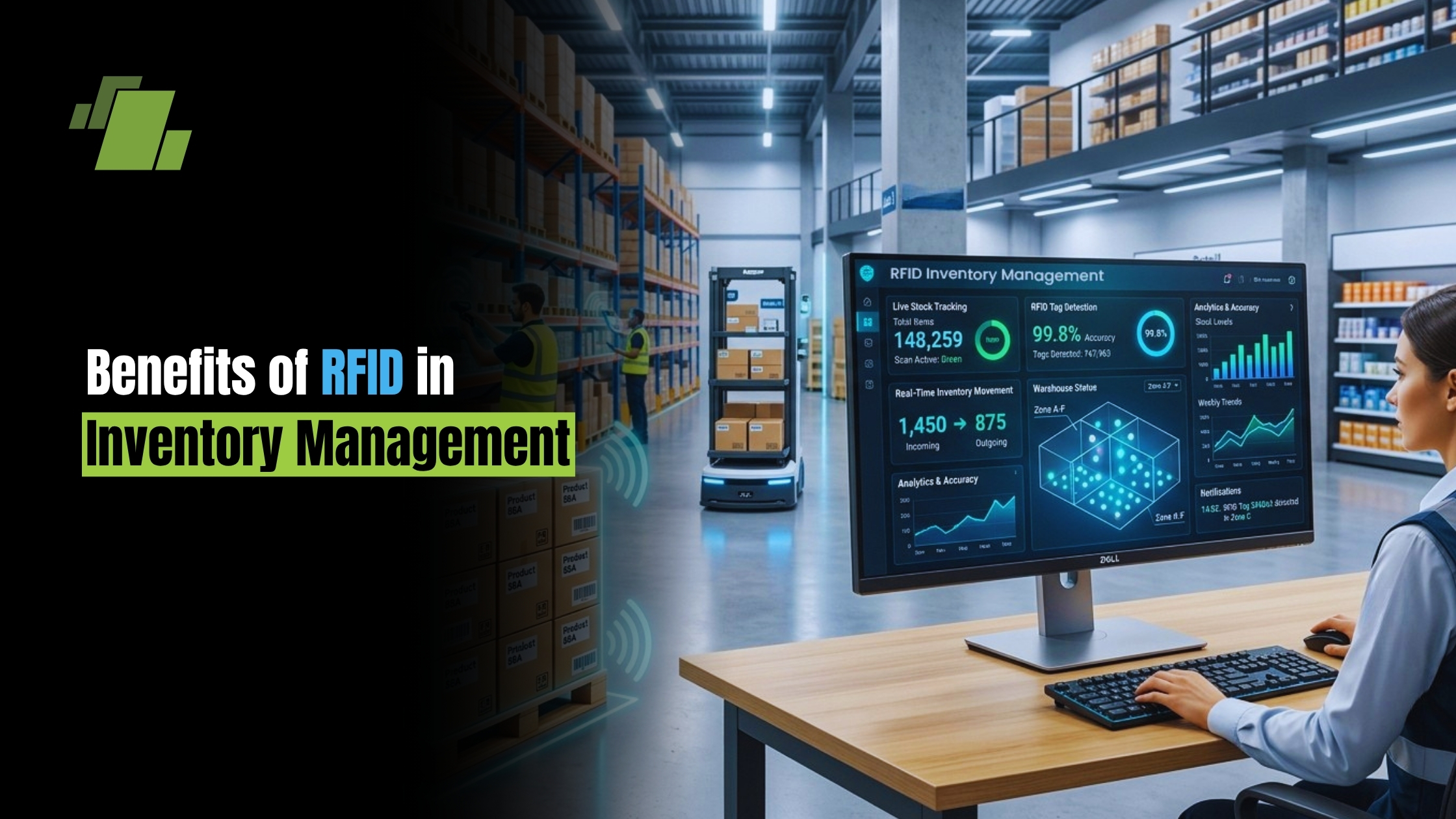
Benefits of RFID in Inventory Management

Benefits of RFID in Inventory Management

RFID technology is transforming inventory management. It offers a modern solution to age-old challenges in tracking and managing stock. Businesses are increasingly adopting RFID for its efficiency and accuracy. This technology reduces manual labor and minimizes errors in inventory processes. RFID tags store more data than traditional barcodes,

Read More
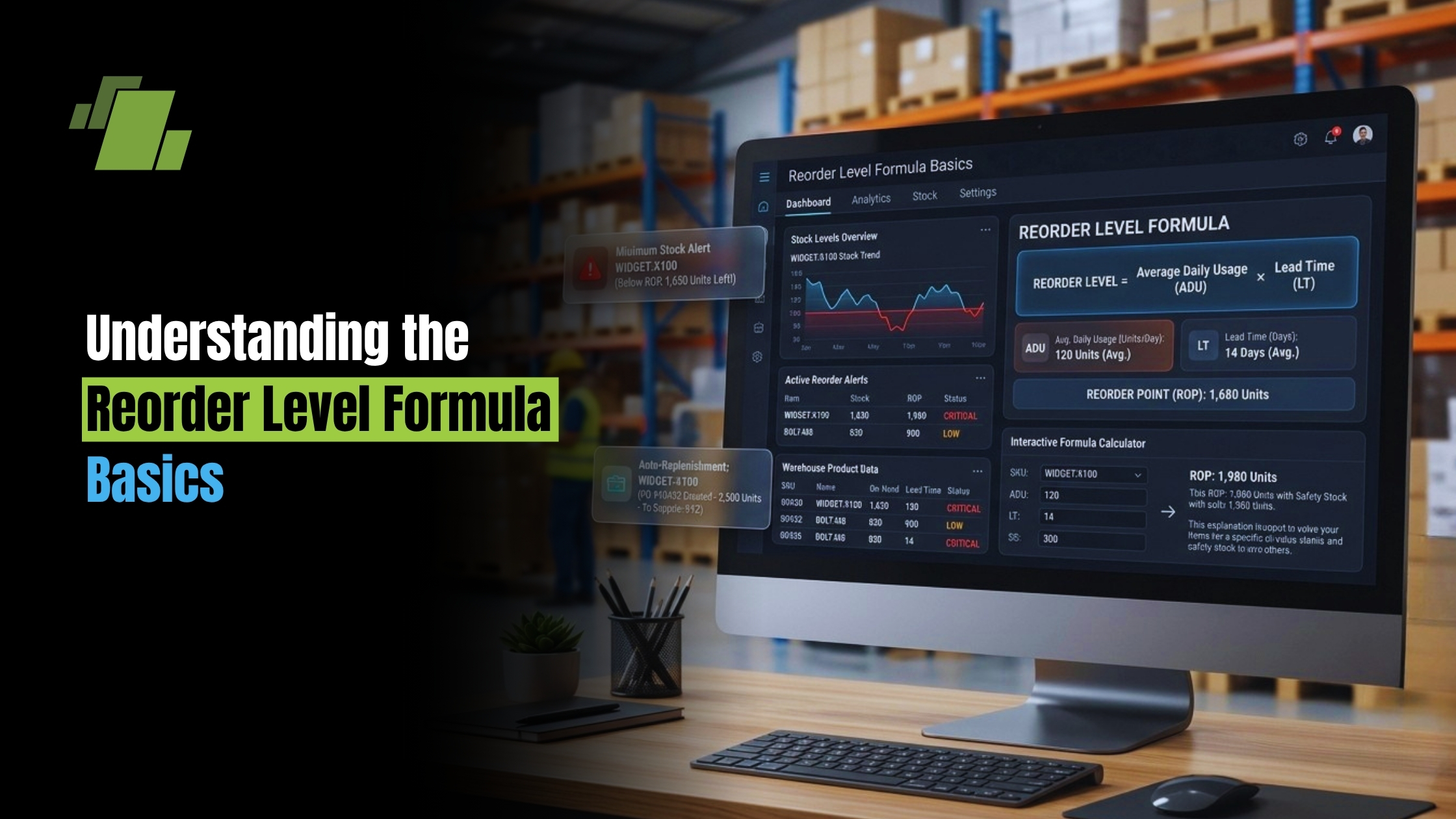
Understanding the Reorder Level Formula Basics

Understanding the Reorder Level Formula Basics

Summary This blog explains the reorder level formula and its importance in inventory management. It covers how businesses can calculate the right time to reorder stock using usage rate, lead time, and safety stock, helping prevent stockouts, reduce inventory costs, improve operational efficiency, and maintain optimal inventory levels for better customer

Read More