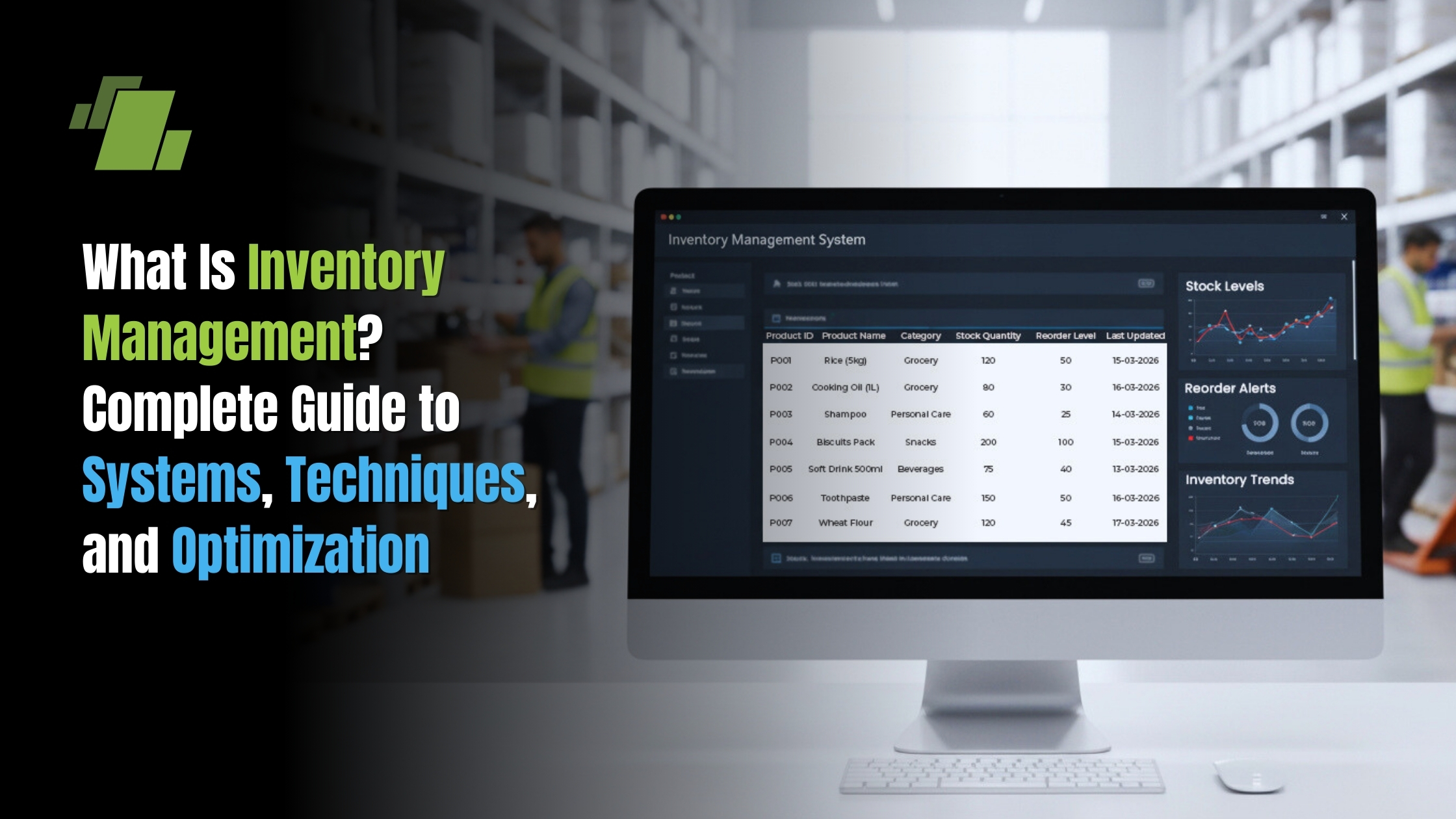
Inventory management software

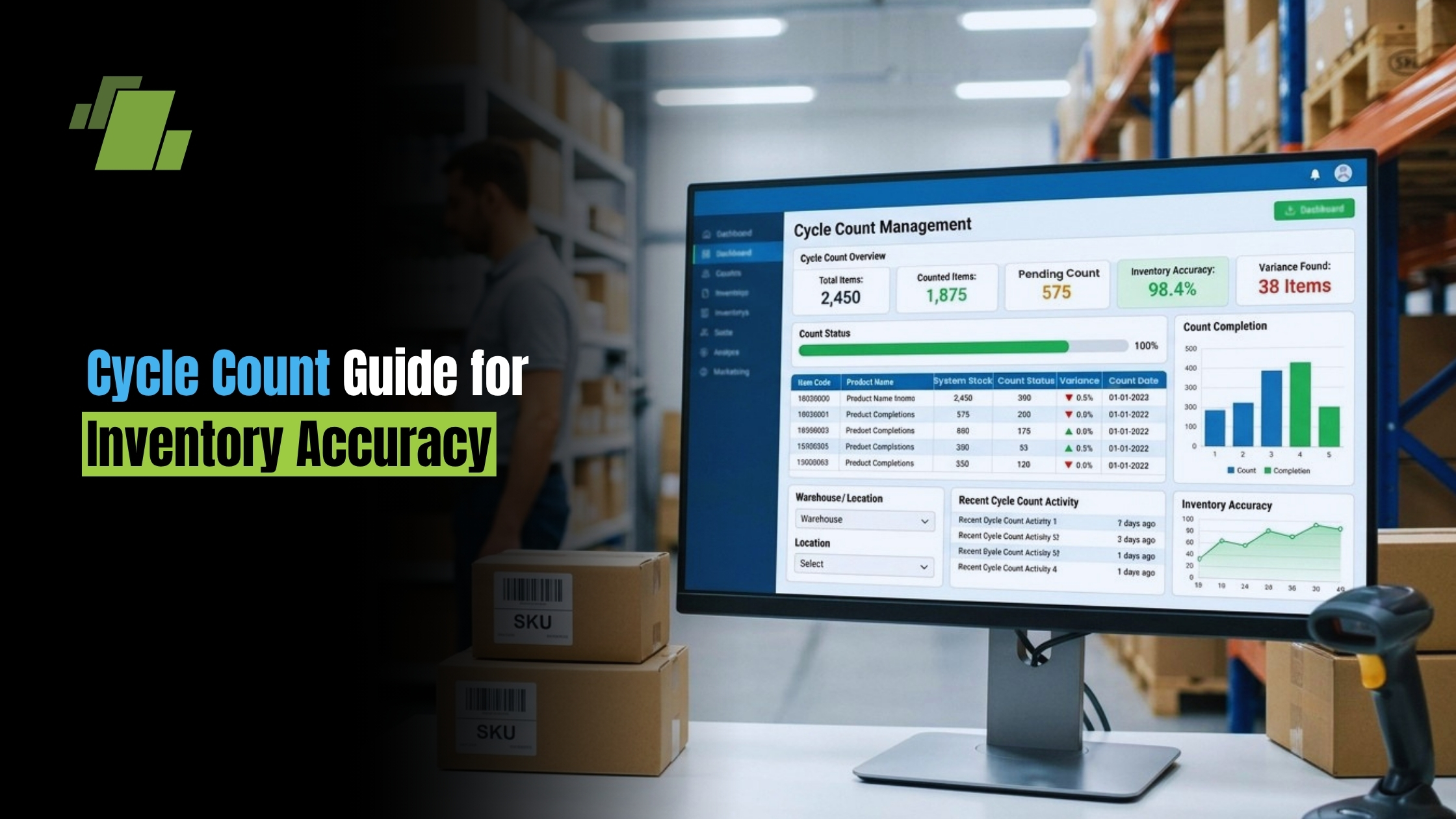
Cycle Count: Optimize Inventory Accuracy & Control

Cycle Count Guide for Inventory Accuracy

A cycle count is a simple way to keep inventory records close to real stock without stopping work for a full warehouse count. Instead of one big annual stock audit, teams check smaller groups of items on a set schedule. They fix issues before they spread into buying, fulfillment, finance, and customer service. For any business that depends on reliable
Read More
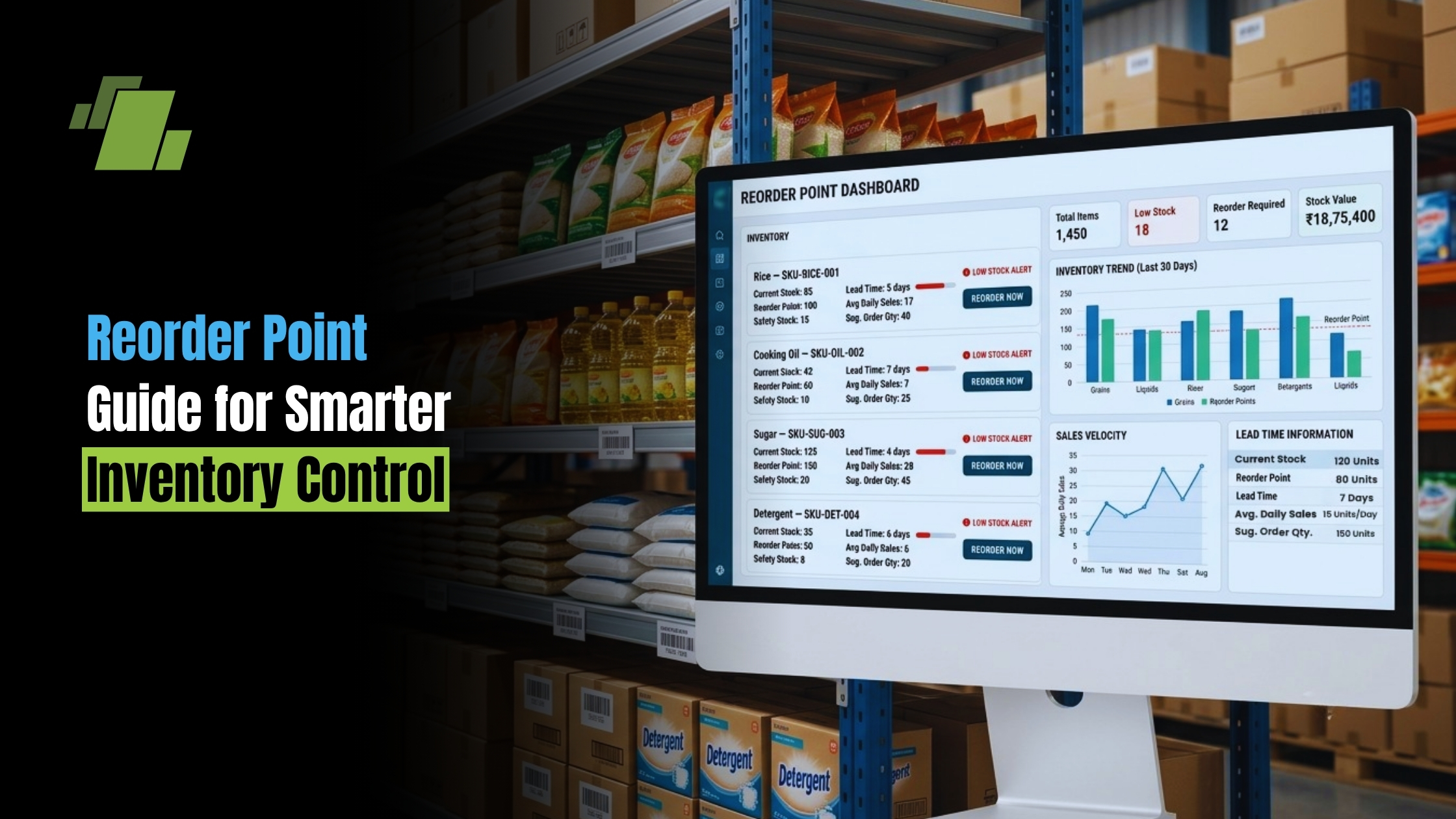
Reorder Point Guide for Smarter Inventory Control

Reorder Point Guide for Smarter Inventory Control

A reorder point is the stock level that tells you when to buy or make more items before you run out. Used well, it supports inventory control, protects sales, reduces rush buys, and keeps cash from sitting in extra stock. For retailers, makers, distributors, and repair teams, reorder points turn stock replenishment into a repeatable supply chain

Read More
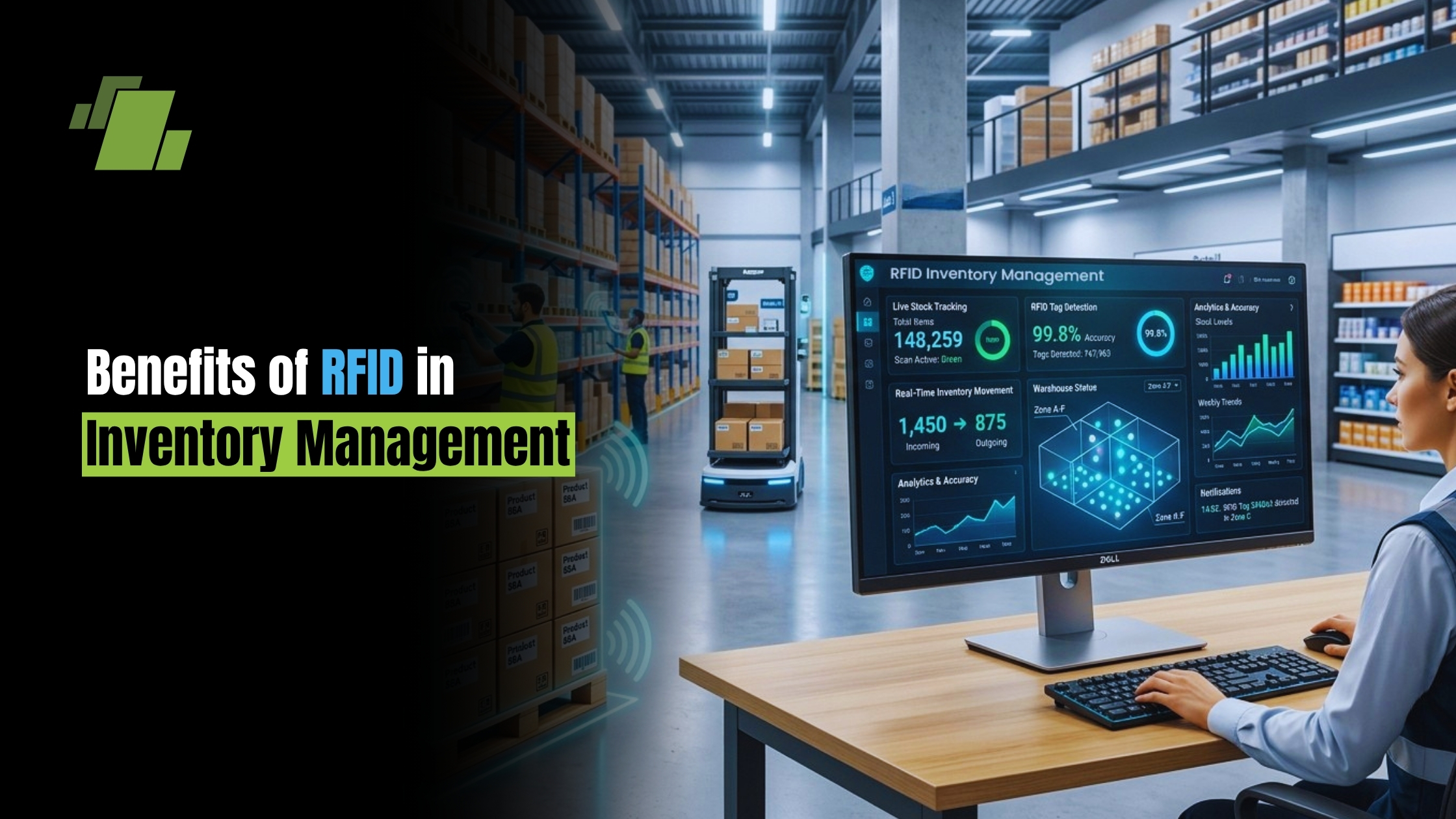
Benefits of RFID in Inventory Management

Benefits of RFID in Inventory Management

RFID technology is transforming inventory management. It offers a modern solution to age-old challenges in tracking and managing stock. Businesses are increasingly adopting RFID for its efficiency and accuracy. This technology reduces manual labor and minimizes errors in inventory processes. RFID tags store more data than traditional barcodes,

Read More
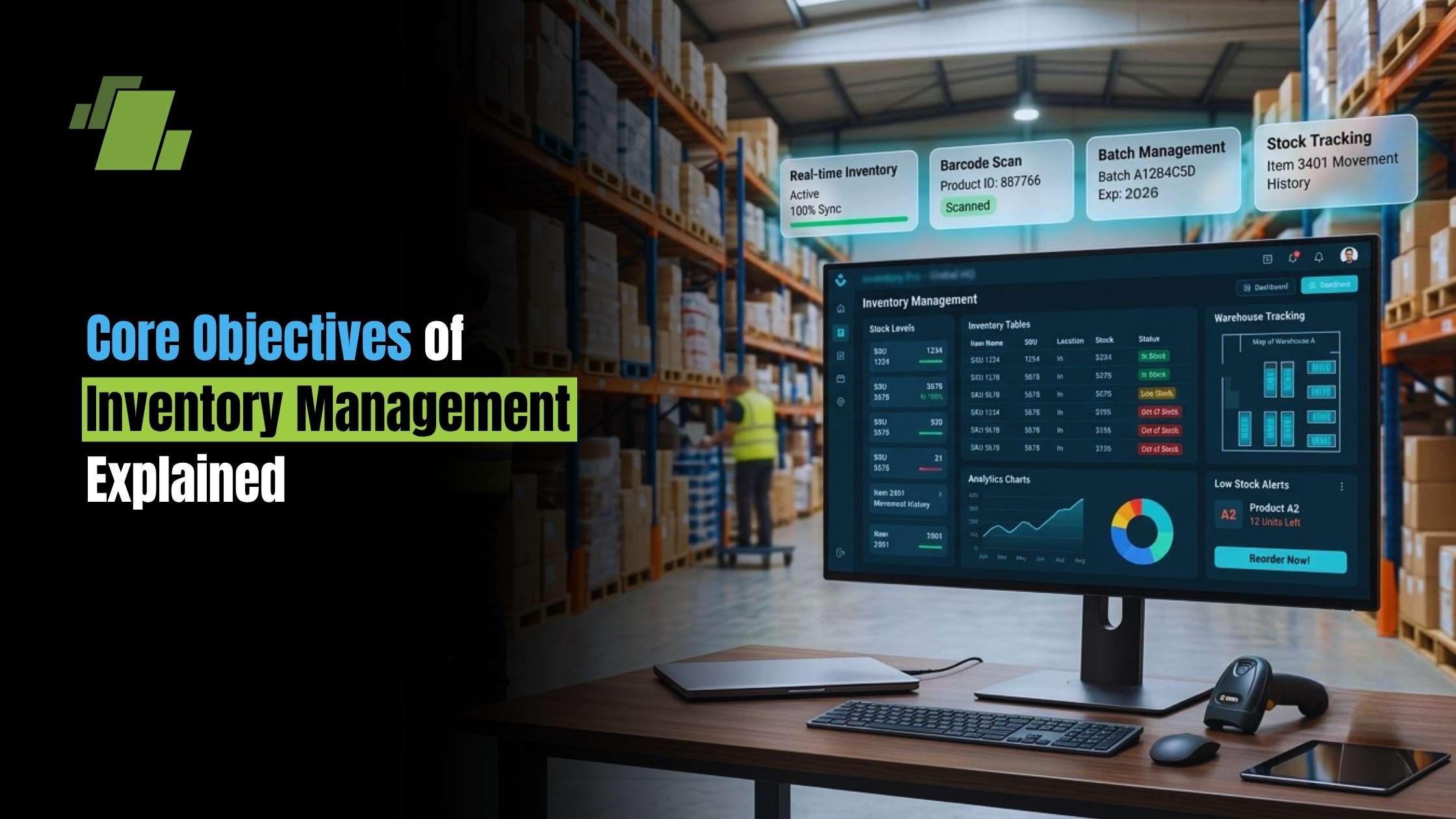
Core Objectives of Inventory Management Explained

Core Objectives of Inventory Management Explained

Summary This blog explains the key objectives of inventory management, including maintaining optimal stock levels, reducing costs, preventing stockouts, improving cash flow, and enhancing customer satisfaction. It also highlights how inventory management systems help businesses streamline operations, improve forecasting, and support sustainable growth

Read More
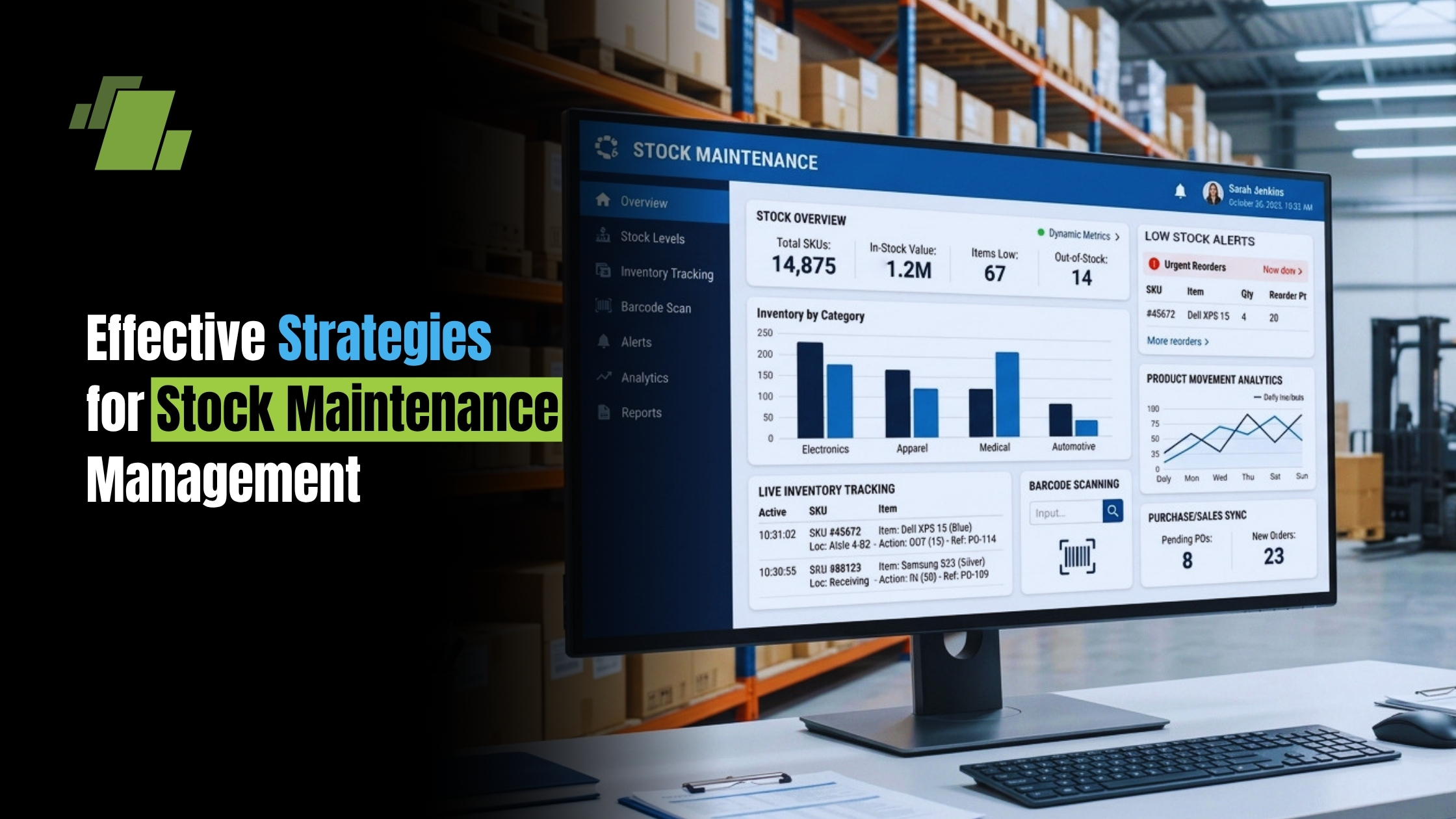
Effective Strategies for Stock Maintenance Management

Effective Strategies for Stock Maintenance Management

Stock maintenance is a vital part of any business dealing with inventory. It ensures that stock levels are accurate and optimized through disciplined inventory maintenance. This leads to better supply chain efficiency and cost savings. Managing stock effectively can prevent overstocking and stockouts. Both scenarios can be costly and disruptive. By

Read More